Note: While the breeds in this collection tend to be high-maintenance, individual pets will vary. Please consult the adoption organization for details on a specific pet.
Choosing a dog is an exciting and meaningful decision—and for certain breeds, it’s also a rewarding commitment. Some dogs thrive on extra care, attention, and structure, making them ideal companions for dedicated pet parents who are ready to fully engage in their dog’s daily life. These high-maintenance breeds offer rich, fulfilling relationships for those willing to invest the time and energy they need to flourish.
Whether it’s their luxurious coats, boundless energy, protective nature, or unique health needs, these dogs bring something special to the table. Some may benefit from regular grooming, structured training, or a thoughtfully adapted environment. When matched with the right owner, high-maintenance dogs don’t just survive—they thrive, forming deep bonds and bringing joy, purpose, and companionship to everyday life.
Top 10 High-Maintenance Dog Breeds
Not all dog breeds are created equal when it comes to daily care and lifestyle compatibility. Some require much more attention, grooming, training, and exercise than others. These top 10 high-maintenance breeds stand out due to their demanding physical and emotional needs. Whether it’s their boundless energy, intricate grooming requirements, or heightened health sensitivities, these dogs are best matched with experienced and committed pet parents.
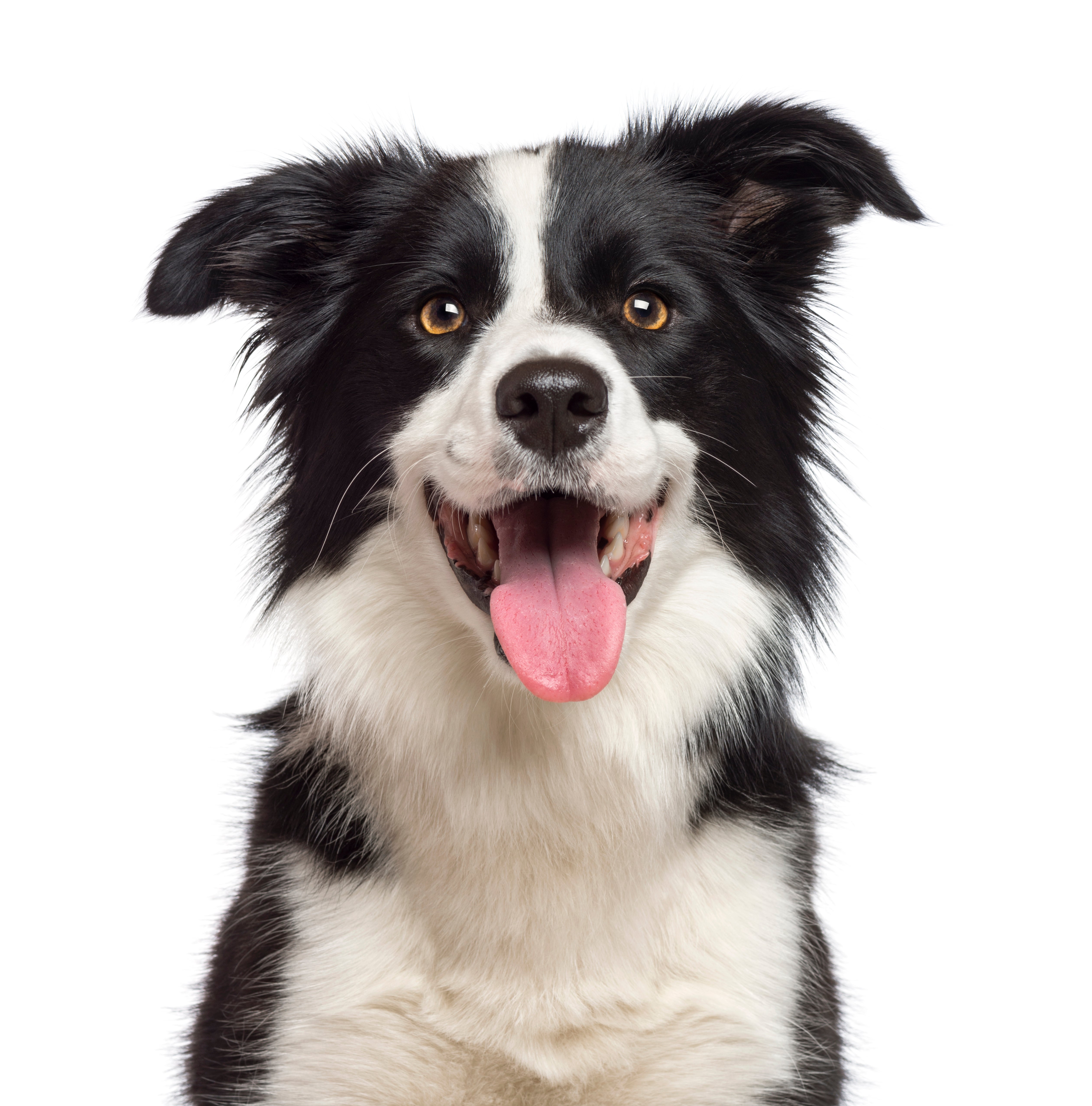
1. Border Collie
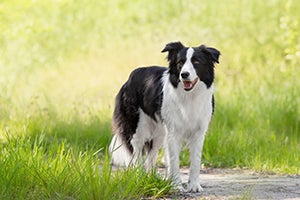
One of the most intelligent and driven breeds, Border Collies require constant mental stimulation and physical exercise. Without enough activity, they can become destructive or anxious.
- High-maintenance factors: Energy, exercise, mental stimulation, herding instincts.
- Energy & Exercise: Needs multiple hours of high-intensity activity and problem-solving daily.
- Mental Stimulation: Easily bored; thrives on agility, obedience, and herding work.
- Herding Instincts: May try to herd children, other animals, or even cars.
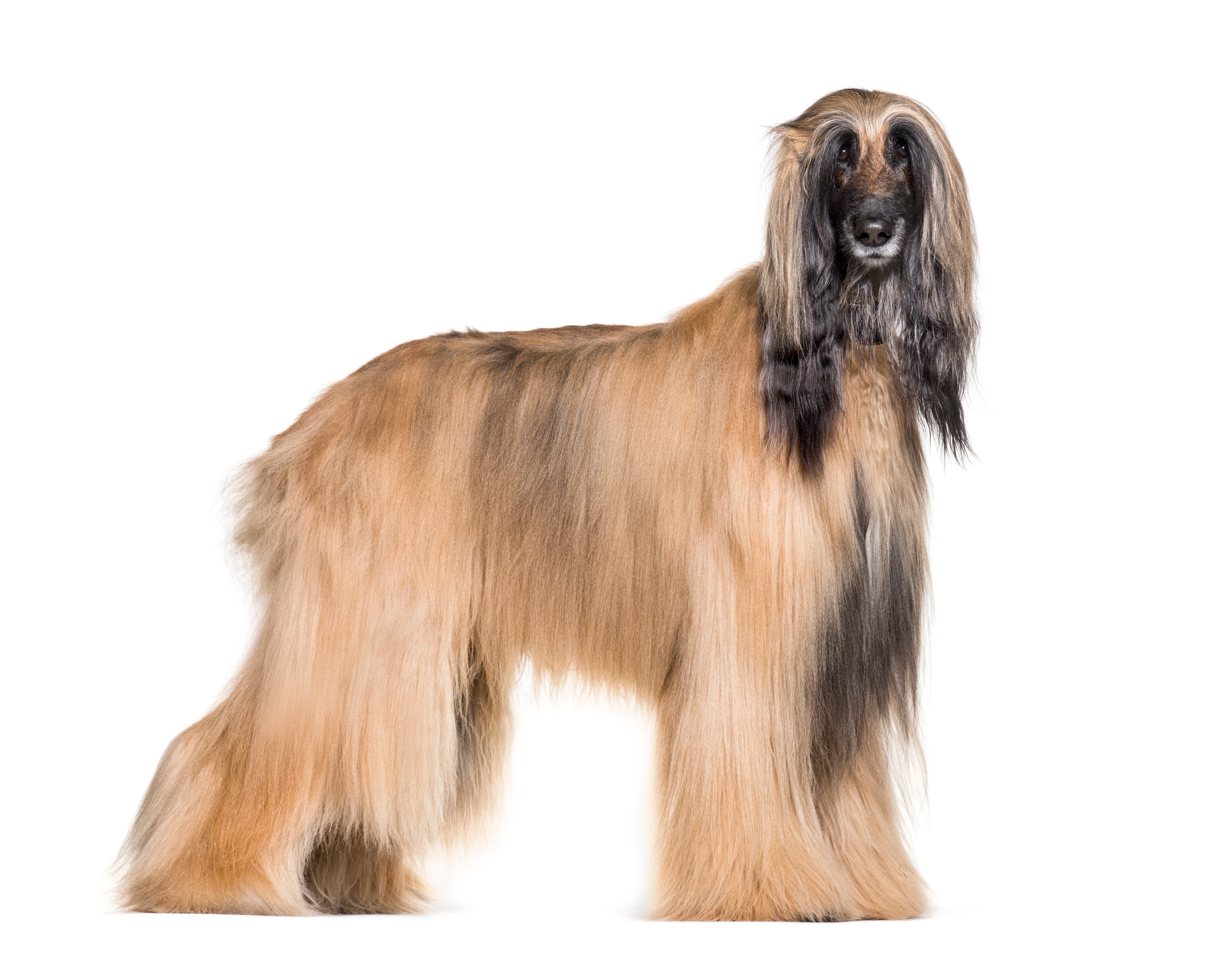
2. Afghan Hound
Famous for their flowing coats, Afghan Hounds need frequent grooming to prevent mats and tangles. They also tend to be aloof and require patient training.
- High-maintenance factors: Grooming, training, sensitivity.
- Grooming: Long, silky coat demands brushing several times per week and regular baths.
- Training: Can be stubborn, requiring gentle and consistent techniques.
- Temperament: Independent and aloof, not always eager to please.
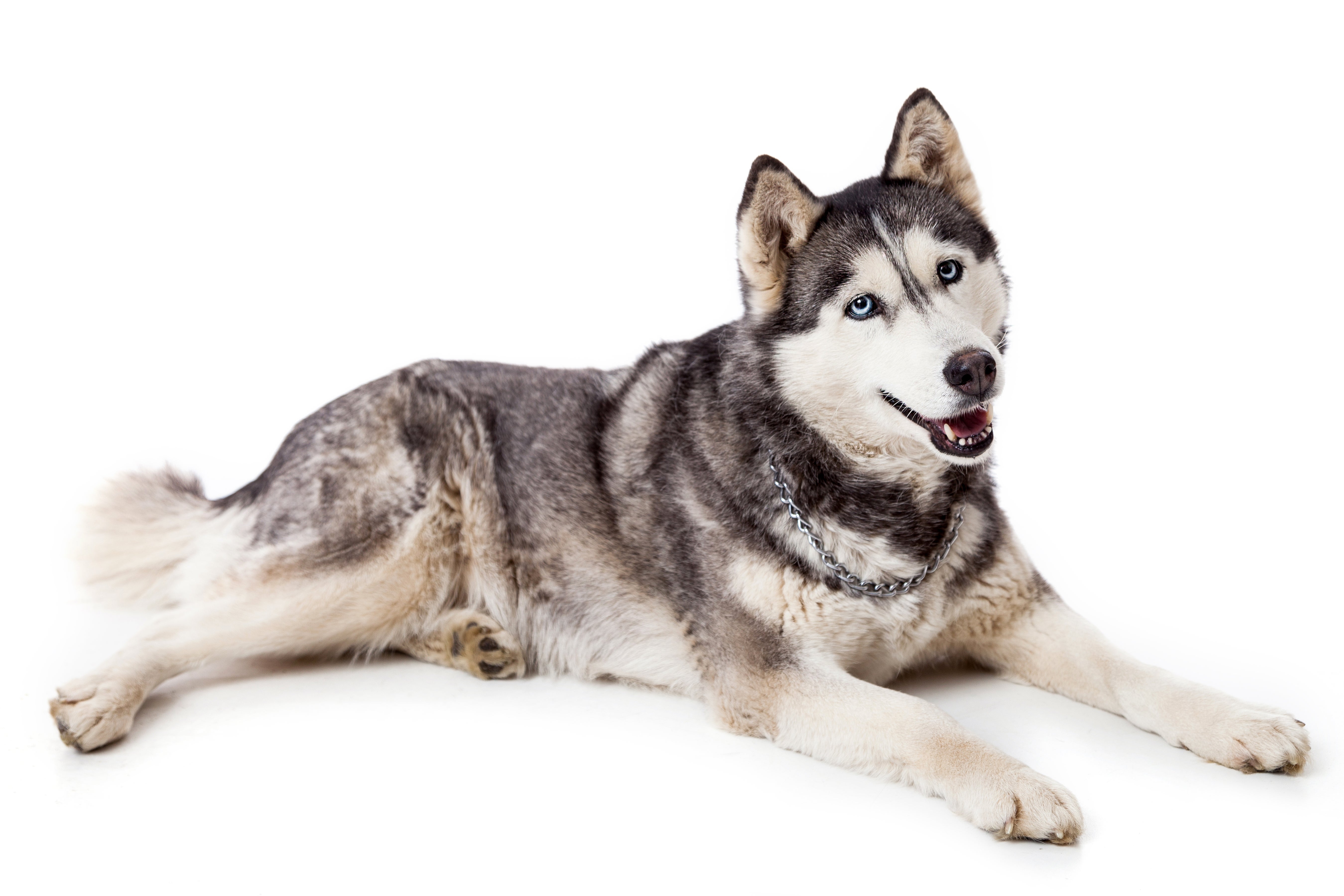
3. Siberian Husky
Built for endurance, Huskies are high-energy dogs with a strong prey drive. They also shed heavily and have a reputation for being escape artists.
- High-maintenance factors: Shedding, energy, exercise, stubbornness.
- Shedding: Heavy seasonal shedding; undercoat blows twice a year.
- Exercise Needs: Requires extensive physical activity and outdoor time.
- Independence: Often aloof and difficult to train; not eager to obey commands.
- Escape Artists: Known to dig, jump, or chew their way out of enclosures.
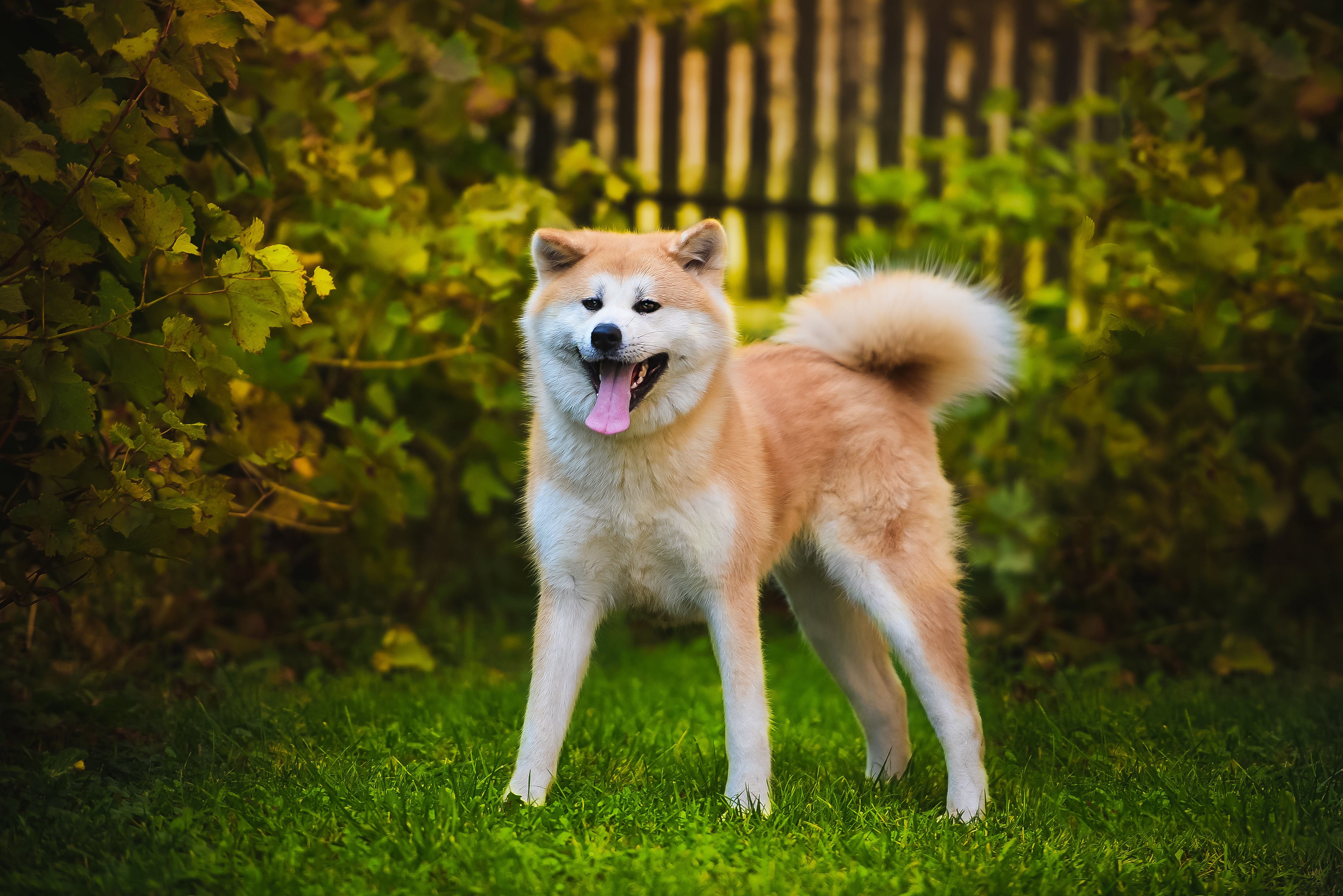
4. Akita
Akitas are strong-willed and protective. Their thick coats require seasonal grooming, and their independence calls for experienced handlers.
- High-maintenance factors: Grooming, guarding instinct, training, temperament.
- Grooming: Double coat sheds seasonally and requires regular brushing.
- Guarding Instincts: Naturally protective, may be aggressive with strangers or other dogs.
- Training: Intelligent but aloof; needs firm and experienced owners.
- Health: Prone to autoimmune disorders and joint problems.
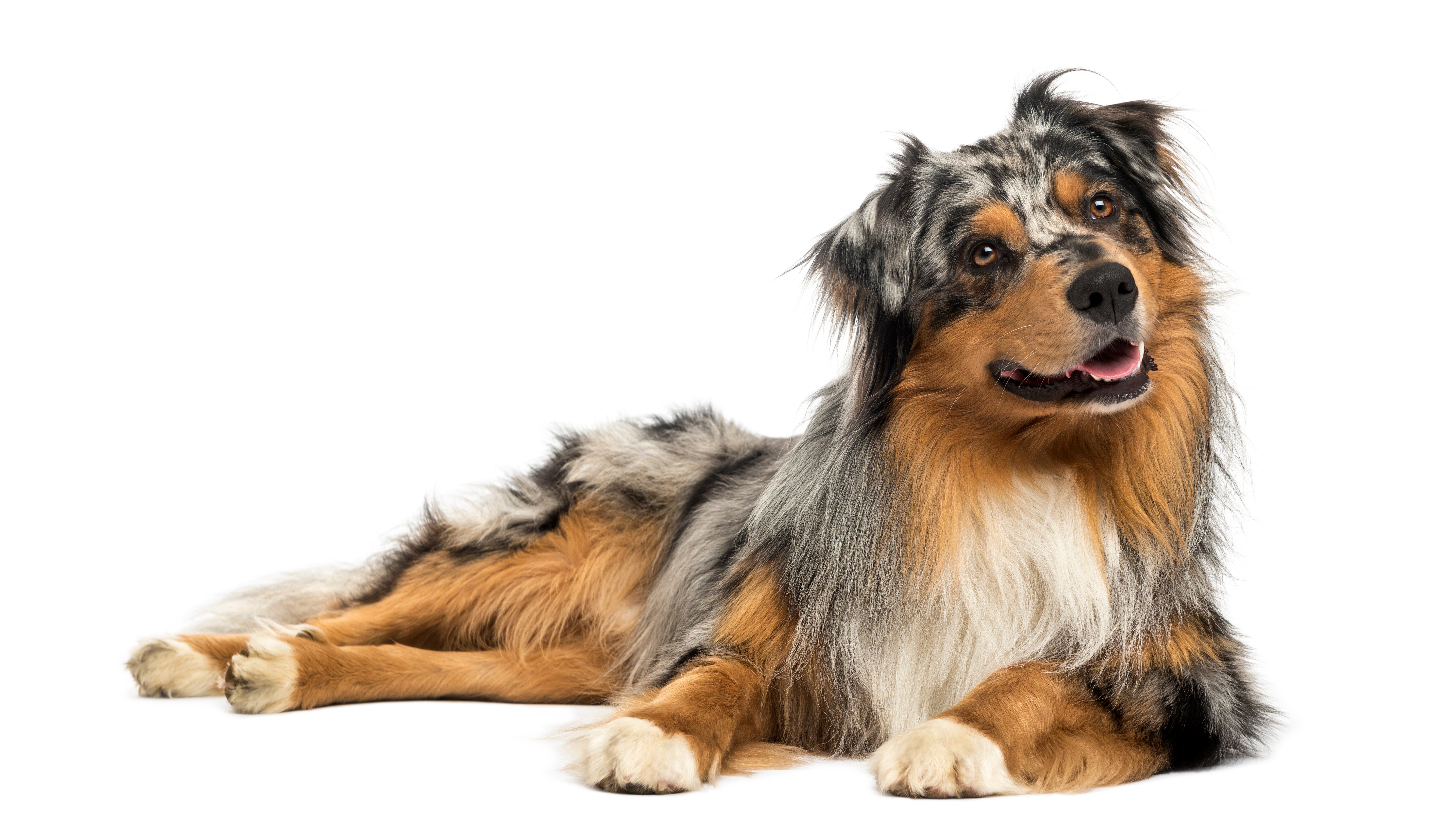
5. Australian Shepherd

With unmatched energy and intelligence, Aussies need rigorous mental and physical stimulation. They can become anxious without purpose or routine.
- High-maintenance factors: Activity, intelligence, grooming, herding instincts.
- Exercise: Demands vigorous activity daily, such as running, agility, or herding.
- Mental Challenge: Highly trainable but needs continuous engagement.
- Grooming: Regular brushing needed to manage their dense coat.
- Separation Anxiety: Bonds deeply with owners and dislikes being alone.
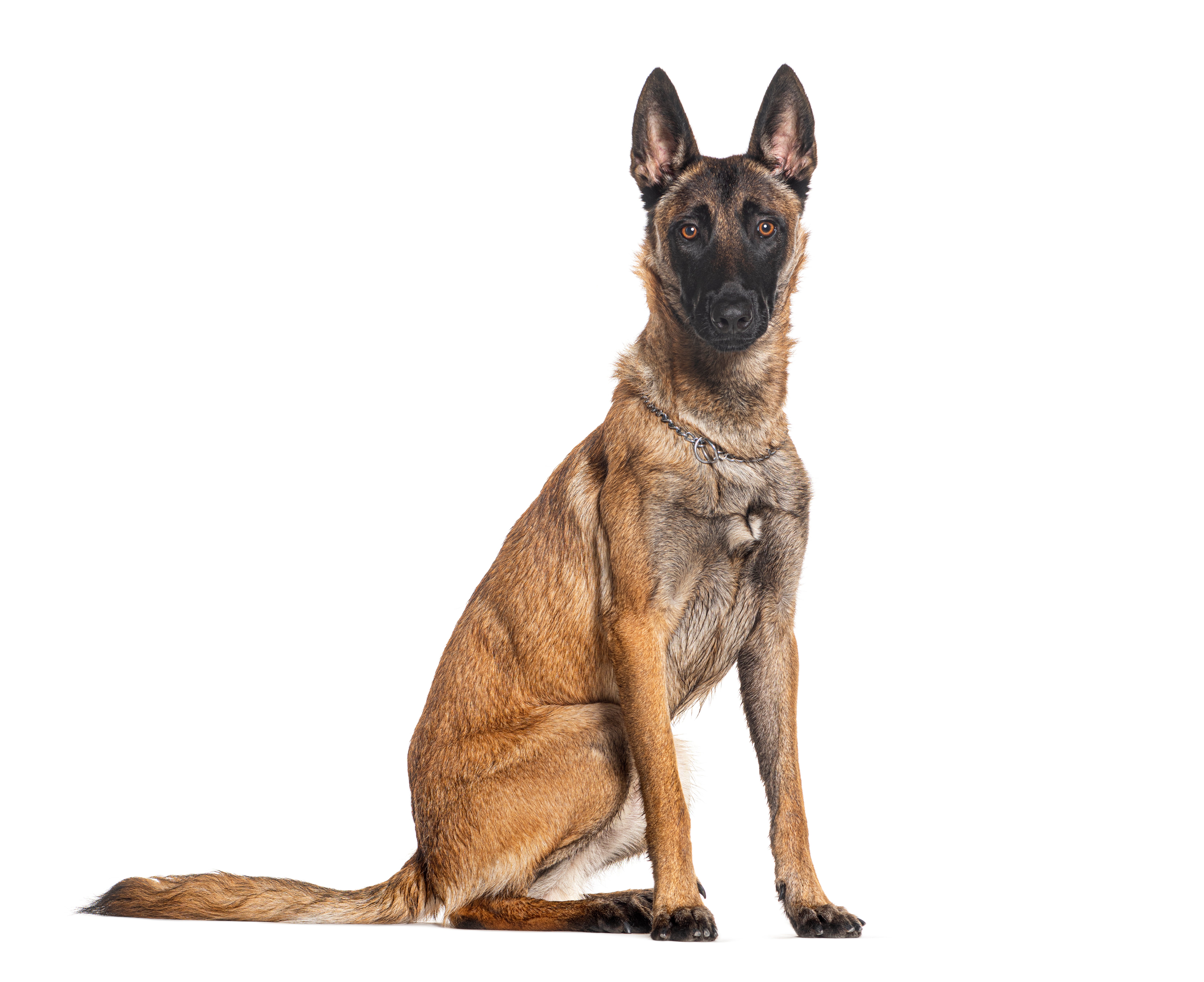
6. Belgian Malinois
A favorite among working dog professionals, the Belgian Malinois is not a casual companion. They require extensive training, physical exercise, and socialization.
- High-maintenance factors: Training, energy, guarding instincts.
- Training & Work: Needs a job—ideal for police, protection, or sport work.
- Exercise: Intense daily activity is essential.
- Guarding Instincts: Protective and wary of strangers without proper socialization.
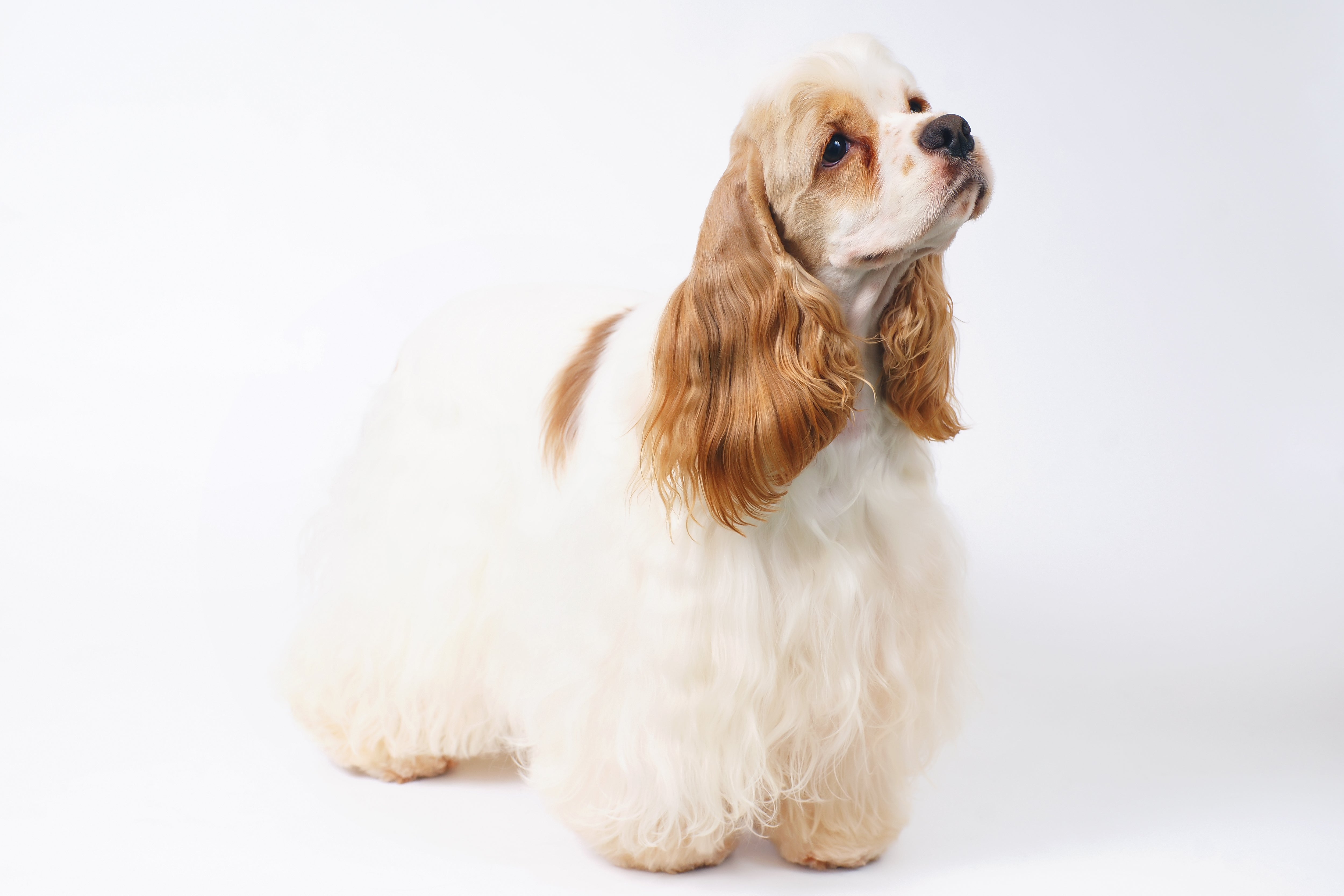
7. Cocker Spaniel
Known for their sweet disposition, Cocker Spaniels also need regular grooming and are prone to ear infections and other health concerns.
- High-maintenance factors: Grooming, health, ears, temperament.
- Grooming: Long, wavy coat needs professional grooming every few weeks.
- Health: Susceptible to ear infections, skin issues, and eye problems.
- Temperament: Sensitive and emotional; can be reactive if not well socialized.
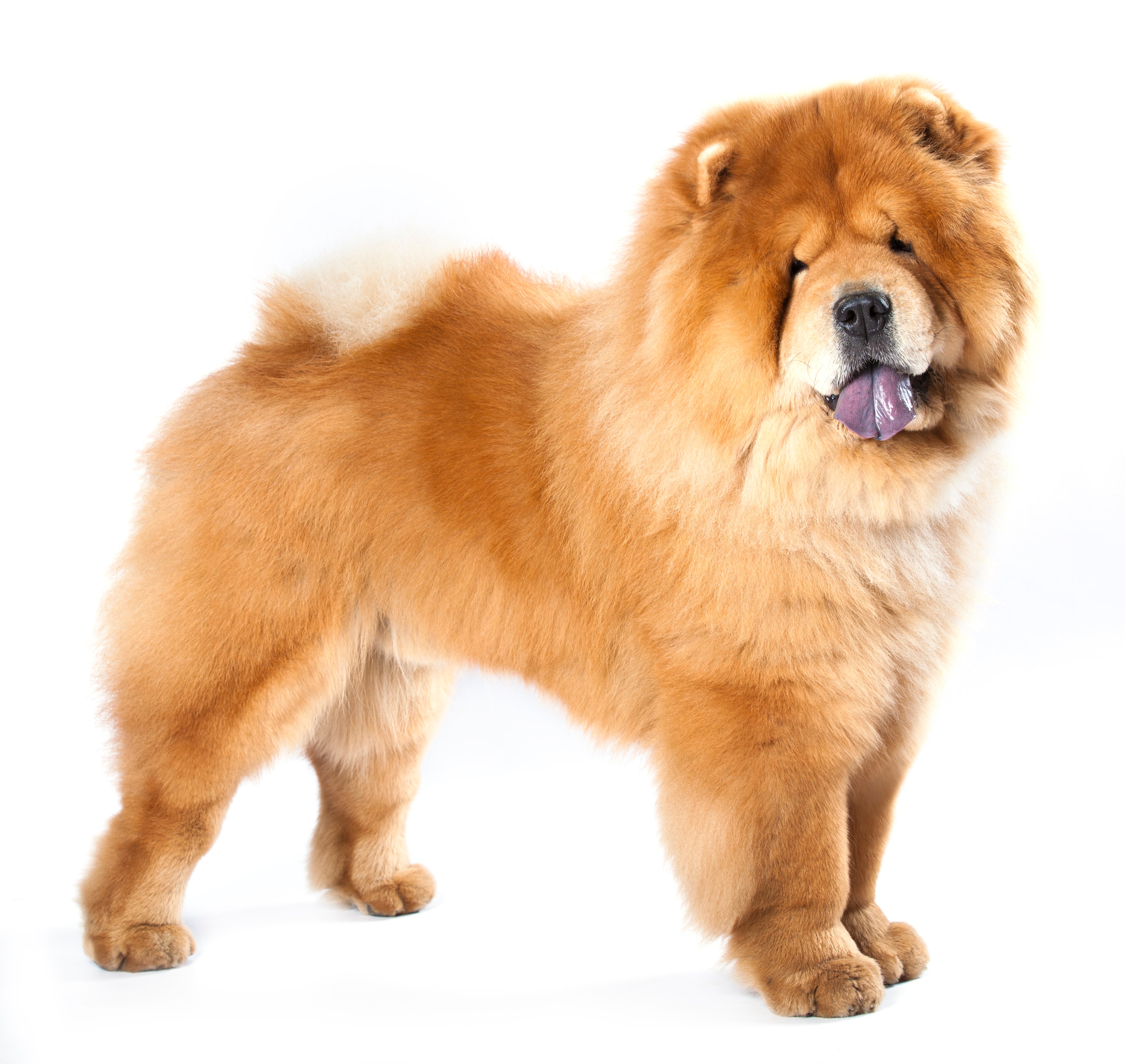
8. Chow Chow
Aloof and cat-like, Chow Chows require firm, consistent training and regular coat maintenance. They are also prone to overheating.
- High-maintenance factors: Grooming, training, temperature sensitivity, health.
- Grooming: Thick double coat sheds heavily and mats easily.
- Training: Independent and dominant; not ideal for first-time owners.
- Temperature Sensitivity: Not suited to warm climates due to their dense fur.
- Health: Prone to hip dysplasia, eye issues, and autoimmune conditions.
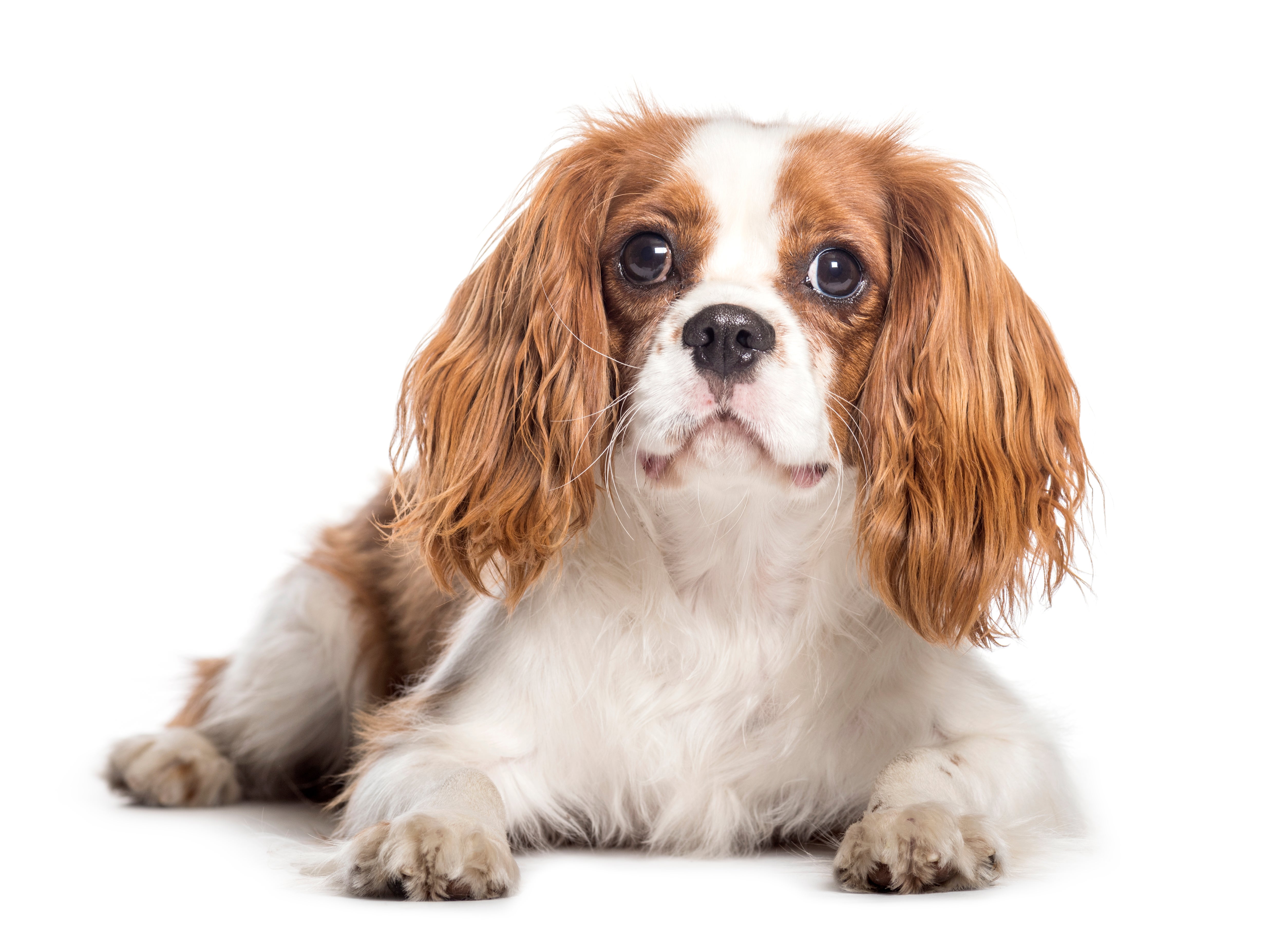
9. Cavalier King Charles Spaniel
This affectionate Spaniel is known for its beauty—but also for a wide range of health issues, including heart problems and eye conditions.
- High-maintenance factors: Health, grooming, separation anxiety.
- Health: High risk of mitral valve disease, syringomyelia, and eye issues.
- Grooming: Long ears and feathered coat need regular cleaning and brushing.
- Separation Anxiety: Craves constant companionship and may become depressed when left alone.
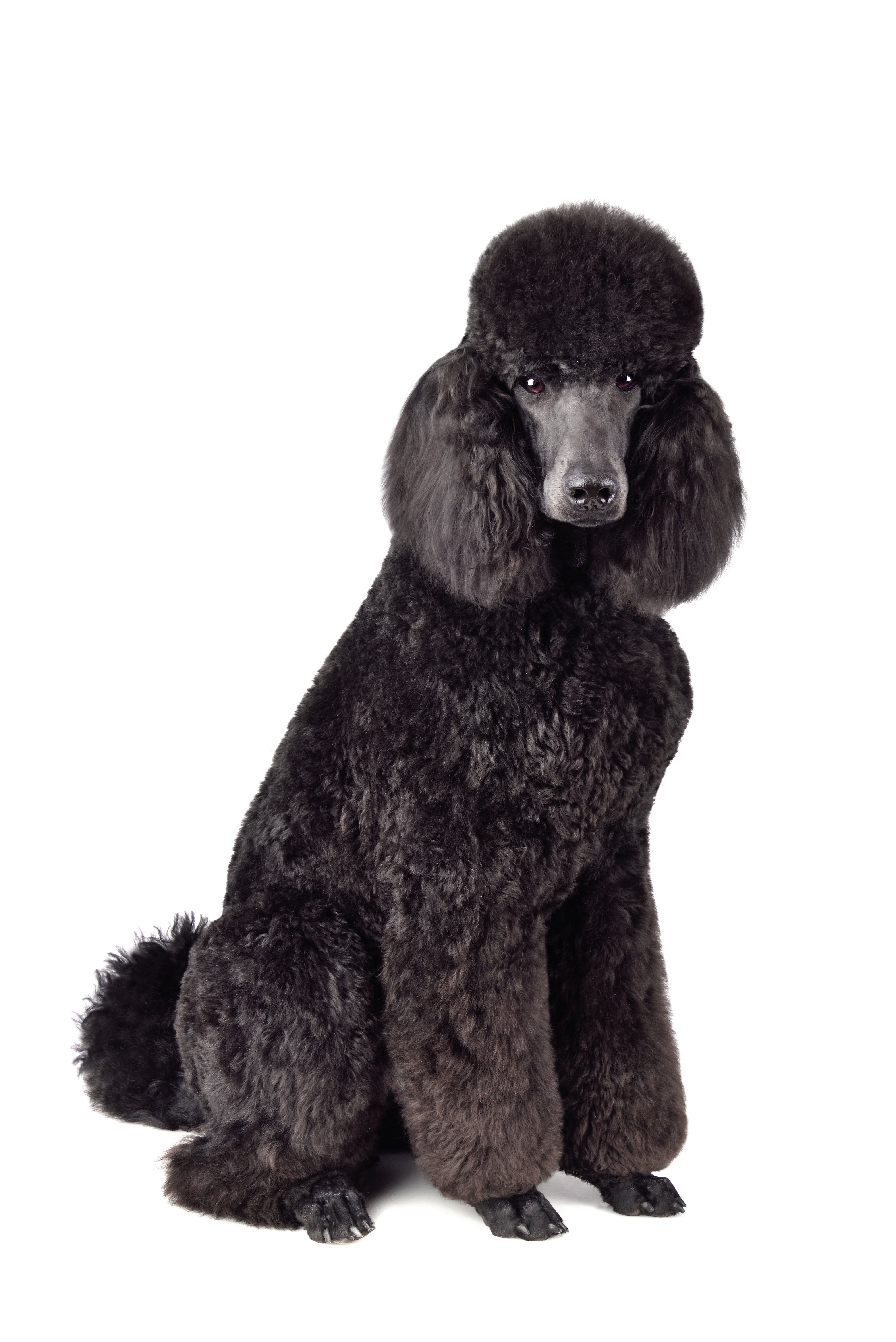
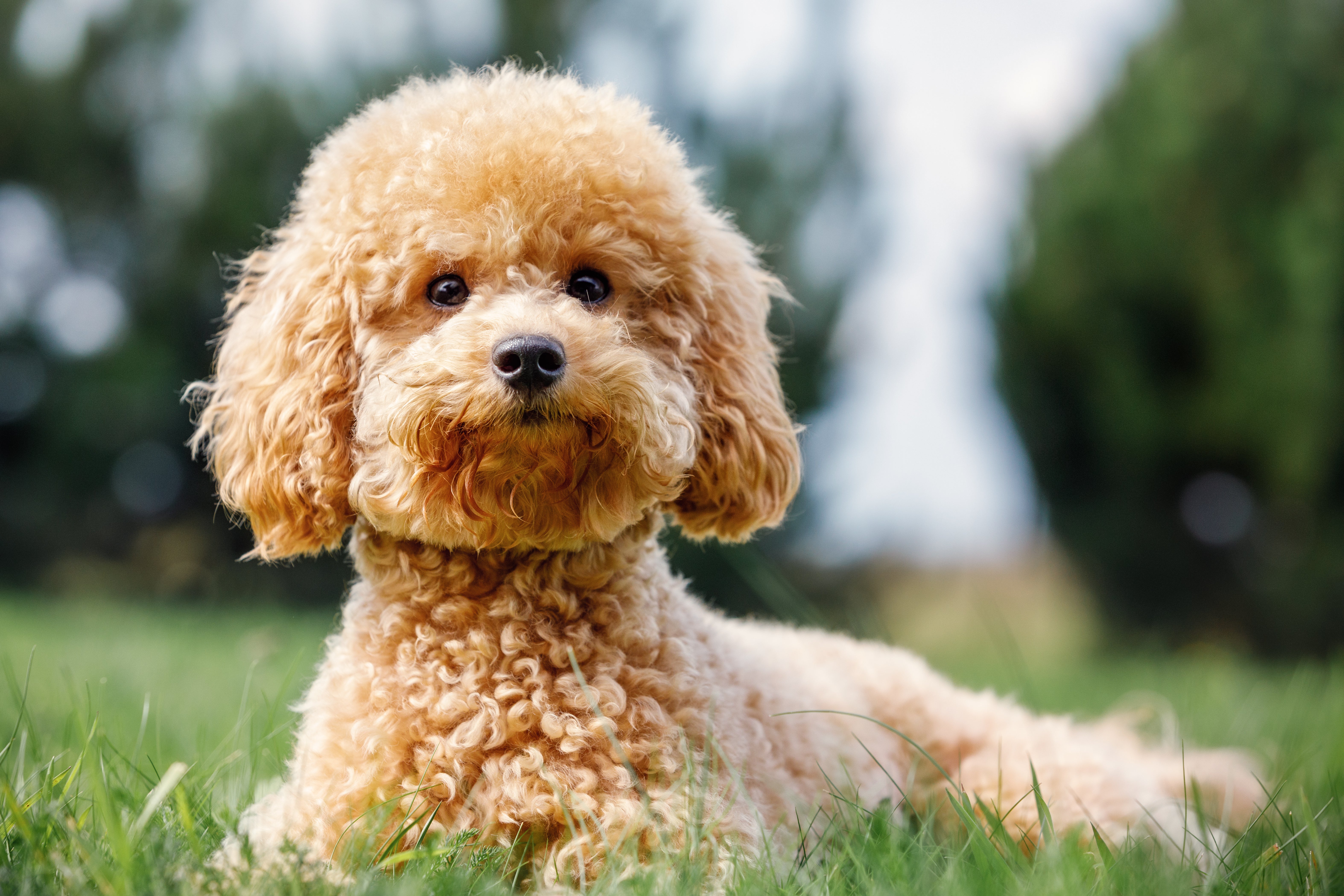
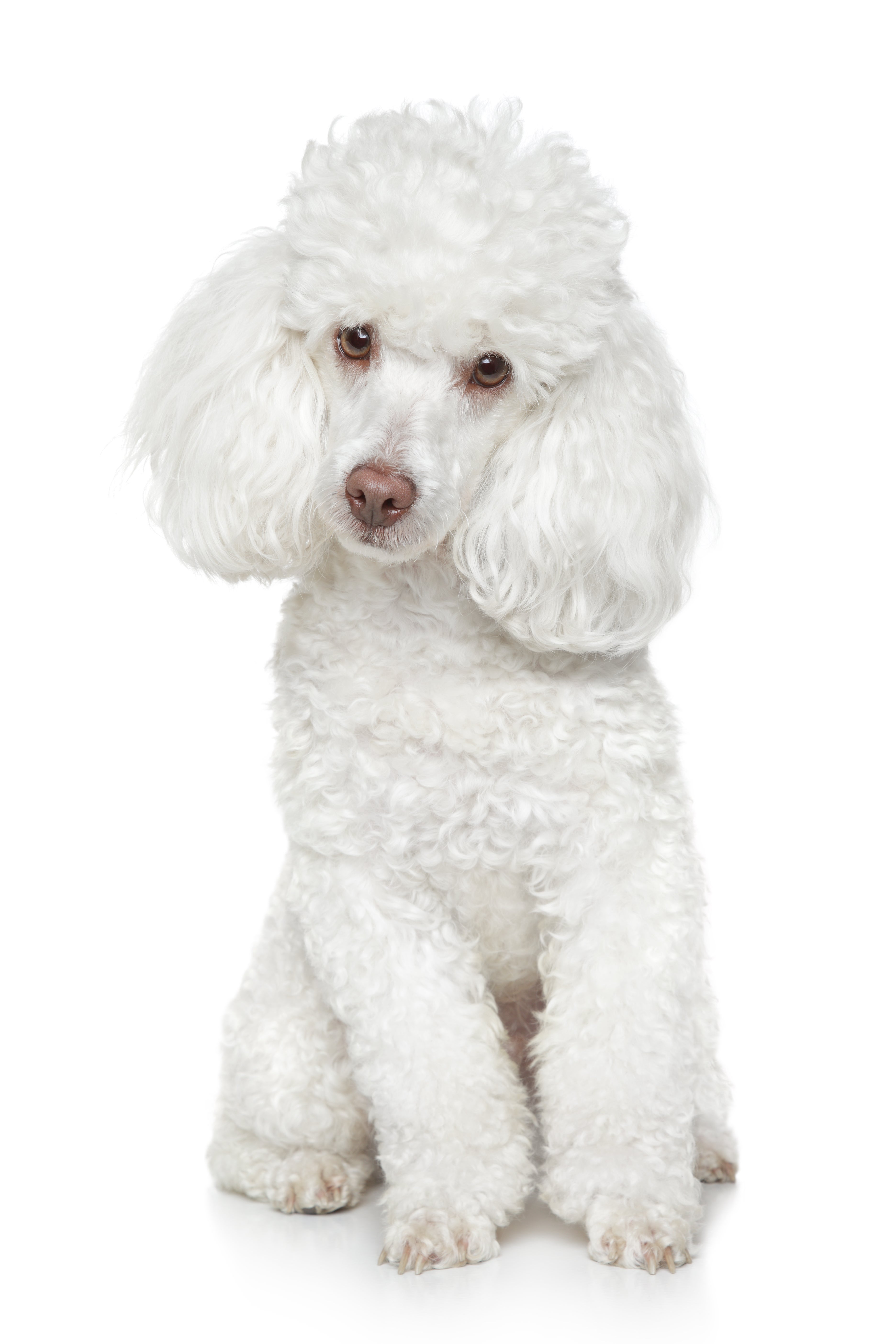
10. Poodle
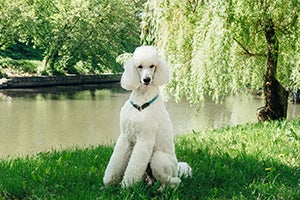
Though intelligent and allergen-friendly, Poodles of all sizes (Standard, Miniature, Toy) require professional grooming and regular mental stimulation to avoid boredom.
- High-maintenance factors: Grooming, intelligence, energy, training.
- Grooming: Curly coat mats easily and must be clipped professionally.
- Energy: Requires daily exercise and enrichment, especially in larger sizes.
- Training: Brilliant and eager to learn but demands consistent interaction.
Most High-Maintenance Dog Breeds FAQs
Still unsure which dogs qualify as “high-maintenance”? This section answers the most common questions prospective pet owners have about specific breeds. While these dogs may not have made the top 10 list, many still require considerable time, care, or attention—especially in areas like grooming, exercise, and health. Use this section to explore breed-specific needs and assess whether you’re up to the task of raising one of these demanding but lovable companions.

Are Shih Tzus High-Maintenance?
Yes, Shih Tzus are considered high-maintenance primarily due to their grooming needs. Their luxurious double coat grows continuously and tangles easily, requiring daily brushing and regular trips to the groomer. They’re also prone to dental issues, breathing problems, and eye infections. While they’re low-energy compared to working breeds, their health and coat care demand consistent attention.
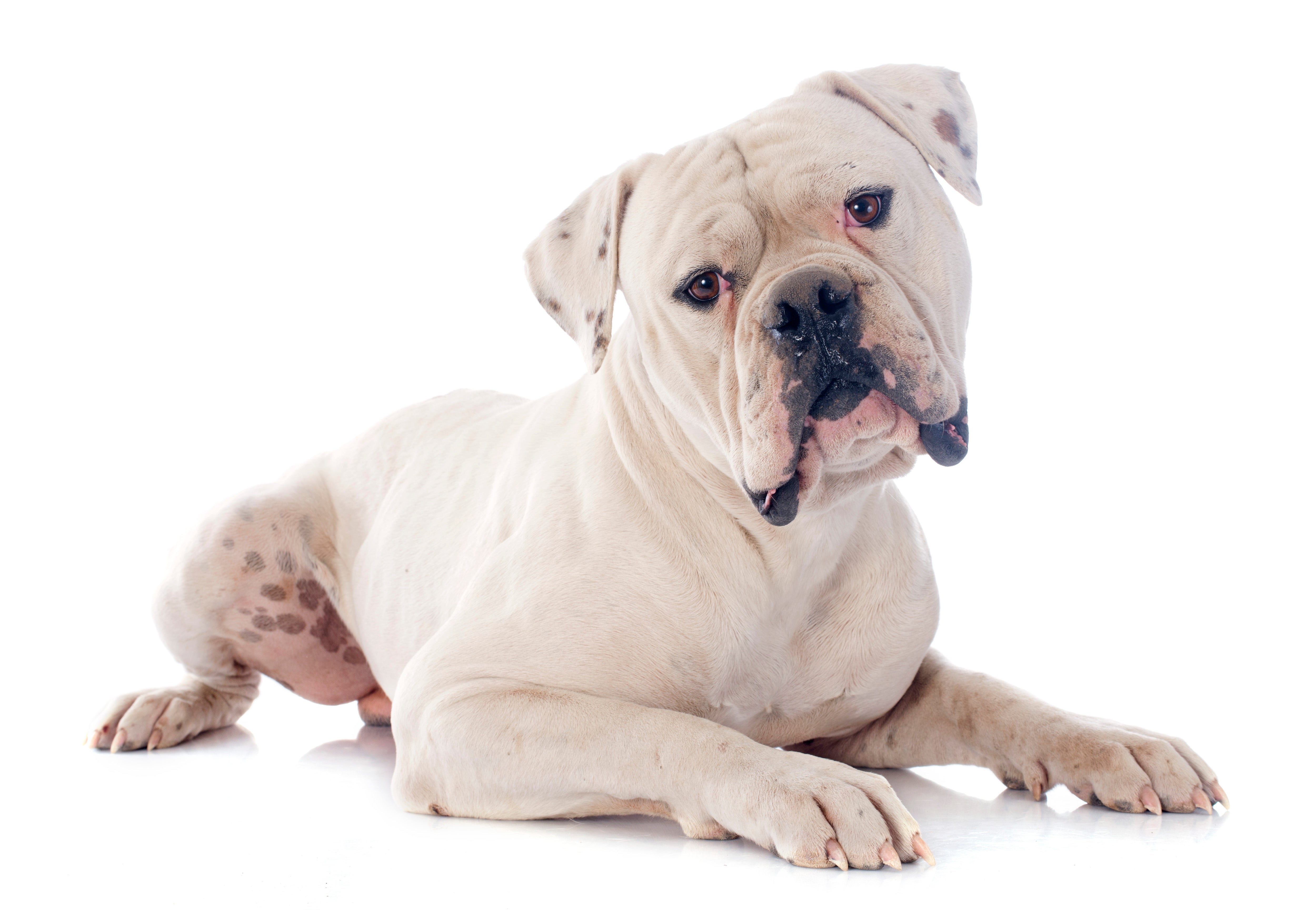
Are Bulldogs High-Maintenance?
Bulldogs have moderate energy levels but come with significant health maintenance. Their flat faces make them prone to breathing issues, and they can overheat quickly. Skin folds need daily cleaning to prevent infections, and their short coats shed regularly. Bulldogs also tend to have joint problems and may need special diets to avoid obesity.
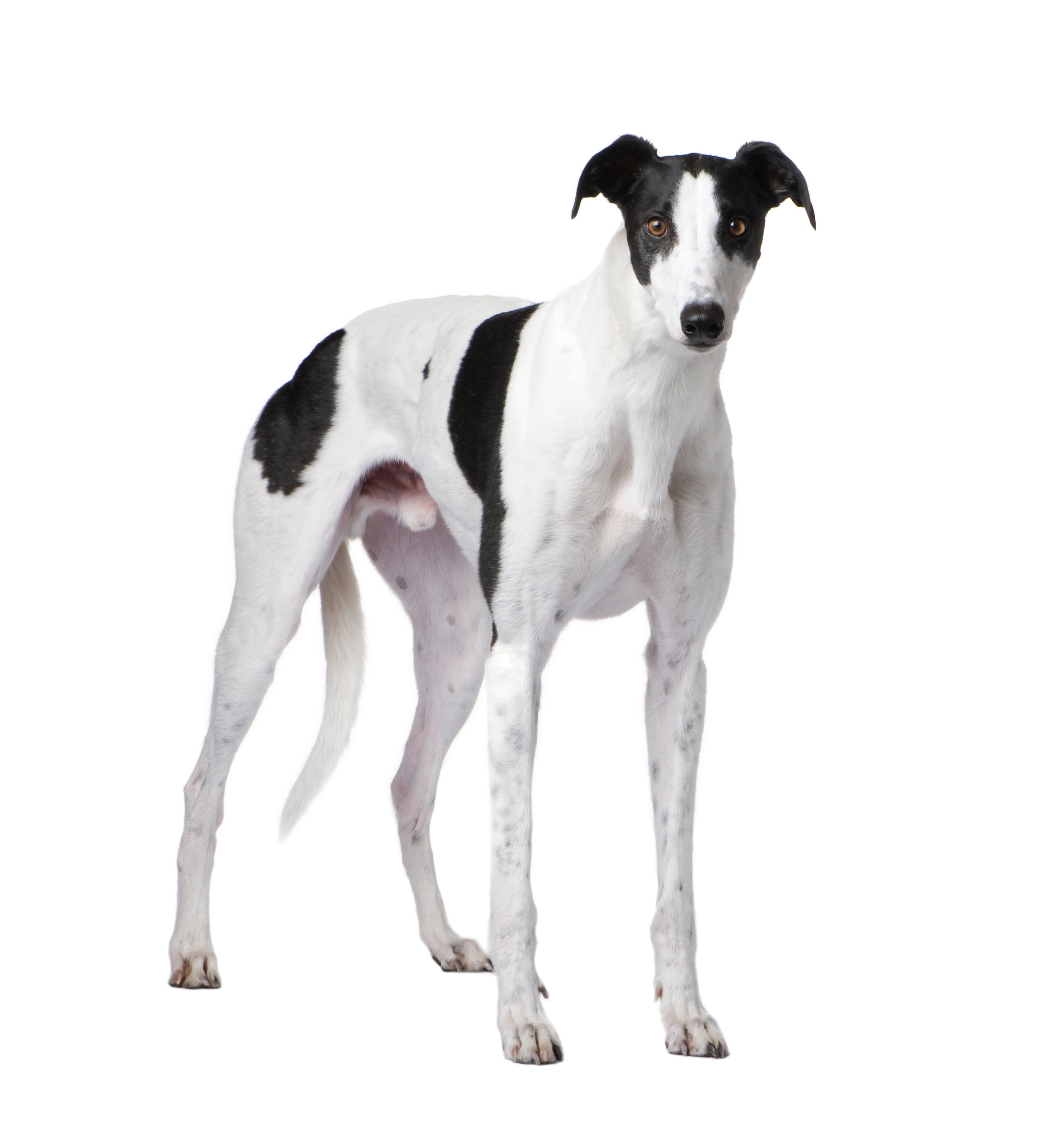
Are Greyhounds High-Maintenance?
Greyhounds are surprisingly low-key in temperament but can be considered high-maintenance when it comes to temperature regulation and emotional needs. Their thin coats make them sensitive to cold and heat, and they require soft bedding to avoid pressure sores. Although they enjoy lounging, daily walks and mental enrichment are still important.
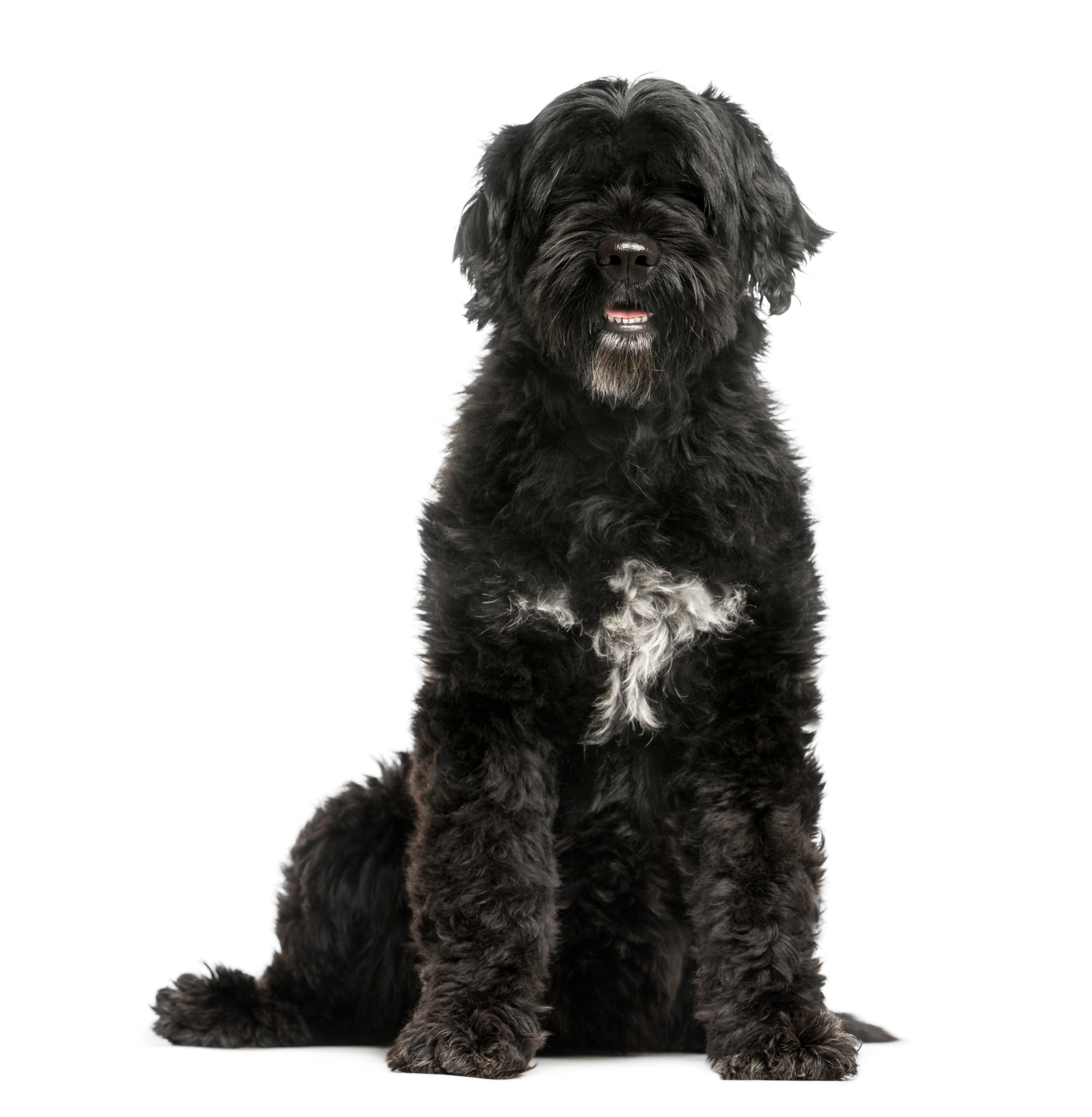
Are Portuguese Water Dogs High-Maintenance?
Yes, the Portuguese Water Dog’s thick, curly coat requires frequent grooming to prevent matting. These intelligent and energetic dogs need lots of exercise and mental stimulation. They are loyal and affectionate but may develop separation anxiety if left alone for long periods. Regular training and socialization are essential to channel their energy positively.
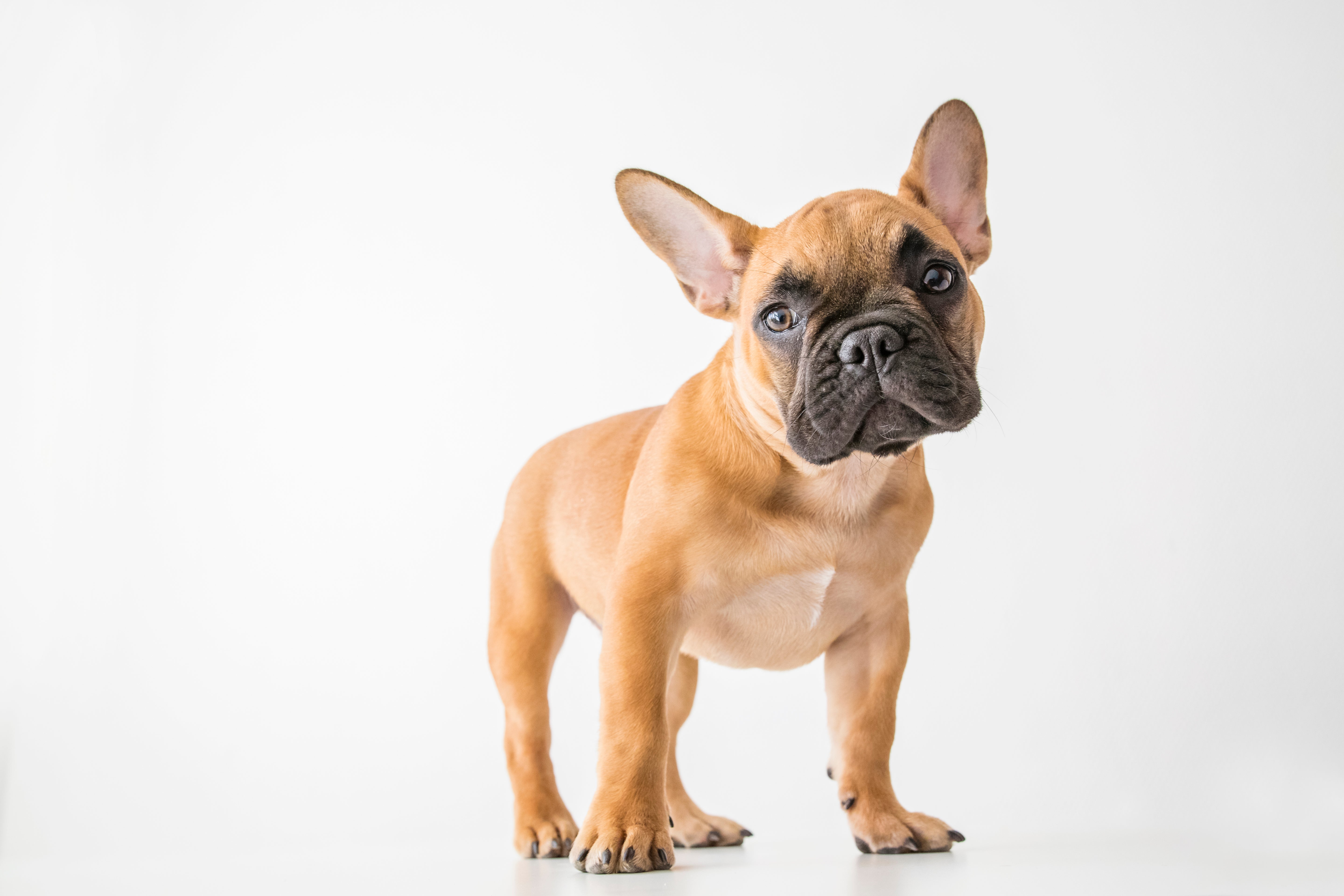
Are French Bulldogs High-Maintenance?
French Bulldogs are notorious for their health issues. Their brachycephalic (flat-faced) structure causes breathing difficulties, and they often suffer from spinal problems, allergies, and overheating. Grooming needs are minimal, but their care routine must include wrinkle cleaning, diet monitoring, and temperature regulation.
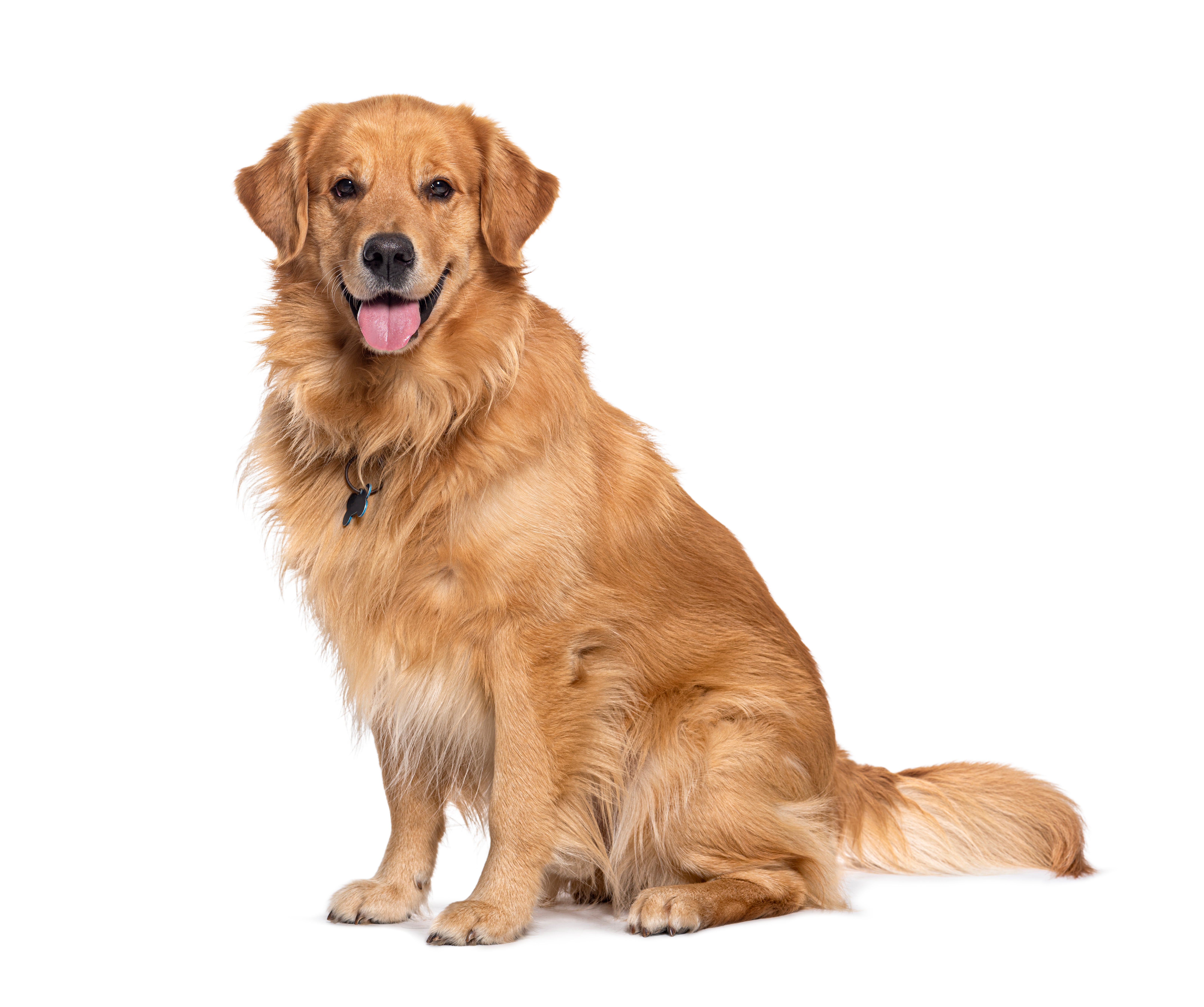
Are Golden Retrievers High-Maintenance?
Golden Retrievers are friendly and eager to please but require significant upkeep. Their double coats shed year-round and need brushing several times a week. They’re high-energy and need daily physical and mental activity. Golden Retrievers are also prone to hip dysplasia, cancer, and heart conditions, which adds to their long-term care requirements.
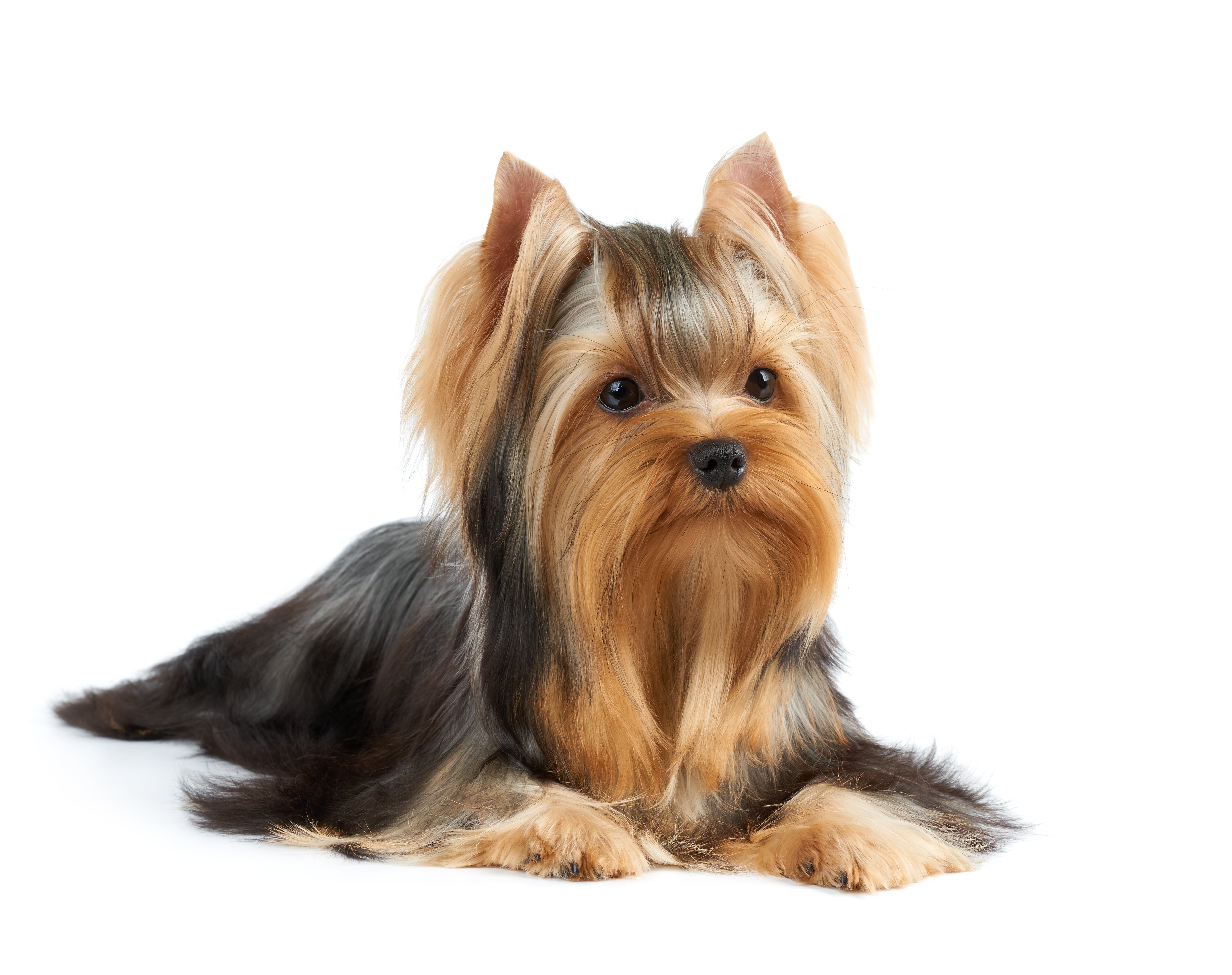
Are Yorkshire Terriers High-Maintenance?
Yes, Yorkies need consistent grooming due to their long, silky hair that tangles easily. Regular trimming or daily brushing is required, especially if kept in a full coat. Despite their small size, they have big personalities and need regular training and exercise to stay mentally balanced. Yorkies are also prone to dental issues and fragile bones.
Are Jack Russell Terriers High-Maintenance?
Jack Russells are extremely energetic and intelligent, making them high-maintenance in terms of exercise and training. They need several hours of activity each day and can develop behavioral issues if understimulated. Grooming is minimal, but their strong prey drive and curiosity require vigilant supervision.
Are Pugs High-Maintenance?
Pugs are low-energy but high-maintenance due to their health concerns. Their flat faces make breathing difficult, especially in hot or humid weather. Pugs also suffer from eye problems, skinfold infections, and obesity. While grooming needs are minimal, daily care is essential to keep them healthy.
Are Beagles High-Maintenance?
Beagles are social, playful dogs that require a lot of interaction and physical activity. They’re scent hounds, so they love to follow their nose, which can lead them into trouble. They’re also known to be escape artists and can be vocal. Grooming is relatively simple, but their high energy and stubborn nature make them high-maintenance for inexperienced owners.
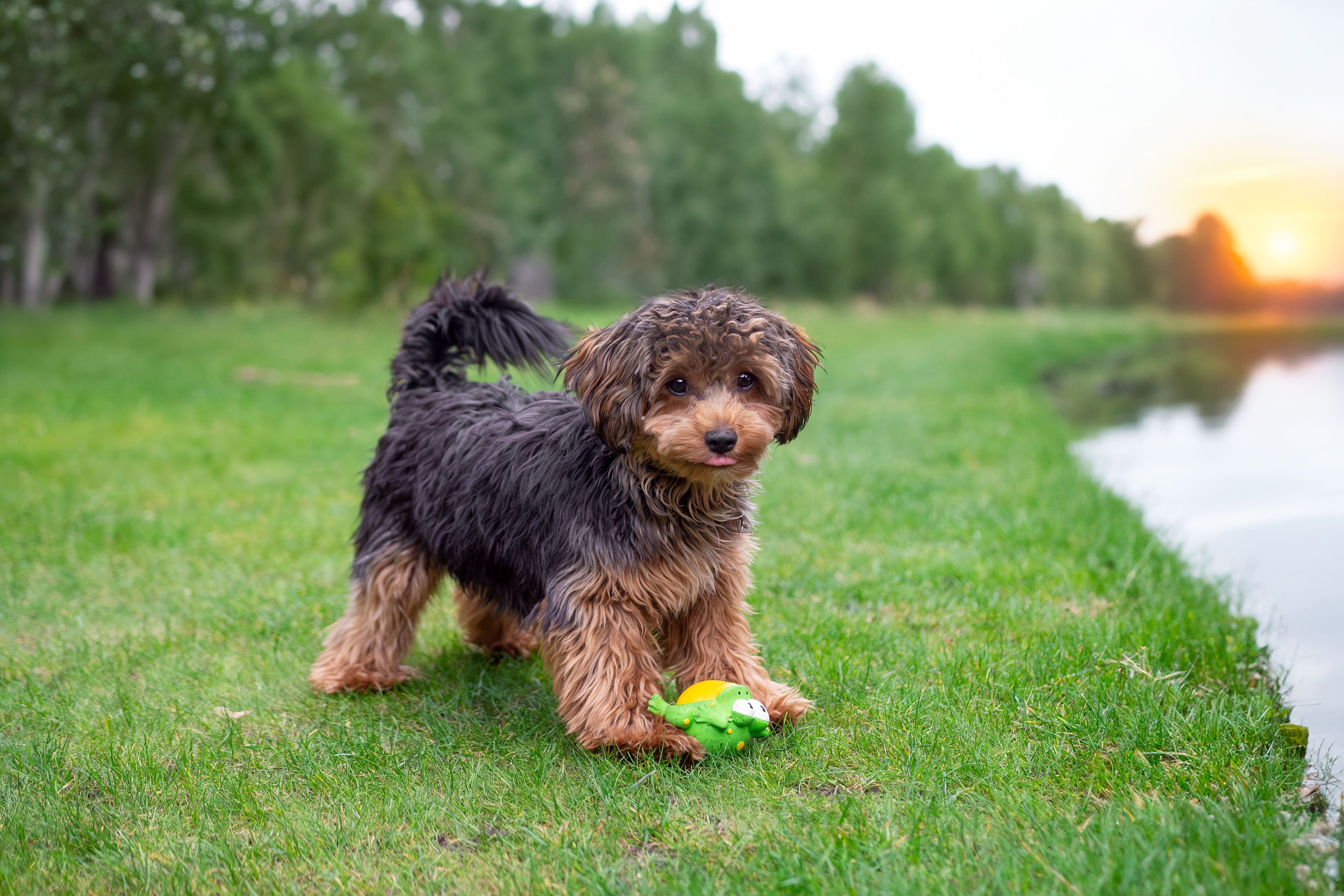
Are Labradoodles High-Maintenance?
Labradoodles can be very high-maintenance, especially when it comes to grooming. Their curly or wavy coats need frequent brushing and professional trimming. They are energetic, social, and require daily exercise and mental stimulation. Training and socialization are essential, especially since behavior can vary widely depending on the mix.
Are Bernese Mountain Dogs High-Maintenance?
Bernese Mountain Dogs have beautiful, thick coats that shed heavily and need regular brushing. They’re prone to several health issues, including joint problems and certain cancers. These gentle giants are emotionally sensitive and dislike being alone, making Bernese Mountain Dogs high-maintenance compared to other breeds. They need space to roam, moderate exercise, and frequent grooming.
Are Basset Hounds High-Maintenance?
Though calm and affectionate, Basset Hounds come with high-maintenance health and grooming needs. Their long ears must be cleaned regularly to prevent infection. They drool frequently and have a distinct odor. Their short legs and heavy frames can lead to joint issues and obesity without careful diet and exercise.
Are Aussiedoodles High-Maintenance?
Aussiedoodles inherit the intelligence and energy of Australian Shepherds and the grooming demands of Poodles placing them in the high-maintenance category. Their coats vary but usually require regular brushing and grooming. They thrive on mental and physical stimulation, and without it, they can develop destructive habits or anxiety.
Are Bichon Frise High-Maintenance?
Bichons have soft, curly coats that require constant grooming to prevent matting. They need professional grooming every 4–6 weeks. These dogs are sociable and thrive on companionship, which means they may develop separation anxiety if left alone too often. While they’re small, their grooming and emotional care needs are substantial making them high-maintenance compared to other breeds.
Are Bloodhounds High-Maintenance?
Bloodhounds have exceptional noses and boundless energy, which makes them high-maintenance compared to other breeds. They require daily physical activity and firm, consistent training to control their strong tracking instincts. Grooming includes cleaning their facial wrinkles and long ears. Drooling is common, and they can be stubborn, making training a long-term commitment.
Are Pekingese High-Maintenance?
Yes, Pekingese are high-maintenance primarily because of their luxurious coats and health needs. Their long fur tangles easily and needs daily brushing. They are also prone to respiratory issues due to their flat faces and can suffer from back problems. Despite their small size, they need a watchful and attentive owner to keep them comfortable and healthy.
How to Choose a High-Maintenance Dog Breed
Selecting a high-maintenance breed should be a thoughtful decision based on your lifestyle, environment, and experience with dogs.
1. Assess Your Lifestyle
- Are you home often?
- Do you enjoy active routines, grooming tasks, and training?
- High-maintenance dogs thrive with owners who can commit to daily care.
2. Evaluate Your Living Situation
- Do you have space for a large, energetic breed?
- Is your home climate-controlled for heat-sensitive breeds?
- Are there breed restrictions in your building or neighborhood?
3. Consider Your Experience
- If you’re a first-time dog owner, breeds with strong guarding instincts or intensive needs may not be the best fit.
4. Think About Family and Other Pets
- Do you have small children or other animals?
- Some high-maintenance breeds require careful socialization and may not be ideal for busy households.
Taking the time to match a breed to your lifestyle helps ensure a rewarding and sustainable relationship with your dog. Once you do find your ideal dog, you can then figure out the perfect name for your new pal.
High-maintenance dog breeds offer immense joy, companionship, and beauty—but they come with responsibilities that shouldn’t be underestimated. From daily grooming and complex training to managing energy levels and health risks, these dogs need owners who are ready for the long haul.
Before you commit, weigh the care demands against your lifestyle. If you’re unsure whether a high-maintenance breed is right for you, consider exploring low-maintenance dog breeds that may be a better match.
Responsible pet ownership starts with informed decisions. A little research today can mean a lifetime of happiness tomorrow—for both you and your dog.
For more expert tips and information on other dog breeds, explore additional dog and puppy breed types articles.