Top 25 Working Dog Breeds: Everything You Need to Know

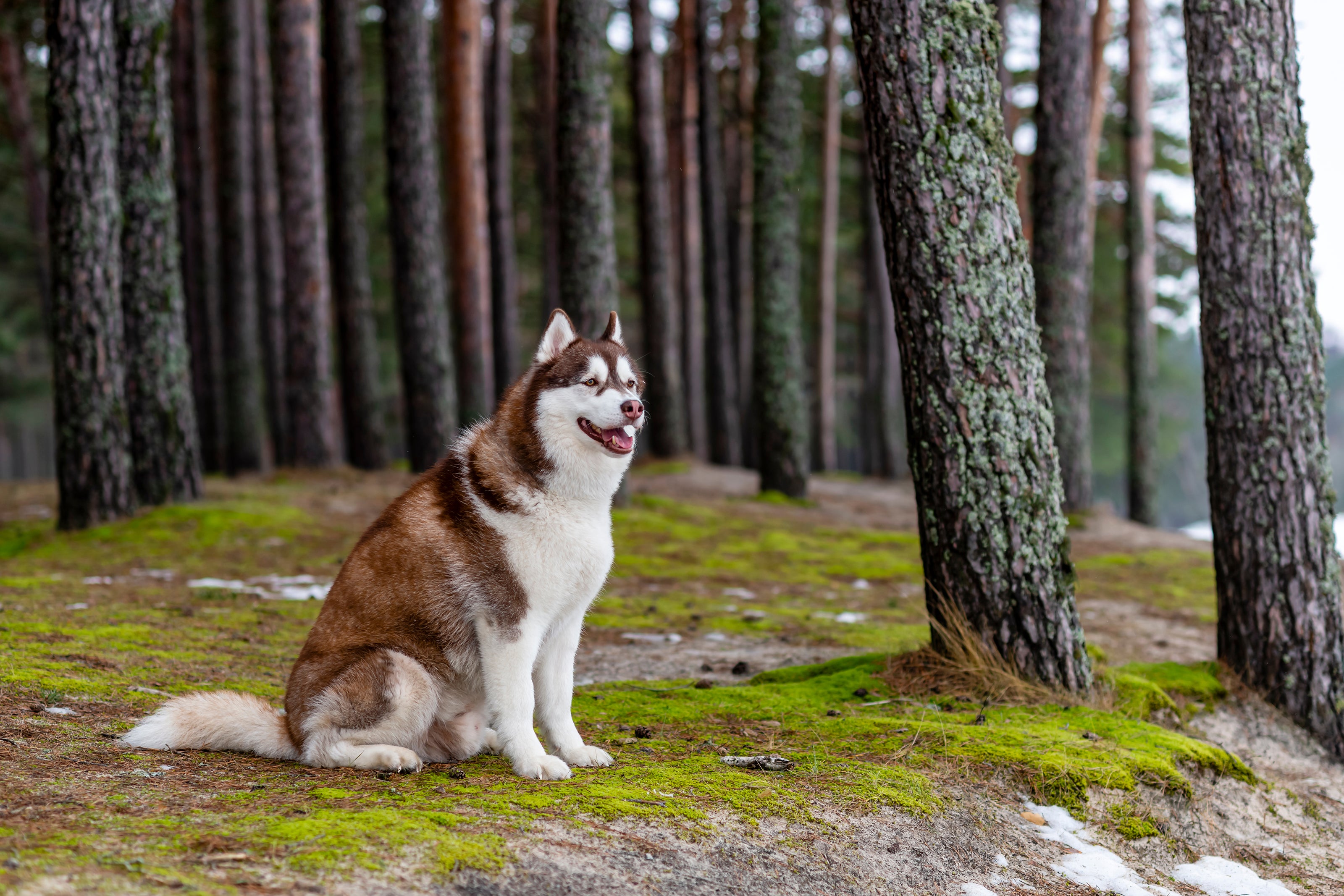
Working husky dog sitting in wooded area

Note: While the breeds in this collection tend to be working dogs, individual pets will vary. Please consult the adoption organization for details on a specific pet.

The working dog breed group includes breeds you know and love, such as the Boxer, Doberman Pinscher, and Great Dane. Some of these breeds might feel intimidating, but they make wonderful companion dogs if trained and cared for properly. Like herding or pastoral dogs, they enjoy having a job to do and thrive in working environments.

Here’s everything you need to know about this diverse breed group, including their history, popular breeds, the difference between large working dogs and small working dogs, and more.

Working Dog Breed Facts

Here’s a quick reference guide on owning a working dog: 

  • They love having a job to do and were bred for specific jobs, such as search and rescue missions or to guard  
  • They need lots of physical space indoors and outside  
  • Many breeds require a lot of mental and physical stimulation to feed their natural instincts 
  • Their grooming needs can vary depending on coat length 
  • Many within the breed group are loving, friendly, and affectionate, although some can be more reserved and guarded with strangers 
  • They are highly intelligent 
  • They have a ton of stamina  
  • They can be chatty and vocal because of their history as guard dogs, but training can help them overcome these instincts 
  • Some breeds can be giant and will need more space indoors and out to accommodate them

History of Working Dogs: What They Were Bred For

Working dogs were mostly bred for specialized roles—think of dogs like Huskies and St. Bernards, for example. They were used as guards to protect people and property, and used to do the heavy lifting on jobs like sled pulling and retrieving. Think of them like pastoral dogs that don’t herd. Tireless, smart, strong, and loyal, these dogs are dedicated to their owners.

Each breed has its specific history. Some, like the Newfoundland, were bred to help fishermen in cold climates. The Rottweiler, one of the oldest surviving dog breeds that dates back to Roman times, was bred to guard flocks. Regardless of their origins, working dogs have workaholic instincts and a fierce sense of loyalty and duty to their families, whether or not they are clocking in and out on a job or hanging around the house.

Working Dog Breed Sizes and Coat Types

The different types of working dogs include a variety in sizes and coat types. These dogs were bred for specific circumstances, so each one has unique characteristics that have helped them adapt over time.

Small Working Dogs and Medium Working Dgs

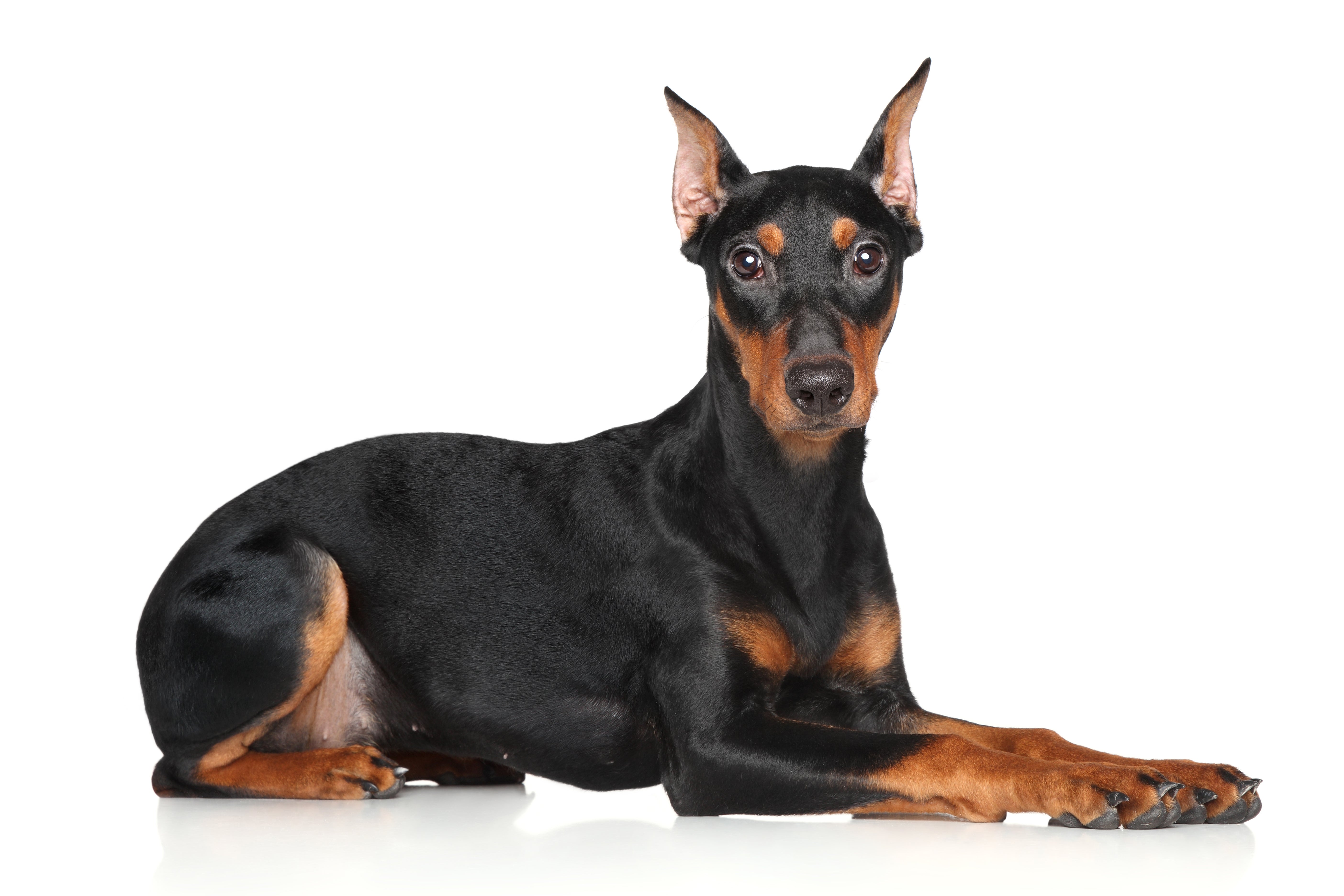
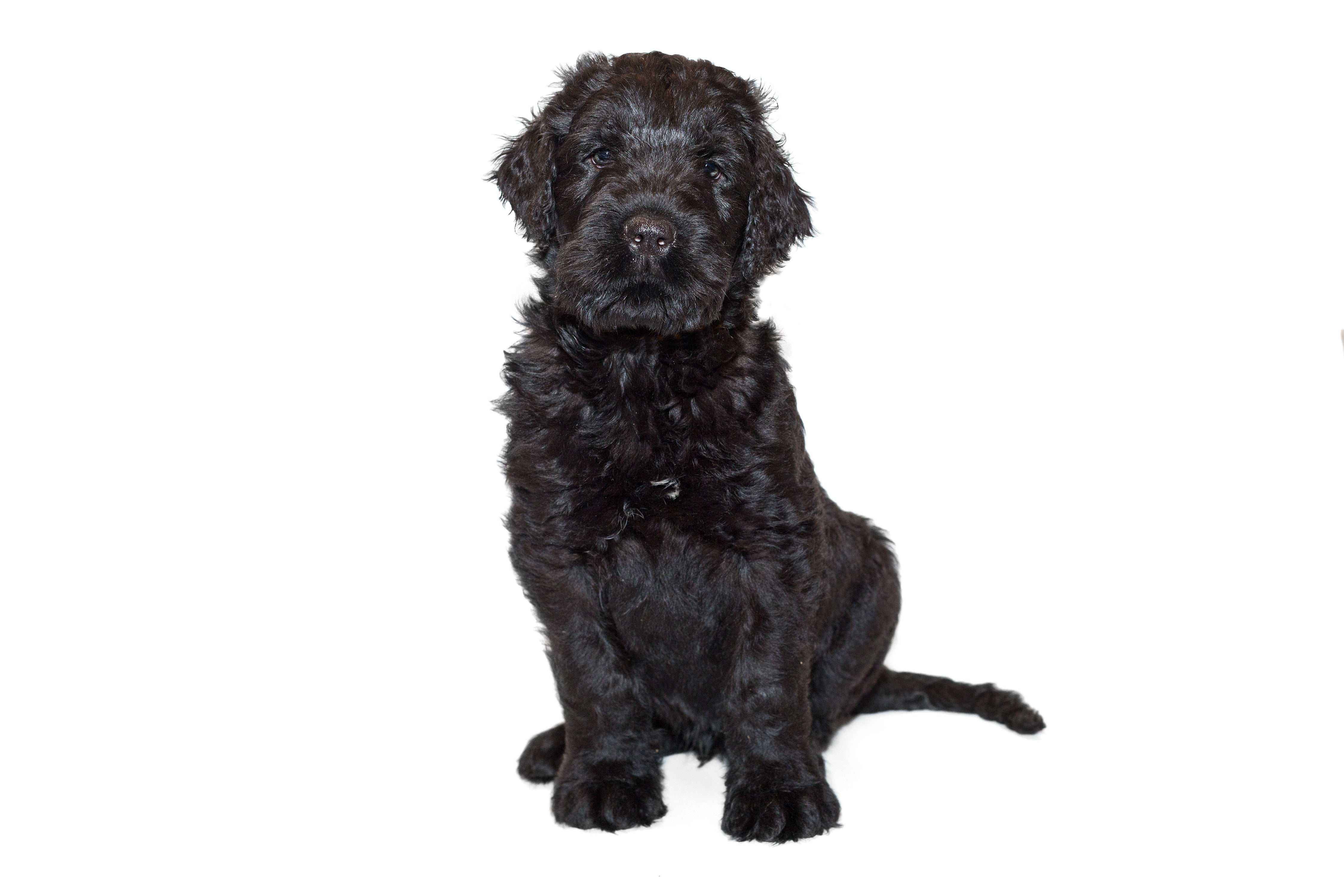
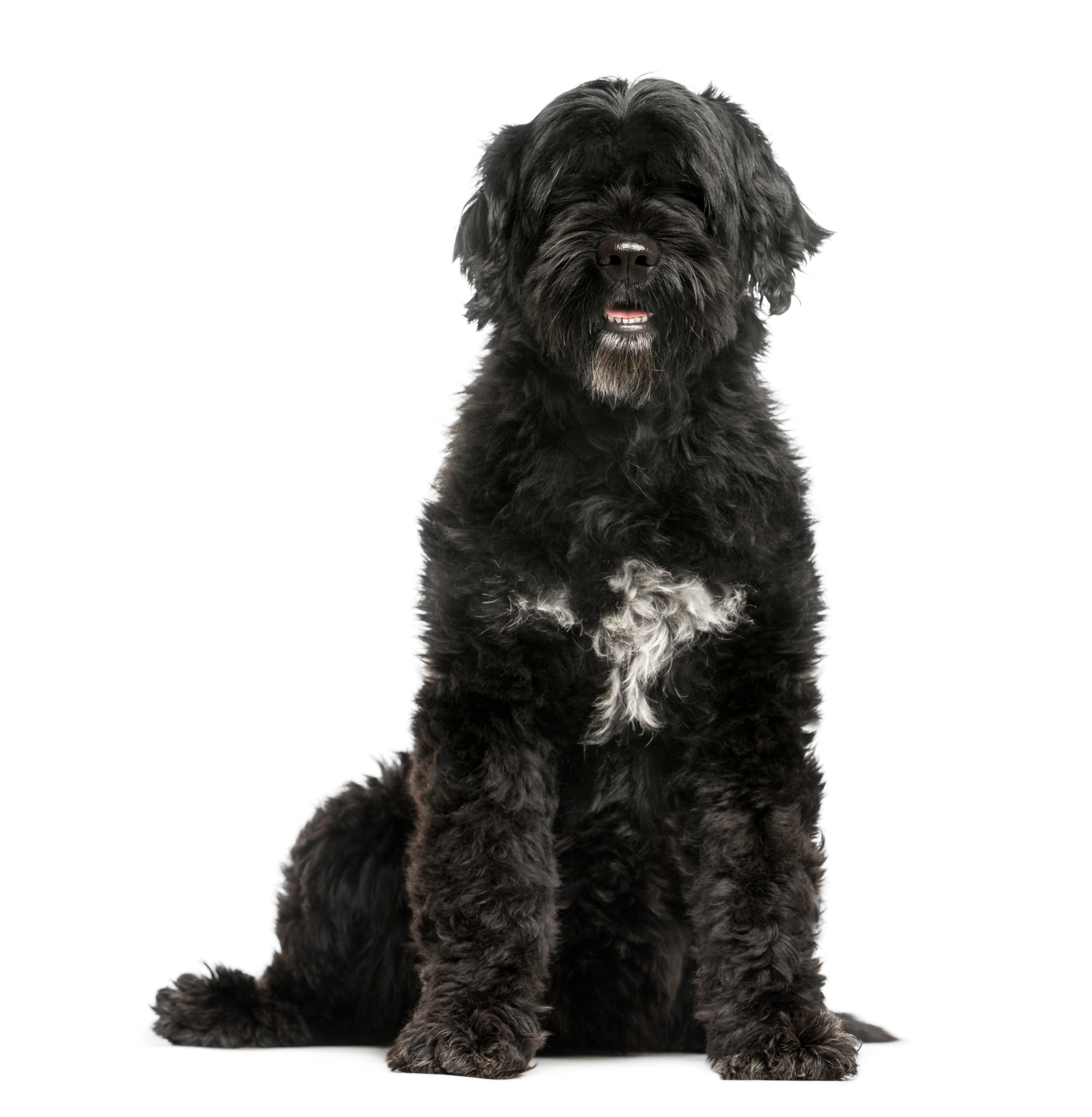
Most working dogs are on the larger size as they were bred to scare away predators, but a few smaller ones exist. These dogs share characteristics such as intelligence and loyalty with medium and large working dogs, just in a more compact size. They are agile and versatile, used to adapting as needed. A few examples include the German Pinscher, Black Russian Terrier, and Portuguese Water Dog.

Large Working Dogs

Large and giant working dogs make up the majority of the working dog breed category. These impressive dogs are elegant and majestic, ready to serve their owners. Like smaller working dog breeds, they are loyal, whip smart, and eager to please. They were used for tasks that required physical strength, such as pulling equipment, guarding property, or performing search and rescue operations.

Examples include the gentle giant Mastiff dogs. With a short coat, powerful muscles, and relentless endurance, these ancient dogs are relatively low-maintenance when it comes to grooming needs. Another large or giant popular working dog breed is the Bernese Mountain Dog. Originally bred to pull carts and guard in snowy climates, they are affectionate dogs who love family life.

Double-Coated Working Dog Breeds

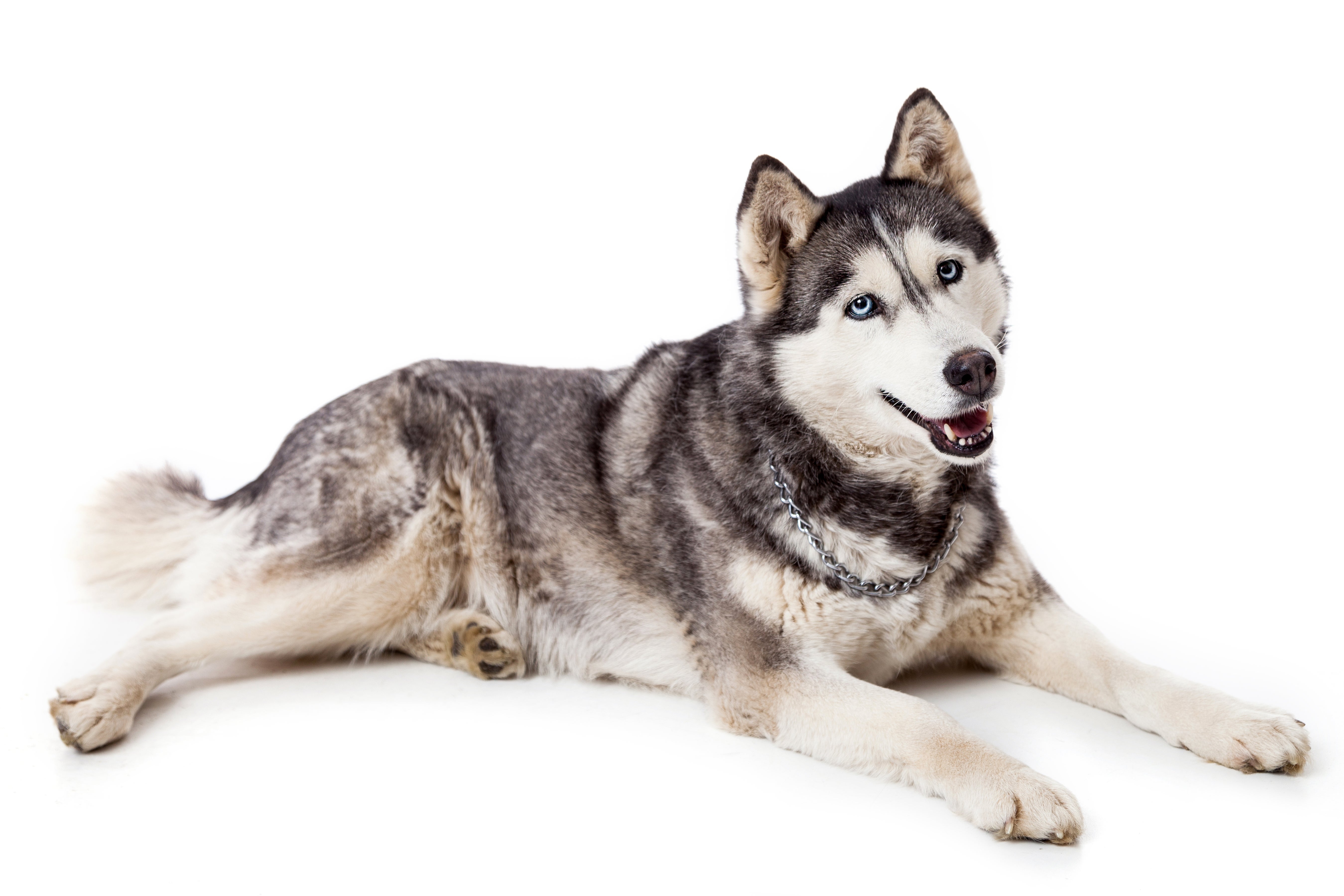
The double-coated working dog has a soft undercoat and a longer, weather-resistant outer coat. They require regular grooming to prevent matting and reduce shedding, with more brushing needed during the shedding seasons. You should be prepared with a heavy-duty vacuum for some of these breeds, such as the Siberian Husky or Alaskan Malamute.

Short-Coated Working Dog Breeds

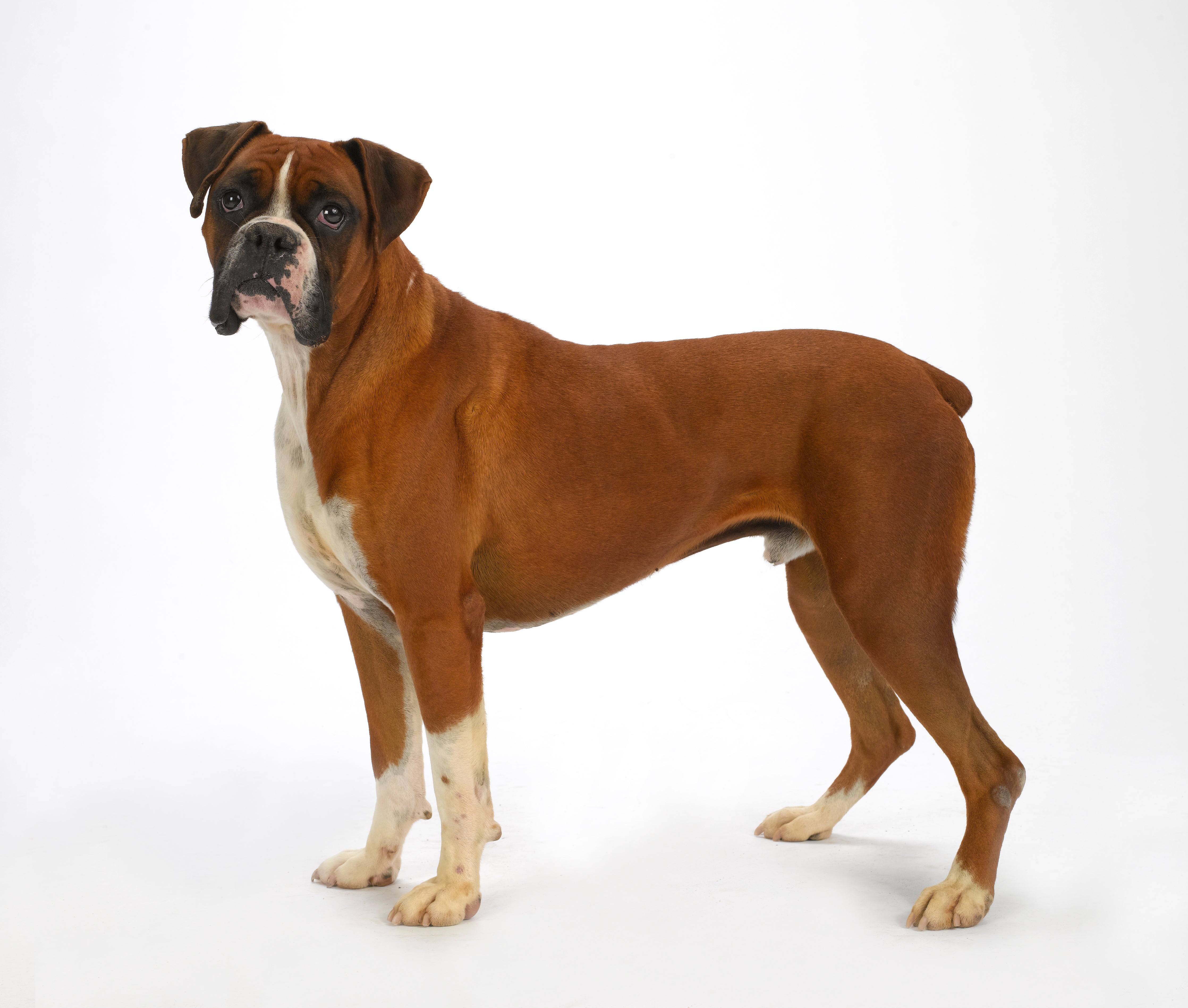
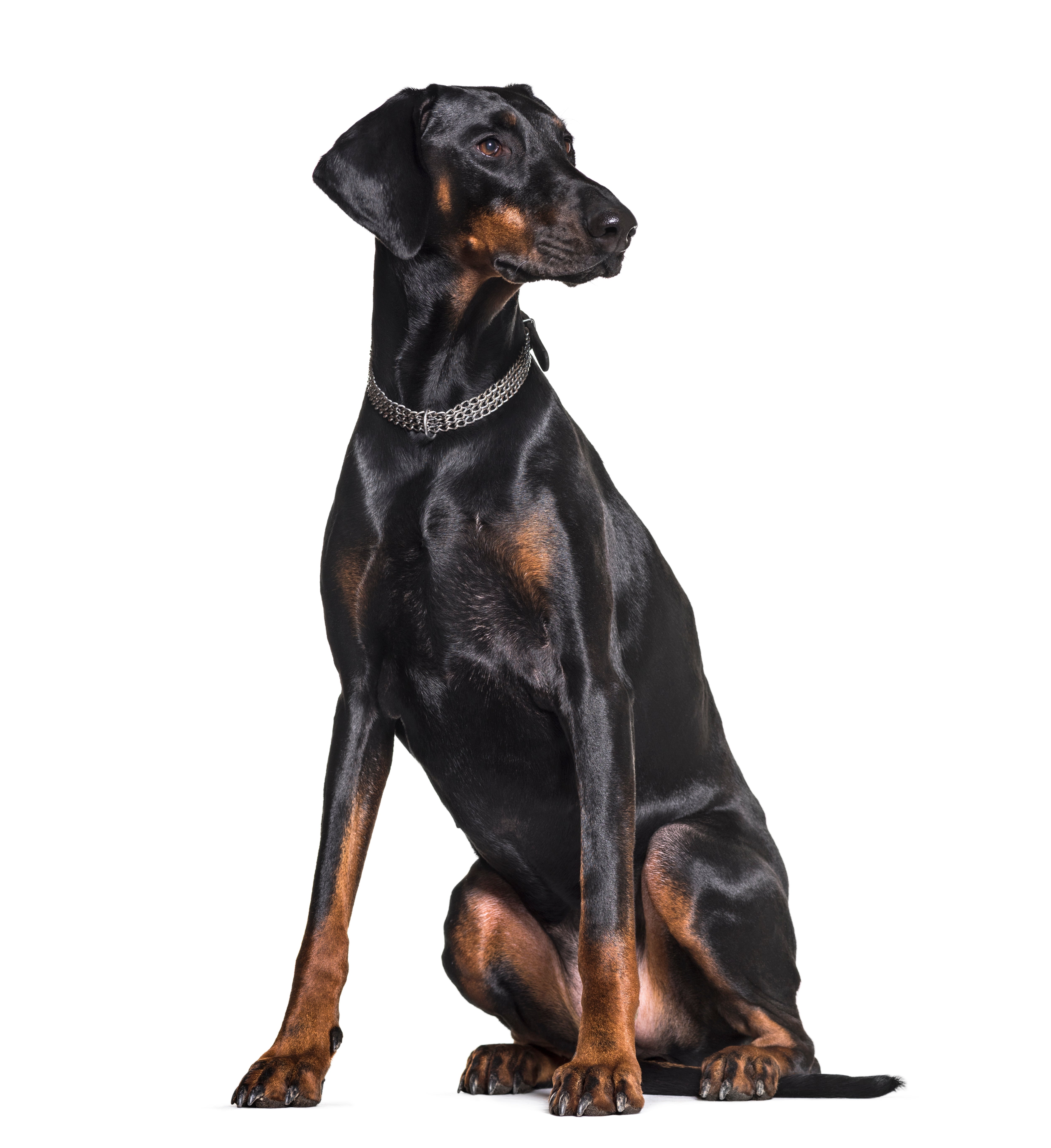
Some working dogs have short, smooth coats that lie close to their skin. These are considered more low-maintenance dogs that don’t need as much brushing or heavy-duty grooming, outside of regular nail and ear care. Examples of this include the Doberman Pinscher and Boxer, both of which have sleek, shiny, and short coats.

Long-Coated Working Dog Breeds

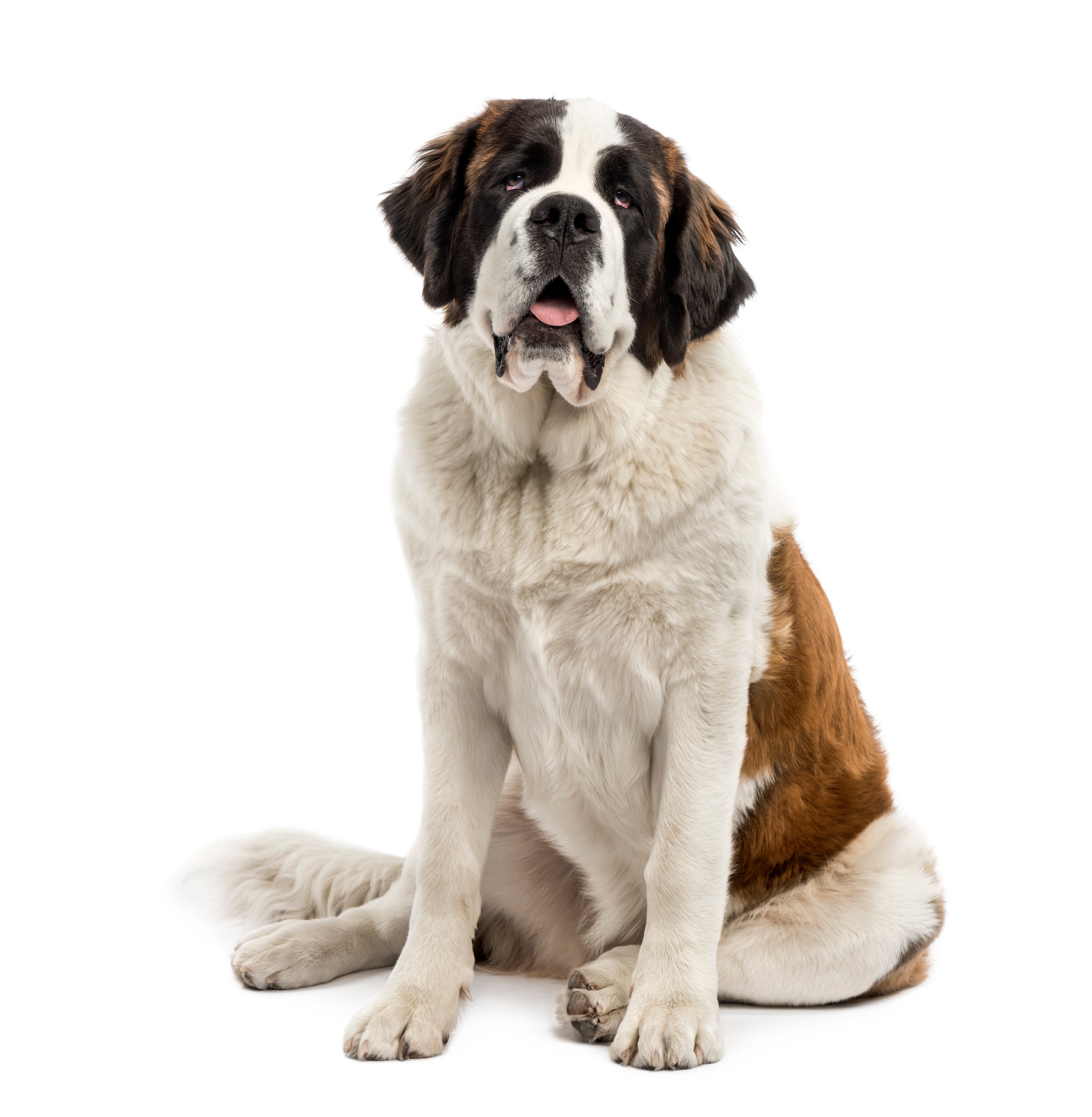
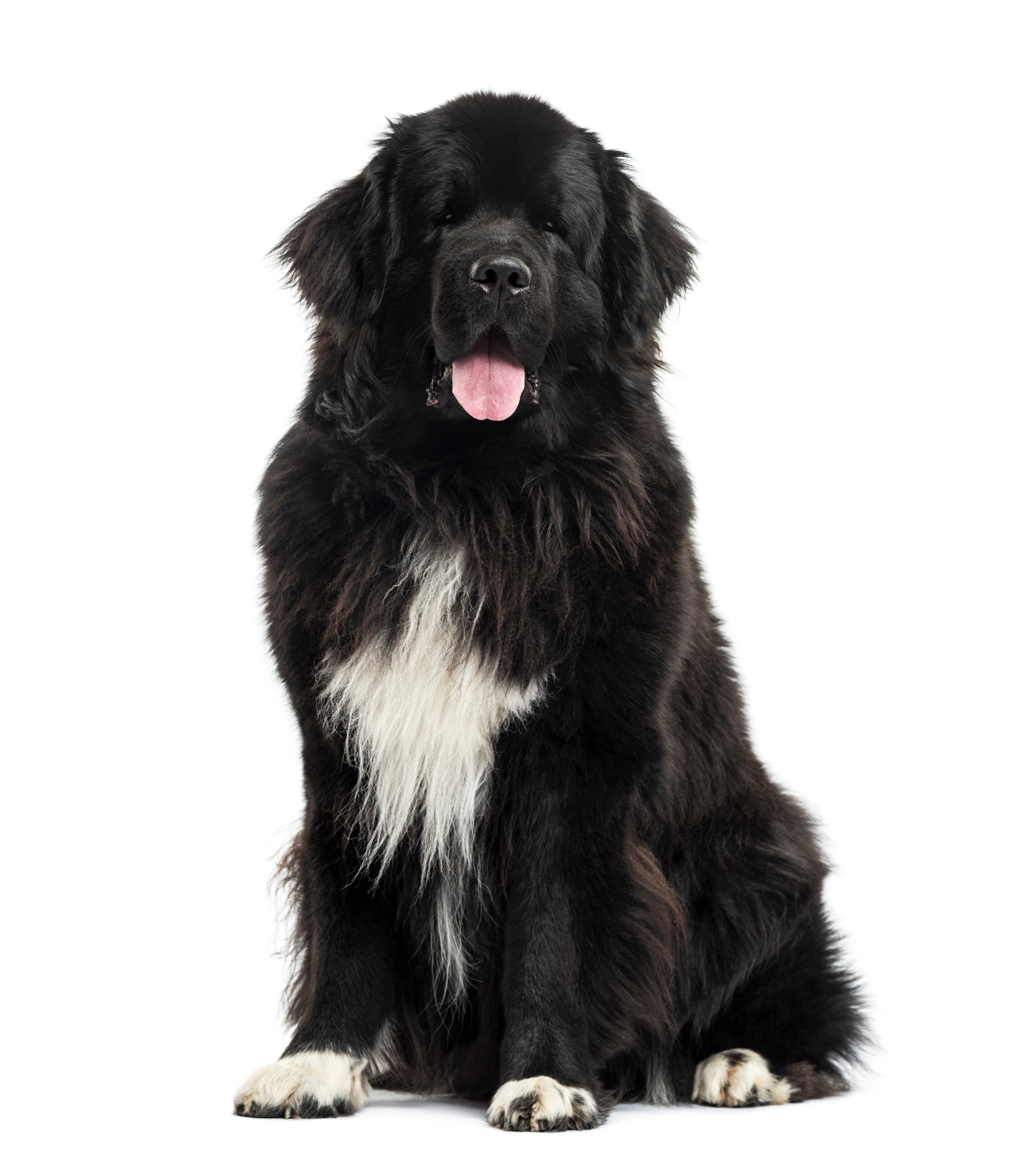
Working dog breeds with long coats have luxurious, flowy, and swoonworthy fur that is a result of their previous climates and conditions, such as the St. Bernard and Newfoundland. Both have majestic manes that require frequent grooming to prevent mats and tangles. You will need substantial space to groom these dogs, or will need to engage with a professional groomer who has experience in grooming such large breeds.

Top 25 Most Popular Working Dog Breeds

There are quite a few dog breeds in the working category. Here are some of the most popular:

  1. Boxer: Spirited, playful, and loving, the Boxer is known for being affectionate and high energy. They have smooth, short coats and a muscular build, including a broad chest. They love being outdoors with their families and have an adventurous spirit.  
  2. Doberman Pinscher: Alert and supremely smart, the Doberman is a dignified breed with natural protective instincts. Their coats are short and smooth, and they move with a natural athleticism and elegance. Bred to be guardians, they are steadfast, loyal, and devoted to their families.  
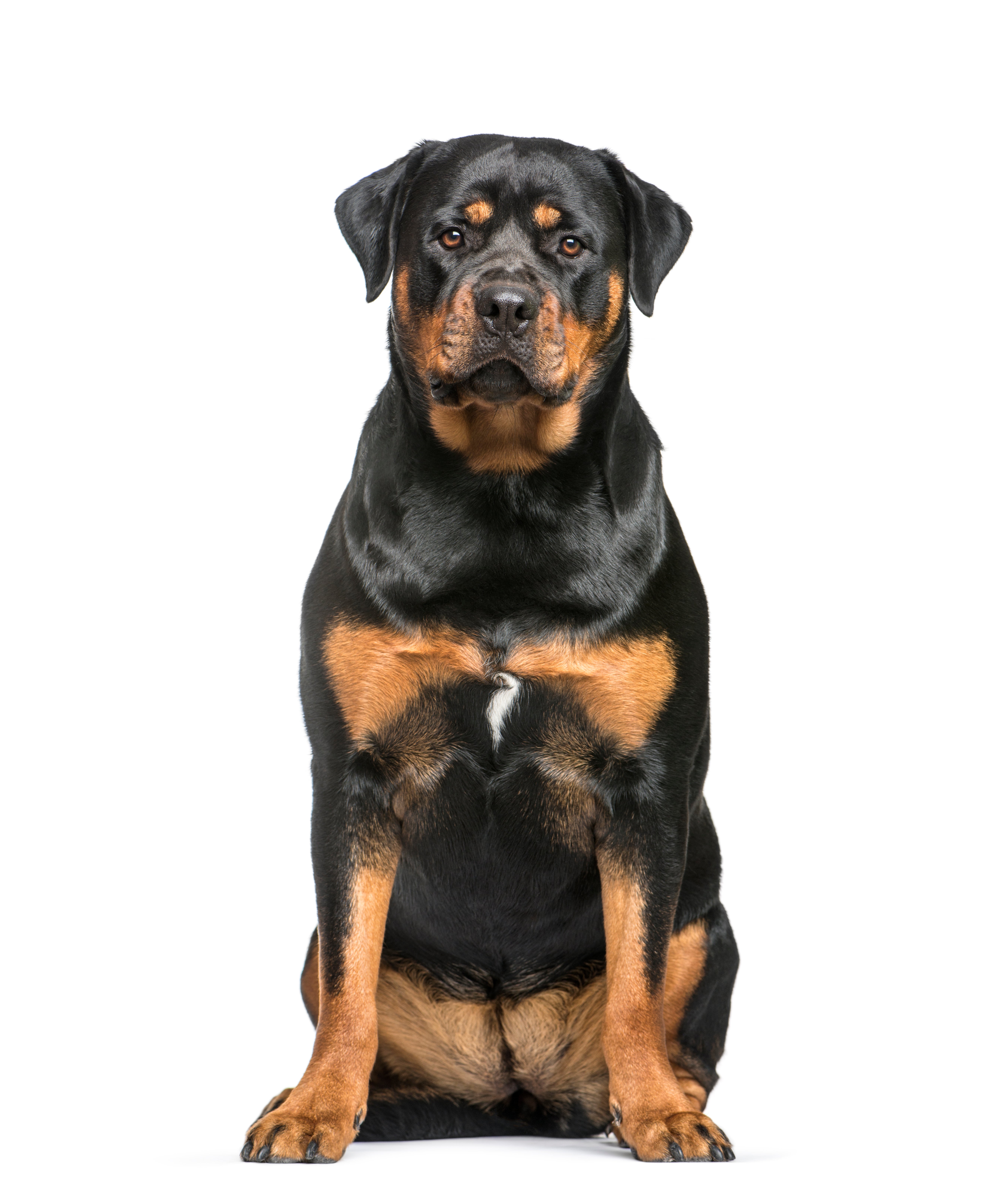
  3. Rottweiler: Confident and powerful, the Rottweiler is still used today in police and military work. They are lovable and calm in the right hands with proper training.  
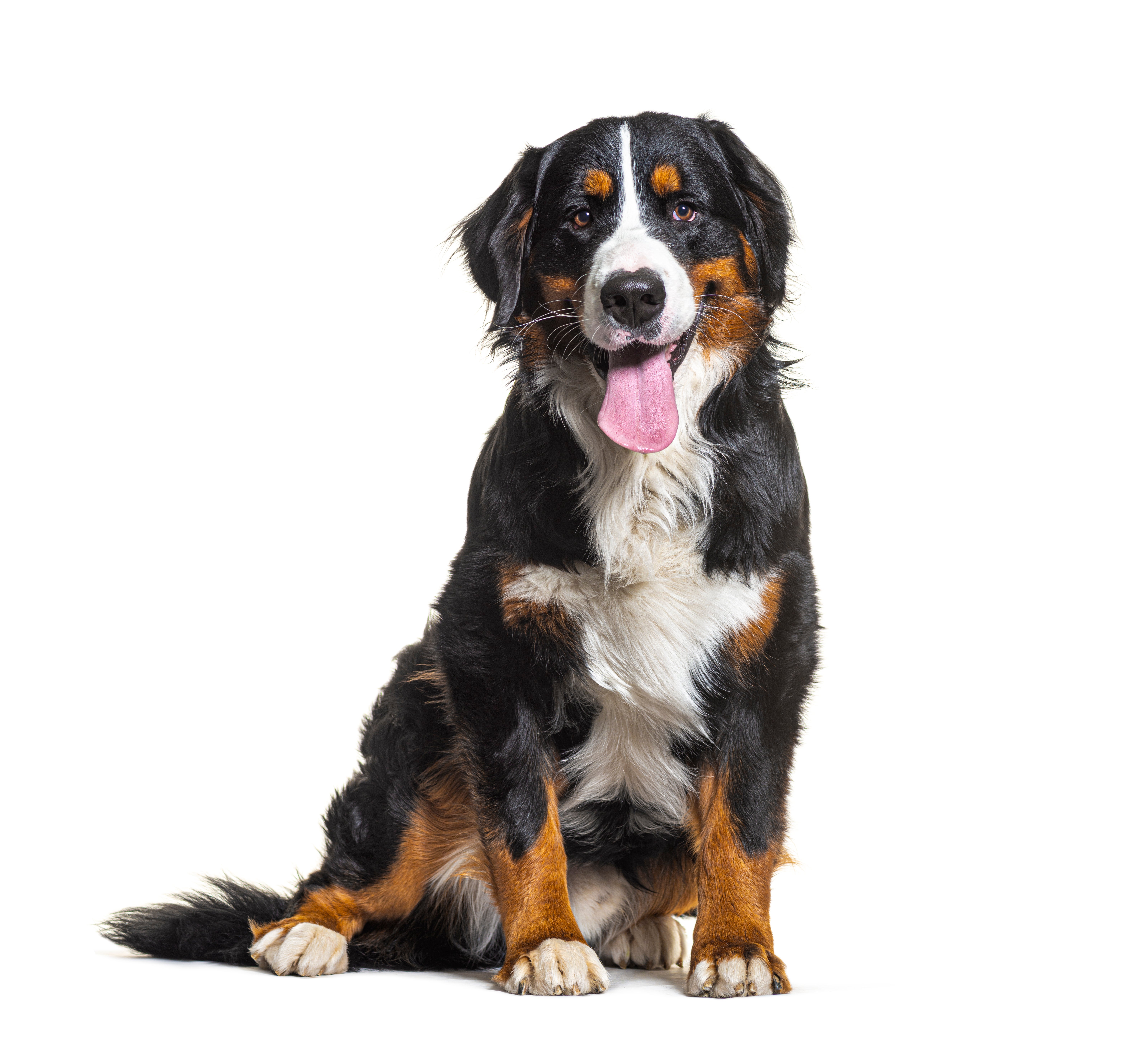
  4. Bernese Mountain Dog: A gentle giant with a beautiful tricolor coat, the Bernese Mountain Dog is known for its calm, sweet attitude. They love being a part of family life, especially one that involves lots of outdoor time. They love following their owners around like a furry, four-legged shadow. 
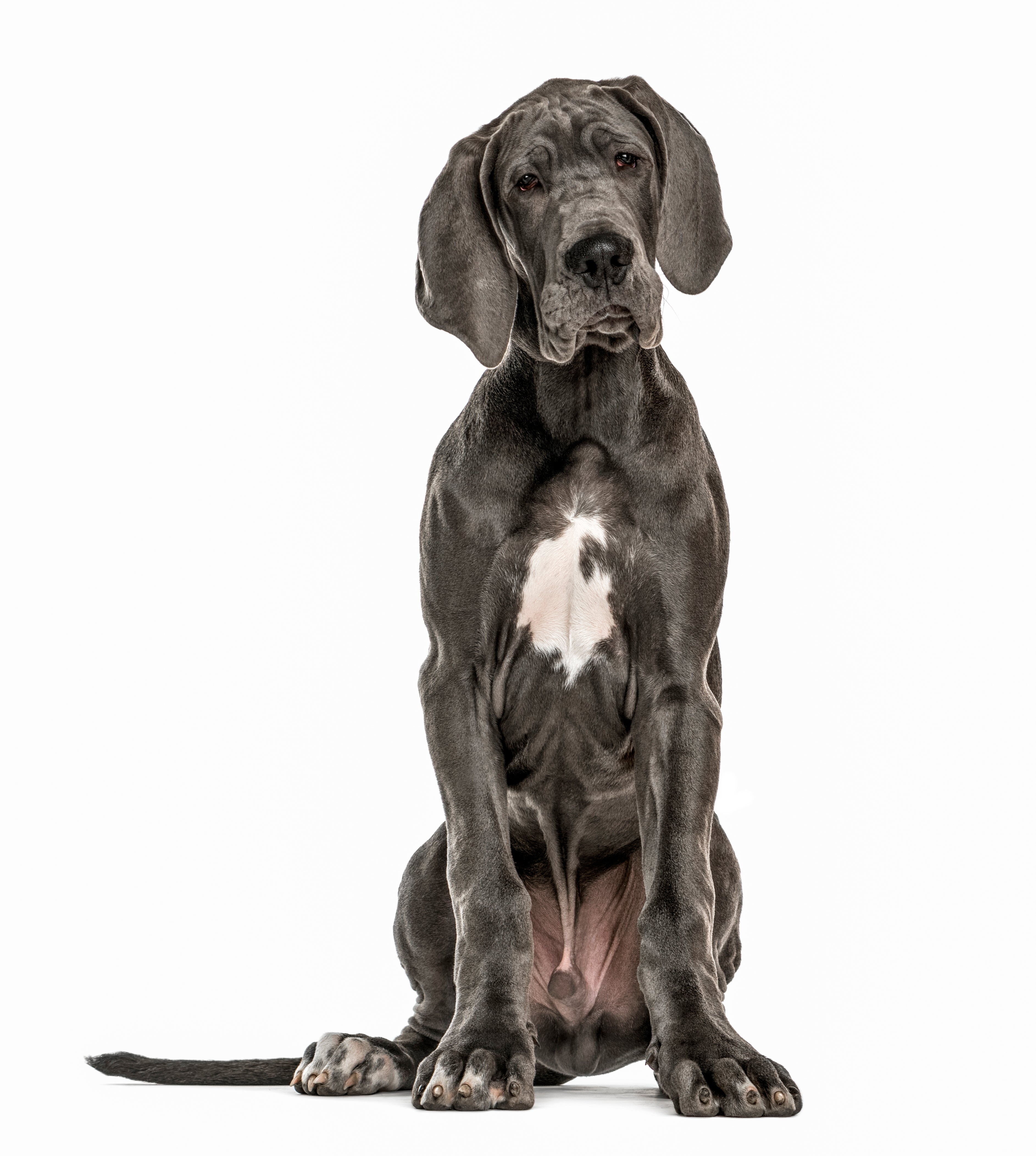
  5. Great Dane: Playful, elegant, and gentle, Great Danes are enormous working dogs that once pulled cattle. They are known as one of the largest dog breeds in the world, so you’ll need substantial space for them to roam around inside and outside. They are smart, affectionate, and sometimes goofy 
  6. St. Bernard: St. Bernards are supermodels in the dog world, representing the Alps with aplomb. They are gentle heroes who were originally bred for search and rescue missions. With hearts as big as their bodies, they are known as sweet, affectionate, and devoted companions. Give them a chance to romp in the snow and you’ll see them come alive! 
  7. Tibetan Mastiff: Smart and confident, these dogs have an air of regalness about them.  Watchful and steadfast, they are loyal dogs and have a distinctive mane of hair around their faces. 
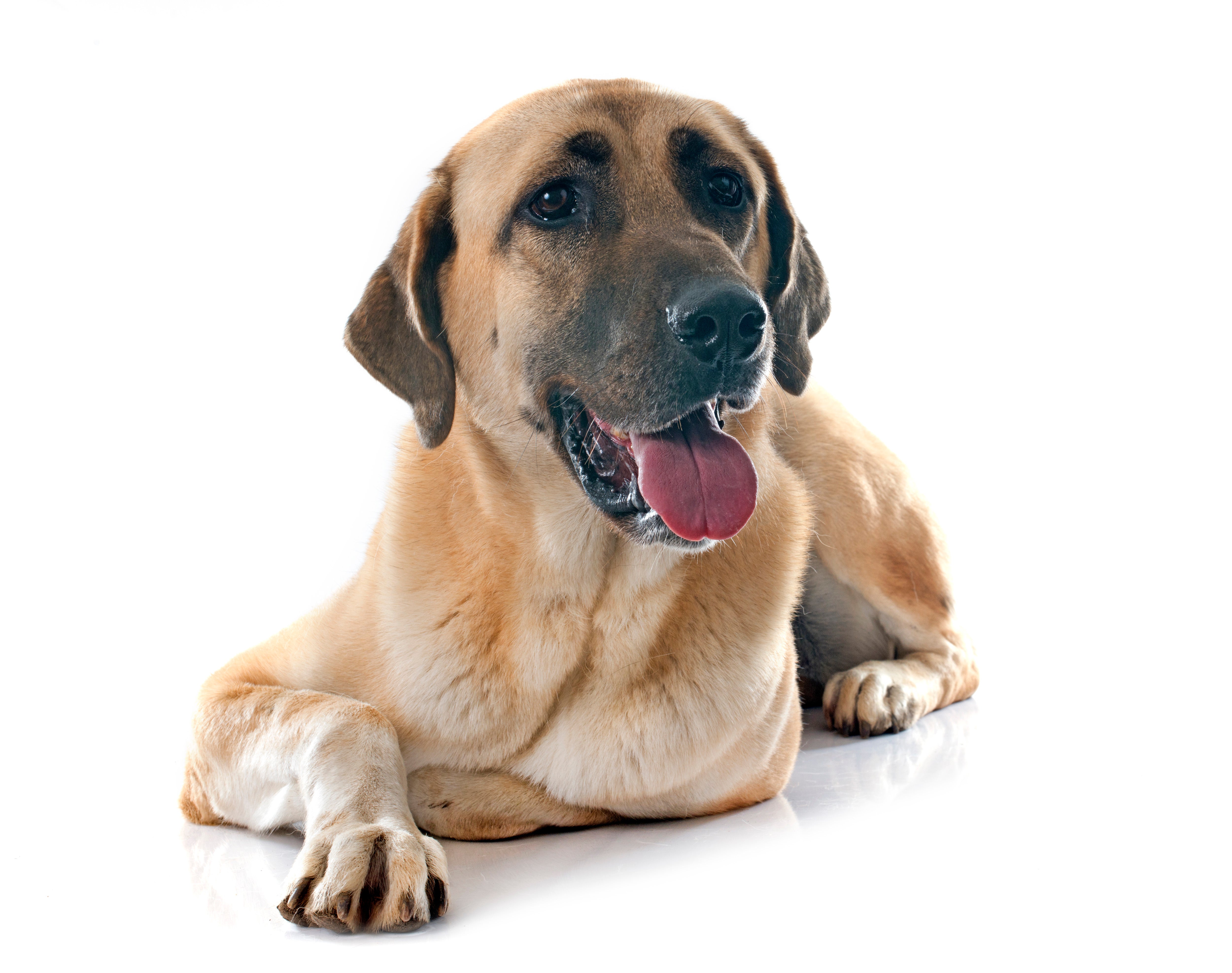
  8. Anatolian Shepherd Dog: Agile with stamina to spare, the athletic Anatolian Shepherd Dog is a strong and powerful canine that protects with a capable and calm demeanor.  
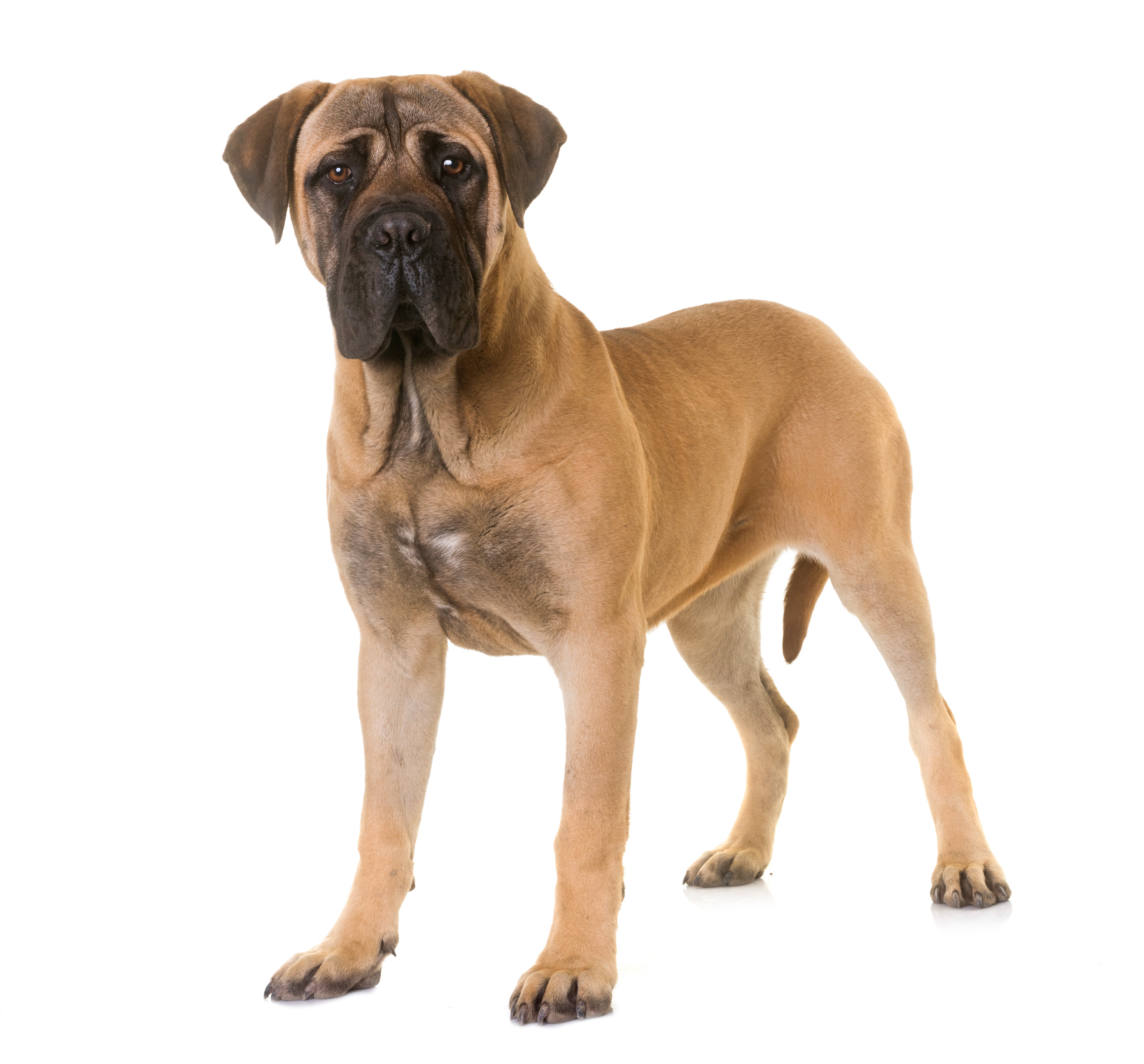
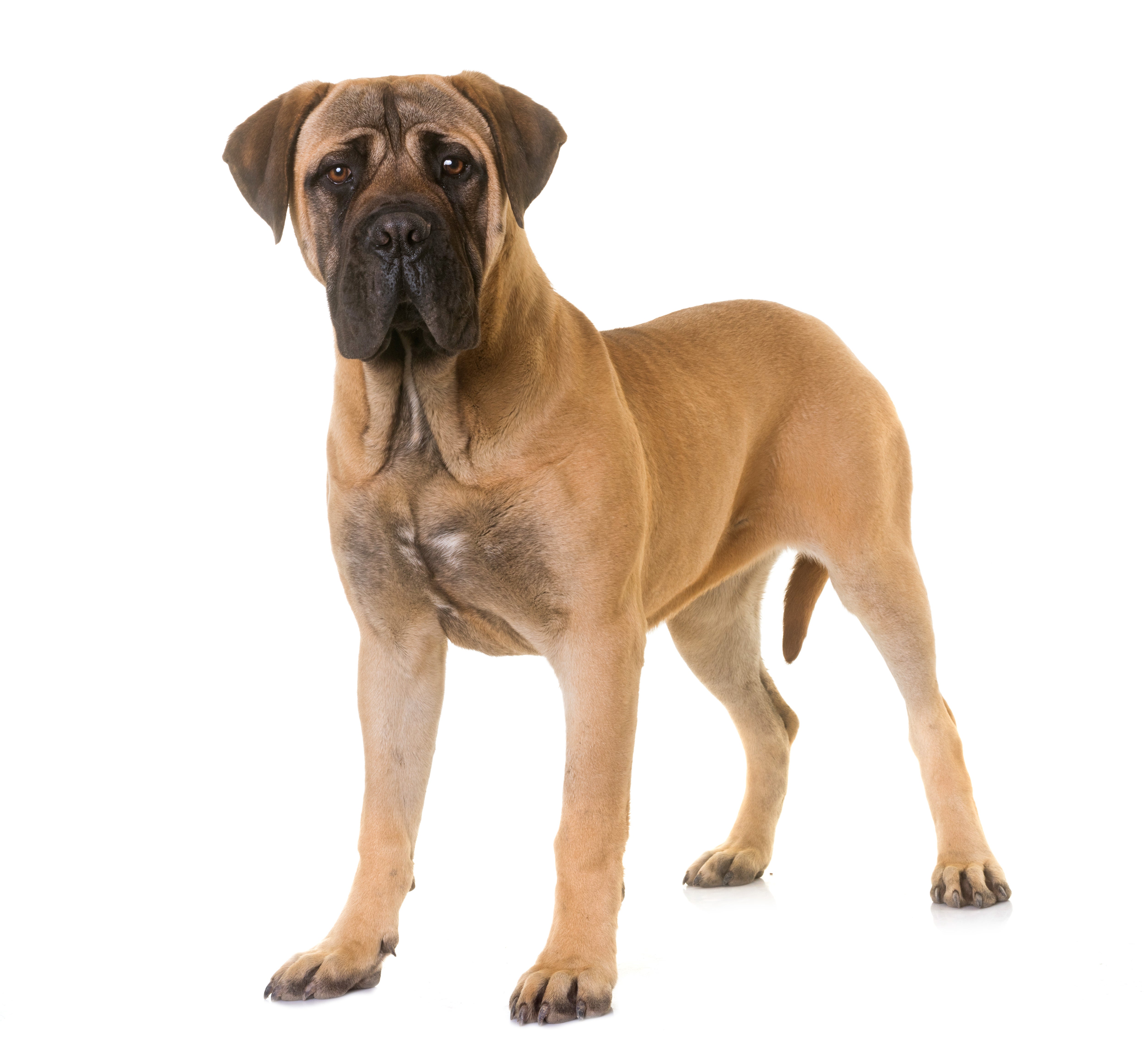
  9. Bullmastiff: These dogs are the definition of work hard, play hard. They are driven to complete tasks, but also love to flop down on the floor for a good snooze just as much. Large and powerful, they have a surprisingly softer side to them that makes them great companion pets.  
  10. Mastiff: One of the giant breeds, Mastiffs date back to the Roman Empire, where they were used alongside gladiators. Despite being huge, the dogs have a very quiet, calm demeanor. They are steadfast and warm companions, devoted to their families.  
  11. Siberian Husky: Recognizable for their pricked ears, piercing eyes, and howl, the Siberian Husky is a high-energy, sociable breed. They often have striking blue or multicolored eyes. Outgoing, friendly, and ready for action, they make great companions for outdoor lovers, especially in colder climates.   
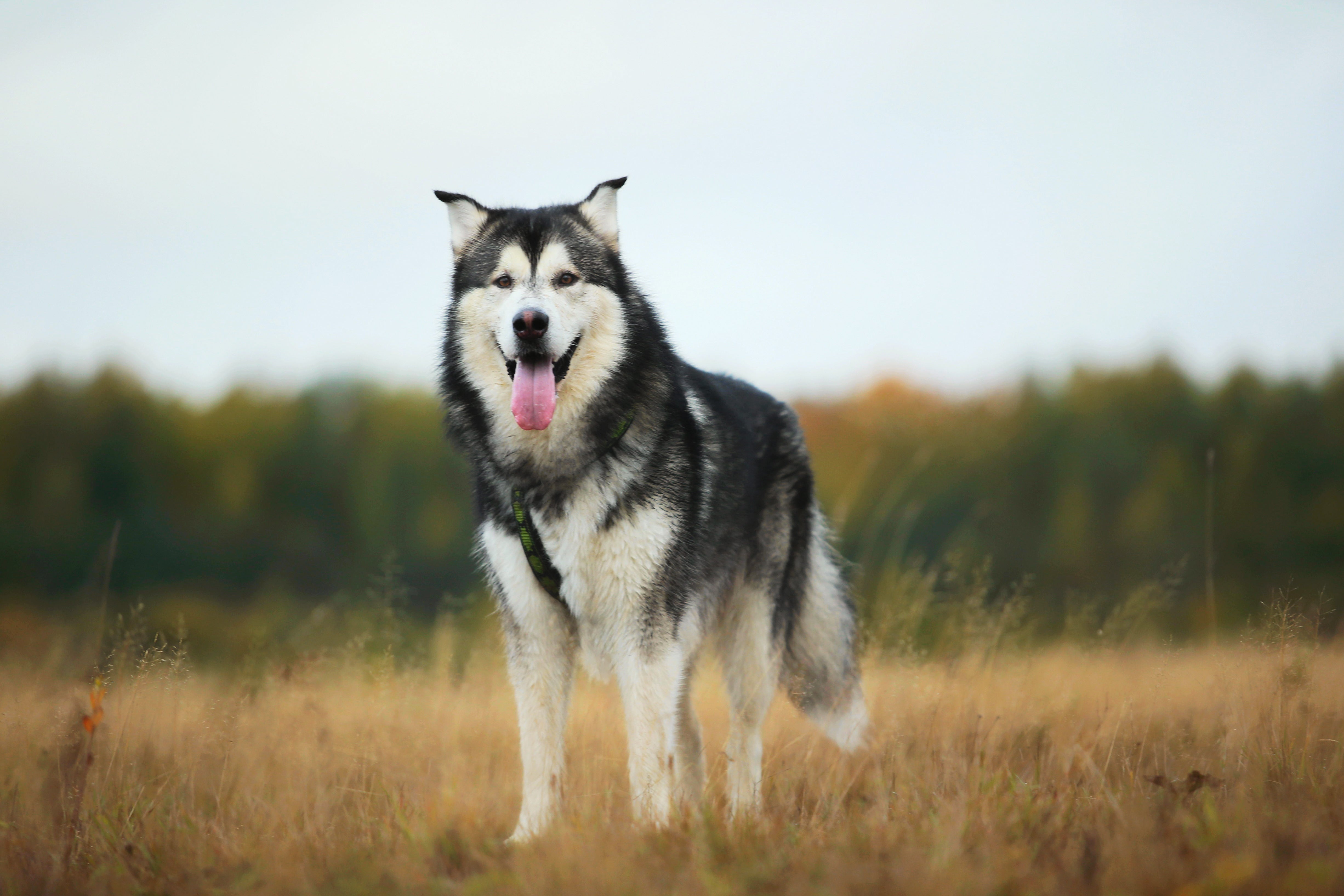
  12. Alaskan Malamute: Curled tails, thick coats, and a zest for life, these dogs would run all day if you let them. They particularly enjoy cold weather adventures and family life.  
  13. Giant Schnauzer: Wizened beards and eyebrows betray the Giant Schnauzer’s playful attitude. They are smart and lively dogs that enjoy family time, although they will keep you on your toes with their alertness. Solidly built thanks to their original purpose of protecting livestock, they love to romp.  
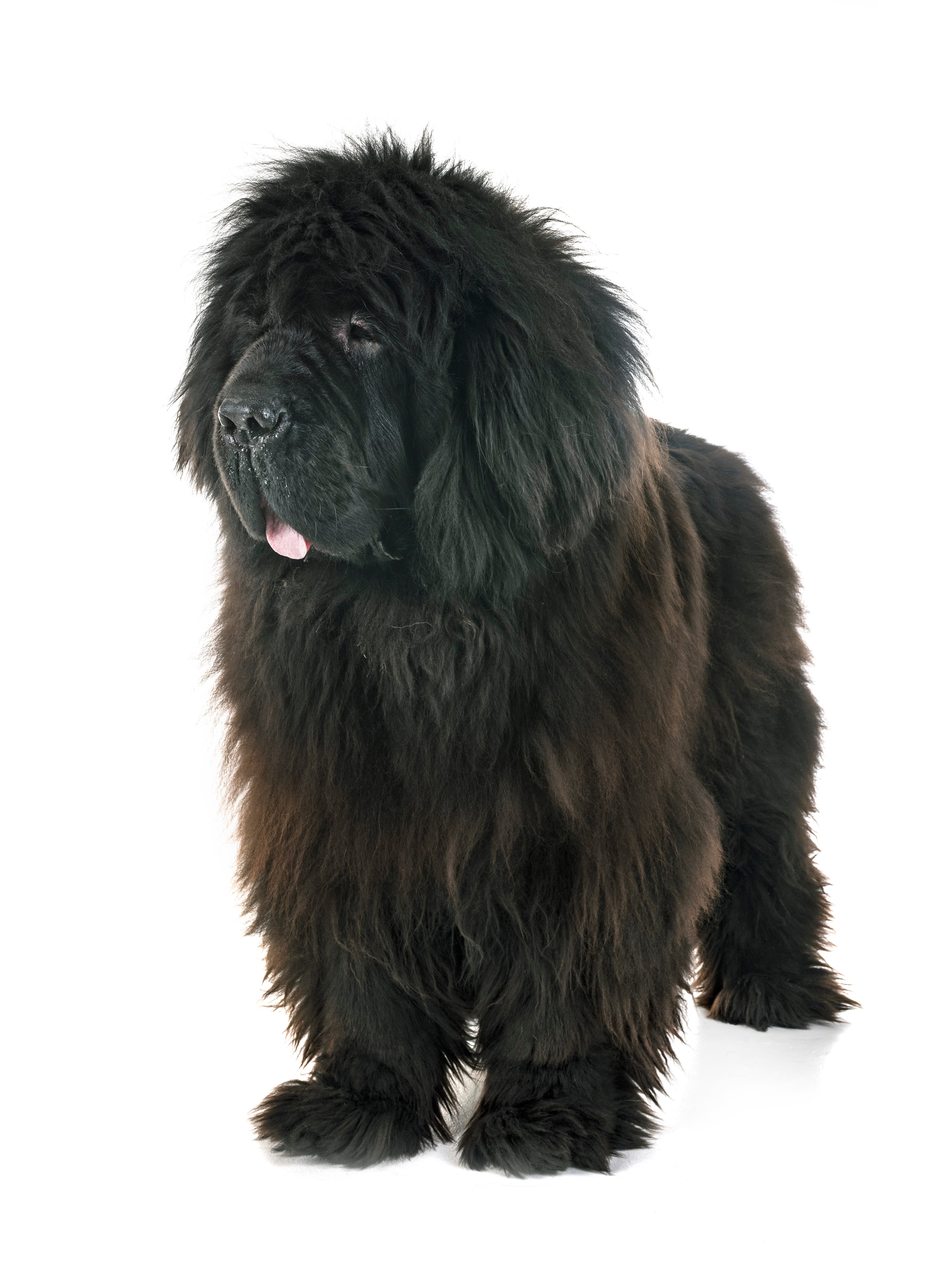
  14. Newfoundland: Dignified, sweet, and gentle, Newfoundland dogs were originally bred to help fishermen. Strong and determined, they enjoy moderate exercise and play sessions over strenuous hikes.  
  15. Portuguese Water Dog: Outgoing and clever, these dogs are simply obsessed with water as they are water retrievers. If you can combine water time with a play session, they’ll be as happy as can be! They are closely related to the Poodle and have a similar energy and coat.  
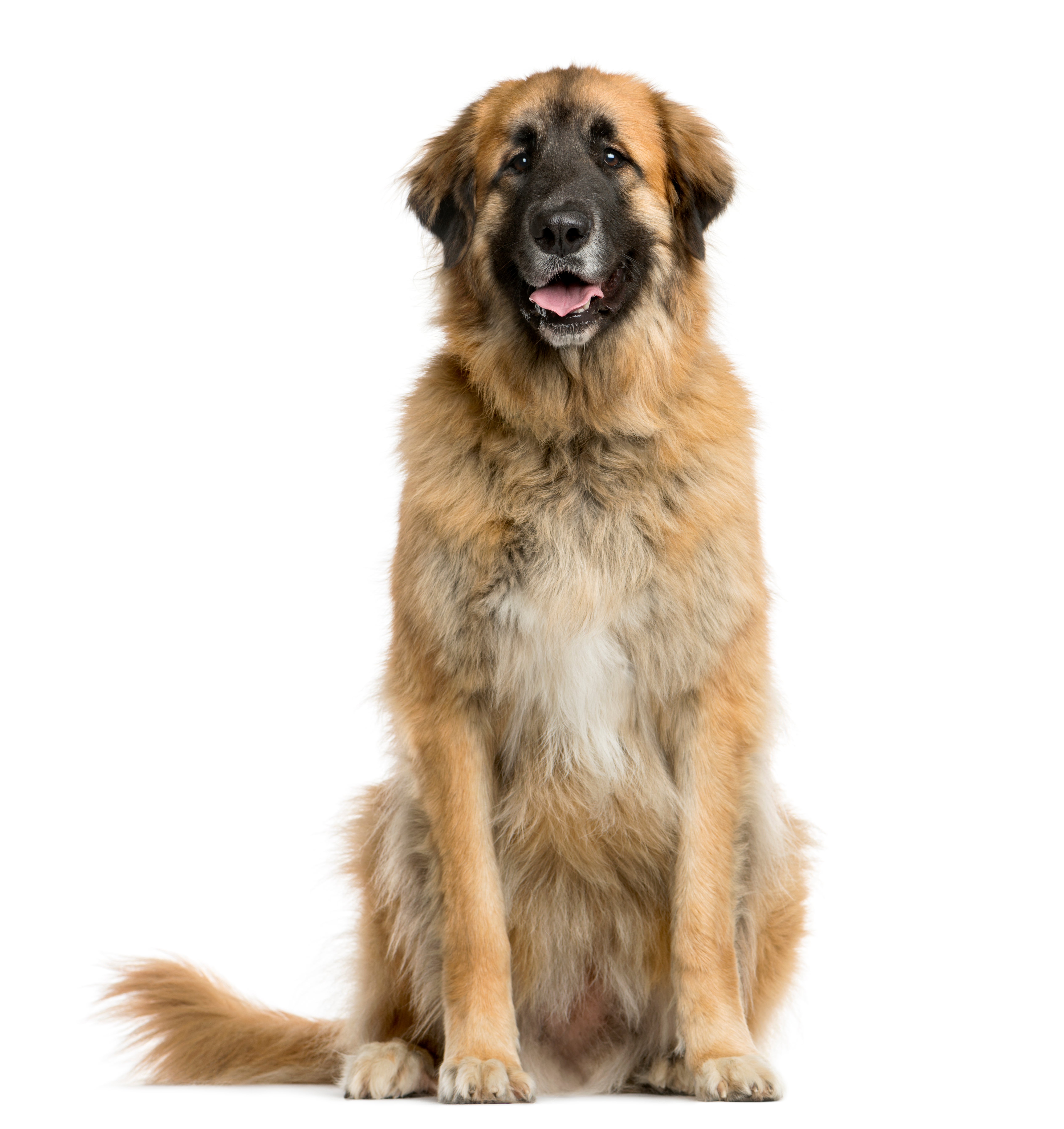
  16. Leonberger: The Leonberger looks like a lion with a flowing mane of hair around their large head. They have webbed feet, which makes them excellent swimmers. Strong and able, they were originally bred to be farmhands.  
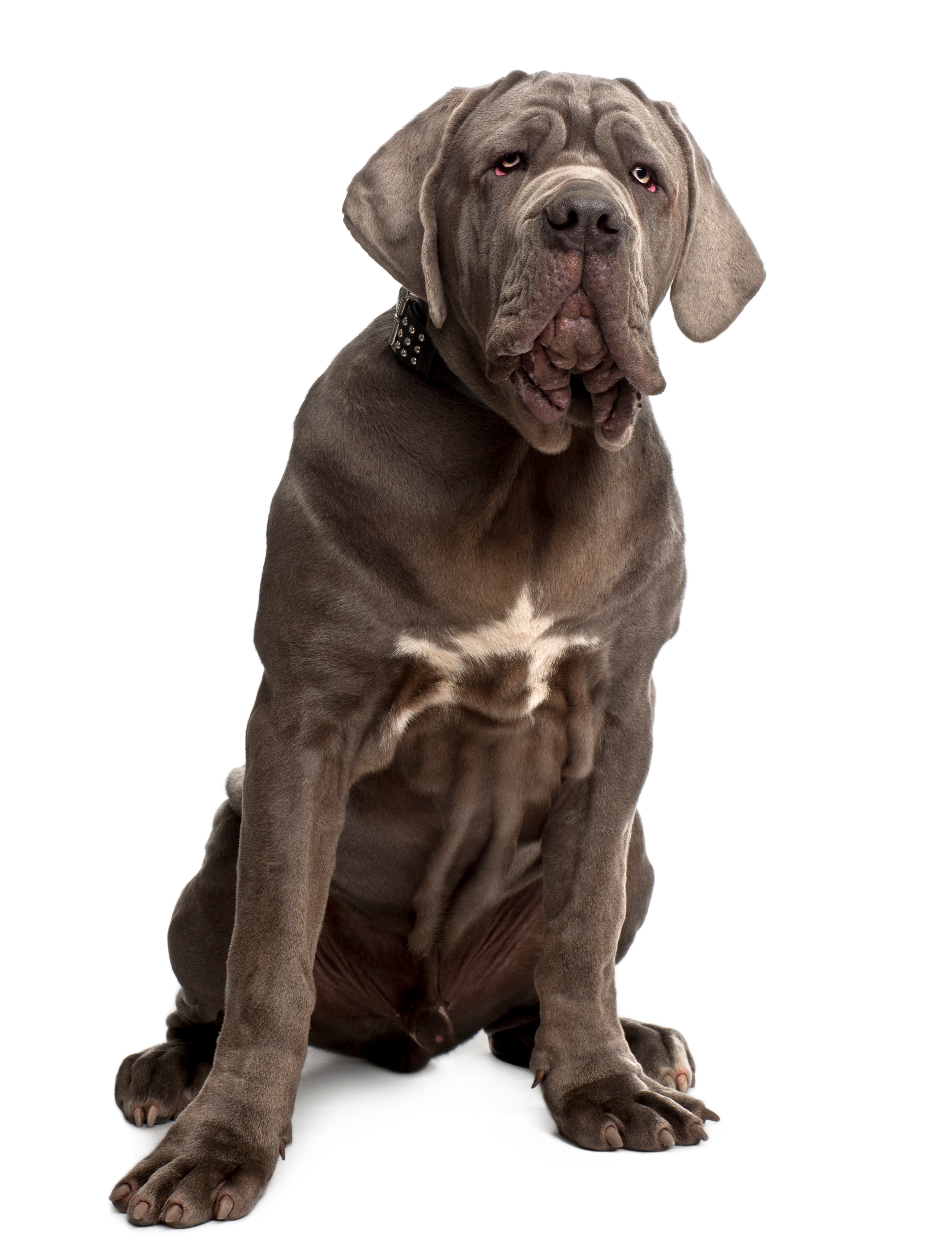
  17. Neapolitan Mastiff: Adorably wrinkly and huge, the Neapolitan Mastiff can be intimidating until you know just how sweet these dogs can be in the right hands. They were originally bred as Roman Empire guardians, but are now more inclined to spend time at home flopped in front of the fireplace than out doing battle.  
  18. Greater Swiss Mountain Dog: These former guard dogs have a tricolored coat and gentle, yet animated demeanor. They are easygoing and do well with owners who can train them patiently, as they mature more slowly than other dog breeds.  
  19. Bouvier des Flandres: At one time, these French dogs were cattle herders. They’ve kept some of that fearlessness, but it’s mixed in with a calm and well-mannered demeanor. Confident and eager to please, they can be reserved around strangers but are absolutely devoted to their families.   
  20. Black Rssian Terrier: Assertive and confident, these dogs are prized for their loyalty and courage. They form very strong bonds with their families and can grow as large as 130 pounds, so it’s important to make sure you have proper space inside and out to make them comfortable.  
  21. Dogue de Bordeaux: Also known as the French Mastiff, the Dogue de Bordeaux is a giant working dog with a sensitivity that betrays its size.  
  22. Entlebucher Mountain Dog: Nimble and tireless, these dogs were once used as farmhands. They are independent thinkers who can sometimes have a stubborn streak. They are one of the four Swiss mountain dog breeds that are descended from Roman dogs that can be traced back over 2,000 years.  
  23. Hovawart: While they were bred to protect, the Hovawart excels at just about any job they are asked to do. Calm and kind, they enjoy physical activity with their owners. Owners shouldn’t mind mud and drool, though—they’re not the neatest dogs, but they make up for that with sweet and loving personalities.  
  24. Pyrenean Mastiff: A Spanish guard dog, the Pyrenean Mastiff was originally bred to herd livestock. They have been around since the Middle Ages and can reach upwards of 150 pounds.  
  25. Canadian Eskimo Dog: Determined, robust, and strong, these dogs are resilient and tough. They are thrill-seekers, loving nothing more than to go on an icy run with their owners. They are similar to Greenland Dogs.

How to Choose a Working Dog, and is This Breed Right for You?

A lot of factors go into choosing a dog, especially a working dog breed, as many have high physical and mental stimulation needs. Here’s what to consider.

Grooming

Grooming a working dog depends on the size and coat style. Some, like the Boxer, have short coats that don’t need a lot of maintenance outside of regular brushing. Others, like an Alaskan Malamute, have thicker, double coats and have more intense grooming needs, especially during shedding seasons. Grooming can be a bonding opportunity for working dog breeds, and some might need quite a bit of your time, not to mention physical space!

Exercise

Working dogs were historically bred to perform a variety of tasks. Those vary from protecting homes and farms to doing labor-intensive tasks like pulling carts. Generally speaking, working dog breeds need a good amount of exercise to tucker out their high energy levels and keep them from becoming bored and destructive. Breeds like Siberian Huskies might need intense activity as they were bred to run all day, while others like Mastiffs can get by with moderate exercise. 

Training

Thanks to their intelligence, working dog breeds can be independent thinkers who aren’t afraid to stare you down in a game of mental chicken. They can be strong-willed, especially if there’s a task they feel they have to complete, whether you want them to or not. Confident yet sensitive, they do best with positive reinforcement training that is reward- and praise-based.

Noise 

Centuries as guard dogs have made some working dog breeds vocal, as their job in a former life was to alert their owners to anything suspicious. Most working dog breeds retain these instincts to guard and protect, so it’s worth investing time in training them to be good citizens of the world. They’ll need an outlet to channel their hard-wired behaviors. Many working dog breeds excel in obedience training, agility, and dog sports.

Bonding With Your Working Dog

Dogs, even ones with a history of working hard, love bonding with their families. Here’s what you need to know about working dog breeds’ personalities, social skills, and affection. 

Personality

There’s a wide variety of personalities throughout the working dog breed group, but most are alert, protective, strong, and confident dogs. They might be more reserved with strangers, or they might be incredibly friendly upon first meeting. They are devoted and loyal to their families, and their dignified demeanors give them an air of elegance, no matter how energetic the breed is.

Sociability 

Working dog breeds have been intertwined with family life for a long time, as they were initially bred to protect people and property. Depending on the breed, they can be highly social, even if they seem reserved at first. For example, Boxers are known to be friendly and happy-go-lucky dogs, perfect for family life. No matter the working dog breed, lots of time spent around other dogs to build up confidence will pay off. 

Affection 

While they might come off as serious and steadfast, working dogs can also be deeply affectionate. They can be loving and nurturing, such as the Bernese Mountain Dog, and thrive on human relationships. While families today might not rely on them as much as they once did in the past, they still play pivotal roles as earnest companions.

Conclusion

The ideal owner of a working dog breed such as the Newfoundland or Portuguese Water Dog is someone who can honor the dog’s instincts, train them well, and involve them in family life. Their mental and physical stimulation needs are often high because of their intelligence, but they will return the favor with unbridled devotion and affection for their families.

To start your dog search off right, head to our adopter quiz to narrow down the right working dog breeds for you. Ready to search for working dog breeds? Go to our dog adoption page to get started. If you’re looking to adopt for the first time, start the relationship on the right paw by referring to our dog adoption checklist and our guide to preparing your home for a new dog. Then comes the fun part—picking out your dog’s name!

For more expert tips and information on other dog breeds, explore additional dog and puppy breed group articles.


25 Dog or Puppy Breeds