Utility Dog Breeds: A Diverse Group of Unique Companions

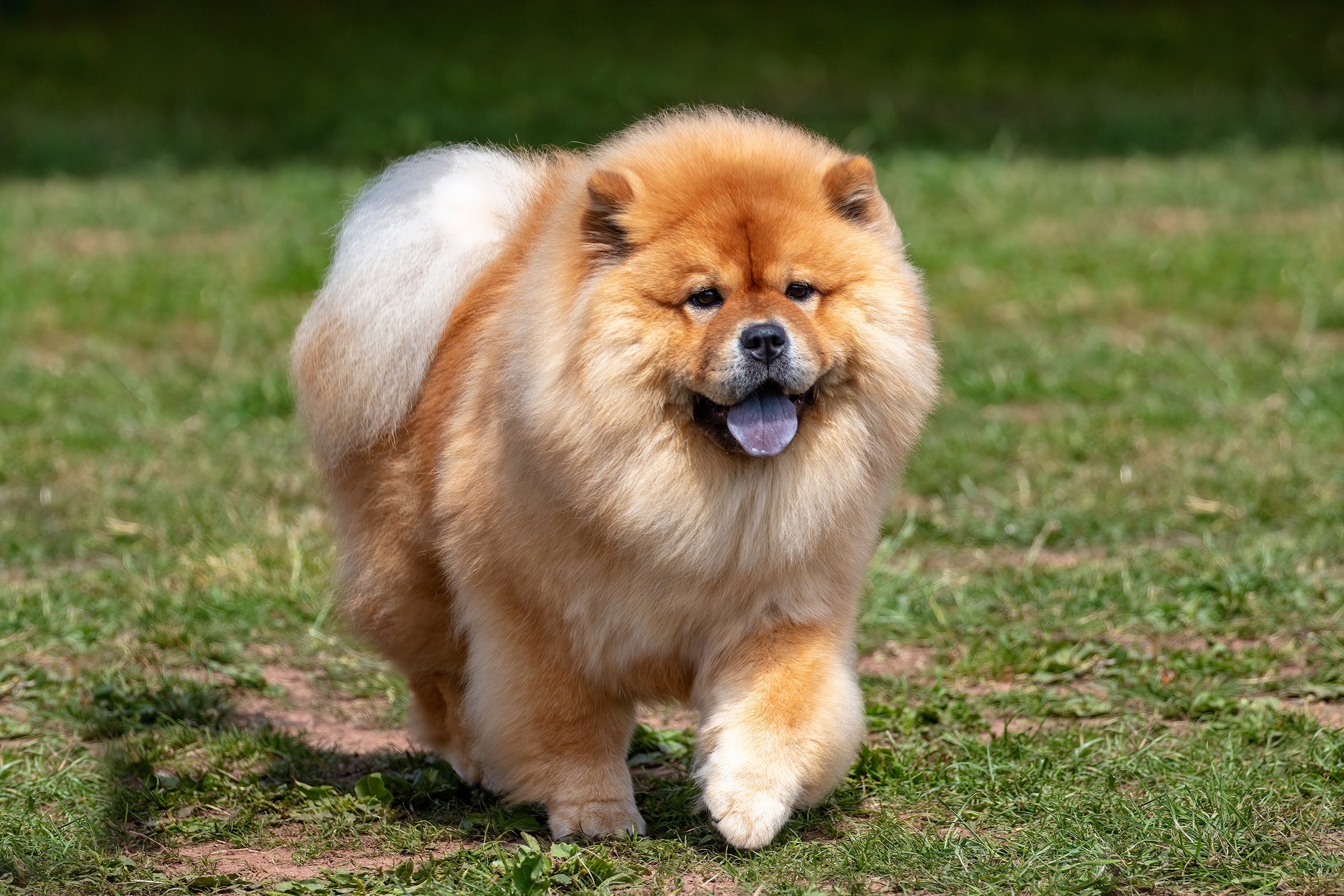
Utility dog, chow chow breed, running in grassy field

Note: While the breeds in this collection tend to be utility dogs, individual pets will vary. Please consult the adoption organization for details on a specific pet.

Utility breeds are a fascinating and varied group within the American Kennel Club’s (AKC) seven major breed groups. Because these breeds don’t fit perfectly into traditional classifications, they’re grouped as miscellaneous. This wonderful group includes dogs that shine in companionship, work and special tasks, making them truly special!

Learning about each utility breed can help you understand their unique traits, behaviors and needs. The more you know about these fantastic dogs, the more rewarding your journey together will be! This knowledge can ensure you find a dog that fits your lifestyle and abilities perfectly, helping you build a joyful and fulfilling bond. Here’s more information about utility dog breeds to help you get started! 

What is a Utility Dog?

The utility dog group is home to all the dog breeds that don’t fit into the traditional categories! These fantastic pups are often ultra-specialists, having developed uniquely in specific areas or for unique jobs. Again, since they don’t have standard breed characteristics, owners need to learn about their unique roles to understand what living with these dogs will be like. Utility dog breeds can play various roles, such as guiding carriages, fire trucks and duck hunts, assisting barge captains or simply being wonderful companions. Each one has a unique charm and purpose!

Utility Dog Breed Sizes

Utility dogs originate from diverse regions around the globe, showcasing an amazing array of shapes and sizes, ranging from petite companions to large working breeds. Their distinctive coat types vary greatly, with textures that can be silky, wiry, fluffy or short, each contributing to their unique character and charm. This remarkable variety not only makes each dog special but also highlights their adaptability to different roles and environments, from loyal service partners to playful family pets.

Types of Utility Breeds

As utility dog breeds vary widely in shape, size and purpose, this list highlights some of the most popular breeds, along with their distinctive traits and characteristics. Each breed has unique qualities that make them suited for various roles, from working alongside humans to excelling in specific tasks. Explore these remarkable breeds and discover what sets them apart.

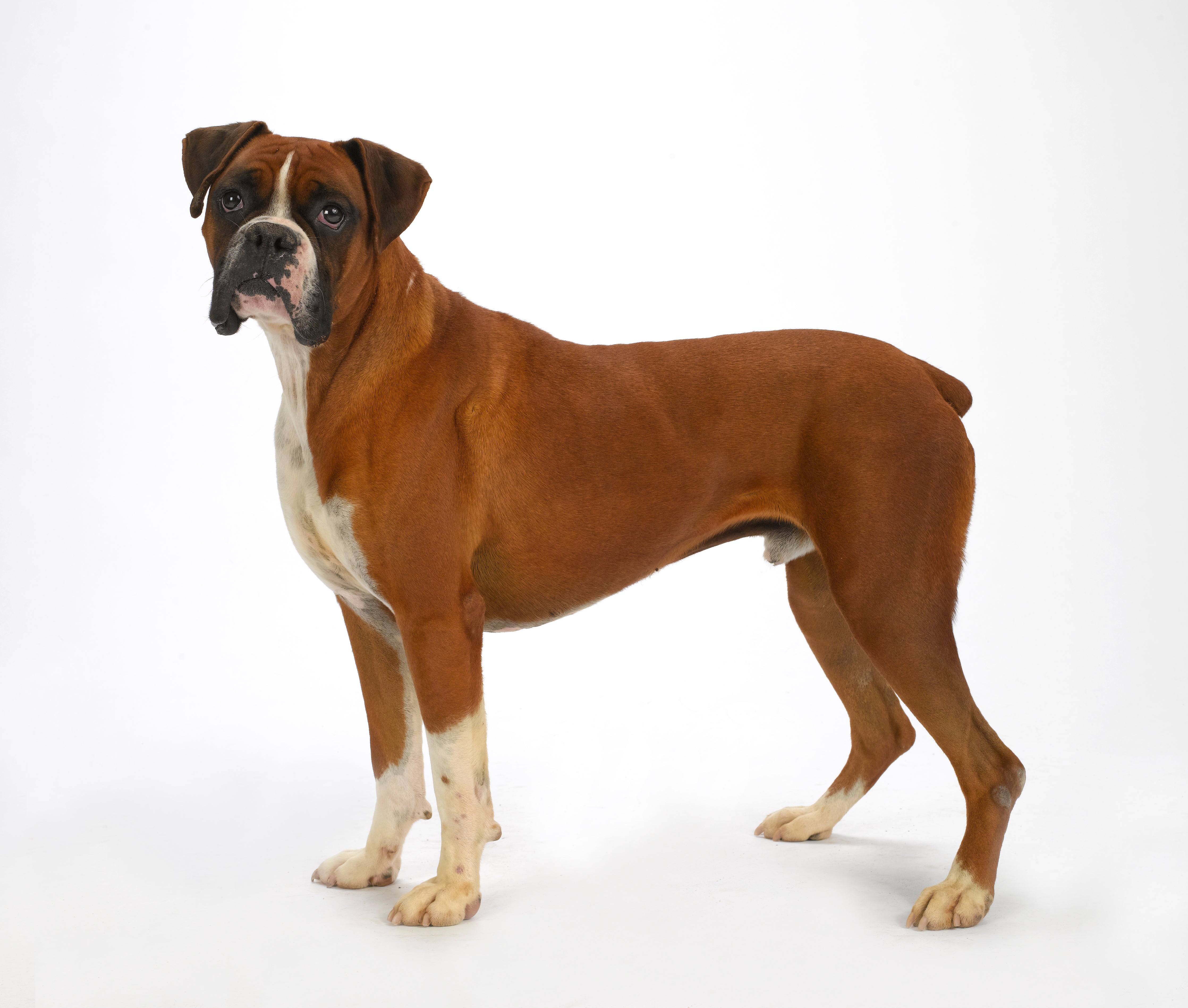
Boxer

Boxers are playful and energetic companions, always bursting with enthusiasm! With their adorable short muzzles and charmingly upward-tilted chins, their faces are truly one-of-a-kind, making them hard to resist. They require regular interaction, exercise and grooming to stay happy. Regular grooming with a mitt is key to maintaining their smooth coat, and checking their muzzle for debris is important. They are great with children but may overwhelm very young ones.

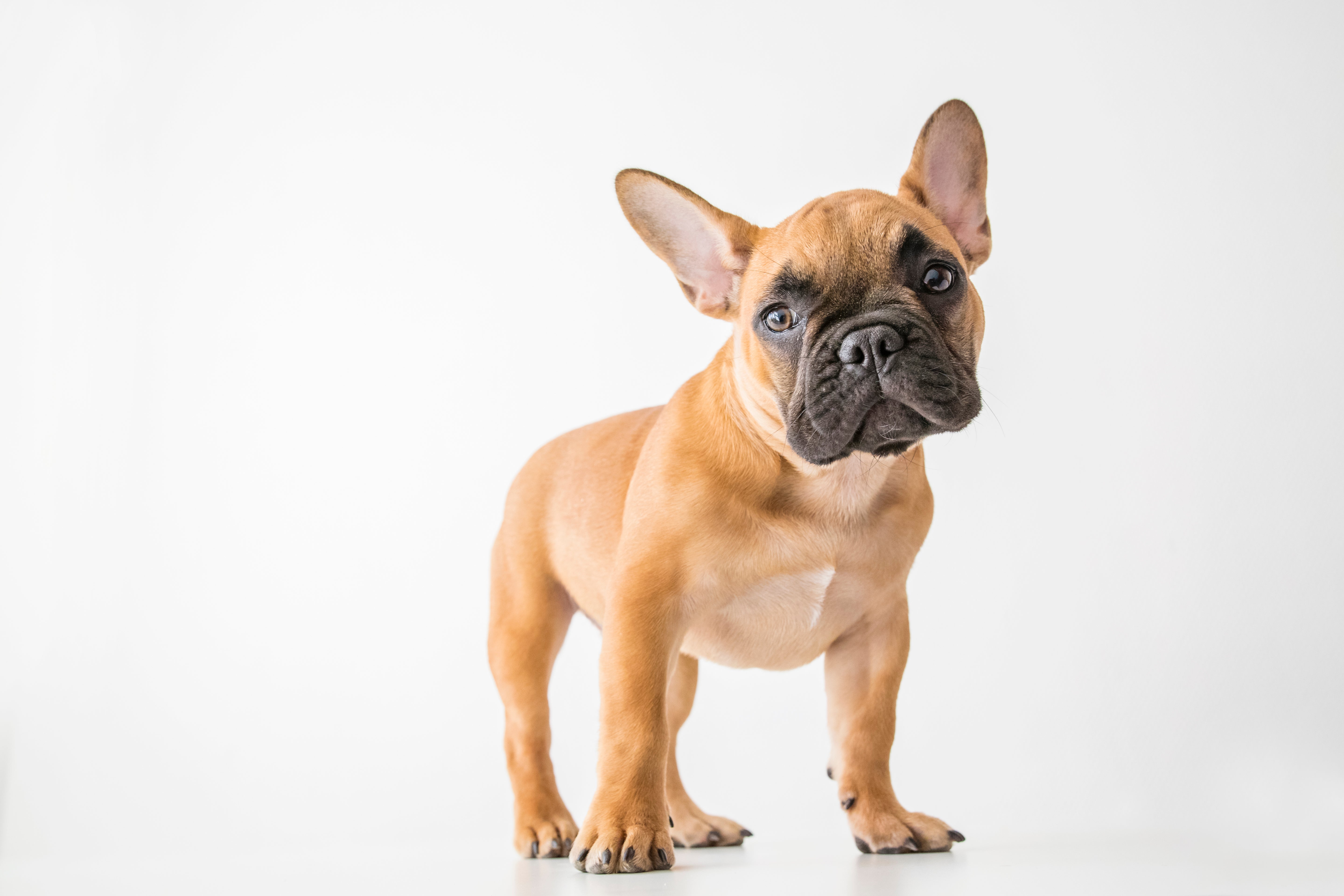
French Bulldog

French Bulldogs, affectionately called “Frenchies,” are adorable little companions bursting with personality! They are hard to resist with their compact bodies and charming looks, including a broad build and large, square heads adorned with delightful wrinkles. Frenchies are eager to entertain and share their curious nature. They have easy grooming needs. A daily short walk or outdoor playtime keeps a French Bulldog healthy.


Shih Tzu

The Shih Tzu is a small and friendly toy dog breed from Chinese origins. They are playful and affectionate utility dogs. Shih Tzus are known for their playful nature, unique long coat that requires regular grooming and preference for short walks and companionship. Shih Tzus have unique hairstyles, often with a ponytail to keep their long fur out of their eyes. Some owners opt for a shorter coat for easier maintenance, but regular haircuts are still necessary. Shih Tzus prefer three short 20-minute walks over a longer hike. Due to their short noses, they shouldn't exercise in hot weather to avoid overheating. They also enjoy indoor exercise.

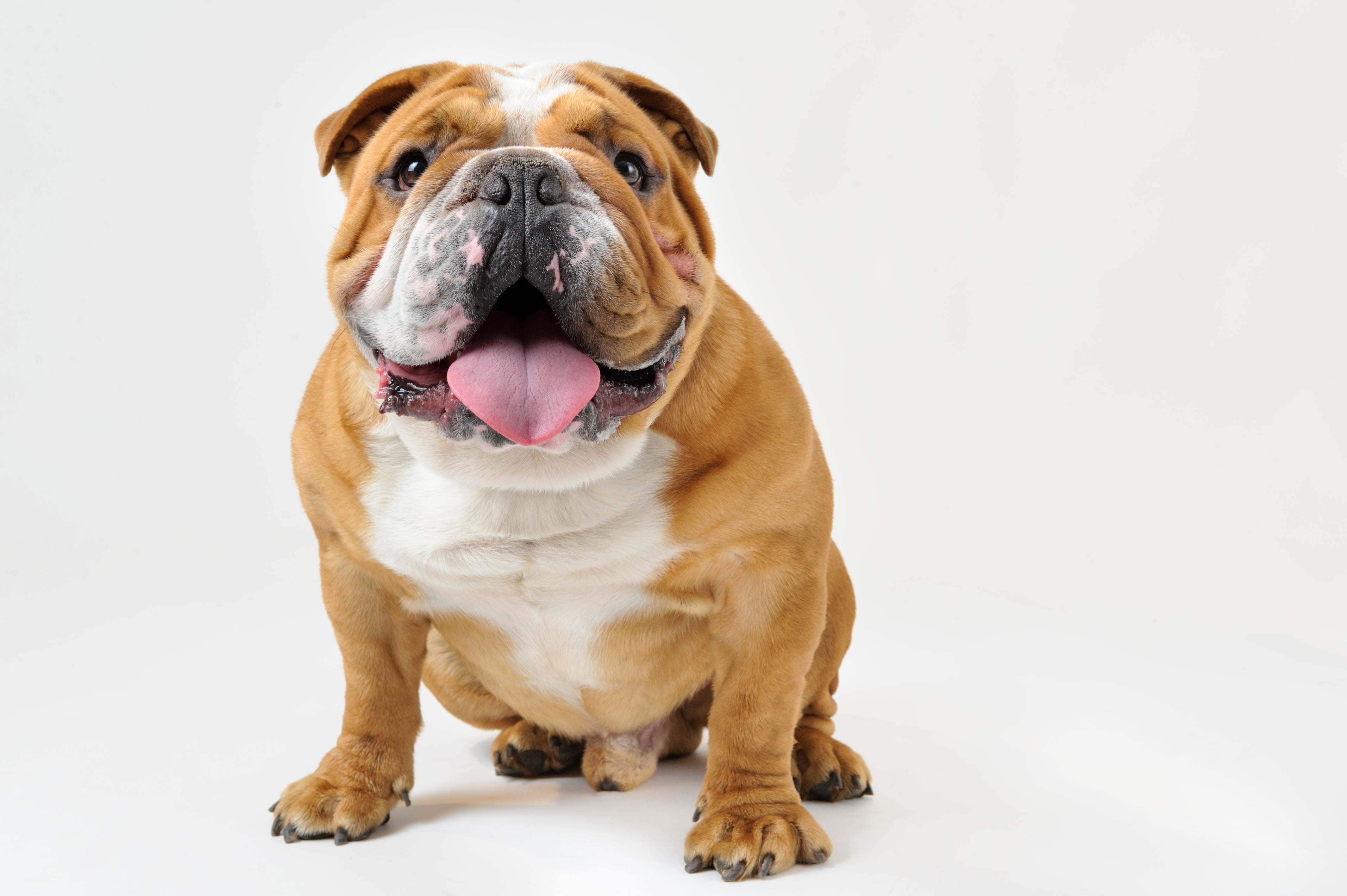
English Bulldog

English Bulldogs, often known as “Bulldogs,” are lovable and affectionate utility dogs known for their toughness, despite their gentle nature. They are tenacious and goofy, thriving on naps and treats. While they can be stubborn, training with treats can be effective. Bulldogs make excellent family companions. To groom a Bulldog, use a rubber mitt to remove loose hair. Clean their folds, tear stains and wrinkles regularly. If your Bulldog has a recessed screw tail, keep it dry to avoid bacterial infections. Short, brisk walks can help keep them healthy.

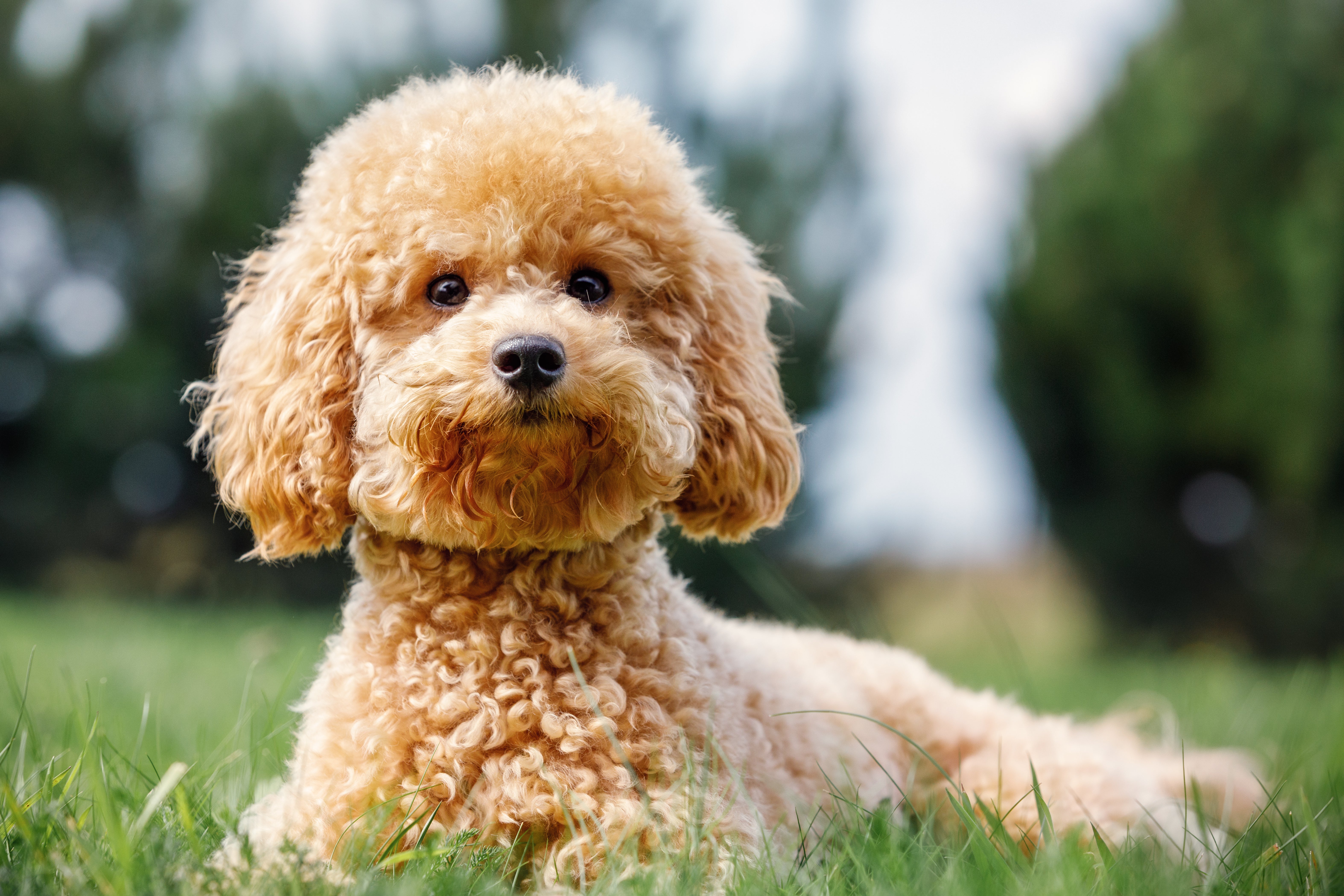
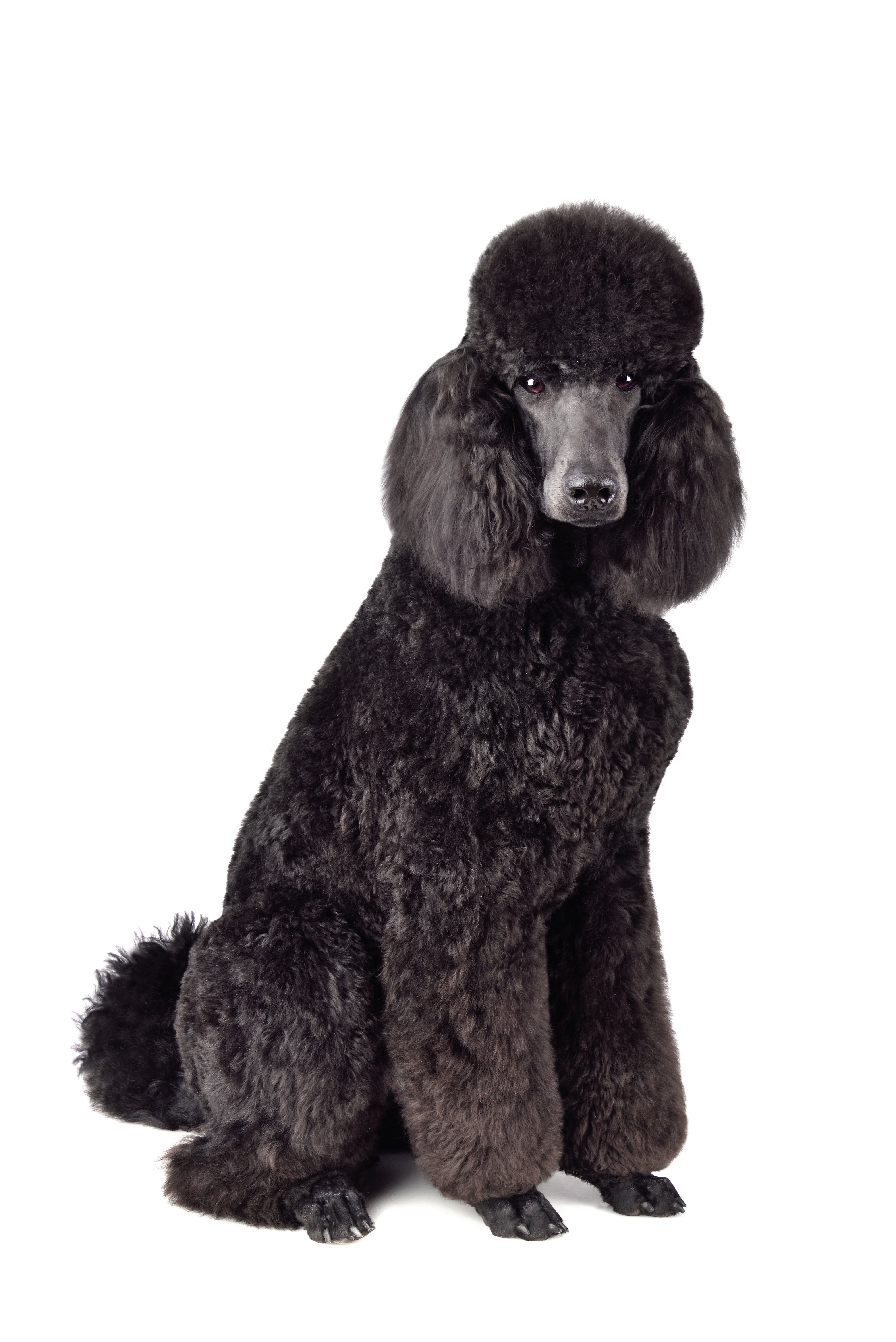
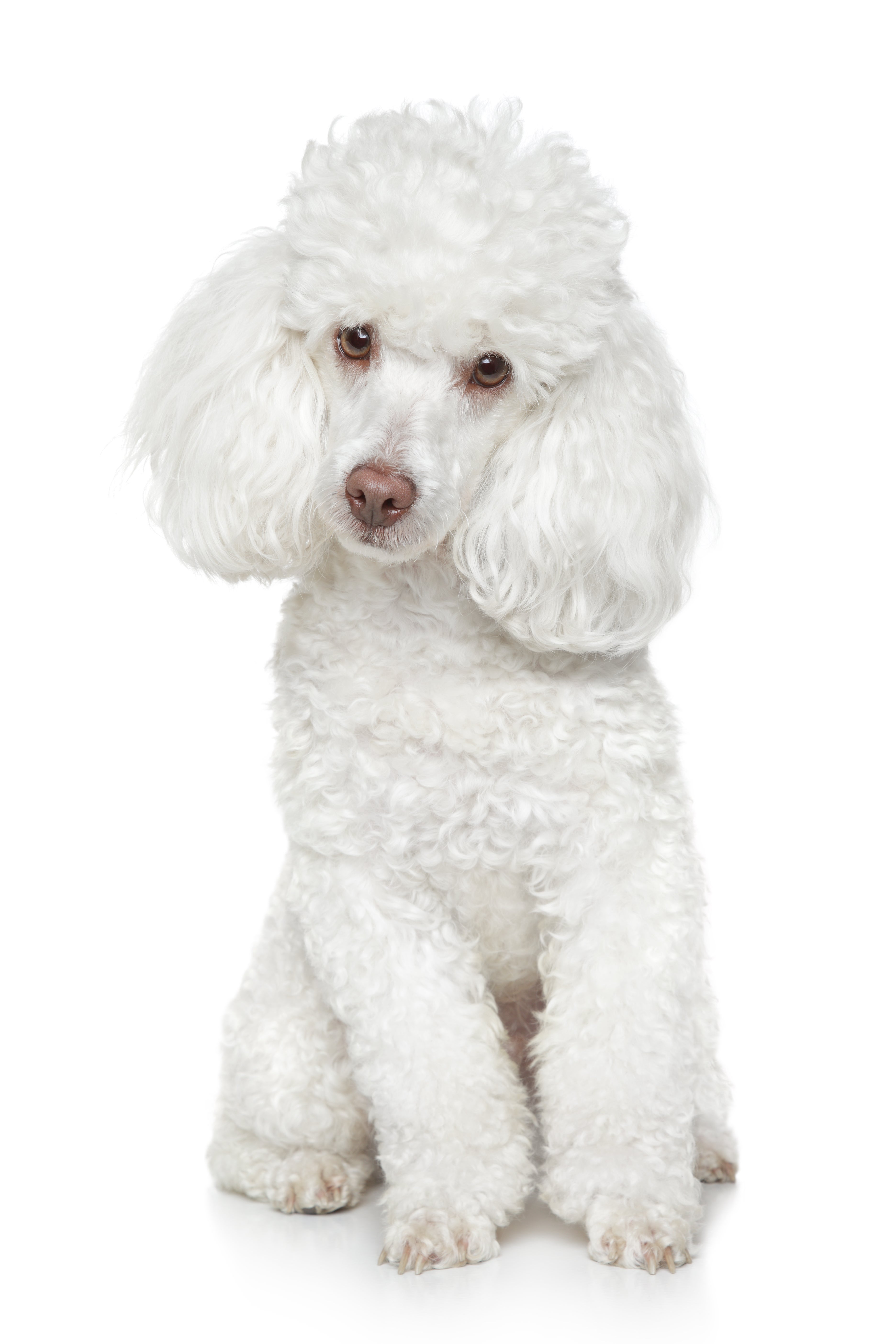
Poodle

Poodles are intelligent, athletic dogs with a dense, curly coat. Traditionally styled with a shaved body and fur around vital areas, this grooming helps them glide smoothly through the water during retrieval activities. Poodles come in three sizes: standard, miniature and toy.

  • Standard Poodle: Standard Poodles are energetic, intelligent dogs that thrive on exercise and mental stimulation, requiring regular grooming and daily activity to keep them happy and healthy. 
  • Miniature Poodle: The Miniature Poodle is an intelligent, active and playful dog that balances the bouncy nature of the Standard Poodle and the delicate qualities of the Toy Poodle, making it ideal for family life with its non-shedding coat and eagerness to learn. 
  • Toy Poodle: The smallest of the three, Toy Poodles pack a lot into their pint-size. Toy Poodles are loveable, intelligent companions. They have an affectionate nature, high grooming needs and desire for mental and physical stimulation, making them wonderful family pets that thrive on interaction and training.

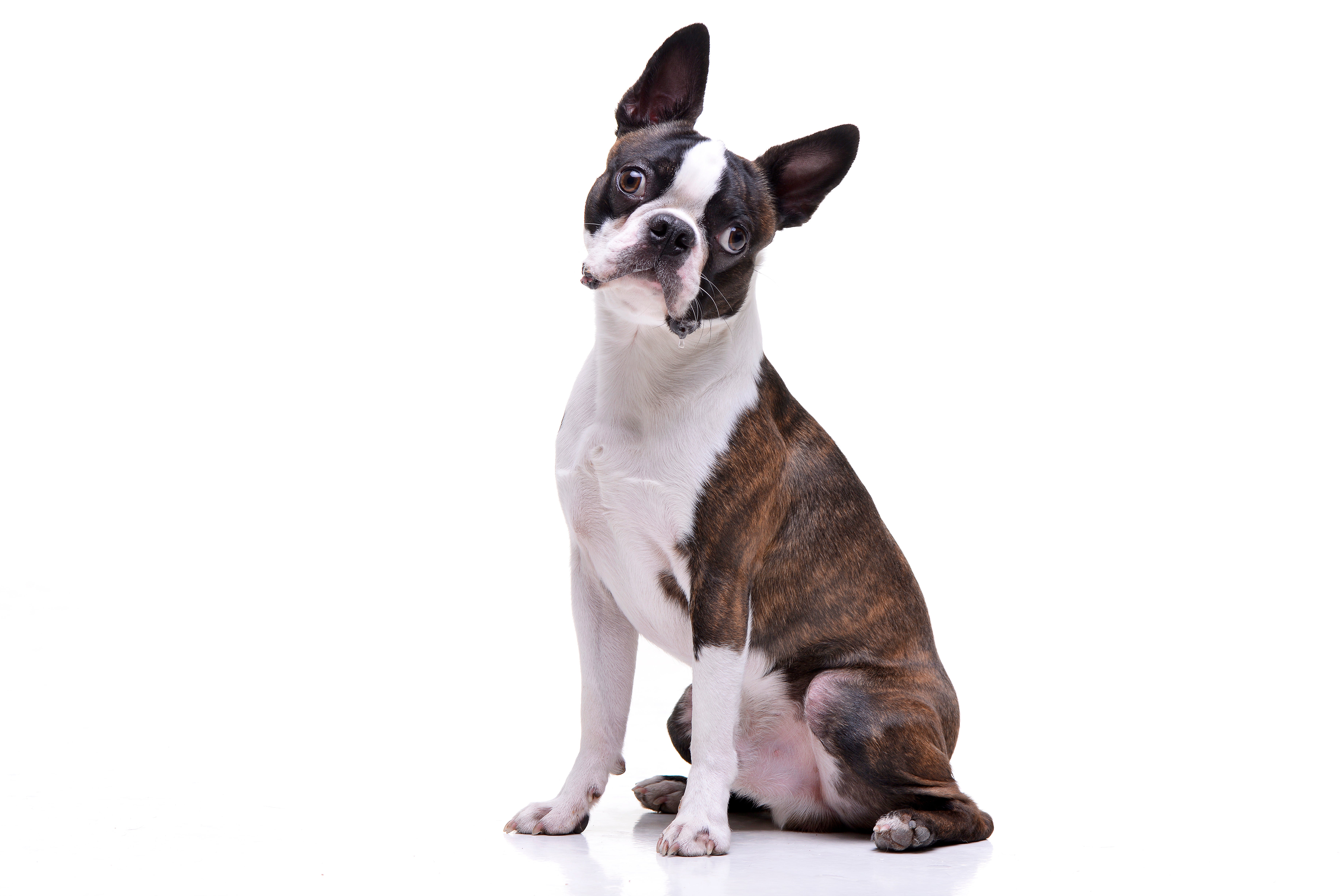
Boston Terrier

The Boston Terrier, known as "The American Gentleman," is a lively, affectionate small dog with a stylish tuxedo-like coat, friendly temperament, and moderate exercise needs, making them ideal companions for urban living and first-time dog owners. Baths are only occasionally required, and regular nail trims are essential. 

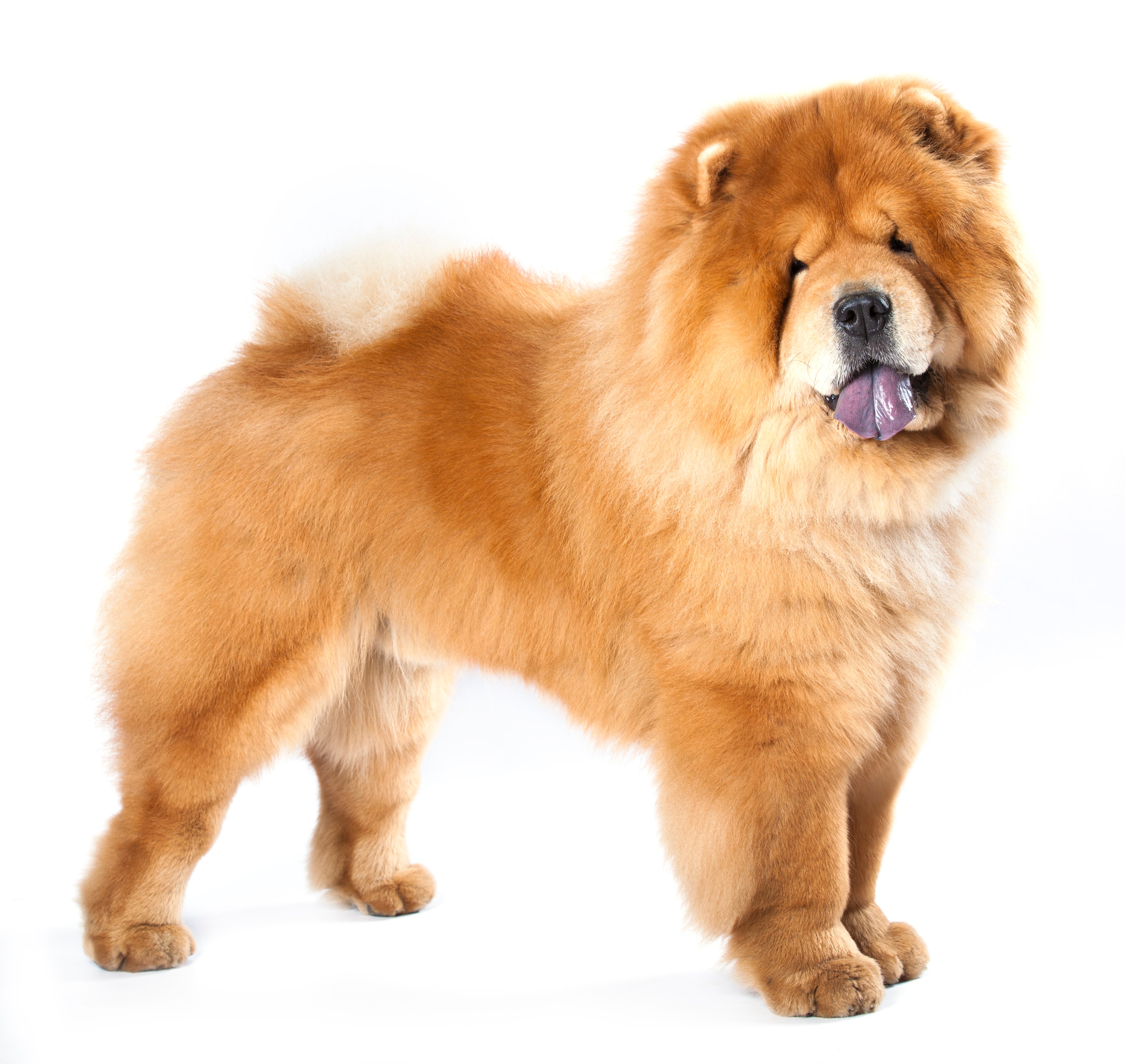
Chow Chow

Chow Chows are large, fluffy utility dogs resembling giant teddy bears. They are reserved and independent, preferring to show affection from a distance. Chow Chows need a calm and pragmatic owner who can commit to training and grooming. Training can be challenging, but they respond well to positive reinforcement. Chow Chows enjoy being outdoors but do not need excessive exercise. It’s important to monitor their activity, especially while young, to prevent joint problems.

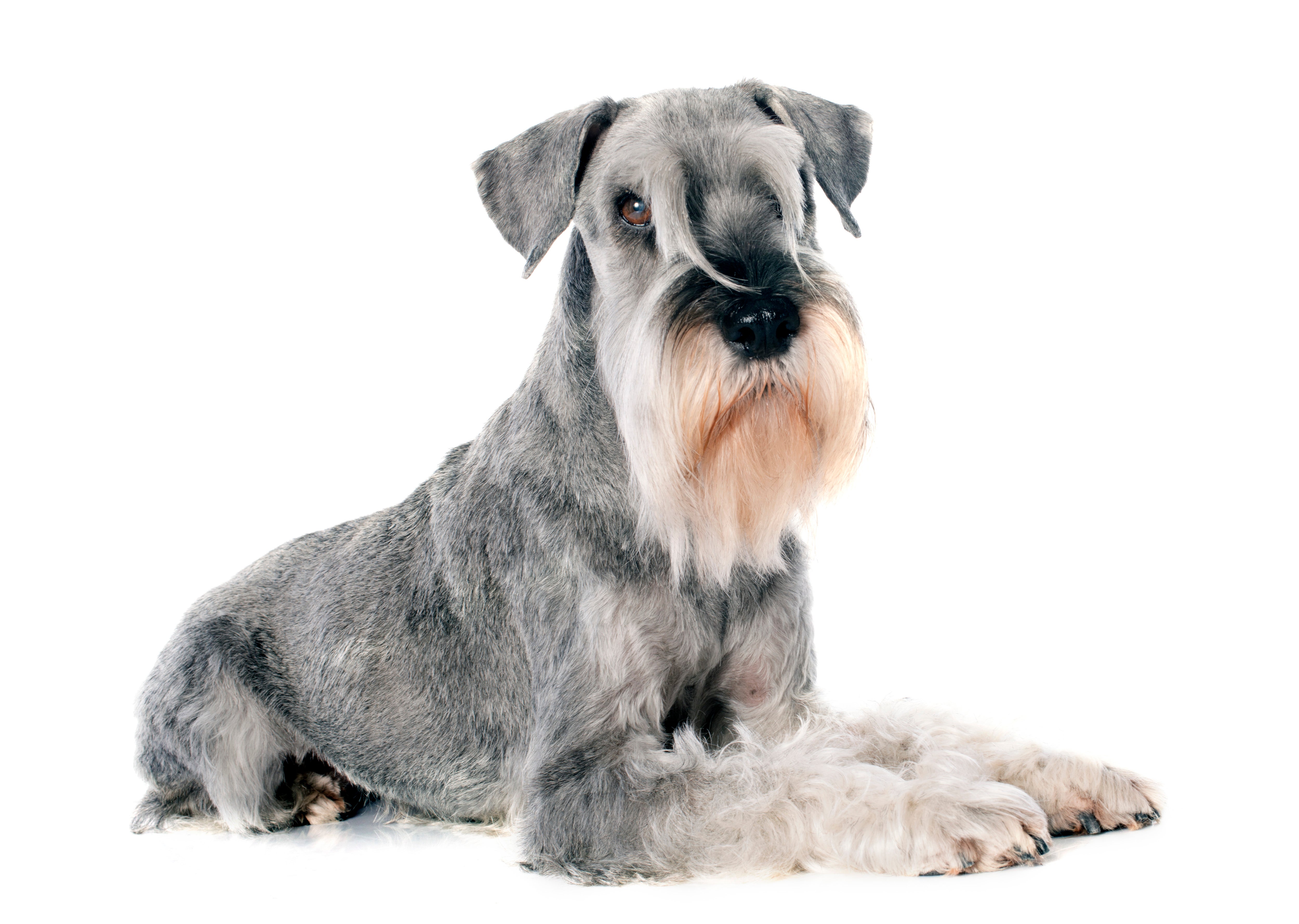
Schnauzer

The Standard Schnauzer is the oldest of the three Schnauzer breeds, known for their strong, agile build and distinctive wiry coat, typically black or salt and pepper. With signature whiskers and eyebrows, they have a dignified appearance. They thrive on structure, require regular grooming and need plenty of exercise and mental stimulation to prevent stubbornness and mischievous behavior.

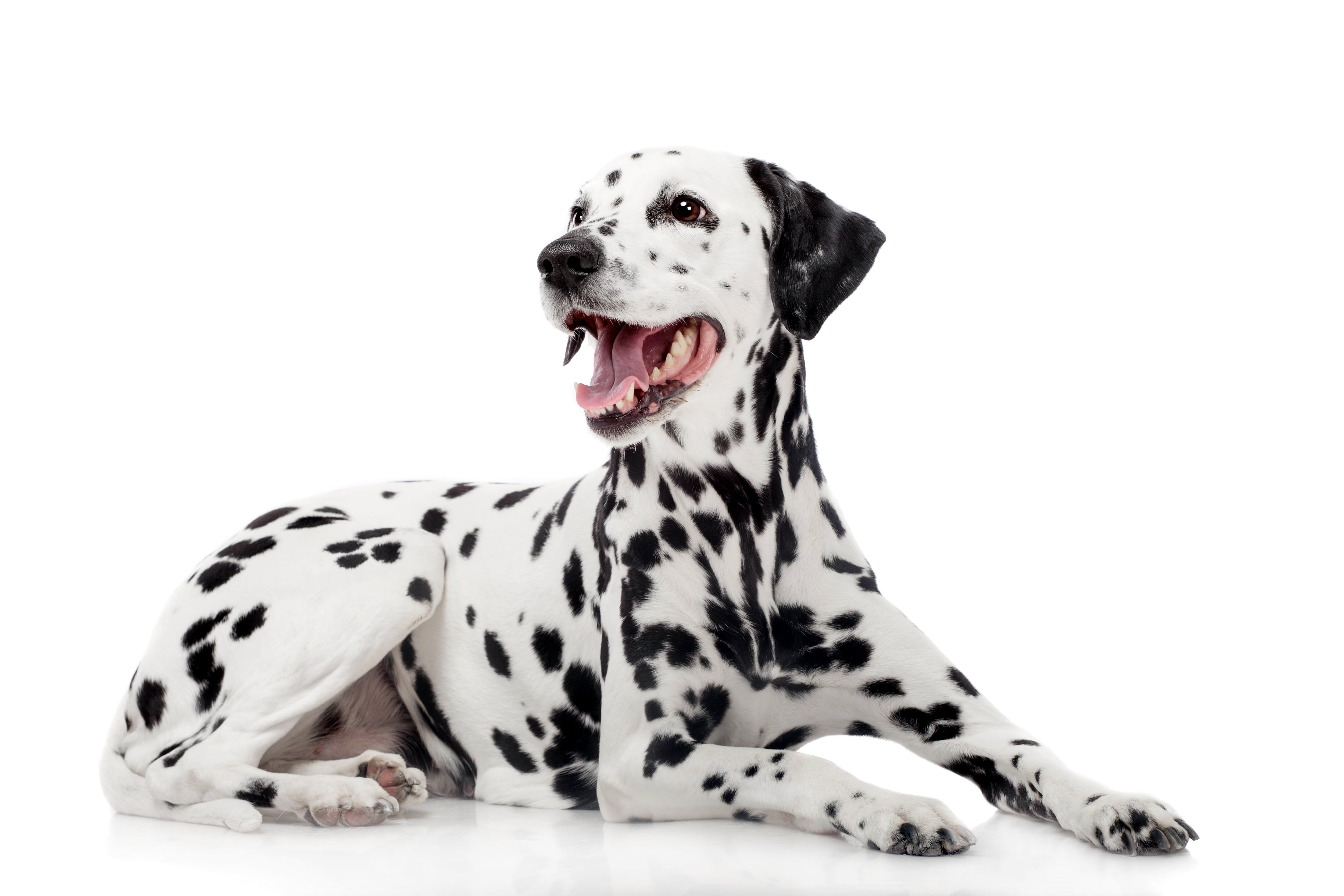
Dalmatian

Often misspelled as “Dalmation,” the Dalmatian’s grace hides their athletic build, designed for endurance. Originally bred for guarding carriages, they remain loyal and dependable companions, displaying a blend of energy and devotion require consistent exercise and mental stimulation to thrive, making them ideal for active families. They may do best in homes without young children, as their exuberance can be overwhelming. Occasional baths and weekly brushing help manage shedding, and regular nail trims are essential.

Shar-Pei

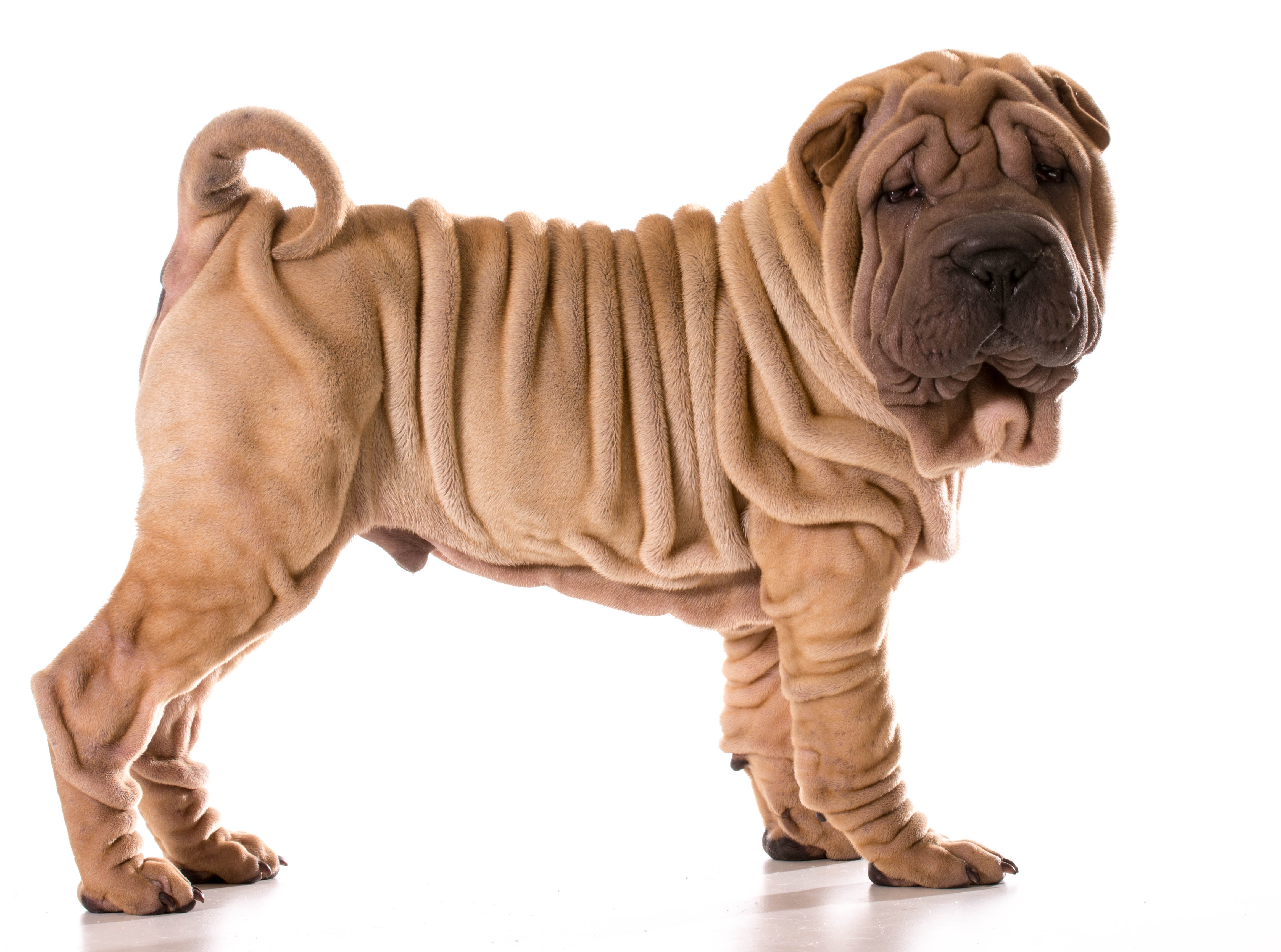
The Chinese Shar-Pei is an ancient breed known for their uniquely imposing look. They are intelligent and serene but require early training due to their independent and wary nature. They require early training, daily exercise. Some Shar-Peis have close-set tails that need to be inspected and cleaned closely to prevent infections. Also, check their eyes daily. Use a soft brush for gentle brushing of the coat.

Akita

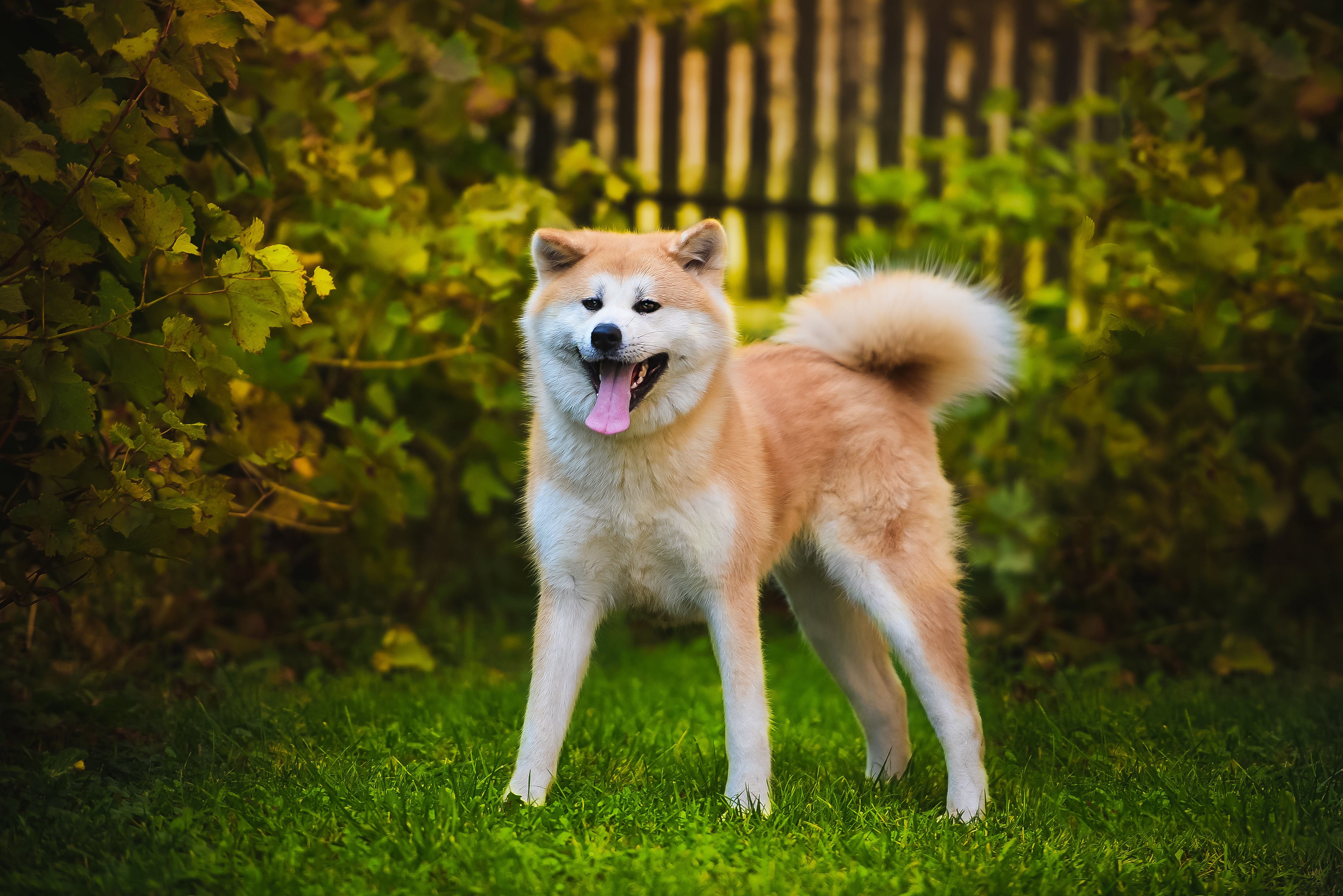
Japanese Akita dogs are large, dignified utility dogs with strong personalities. Loyal lions, they have a proud stance, small ears and deep-set dark eyes complemented by thick, plush coats. Akitas requiring experienced handling, regular grooming and one to two hours of daily exercise, enjoying long walks. They can be wary of strangers, needing appropriate introduction to any other household pets.

Miniature Schnauzer

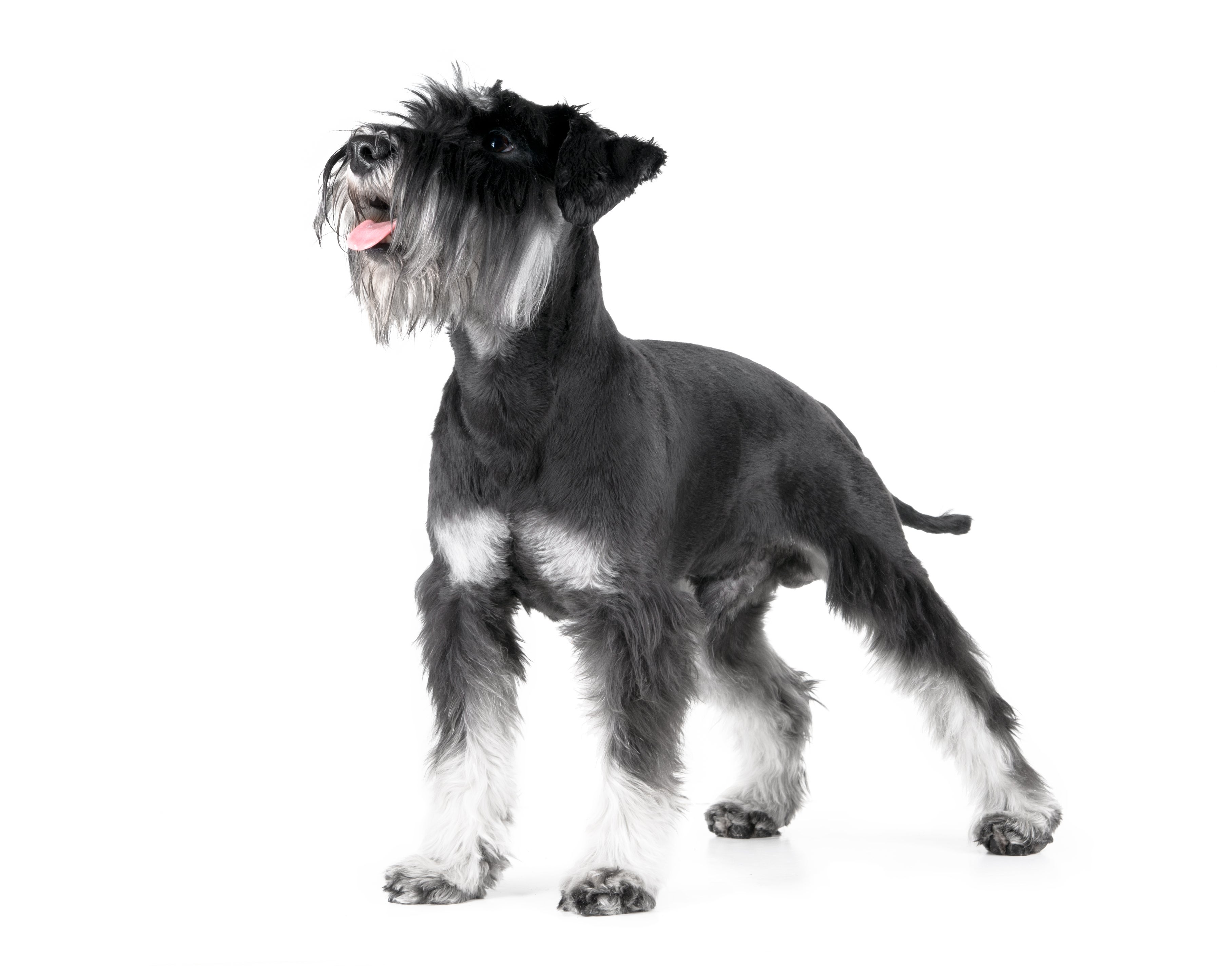
The Miniature Schnauzer is a lively and robust terrier with a distinctive double coat, requiring consistent training, regular grooming and over an hour of exercise daily, making them ideal companions for active households. They can make a fun, rewarding companion. Originally bred to guard homes and farms against rodents, they have a wise appearance enhanced by their facial hair.

Lhasa Apso

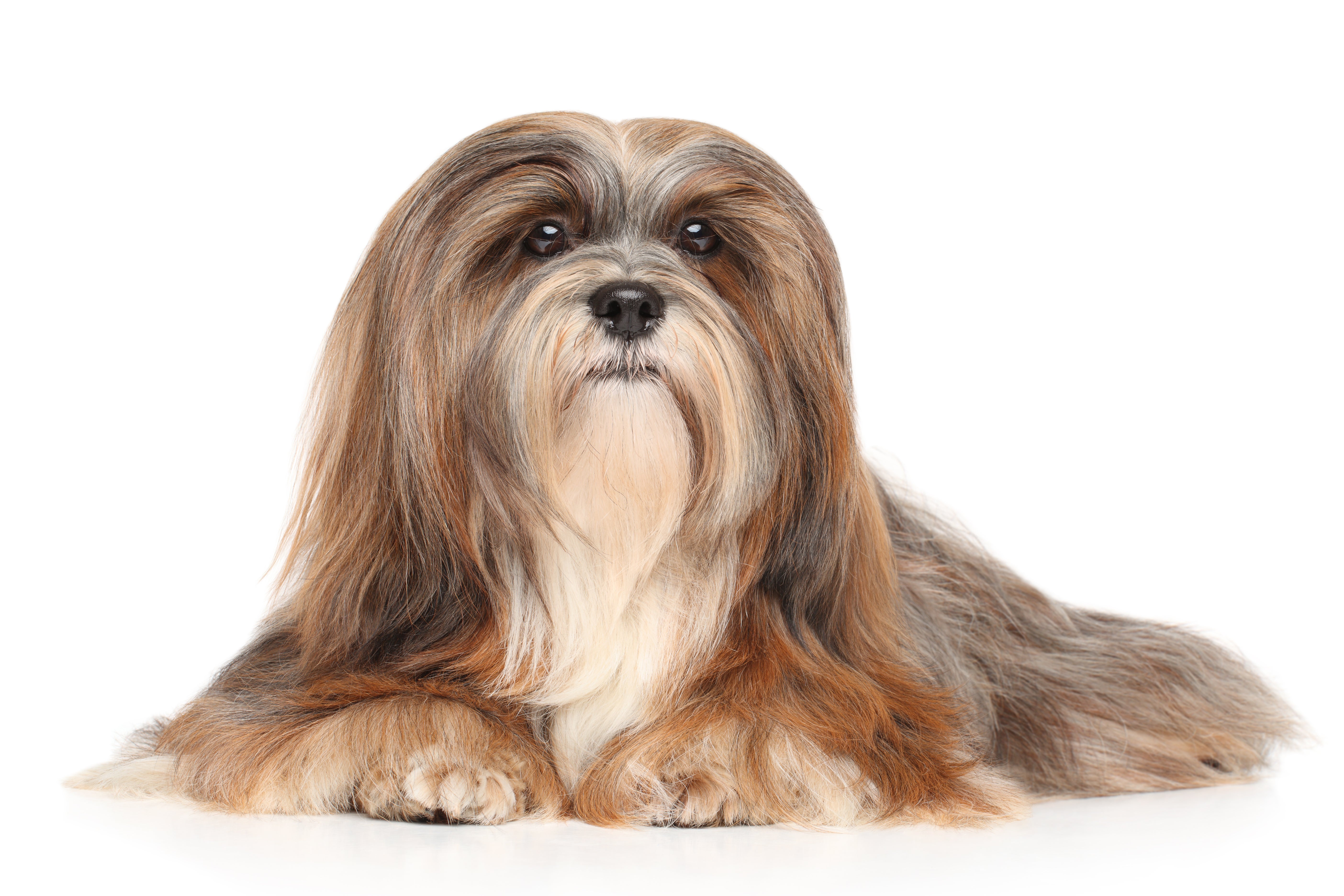
The Lhasa Apso is a small, tenacious dog with a rich history tied to Tibetan monasteries, where they served as watchdogs and companions. They require daily exercise, thriving in calm environments while being adaptable to both city and rural life. Their long, dense coat requires daily combing. A shorter coat can also be maintained with the help of a professional groomer. They thrive on companionship and appear happiest when with their owners.

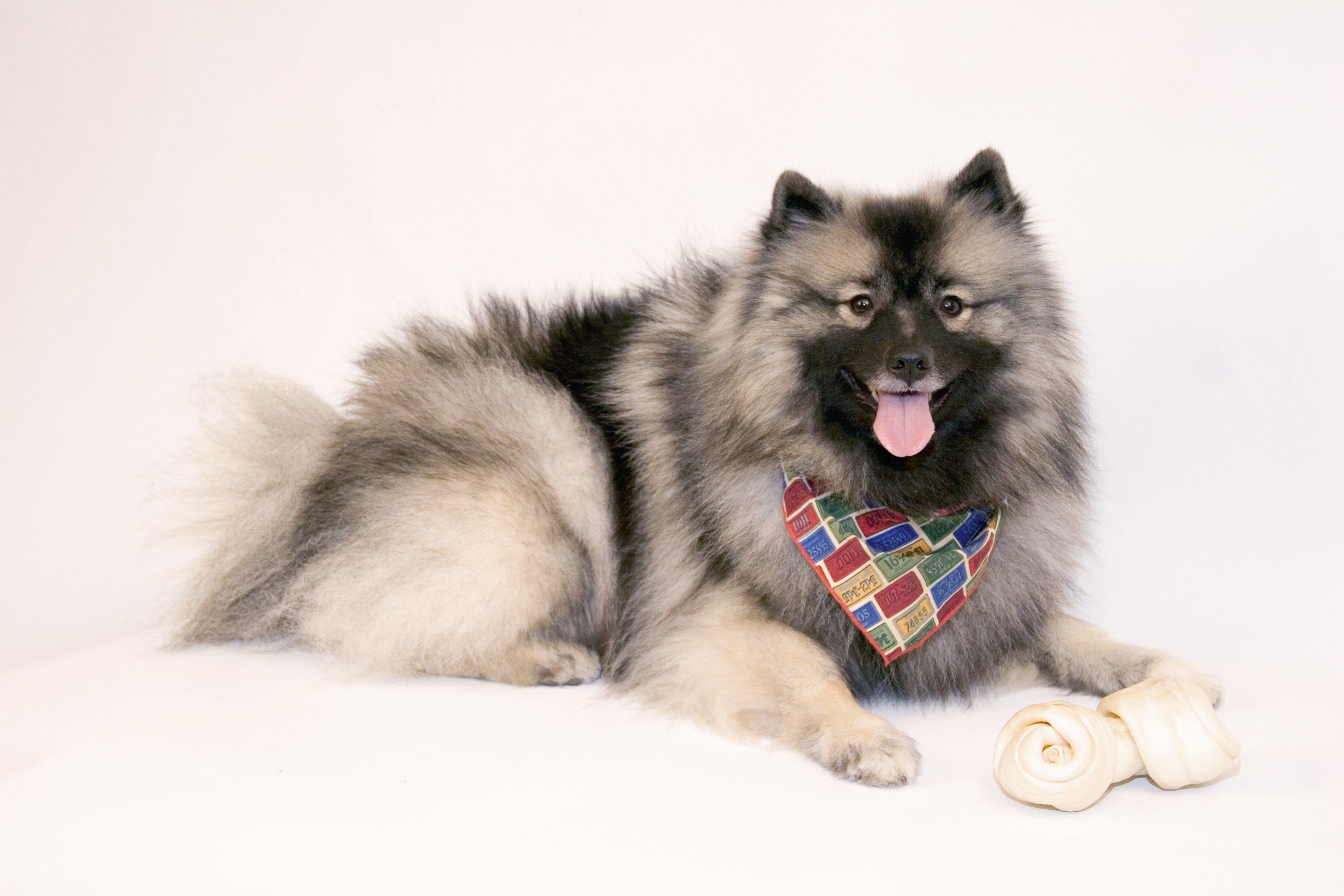
Keeshond

The Keeshond is a medium-sized spitz breed known for their foxy face, thick coat, water-resistant double coat, square-built shape and cheerful personality. They require daily exercise, grooming and socialization. Behind all the fluff they can serve as a sharp, alert watchdog. They are adaptable to various weather conditions, making them all-weather utility dogs.

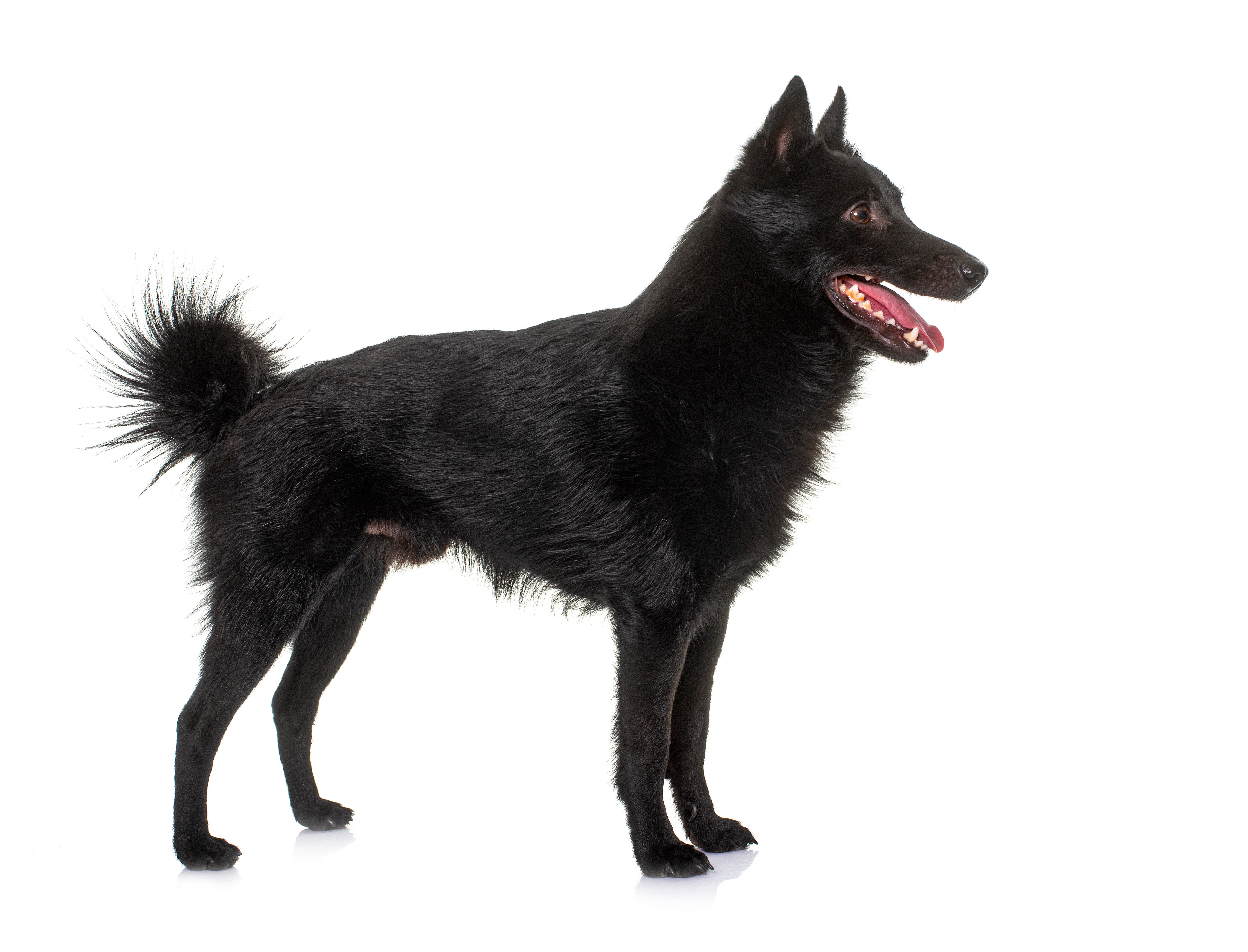
Schipperke

The Schipperke is a lively, clever small dog with a thick coat, requiring regular grooming and 30 to 60 minutes of daily exercise. These compact and sturdy utility dogs are fun family companions, best suited for homes with older children who can help keep them engaged. They enjoy active walks and are chatty and vocal. Regardless of their friendly demeanor, they make great watchdogs since they tend to be reserved with strangers.

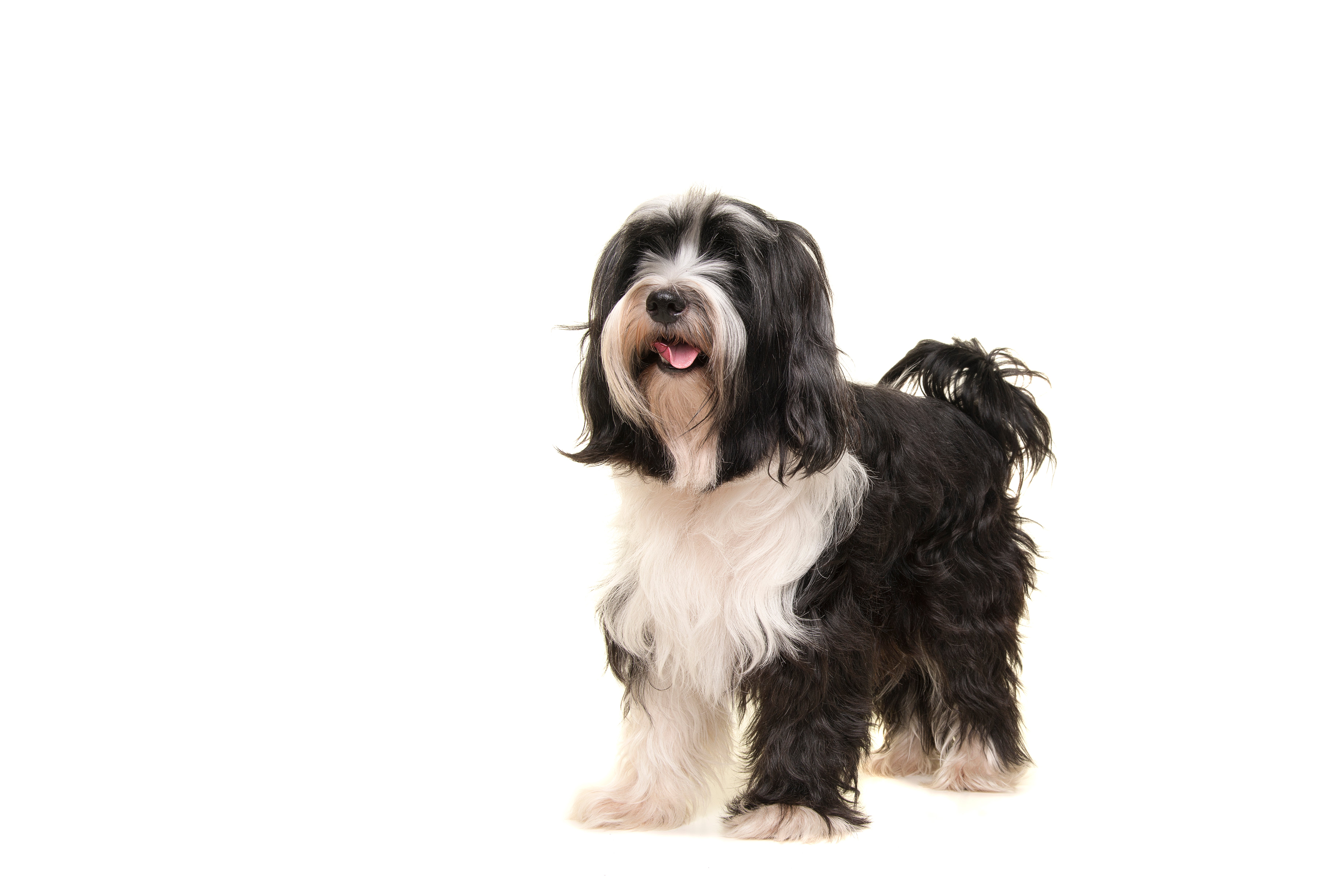
Tibetan Terrier

The Tibetan Terrier is an attractive, small to medium-sized dog with a long, straight or wavy double coat. Initially bred in Tibet as a companion and herding dog, they are sturdy, compact and powerful. As a non-shedding breed, their thick double coat requires brushing at least every other day to prevent mats and should be checked daily for debris. Many owners opt to have their coats clipped for easier maintenance. Tibetan Terriers are lively and need at least an hour of exercise daily and mental stimulation to prevent boredom.

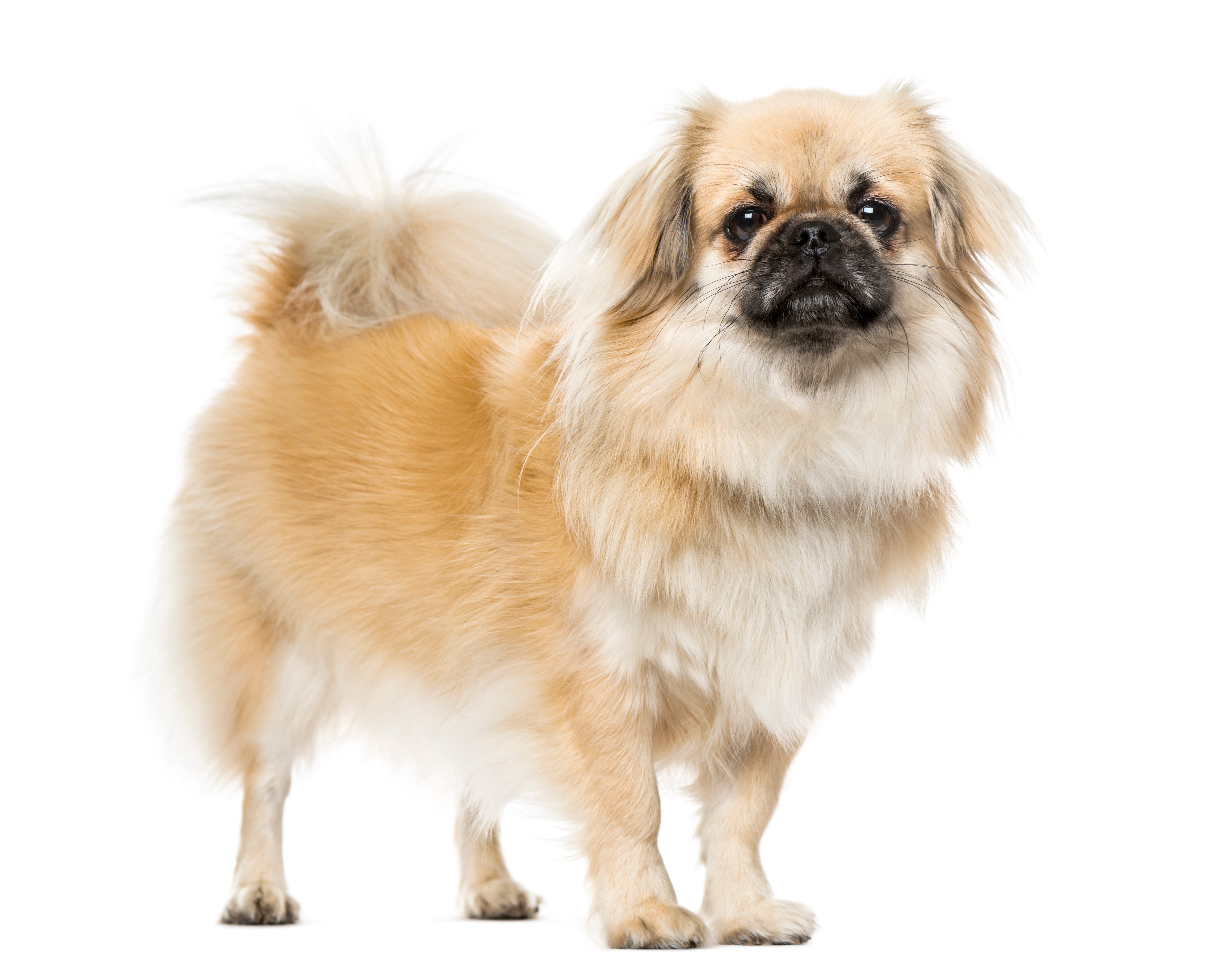
Tibetan Spaniel

The Tibetan Spaniel is a compact, alert dog with a silky coat, known for its loyalty to family, need for daily exercise and ability to serve as a watchdog. Also originally bred by Tibetan monks to act as a watchdog, they climb to high vantage points to survey their surroundings.

German Spitz

The German Spitz is a compact utility dogs with a foxlike face, prick ears and a luxurious double coat with a mane-like ruff around the neck and a bushy tail. They thrive on social interaction, require regular exercise and grooming and are best suited for active families. Two types of German Spitz breeds are considered a part of the utility dog breed group 

  • German Spitz Klein: The German Spitz Klein is an active and affectionate small dog that thrives on human companionship and requires daily exercise and mental stimulation to stay happy. They have a fluffy coat that needs regular grooming. While generally good with children, supervision is necessary, as young kids may confuse them with toys due to their small size. 
  • German Spitz Mittel: The German Spitz Mittel is an active, intelligent and affectionate medium-sized compact dog that thrives on human companionship. They require regular grooming and about an hour and a half of exercise daily, split into two walks, along with training and interactive play to prevent boredom. While they make wonderful family pets, interactions with very small children should be supervised due to their playful nature.

Japanese Spitz

The Japanese Spitz is an affectionate, intelligent dog with a captivating appearance, requiring regular grooming, over an hour of daily exercise and proper socialization to thrive. Their barking can be an issue in noisy environments, so consider your living situation. While they can be independent, they thrive with active families who engage them in training and play.

Canaan Dog

The Canaan dog is a medium-sized, spitz-like breed with a thick double coat, known for their independence and intelligence. They excel as guard, search and rescue, and guide dogs with proper training. They may not thrive in urban settings because they need ample outdoor space for exercise and mental stimulation. While they can be good family pets, they are better suited for families without small children. Canaan dogs have a straight, harsh coat with a thick undercoat that needs weekly brushing and daily during shedding seasons.

Kooikerhondje

Full of energy and a heart as big as its personality, the friendly Kooikerhondje is always ready for a challenge, making them the perfect companion for active adventures. With origins as duck decoys, these spirited dogs love water and need plenty of exerciseat least an hour a day! Their water-resistant coat is easy to groom, requiring just a weekly brush to keep tangles at bay. Ideal for active families, Kooikerhondjes thrive with older kids who can keep up with their playful spirit and enjoy learning new tricks together. This pup is friendly, alert and intelligent but can be aloof with strangers. Early socialization is vital to encourage friendliness with other dogs.

Eurasier

The Eurasier is a sturdy dog with a luxurious double coat. With sharp, perked-up ears and an alert stance, they are always ready for adventure. They dislike being left alone and thrive in homes where owners are frequently present. Eager to please, they enjoy training and learn quickly. Grooming should occur every other day, with deeper grooming weekly and daily during shedding season. Their double coat needs thorough grooming to prevent matting, and regular checks for injuries and cleanliness are important. Eurasiers need at least two hours of exercise daily.

Korean Jindo

The Jindo, also known as the Korean Jindo, is a vigilant and intelligent dog from South Korea. Recognizable by their pricked ears and curved tail, Jindo utility dogs are devoted to their owner and thrive on having a job, particularly in guarding. Jindos are best for experienced dog owners, requiring consistent leadership and daily exercise. Early obedience training and socialization are crucial for their development. Jindos are clean and require brushing with a slicker or pin brush.

Japanese Shiba Inu

The Shiba Inu, sometimes referred to as Japanese Shiba Inus are loyal, charming and affectionate companions. Still, their high energy and bold nature make them unsuitable for first-time pet owners. Training them takes patience and positive reinforcement, and they enjoy activities like agility and scent work. Shiba Inus are clean utility dogs that self-groom but need weekly brushing. They require at least an hour of exercise daily.

How to Choose a Utility Dog

When choosing a utility dog, it's important to think about their personality traits, as they can vary a lot between breeds. Some dogs might be more reserved and prefer to observe from a distance, while others are full of energy and love to connect closely with their owners.

Doing thorough research on different breedslooking at their size, grooming needs, energy levels and overall temperamentwill help you make a smart choice that fits your lifestyle. This careful consideration will not only help you pick a dog that fits well into your home but also ensure that your new pet thrives in your environment, bringing joy to your everyday life.

Additionally, choosing the best dog name for your new companion is just as important. A good dog name should be easy to say and remember, ideally one or two syllables, to ensure your dog responds well. Consider names that reflect your dog’s personality. Avoiding names that sound like common commands is also helpful, as this can confuse them. Take time to brainstorm and find a name that resonates with your dog’s unique character and your own.

Utility dogs are a diverse and captivating group of dogs with unique traits and characteristics. Their varied roles, from companionship to specialized tasks, make them extraordinary, broadly smart companions. We cannot stress enough that taking time to understand these breeds will strengthen the bond you form with your new friend. For those preparing to welcome a new dog into their home, it’s crucial to be well informed to ensure you’re ready for the journey ahead. Additionally, learn how to prepare your home for a new dog to create a safe and comfortable environment. Embrace the adventure of dog ownership with knowledge and confidence!

For more expert tips and information on other dog breeds, explore additional dog and puppy breed group articles.


26 Dog Breeds

Page 1/2
Next'