Note: While the breeds in this collection tend to be sporting dogs, individual pets will vary. Please consult the adoption organization for details on a specific pet.
Sporting dogs are a lively and friendly group of breeds recognized by the American Kennel Club (AKC). Originally bred to help hunters find and retrieve game, they are now loved as family pets that bring joy and energy to homes.
These dogs, otherwise known as “gundogs,” are known for their friendly nature and usually get along well with children and other pets, including cats. They are smart and eager to learn, which makes them great companions. However, because of their hunting background, they need regular exercise and mental stimulation to stay happy and avoid behavior problems.
If you are thinking about adding a sporting dog to your family, it’s essential to understand their active personality and social needs. They do best in lively environments where they can enjoy outdoor activities, training, and playtime. Considering your lifestyle and ability to meet the needs of a sporting dog will help you find the right furry friend for your family.
What Are Sporting Dogs For?
Sporting dogs help hunters with various tasks, especially during hunting activities. Each breed has a specific role, focused on finding and retrieving game.
- Retrievers bring back fallen game, usually birds, to the hunter. They are good at retrieving from long distances and delivering the game directly to their owner.
- Spaniels are skilled hunters. Their main job is to find game and flush it out for the hunters. Many working spaniels also retrieve the game, making them very helpful in the field.
- Pointers and Setters find game from a distance. They signal the hunter to the presence of game by stopping in place. This helps the hunter get closer without scaring the game away.
- Hunt, Point, Retrieve dogs can do all three tasks: hunting, pointing and retrieving. This ability makes them flexible for different hunting situations.
Natural Instincts of Sporting Dogs
Sporting dogs, like all working breeds, possess instincts that shape their behavior, primarily stemming from their roles in hunting and retrieving. Their genetic predispositions linked with hunting dog breeds lead to behaviors such as stalking, chasing and retrieving, which are crucial for their fulfillment.
Owners need to provide appropriate outlets for these instincts. While hunting isn’t necessary, structured activities like controlled stalking games, retrieving exercises, agility tasks, or scent work allow sporting dogs to express their natural behaviors. This satisfies their instincts and strengthens the dog’s and the owner’s bond.
What is the Difference Between Sporting, Hunting and Gun Dogs?
Wondering what is a gun dog, sporting dog or hunting dog? Sporting, hunting and gun dog breeds are all different names for the same group of dogs. What differs are individual breeds. Read on to learn more about the varying characteristics of this group of dog breeds.
Sporting Dog Breeds
Here are some of the most popular hunting dogs, divided into groups: small sporting dog breeds, medium sporting dogs and large hunting dogs. Learn more about individual sporting dogs’ personalities, temperament, grooming and exercise needs.
Small Sporting Dogs
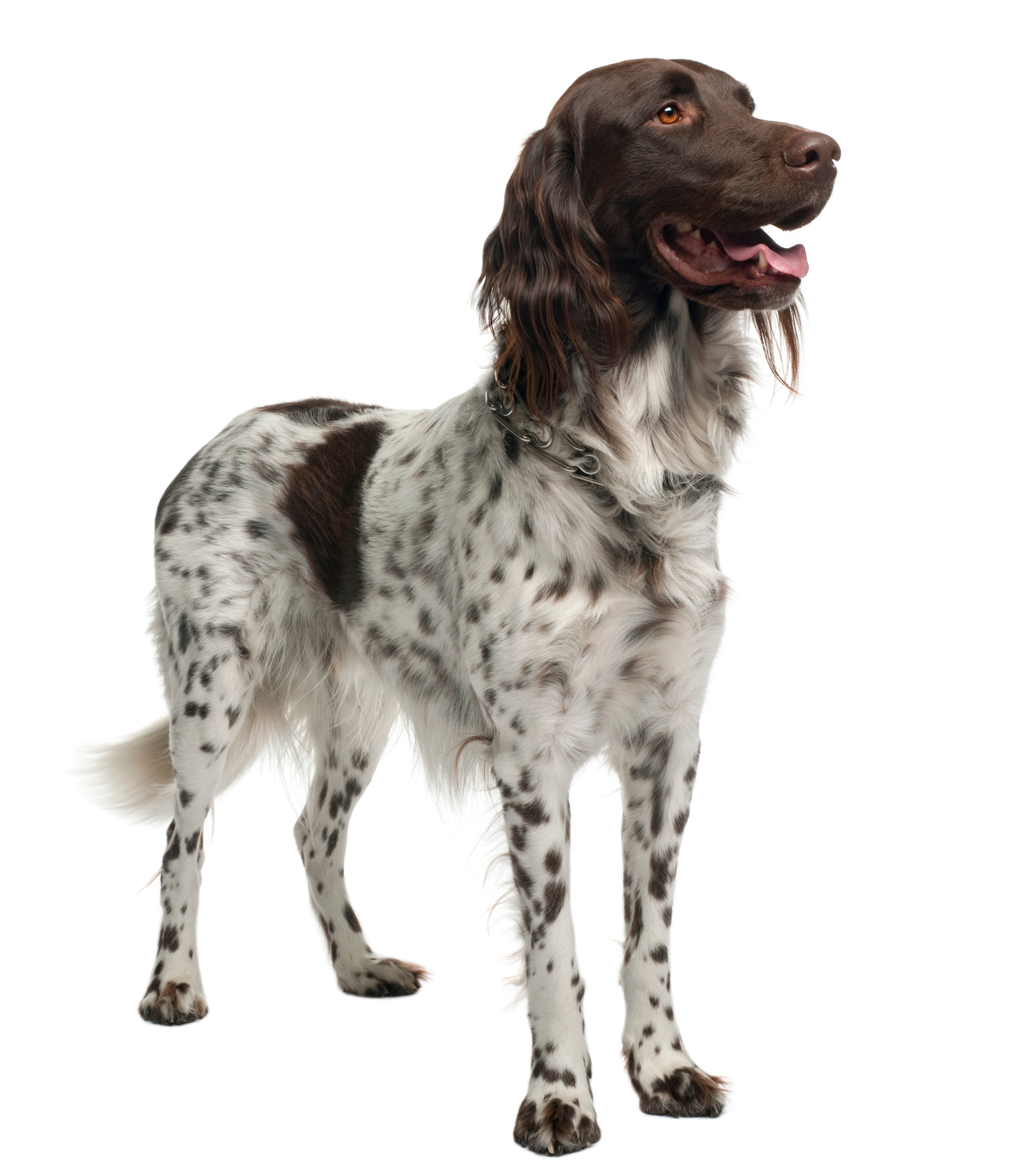
Munsterlander
The Munsterlander is a cooperative and trustworthy dog known for their affectionate nature and devotion to family. Characteristic of small hunting dog breeds, they serve as vigilant watchdogs and can be friendly yet protective. The Small Munsterlander is slightly more independent than the Large Munsterlander. Socialization and sporting dog training with positive reinforcement are essential. Munsterlanders require daily brushing and ample physical and mental stimulation.
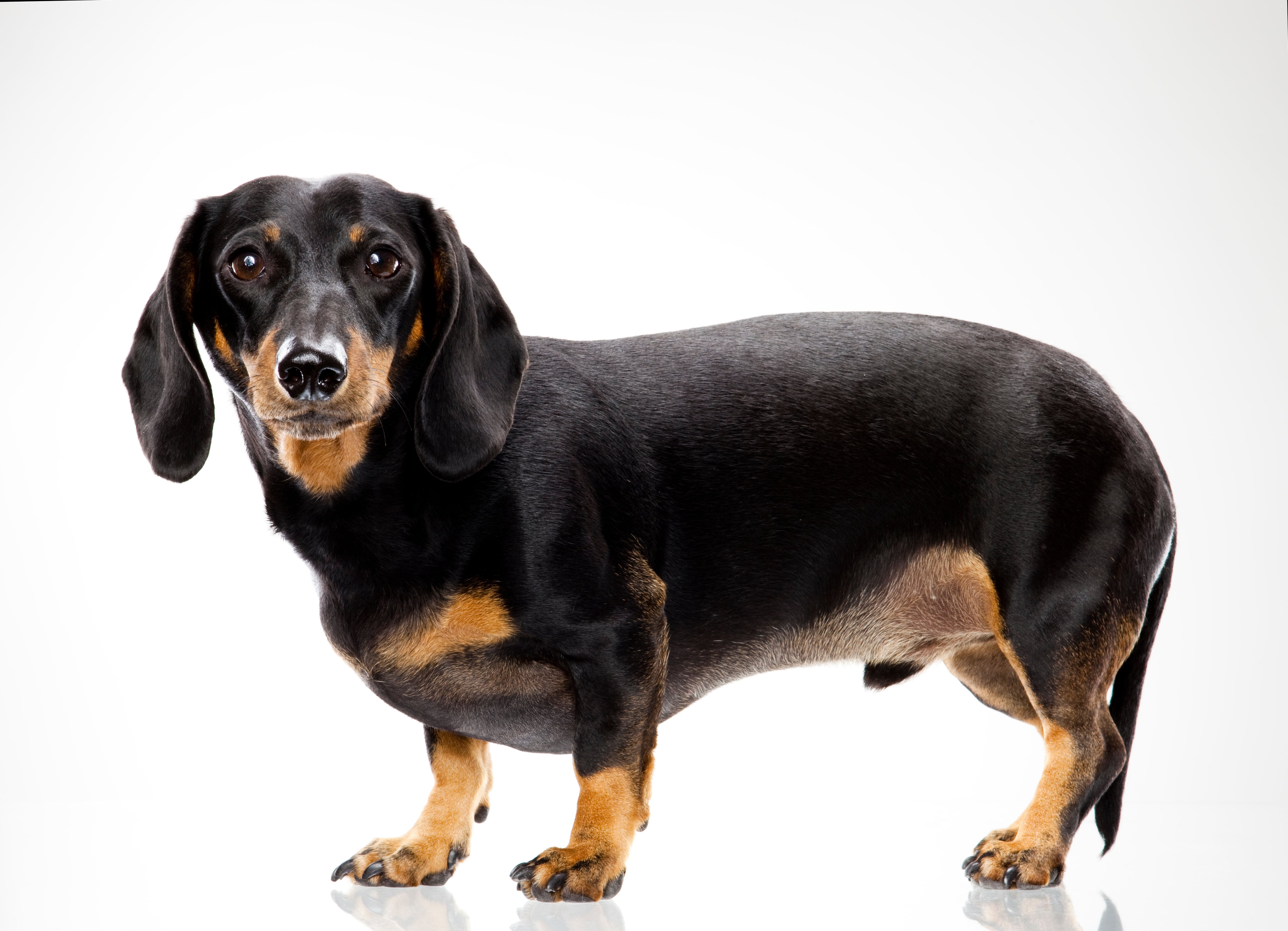
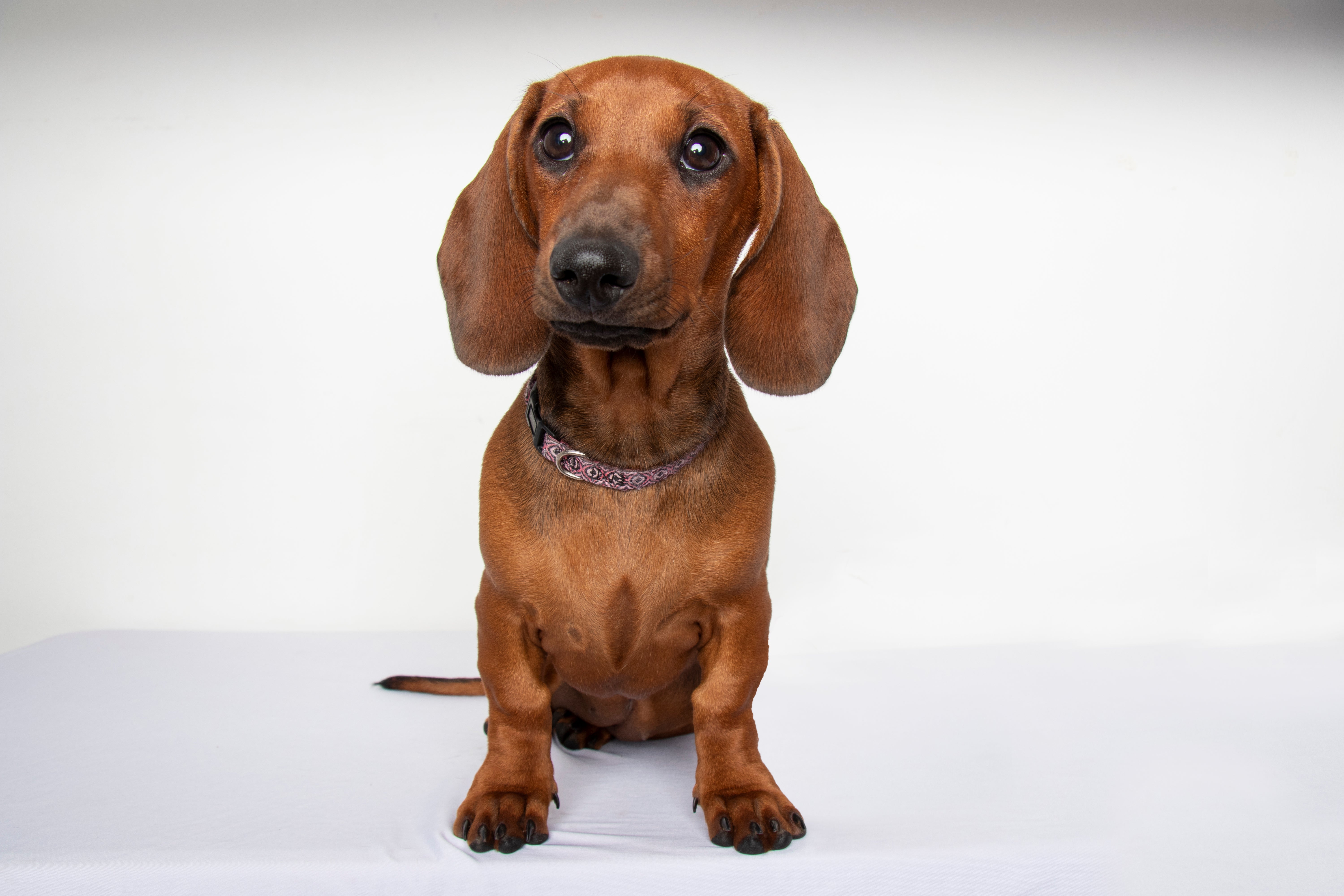
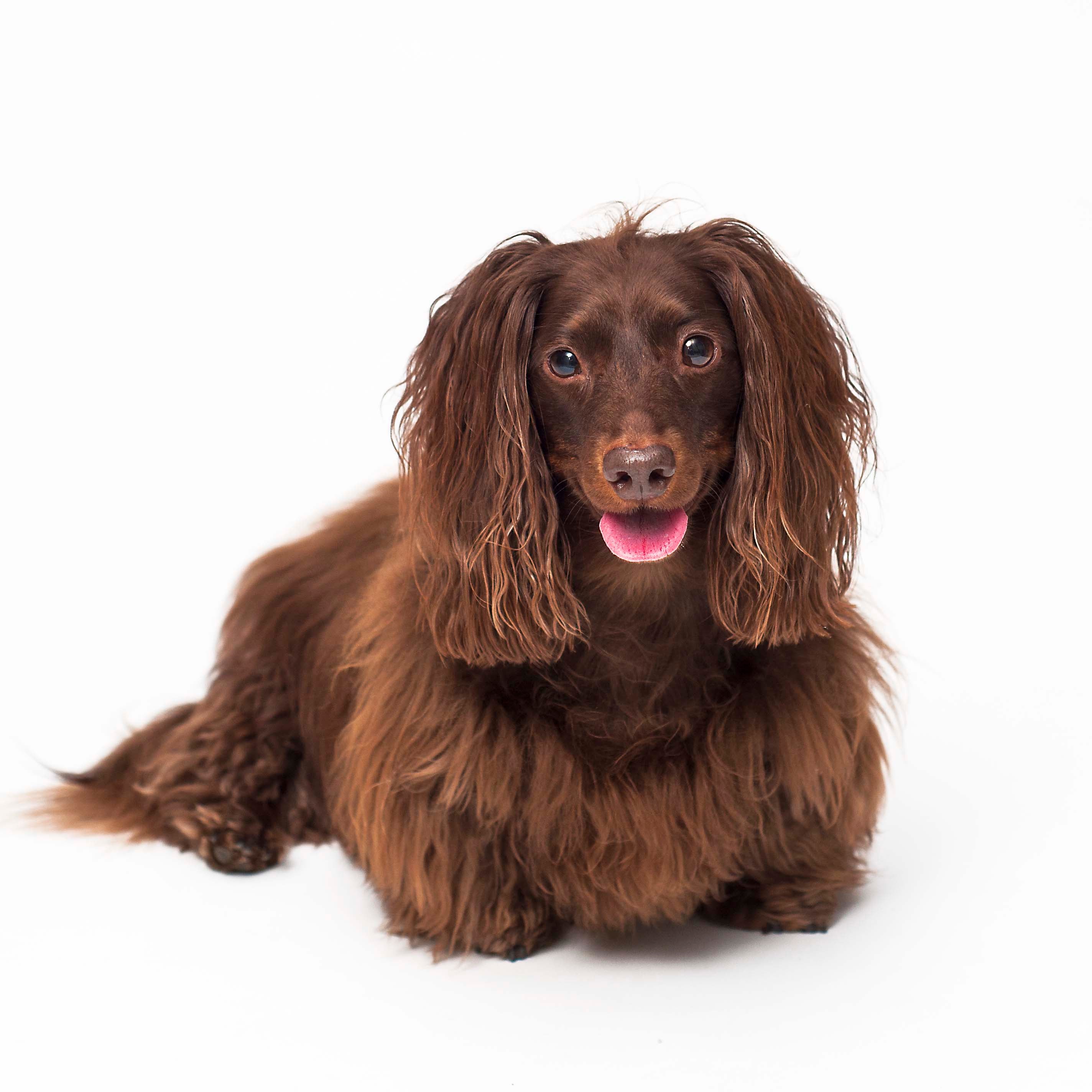
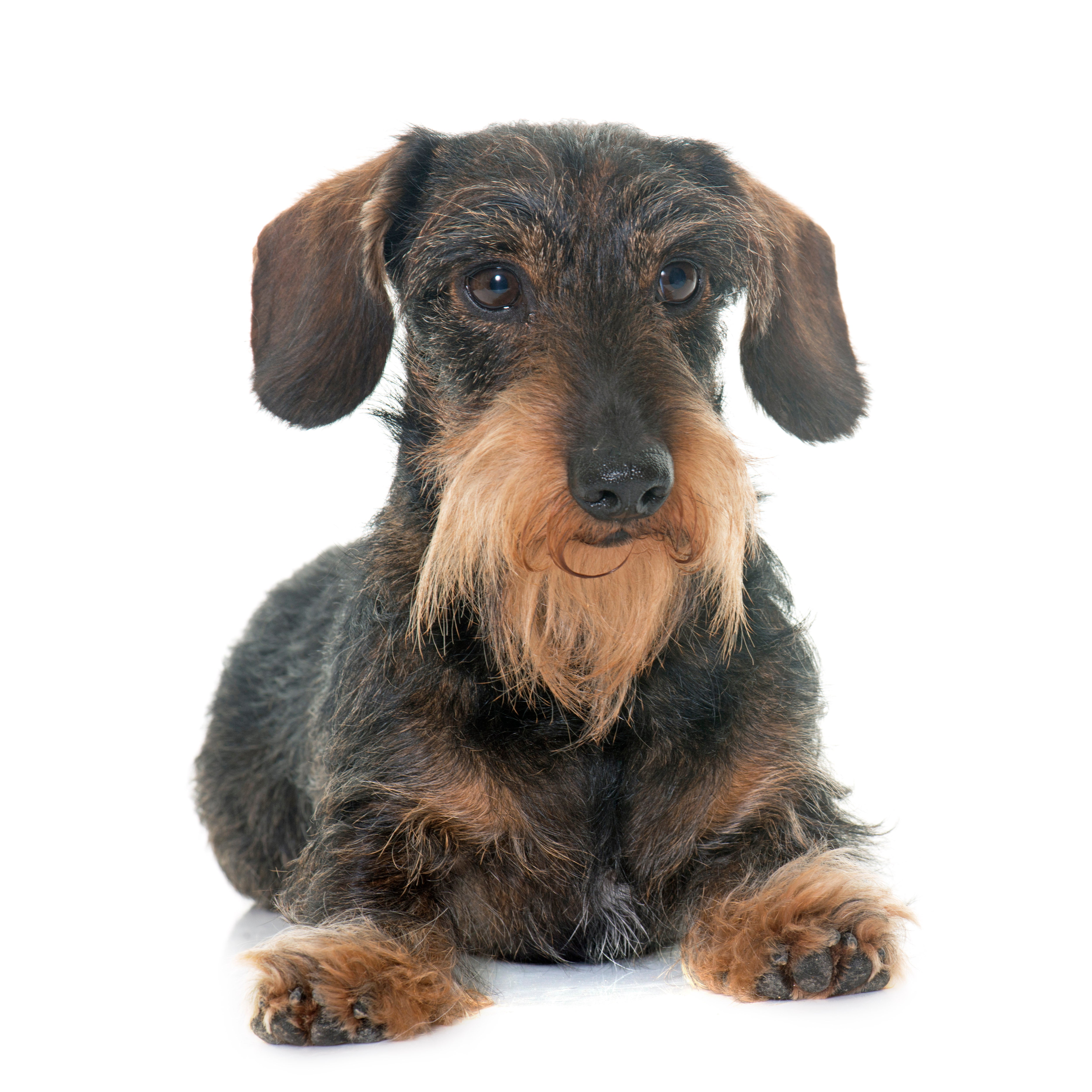
Teckel
The Dachshund, or Teckel, is a small breed known for their short legs and lively personality. These small gun dogs are available in Standard and Miniature sizes, with three coat types: Smooth, Longhaired and Wirehaired. They are alert watchdogs with a stubborn streak, requiring minimal exercise and thriving in small spaces, though ramps are recommended to protect their fragile backs. Grooming varies by coat type, with Smooth Doxies needing weekly brushing, while all need at least 30 minutes of gentle exercise daily.
Medium Sporting Dogs
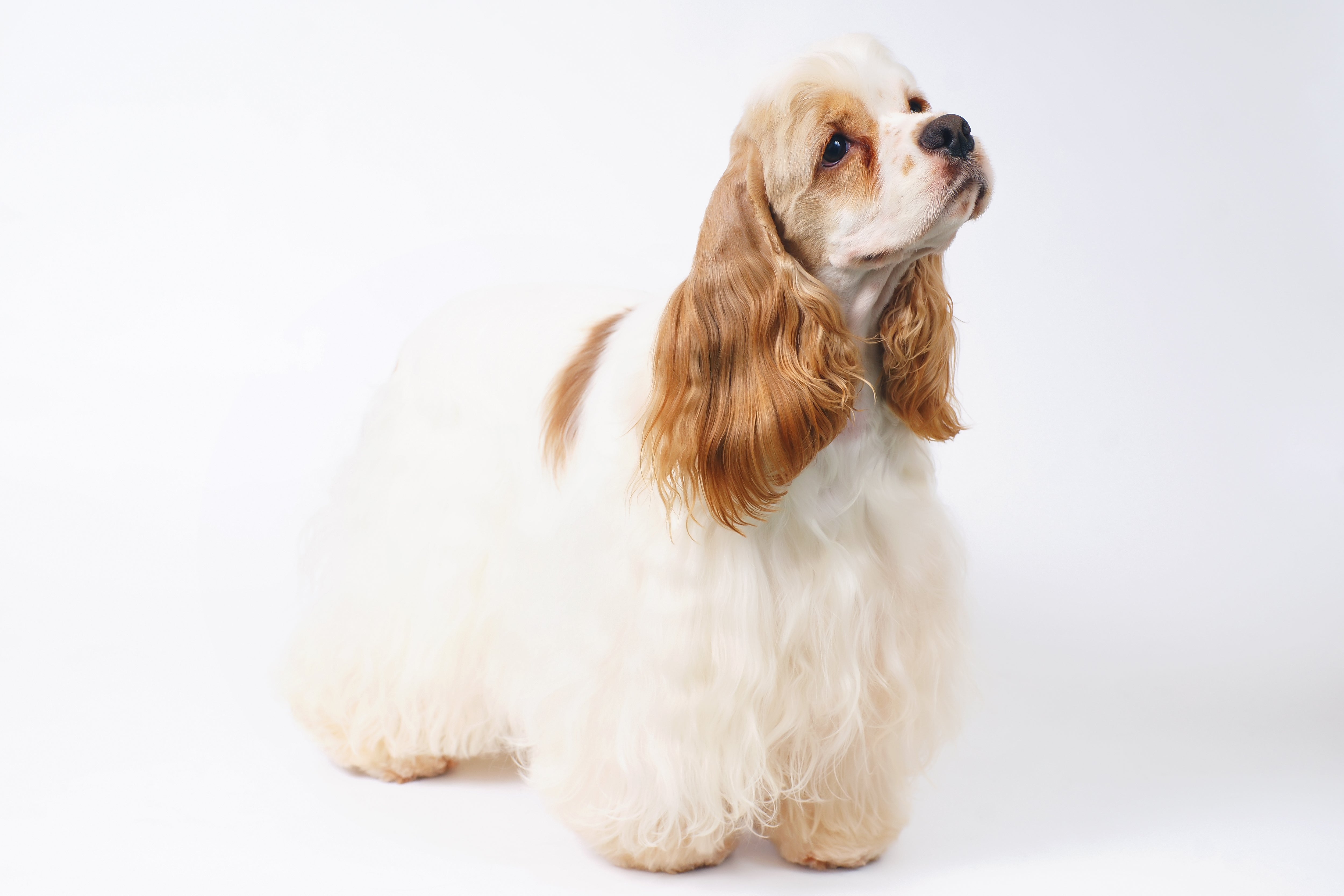
American Cocker Spaniel
American Cocker Spaniels are smaller than their English Cocker Spaniel counterparts, featuring a rounded head and a luxurious, flowing coat. They need plenty of exercise and gun dog training.
American Cocker Spaniels are energetic yet sensitive American gun dogs with a playful, confident personality, making them great family pets. They require regular grooming and exercise, thriving in environments with room to explore and play.
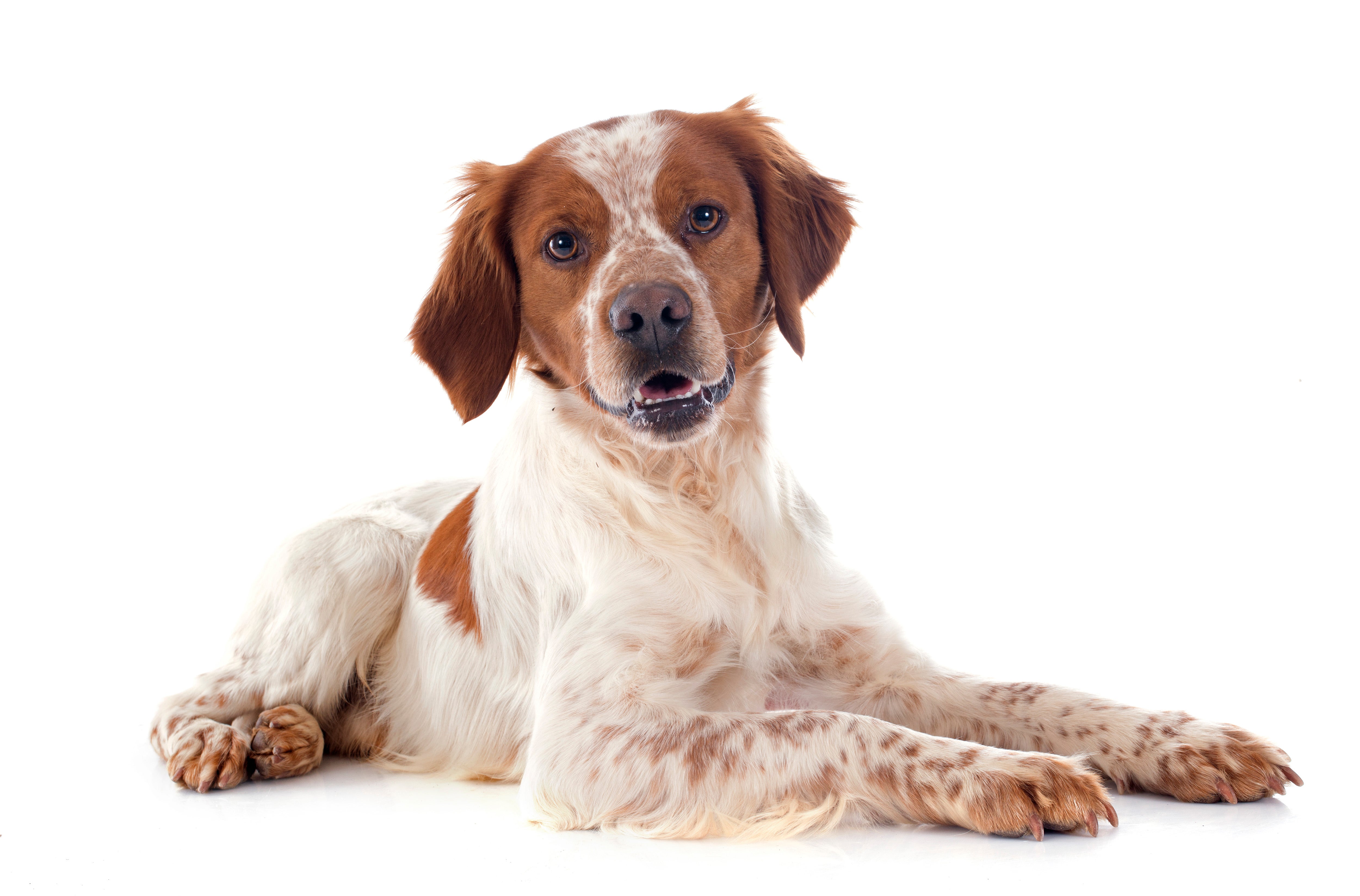
Brittany Spaniel
The Brittany Spaniel is a high-energy breed known for their agility and speed, requiring active owners who can provide mental and physical stimulation. They thrive on exercise and training, preferring quieter households as they can experience separation anxiety. Their medium-length coat needs brushing twice a week, and regular grooming of paw pads and ears is recommended.
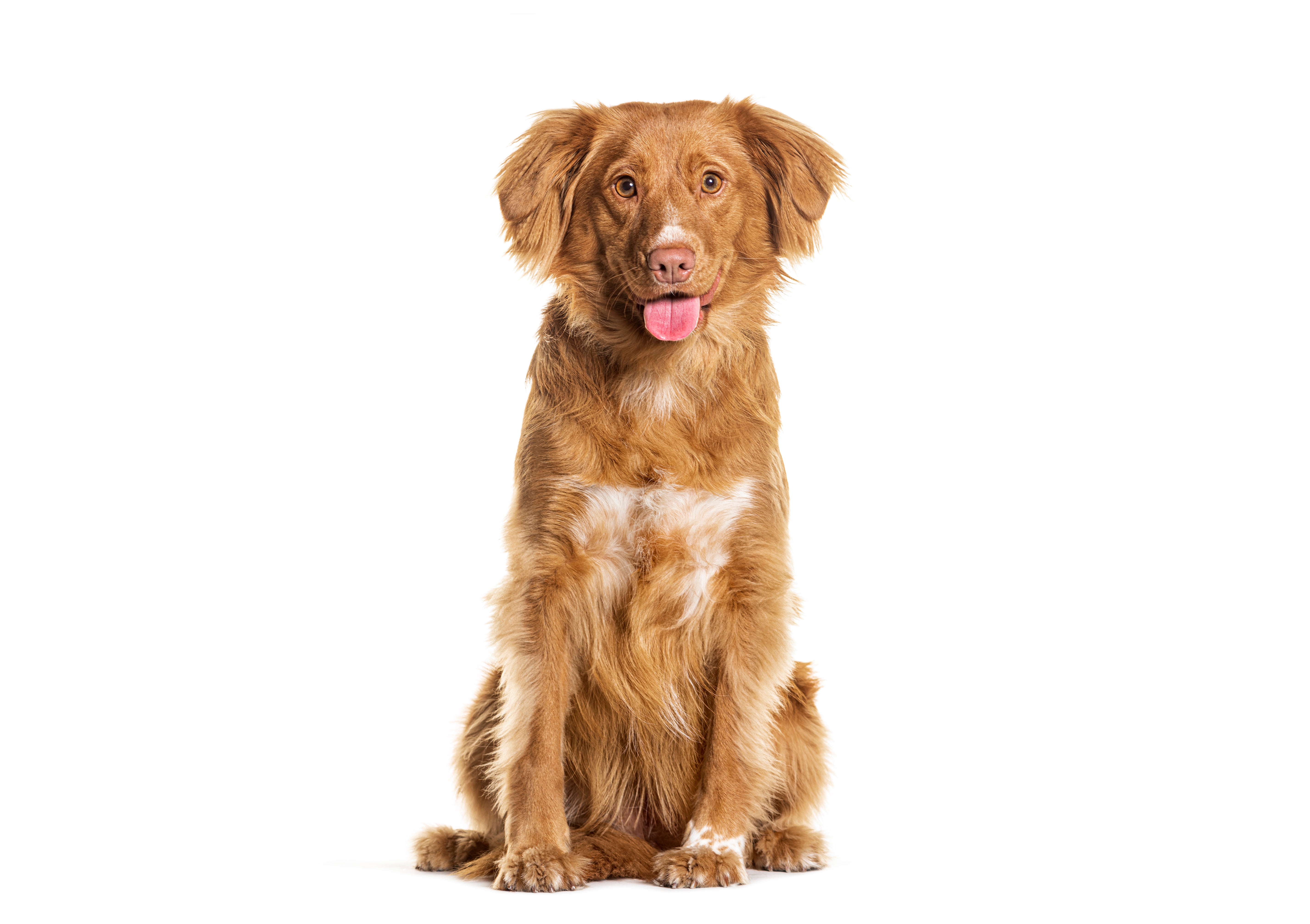
Nova Scotia Duck Tolling Retriever
The Nova Scotia Duck Tolling Retriever, or “Toller,” is a medium-sized, energetic breed with a striking red coat well-suited for water activities. Known for their playful personality and distinctive “Toller scream,” they are intelligent and adaptable but require regular exercise and grooming. Daily activities like swimming and fetching keep them happy and engaged, making them excellent companions for active families.
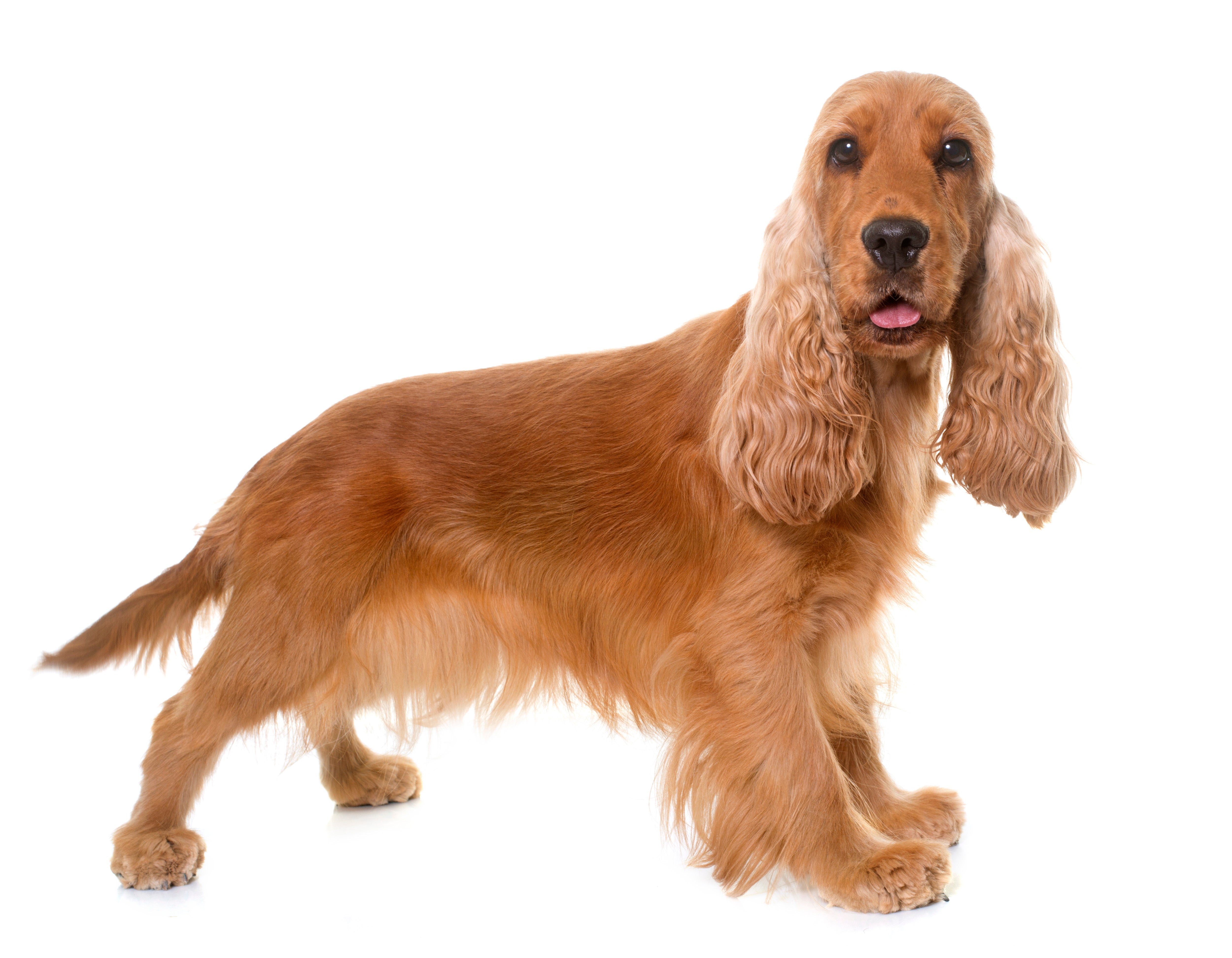
English Cocker Spaniel
Active and sweet, English Cocker Spaniels are loyal family pets with silky coats. They thrive in active households, require regular exercise and enjoy positive reinforcement training. Regular brushing and monthly trims are essential, along with weekly ear checks.
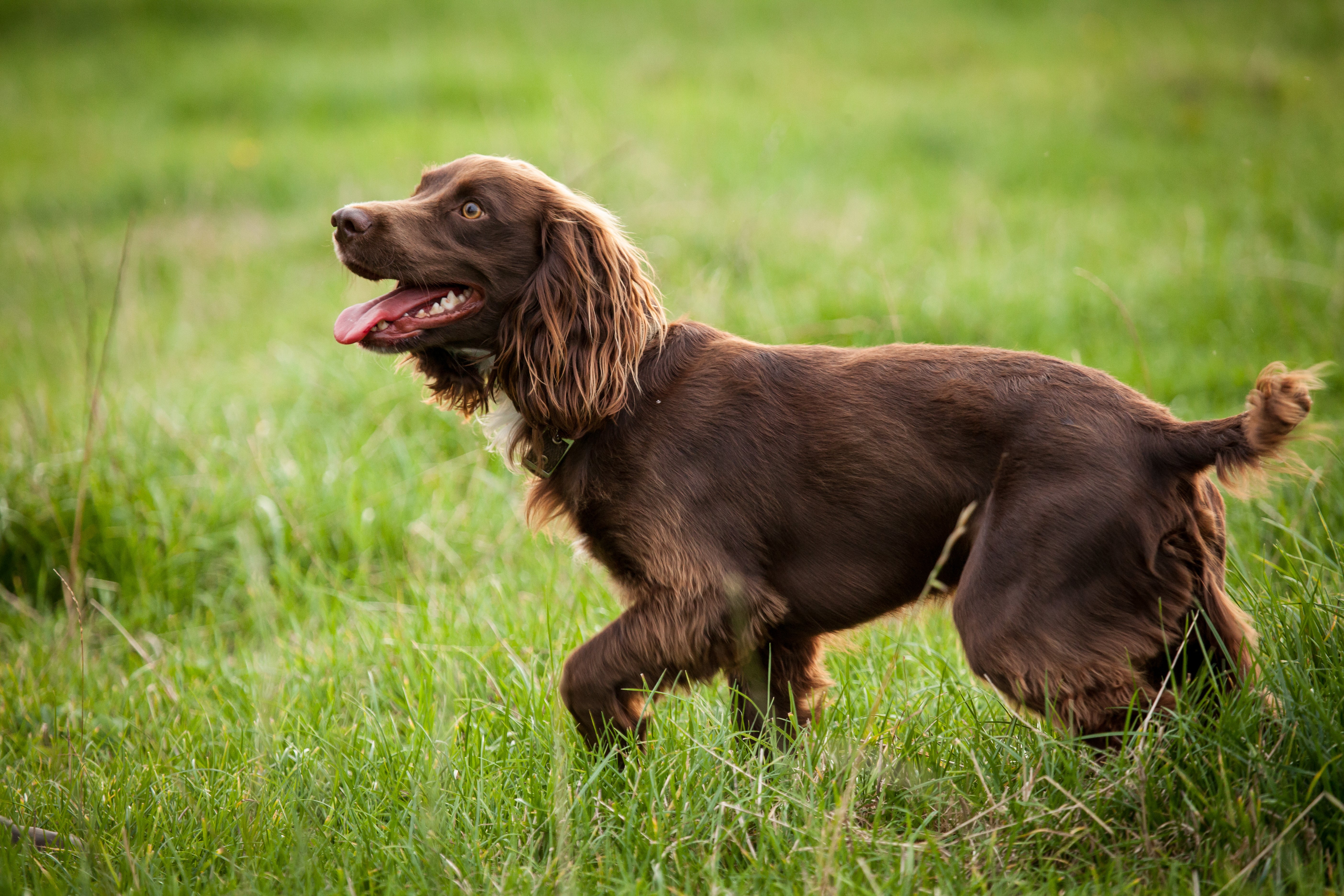
Boykin Spaniel
The Boykin Spaniel is a friendly and eager breed that enjoys outdoor adventures and is easy to train, making them great for active novice owners. Developed in the early 1900s, they thrive on human companionship and have moderate to high energy levels, excelling in running and swimming. Their grooming needs are minimal, requiring only weekly brushing and occasional baths.
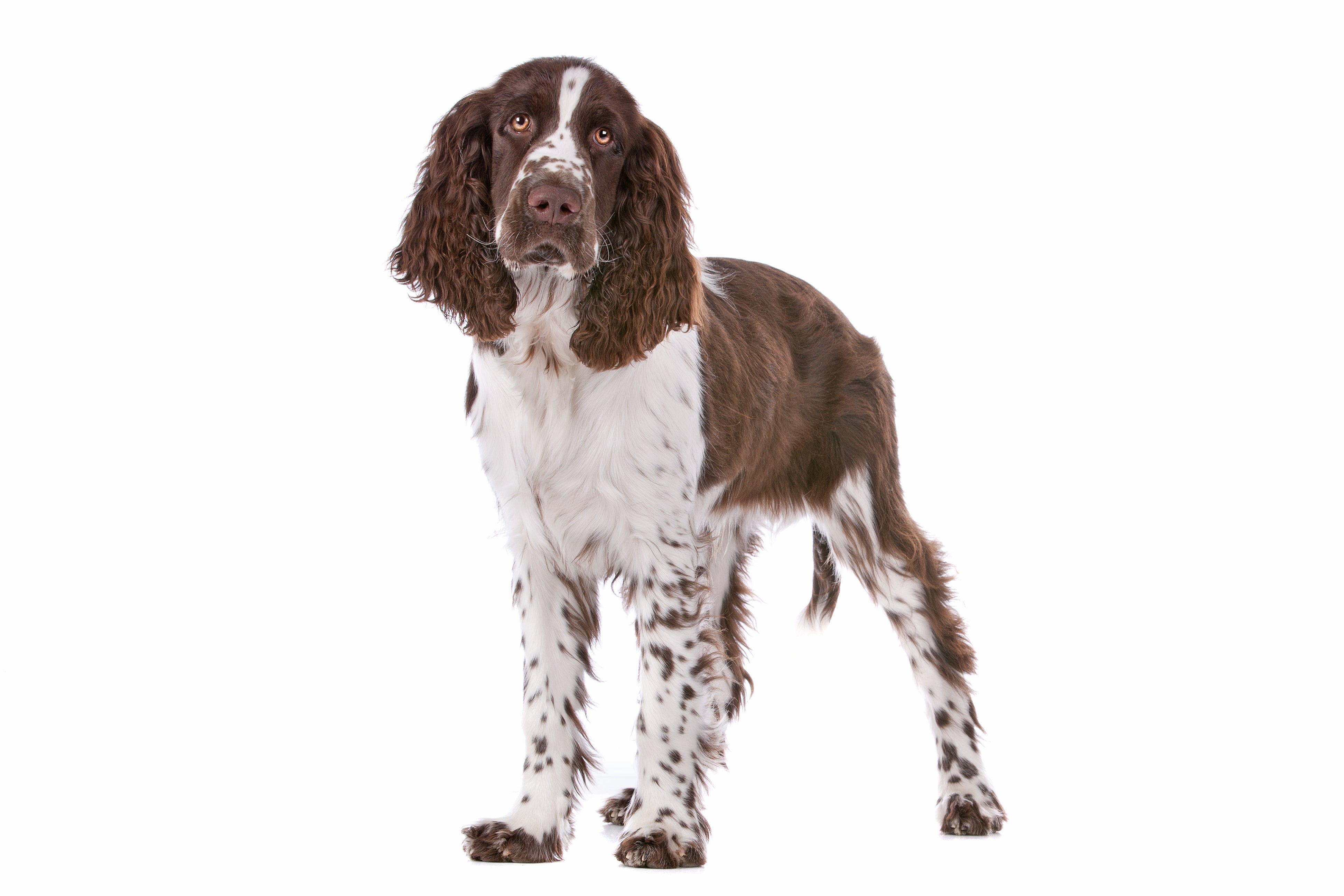
English Springer Spaniel
English Springer Spaniels are energetic, well-mannered dogs that thrive on human companionship and require plenty of mental and physical exercise. They need early training and socialization to avoid developing bad habits and do best with active families. Their flat, wavy coat requires regular grooming, especially after outdoor play.
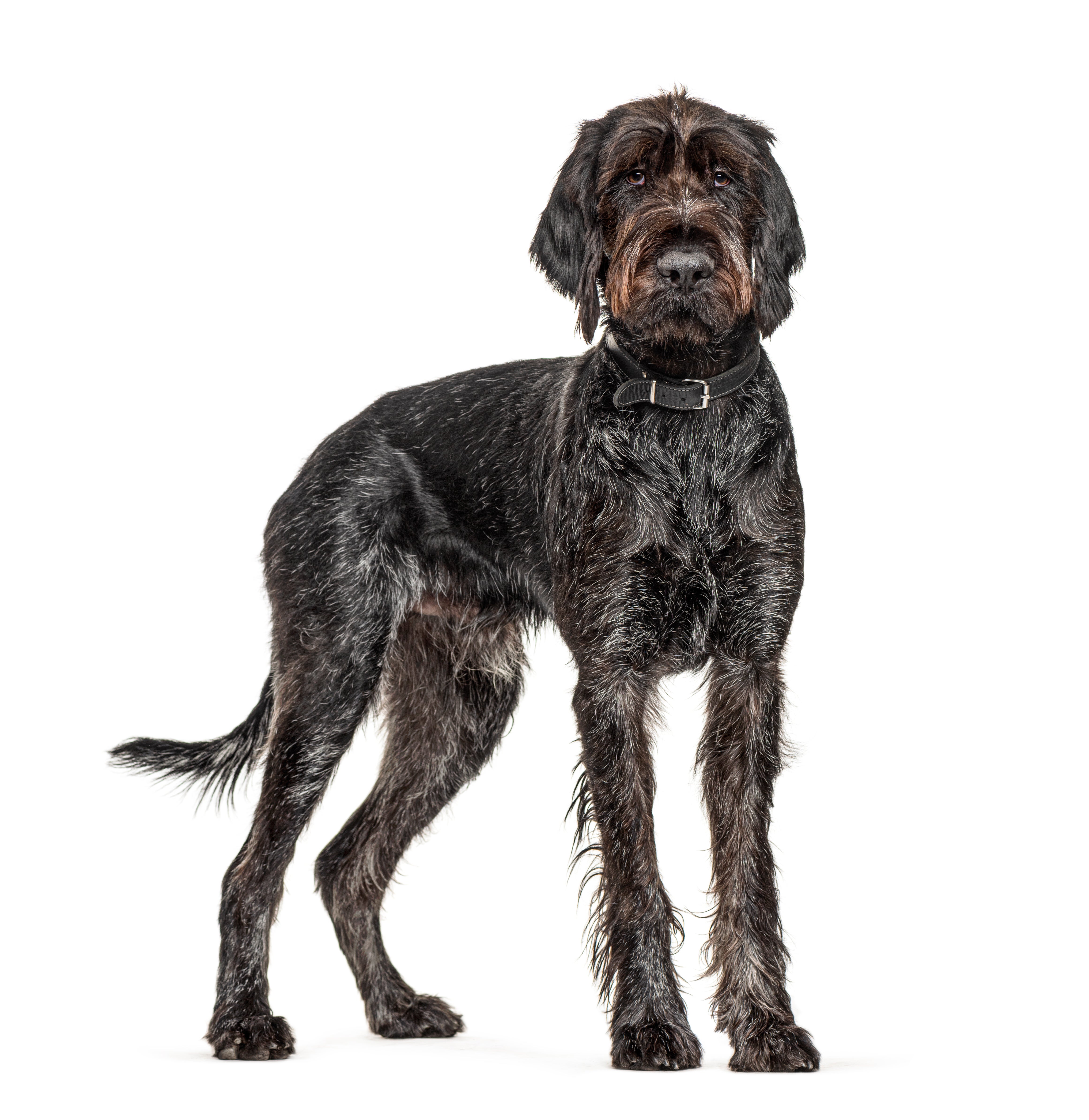
Korthals Griffon
The Wirehaired Pointing Griffon, or the Korthals Griffon, is a sturdy, friendly dog known for their athleticism and medium-length wiry coat. They thrive in active families, requiring physical and mental stimulation and are easy to train. While they shed minimally, regular grooming and ear care are essential to keep them healthy.
Lagotto Romagnolo
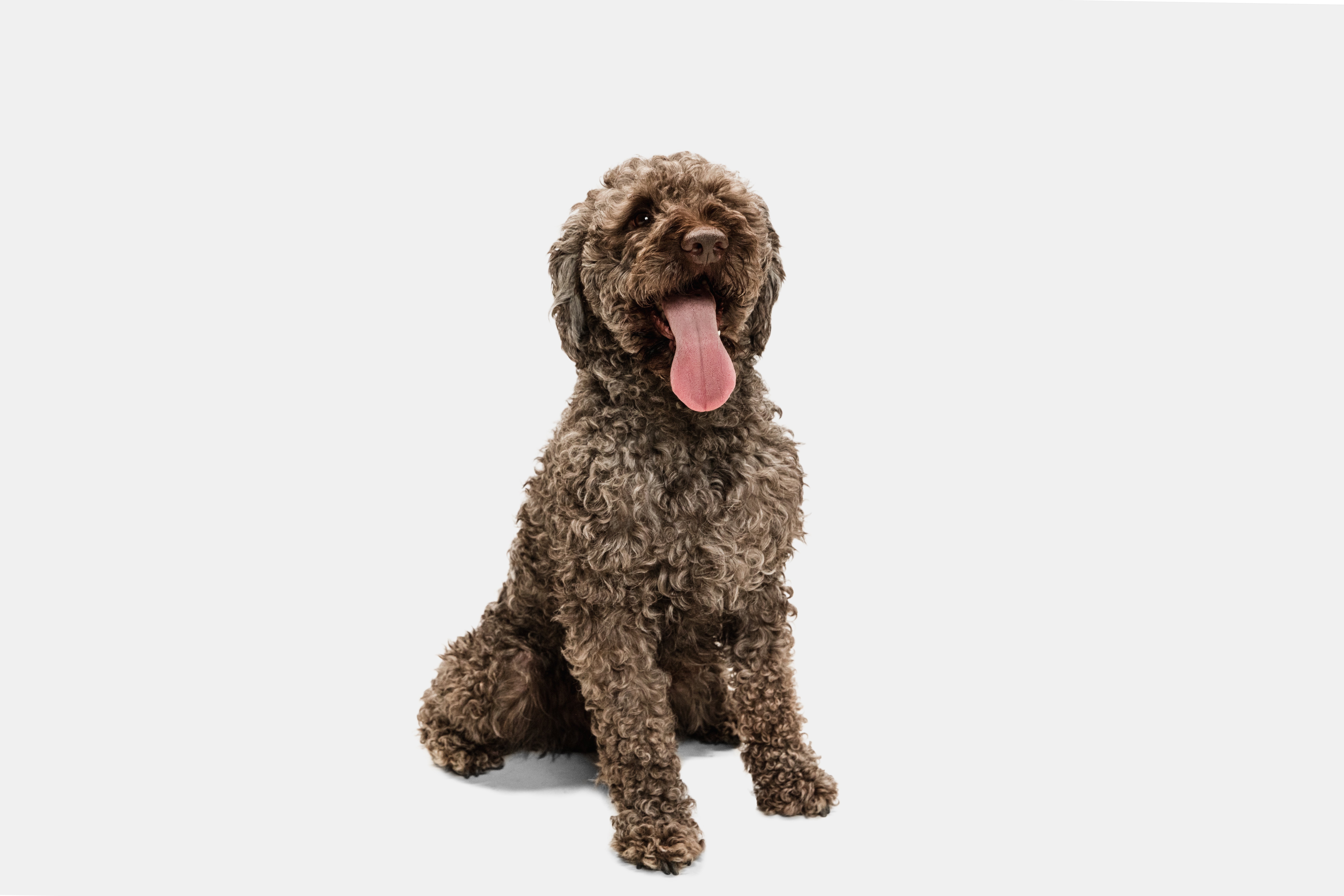
Lagotto Romagnolos, known as “Truffle Dogs,” are medium-sized breeds with curly coats. They were initially bred for duck hunting but are now prized for their truffle-scenting abilities. They are friendly companions that thrive with active owners and require regular grooming, exercise and mental stimulation. Hypoallergenic and non-shedding, they need positive reinforcement in training and attention to their sensitive ears.
Bavarian Mountain Hound
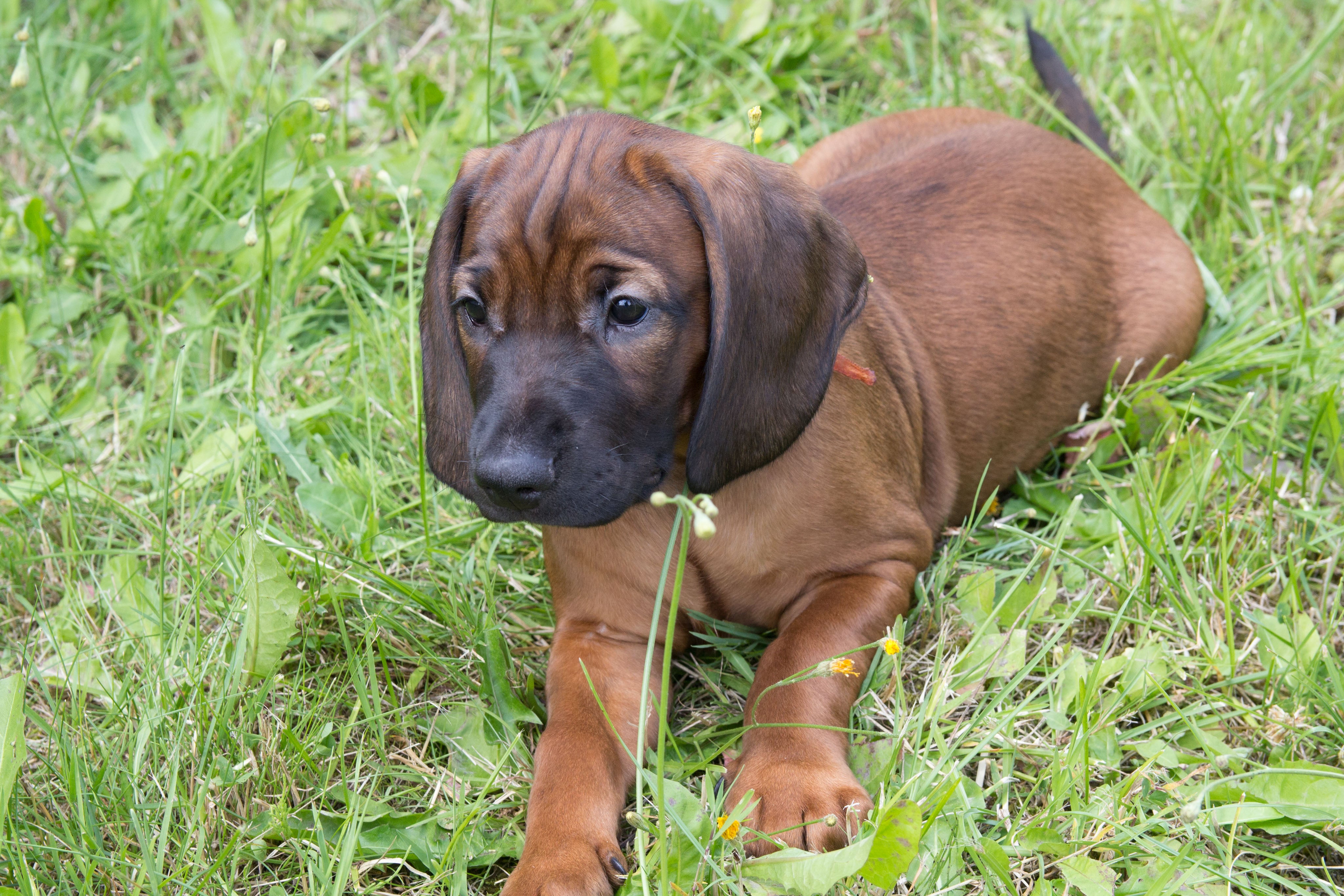
The Bavarian Mountain Hound is a muscular and devoted scent hound.
Originating from the hunting traditions of Germany, the Bavarian Mountain Hound is a product of crossbreeding the rare Hanoverian Hound with other hunting dogs, designed to track wounded game in challenging terrain. With strong tracking instincts and a calm yet courageous personality, they require an active owner who can provide ample exercise and training. Their dense coat needs regular grooming, and they thrive in environments that allow them to engage in tracking and trailing.
Spanish Water Dog
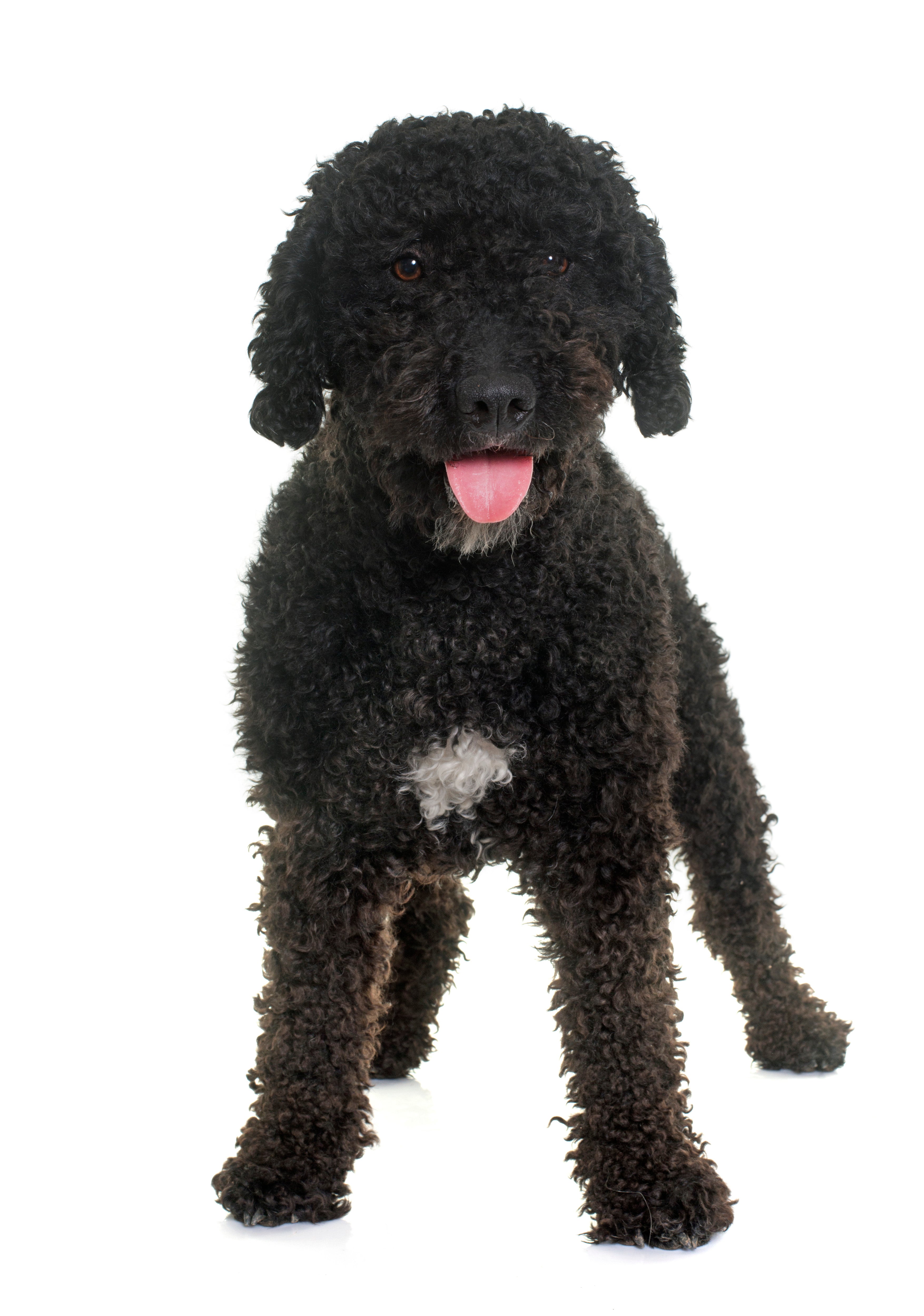
The Spanish Water Dog is a medium-sized, energetic breed known for their curly coat and love for swimming, making them great family companions. They are friendly, intelligent and protective, thriving on mental and physical challenges, but they don’t do well when left alone for long periods. Regular grooming is needed to maintain their wiry coat, and both adults and puppies require appropriate levels of exercise to stay healthy and happy.
Barbet
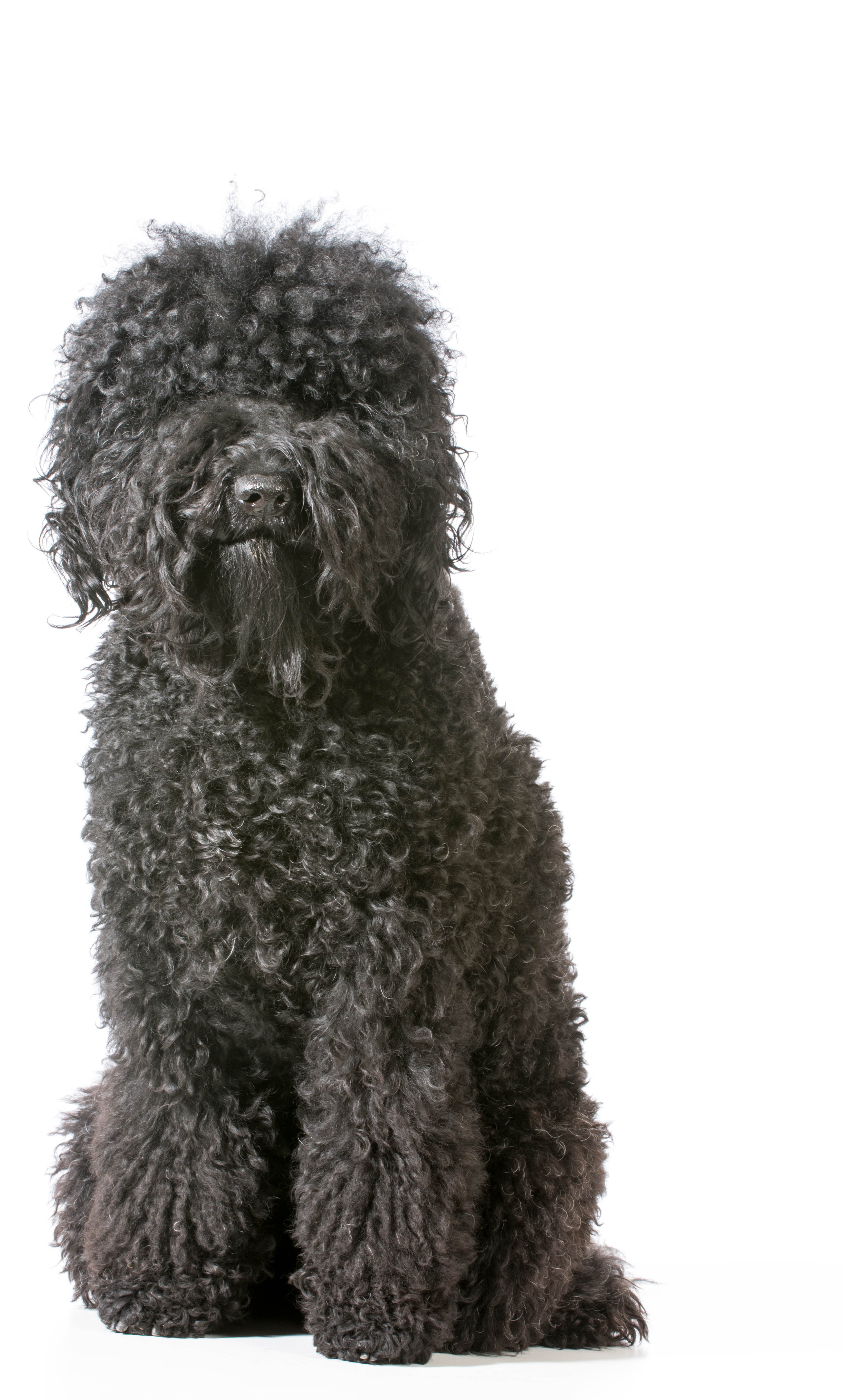
Barbets are medium-to-large hunting dogs and a water breed known for their thick, curly coats and love of water. They thrive in active families and require regular exercise, mental stimulation and frequent grooming to prevent matting. Training is enjoyable; they are eager to please and excel with positive reinforcement.
Bracco Italiano
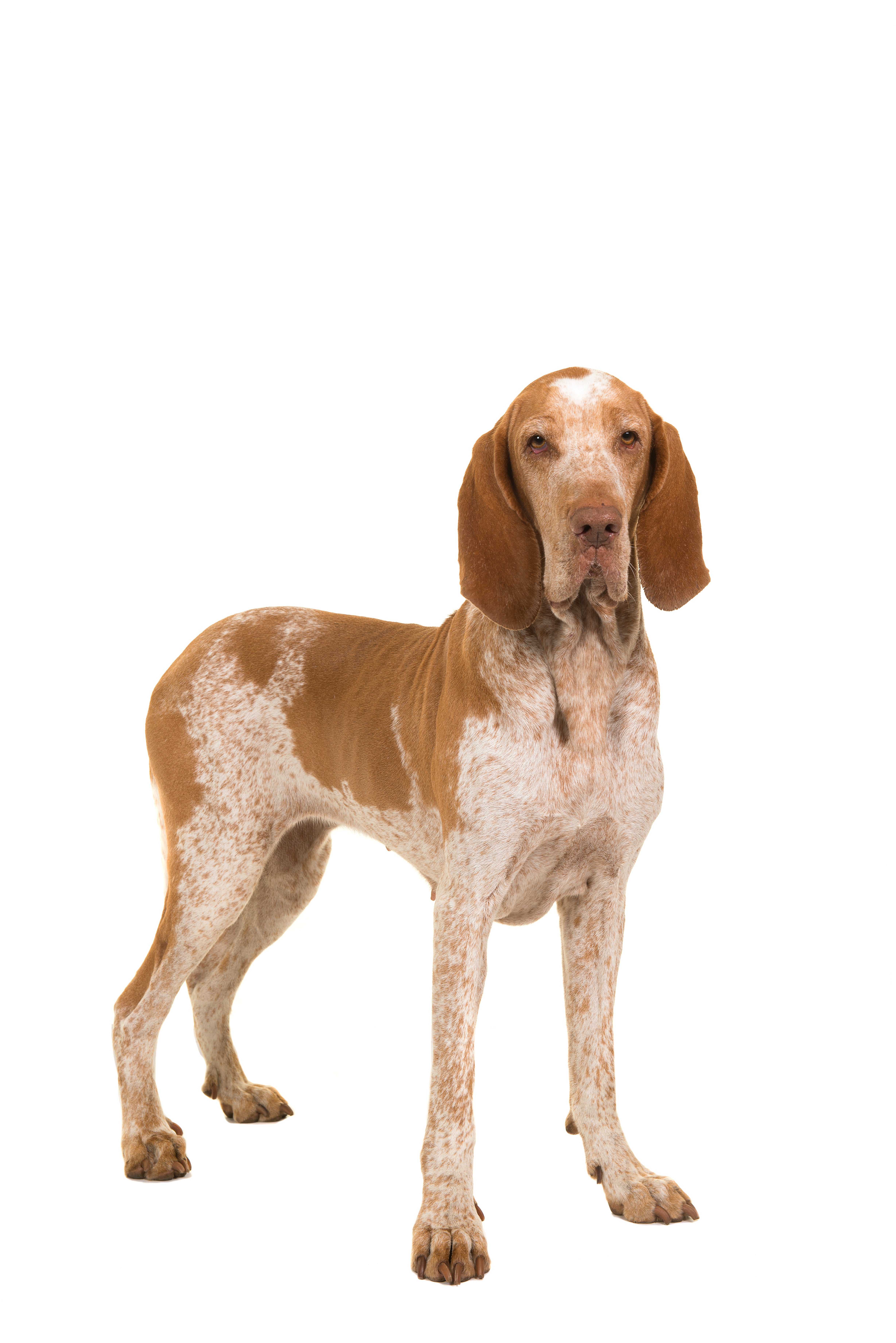
The Bracco Italiano is a strong and active dog known for their distinctive head shape and powerful movement, making them ideal for active families. Originally used for hunting, they require experienced owners and over two hours of weekly exercise to stay well-behaved. Their short coat is low maintenance, needing weekly grooming to keep it in good condition.
Welsh Springer Spaniel
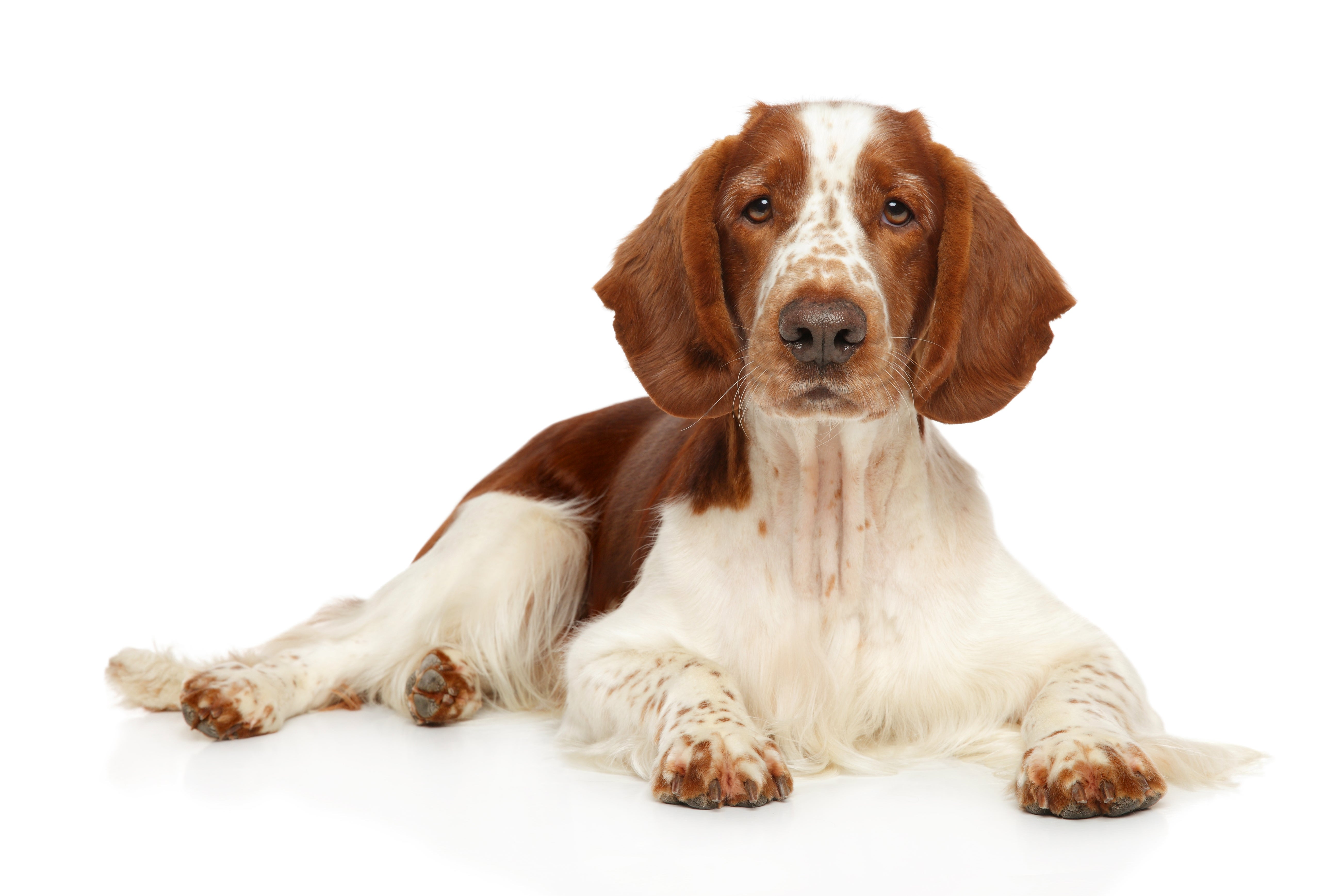
The Welsh Springer Spaniel is a compact, substantial dog with a powerful stride and a water-resistant coat featuring rich red markings on white. Known for their soft expressions and easygoing nature, they make excellent companions and hardworking partners.
They are smaller gun dog breeds than their English counterparts, with a playful yet intelligent demeanor. They require regular exercise. Grooming needs include routine brushing and trimming, and regular checks of their ears and paws to prevent infections.
Vizsla
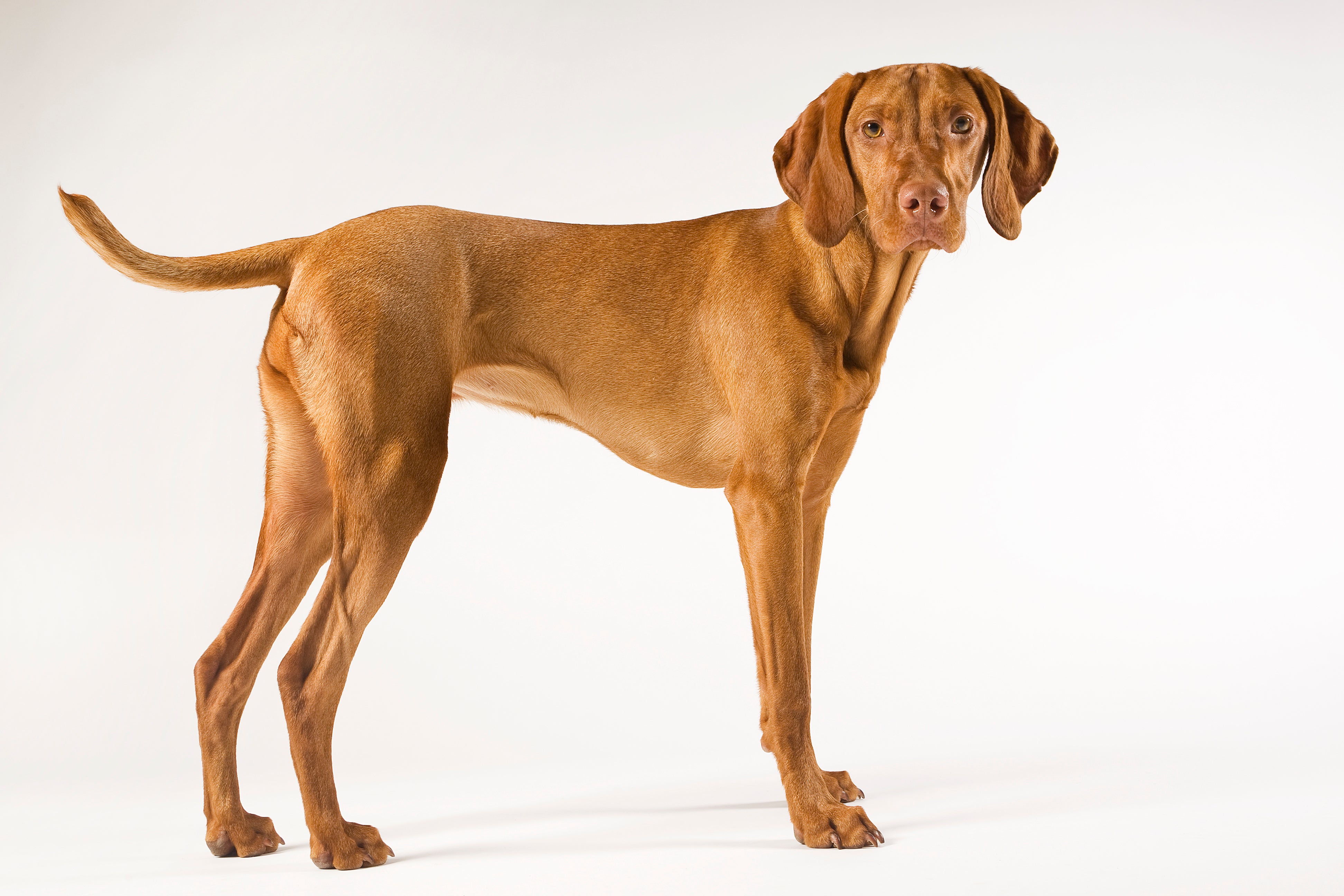
The Vizsla is a medium-sized dog known for their sleek golden-rust coat and affectionate nature, with two varieties: the short-coated Hungarian Vizsla and the Hungarian Wirehaired Vizsla, which is leaning towards large gun dogs with a thicker coat. Grooming is low-maintenance, and they benefit from daily activities and mental stimulation to stay happy and healthy.
American Water Spaniel
The American Water Spaniel is an energetic and loyal dog known for its swimming abilities and charming personality. Originally from the Upper Midwest, they thrive in active families and require consistent training, exercise and early socialization. Their waterproof, brown coats need regular brushing, and they enjoy outdoor adventures to stay mentally and physically stimulated.
Field Spaniel
Field Spaniels are intelligent, gentle dogs that make excellent family pets, known for their distinctive shiny black or liver coats. They thrive in low-key environments and require consistent training, daily playtime and exercise. Grooming needs to involve regular brushing to prevent tangles.
Sussex Spaniel
The Sussex Spaniel is a sturdy, heavily built dog with short, strong legs and a rich golden coat that lightens at the tips. They have a broad head and a serious yet quizzical expression.
They may be slower than small hunting dog spaniels but love outdoor adventures, which can lead to muddy outings. They require early socialization, regular exercise of about two hours daily and consistent positive training methods to channel their gundog traits effectively. Grooming involves regular brushing and ear checks to keep them healthy.
Large Sporting Dogs
Golden Retriever
Golden Retrievers are the quintessential American dogs, known for their athleticism, strength and cuteness.
Goldens are a mix of Yellow Retriever, Tweed Water Spaniel, Irish Setter and Bloodhound. They require daily physical and mental stimulation to thrive and can adapt to various living situations if exercised regularly. Regular grooming is essential to maintain their beautiful coats and prevent matting.
Labrador Retriever
The Labrador Retriever is a lively and loyal breed originally bred as companions for fishermen and hunters. With their friendly nature, Labs thrive on human interaction and require plenty of exercise and mental stimulation to stay healthy and happy. They have a low-maintenance coat but need regular grooming, especially during shedding seasons.
Weimaraner
The Weimaraner is a tall gundog with a sleek silver-grey coat and comes in short-haired and less common long-haired varieties. They are energetic and friendly, requiring experienced owners who can provide training, socialization and over two hours of daily exercise. Grooming is low-maintenance for short-haired dogs but requires regular brushing for long-haired ones, and both types thrive in rural environments with ample space to play.
Irish Setter
Irish Setters are big hunting dogs known for their rich, chestnut to mahogany coats. While similar to the Irish Red and White Setter, they are taller and feature a silky, flat coat with feathering on the legs, ears and tail. They are affectionate and loyal but require significant exercise and consistent training due to their strong hunting instincts. Daily grooming is essential to maintain their long coat and prevent tangling, along with regular ear cleaning to avoid infections.
Chesapeake Bay Retriever
Chesapeake Bay Retrievers are large, active dogs with dense, waterproof coats known for their strong swimming abilities. They require energetic owners who enjoy outdoor activities and need regular exercise, along with training through positive reinforcement. Grooming involves occasional brushing, as overbrushing can damage their coat.
English Setter
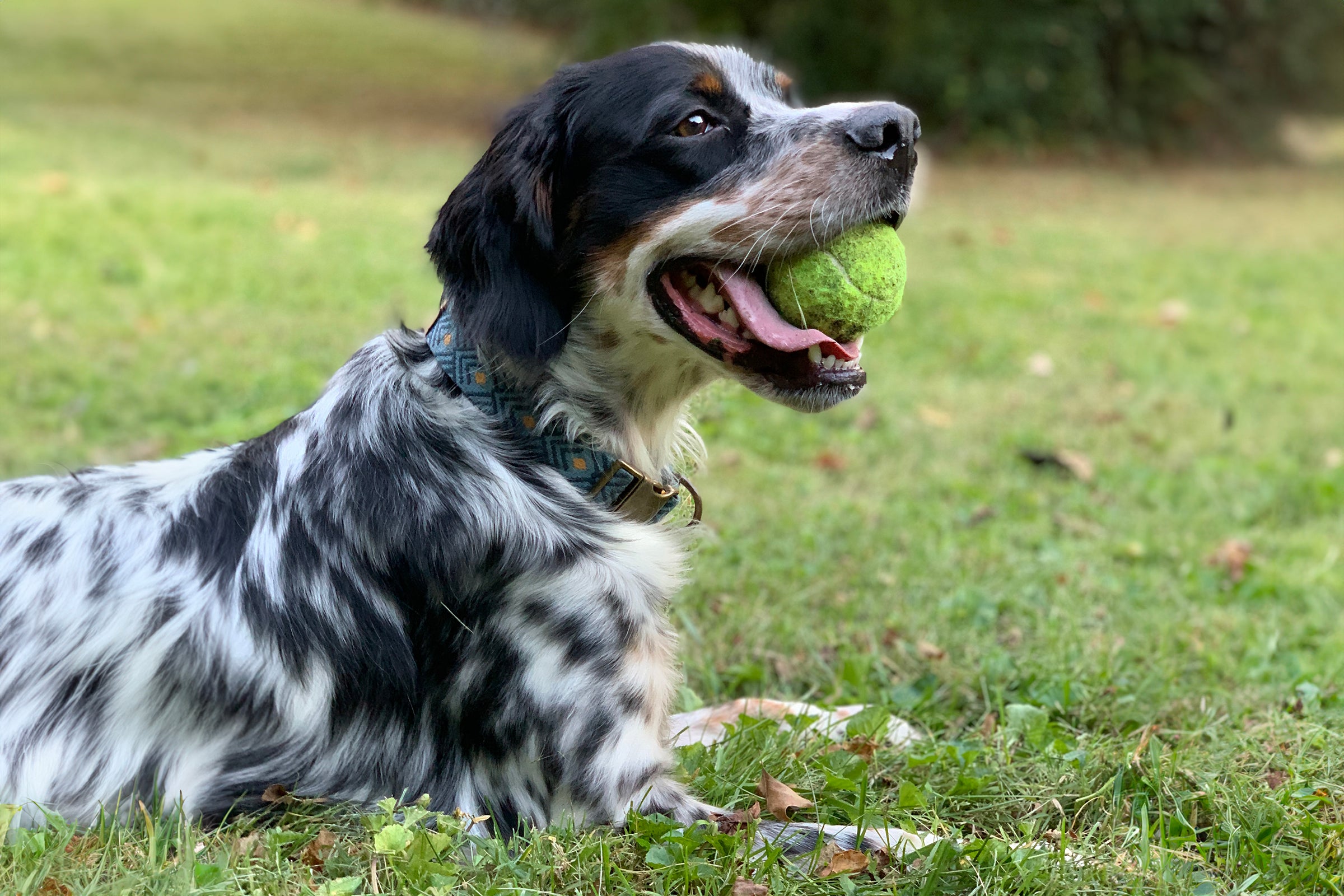
The English Setter is a large, elegant breed with long, silky coats in a flecked color pattern called “Belton.” They are friendly and easygoing but need space and prefer countryside living, requiring patience during training due to their distractions. Regular grooming is necessary to prevent matting, and they need several hours of varied outdoor exercise daily.
Clumber Spaniel
The Clumber Spaniel is a gentle, low-slung breed known for its soft coat and devoted personality. They are well-suited for families with older children and adapt well to various living environments, although they thrive in rural or suburban areas. Regular grooming is required to maintain their coat, and they enjoy long walks and scentwork for exercise.
Flat-Coated Retriever
The Flat-Coated Retriever, with power and grace, has a charming personality that makes them affectionate family companions. They require regular exercise and daily grooming to maintain their thick coat. Ideal for active individuals or families, they excel in varied activities like running, swimming and retrieving.
Pointer
Pointer dogs are tall, muscular, graceful and known for their excellent scenting abilities and distinctive “pointing” pose. They are friendly and affectionate and bond closely with their families, requiring at least two hours of exercise daily to stay fit. Grooming is straightforward, but occasional brushing and regular coat inspections are needed.
Various Pointer breeds include English Pointers, Italian Pointers (Bracco Italianos), Spanish Pointers, the German Shorthaired Pointer (sometimes misspelled as “German Shortaired Pointer”), German Longhaired Pointer, German Wirehaired Pointer, Portuguese Pointer, Slovakian Rough-haired Pointer and Auvergne pointer (Braque d’Auvergne). The English Pointer is athletic with a white coat featuring liver or lemon markings, while the Bracco Italiano and Spanish Pointers have chestnut or white coats.
Gordon Setter
The Gordon Setter is a tall and majestic gundog with a glossy black and tan coat, requiring plenty of exercise and space to thrive. Known for their sensitive nature, they need patient training and are best suited for homes with older children due to their boisterousness. Regular grooming, several hours of daily physical activity and mental engagement are essential for their health and happiness.
Irish Water Spaniel
The Irish Water Spaniel is the tallest of the Spaniel breeds, known for their striking liver-colored ringlet coat and history as a water retriever. These fun-loving and sensitive dogs require patient training, a large, fenced yard and plenty of exercise, making them ideal for active families. Regular grooming is necessary for their curly coat, and they thrive in outdoor activities, needing an owner who can match their energy level.
Curly-Coated Retriever
The Curly-Coated Retriever is a graceful and agile breed with tightly wound curls, known for being confident yet affectionate. They thrive in active families with ample space for exercise and are best suited for older children. Regular grooming is needed for their thick coat, and they require vigorous exercise, including off-leash running and swimming.
Italian Spinone
The Italian Spinone is a large, shaggy, friendly breed known for their robust build and dense coat. With a playful nature and a strong work ethic, they thrive on outdoor adventures and require ample exercise, needing at least two hours daily. Their grooming needs include regular brushing and cleaning the beard, ears and paws, making them better suited for larger homes with open spaces.
How to Choose a Sporting Dog & Is This Breed Right for You
Bringing a sporting dog into your life can be an exciting yet important choice. These energetic companions require a significant commitment. To help you determine if a sporting dog is the right fit, consider the following:
- Exercise Needs: Sporting dogs thrive on at least two hours of daily exercise, regardless of the weather. A sporting dog might be a great fit if you’re active outdoors.
- Training: Training is essential for sporting dogs who enjoy working with their owners. Make sure you can provide them with the training they need.
- Grooming: Grooming varies by breed. Make sure you know the dog’s grooming needs. Attention to feathering and ears may be necessary, along with cleaning up after outdoor play.
- Noise Levels: Generally quiet, sporting dogs may vocalize when excited, so you’d need to expect occasional barking.
- Affection: Known for their affectionate nature, sporting dogs bond closely with their families and express love through cuddling and play. Choose sporting dogs if you can provide them with the affection they need.
- Play Time: Engaging your sporting dog in play is vital for their happiness. They excel in games like fetch and scent work, and toys that dispense treats can provide mental stimulation and entertainment.
By reflecting on these considerations, you can better assess if a sporting dog meets your needs and can integrate seamlessly into your lifestyle, and then the next step will be choosing the best name for your pup!
Bonding with your Sporting Dog
Building a strong bond with your sporting dog is essential; touch is a key part of this connection. Regular grooming and gentle massages help them relax and create positive associations from a young age. Shared activities like long walks and training classes allow your dog to explore and express their affectionate nature, as they often enjoy being close to their owners. Their enthusiasm for being involved in every aspect of your life, even if it means bringing some mud, highlights their energetic spirit. Provide plenty of exercise and a suitable environment to keep these loving companions happy and fulfilled.
Before welcoming a new dog, use resources like the new dog adoption checklist and learn how to prepare your space for a new canine companion to prepare your home for a smooth transition. Considering their needs will help you build a happy bond with your new furry friend.
For more expert tips and information on other dog breeds, explore additional dog and puppy breed group articles.