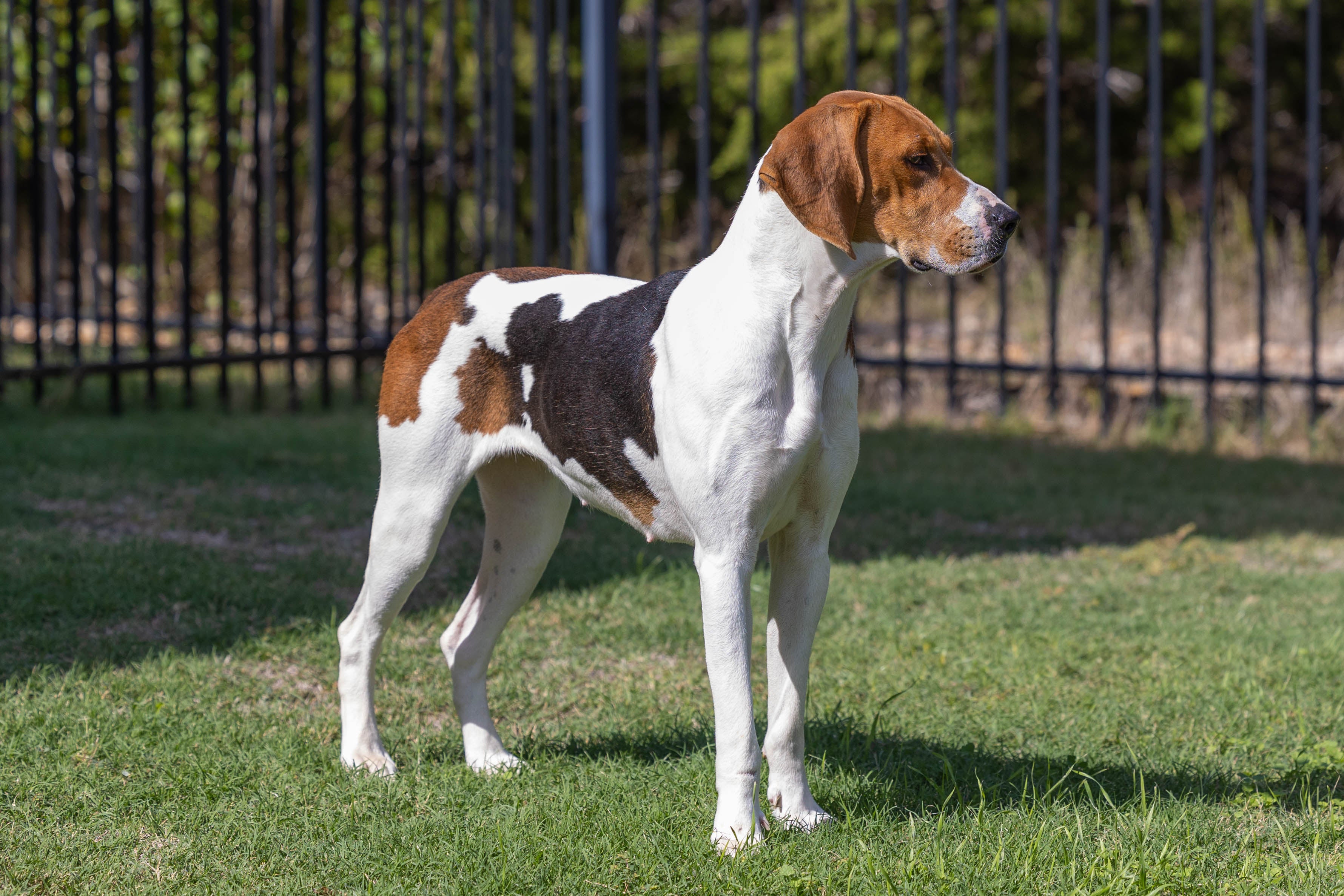
Note: While the breeds in this collection tend to be hound dogs, individual pets will vary. Please consult the adoption organization for details on a specific pet.
The hound group, one of the American Kennel Club’s (AKC) seven official breed groups, encompasses some of the most instinct-driven dogs in the canine world. Known for their history of tracking and hunting, hounds have a unique blend of traits that sets them apart—from their powerful senses to their determined personalities. For new dog owners, understanding a hound dog’s needs and instincts is key to forming a lasting, healthy bond. While they make loyal companions, their care often involves thoughtful exercise, mental stimulation, and training rooted in patience and consistency. With the right guidance, hound dogs can transition from specialized hunting roles to well-adjusted members of a modern household.
What is a Hound Dog?
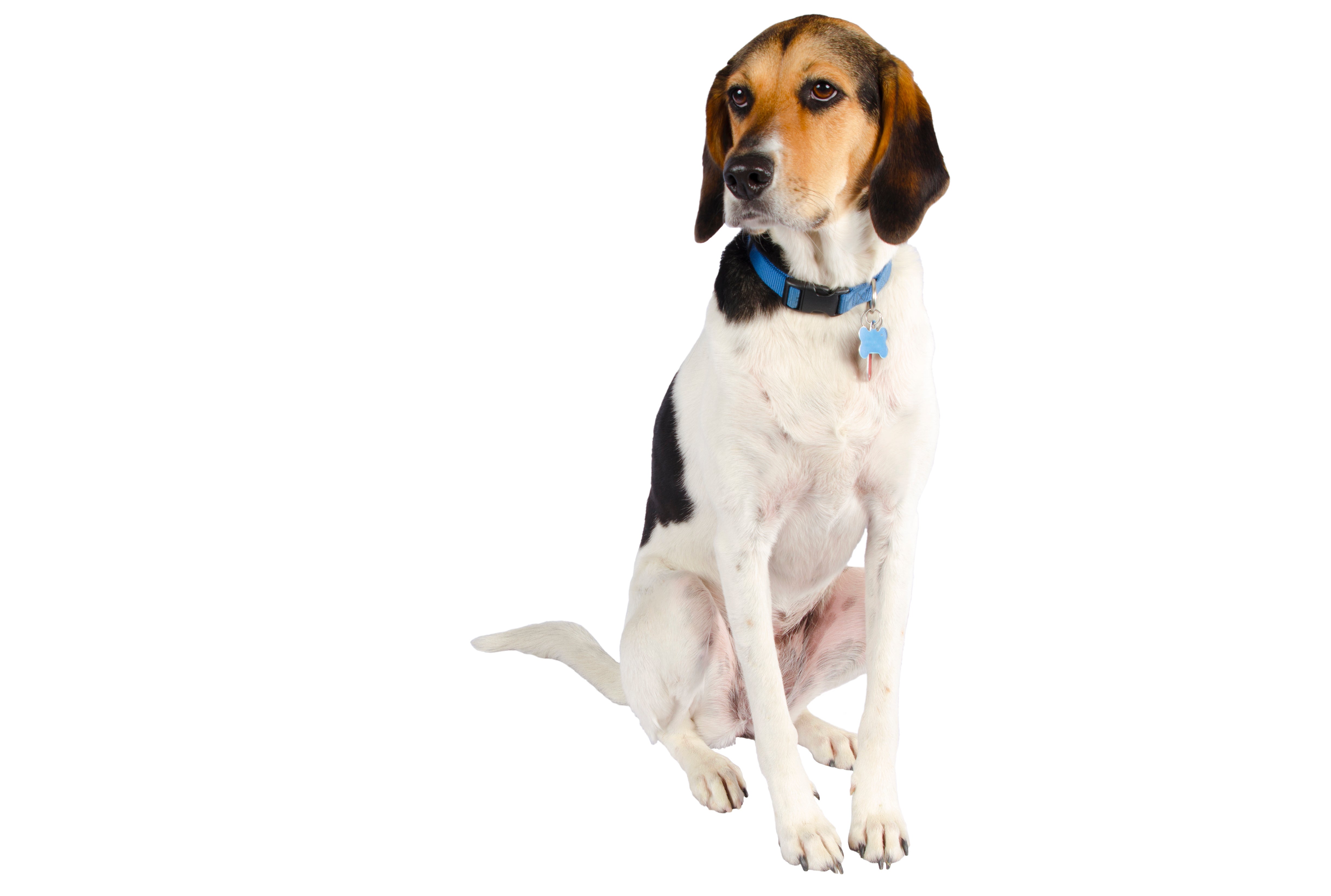
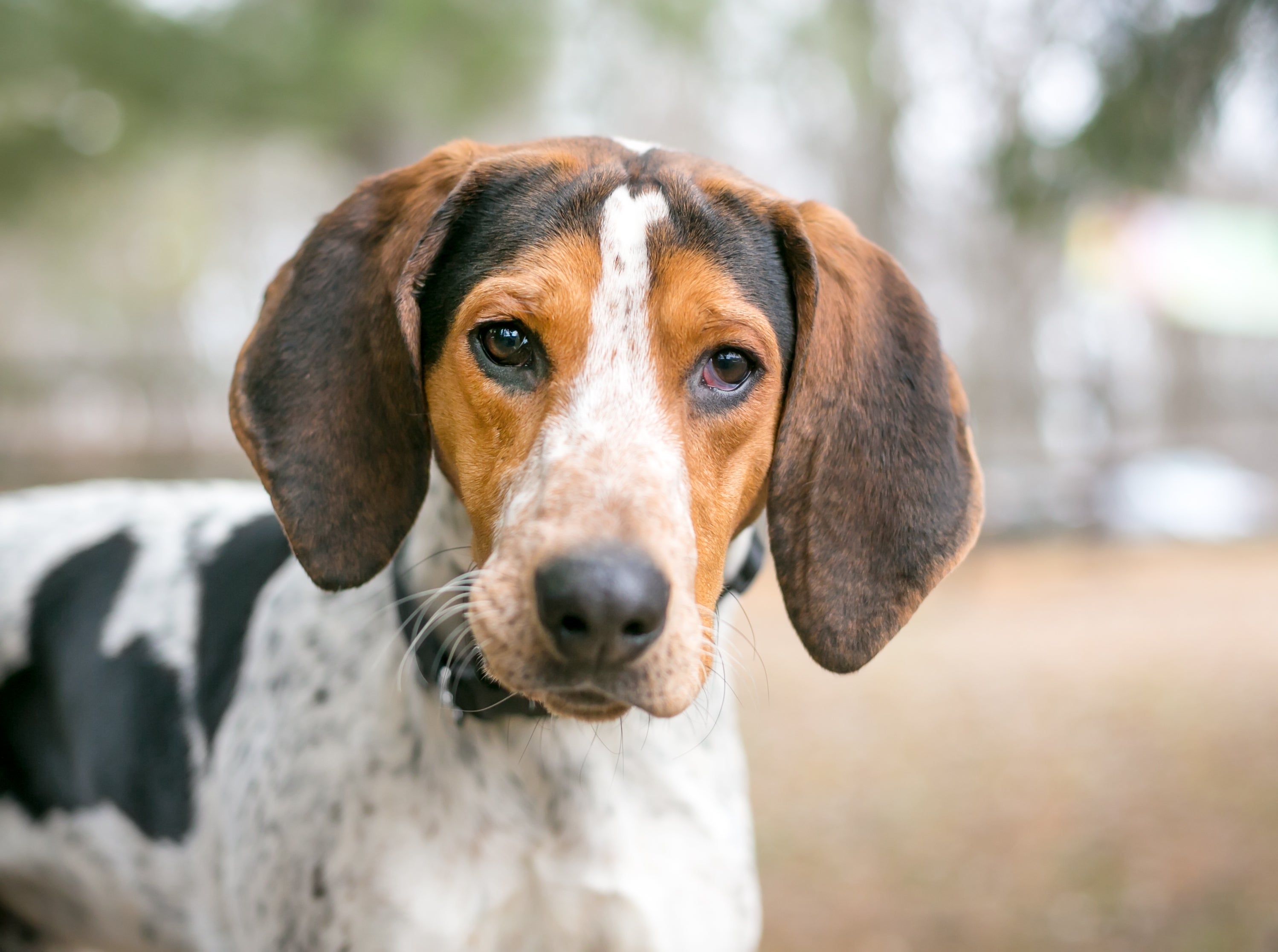
Hound dogs are a diverse group known primarily for their ability to track and pursue prey. These dogs were historically used in hunting and tracking roles, relying on either their keen sense of smell or their exceptional eyesight and speed.
Today, hounds are still admired for their independence, intelligence, and work ethic, although many have transitioned from hunting partners to beloved family pets. While their looks and personalities vary greatly, they all share a tenacity and focus that reflects their hunting lineage. Hounds often have deep-chested builds for stamina, as well as a strong sense of determination that makes them both admirable and sometimes challenging companions.
Types of Hounds & The Difference Between Scent and Sight Hounds
Hound dogs are generally divided into two categories: Scent hounds and sight hounds. Each type exhibits distinct hunting styles, temperaments, and care needs. Understanding these differences helps prospective owners find the right match for their lifestyle.
Scent Hounds

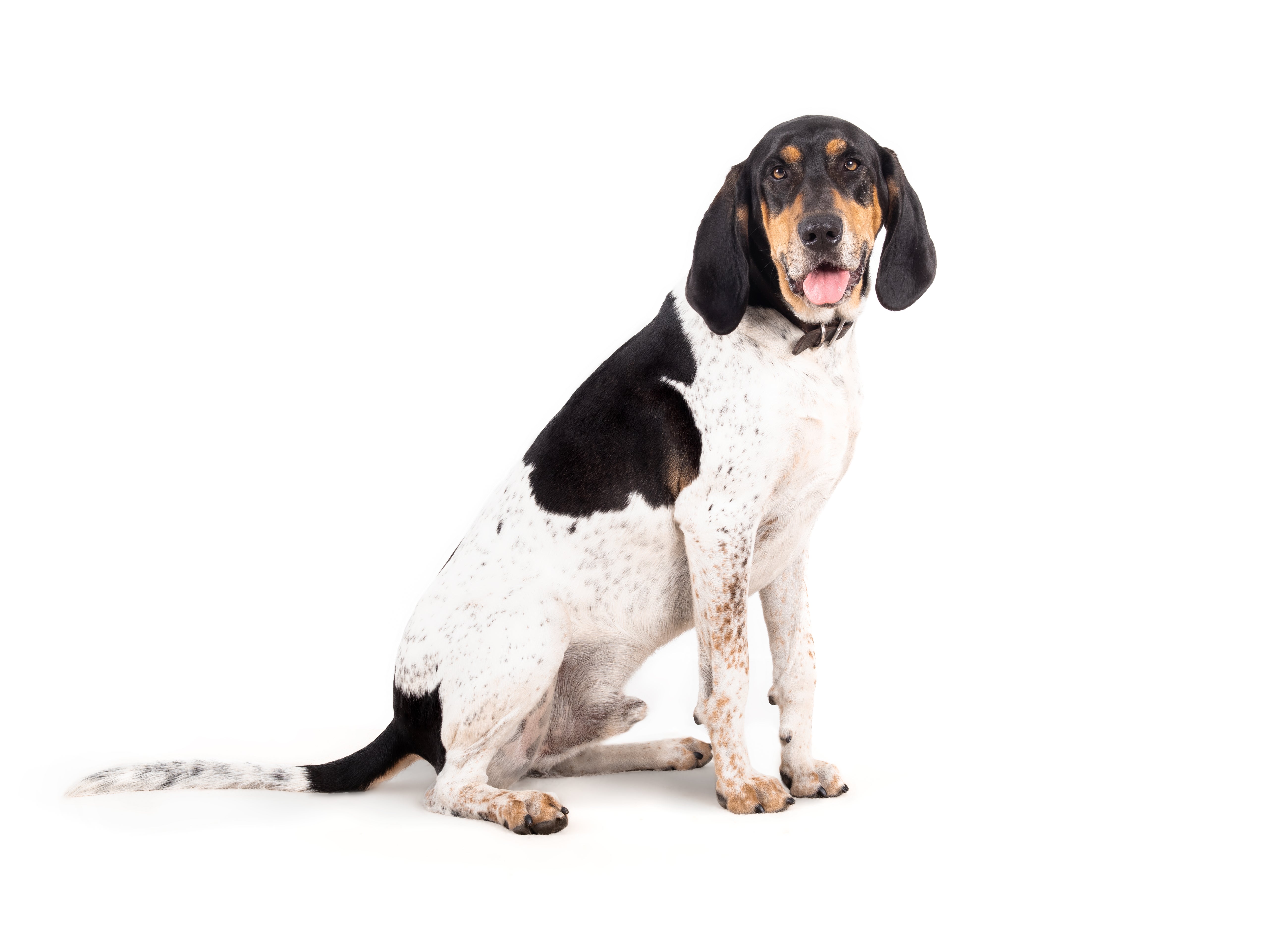
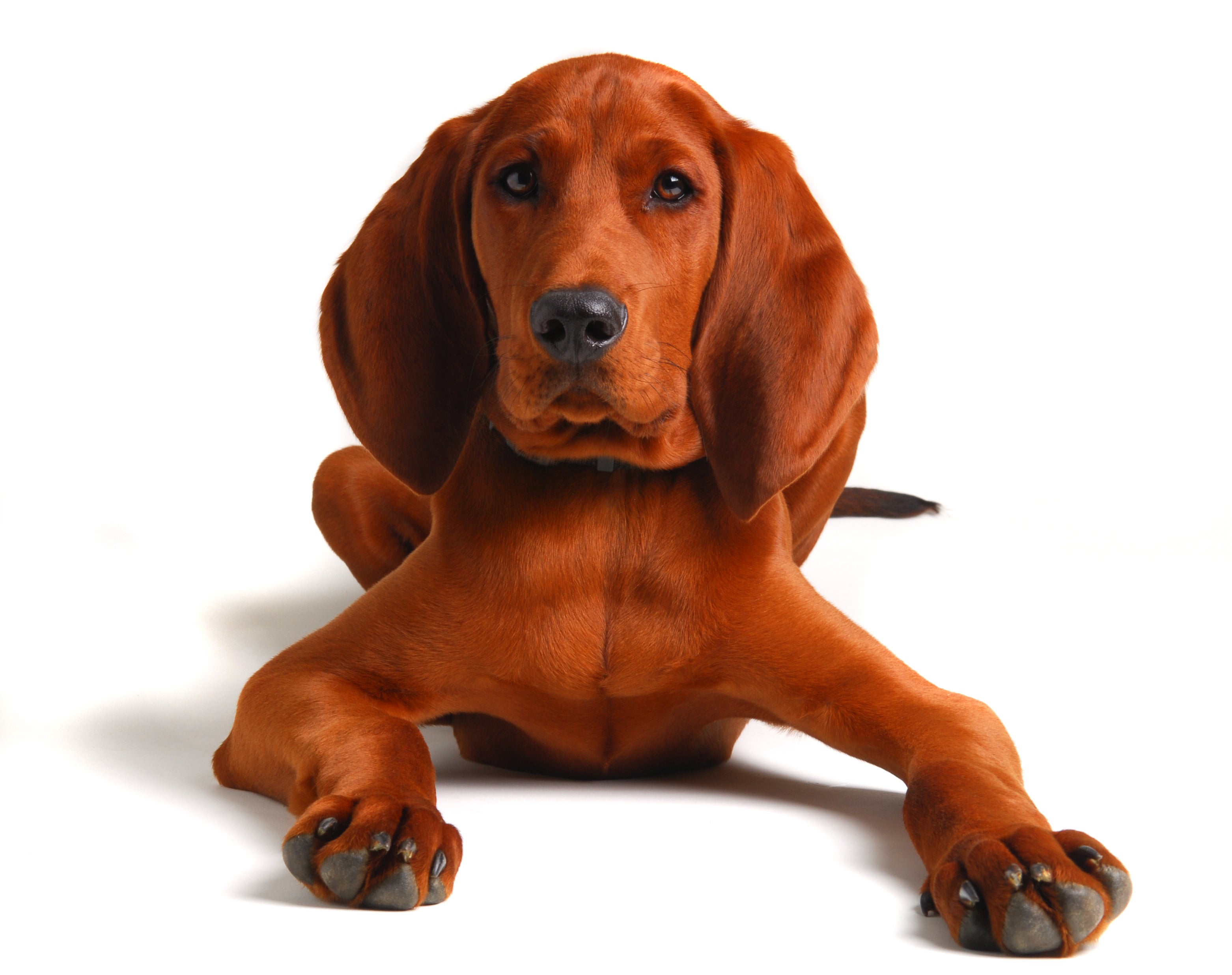
Scent hounds hunt primarily using their powerful sense of smell. They excel at following scent trails over long distances and rough terrain. These dogs are often methodical, persistent, and sometimes stubborn, with strong noses and long ears that help trap scent particles. They tend to be vocal, using baying sounds to communicate with hunters or alert their families.
- Typical Traits: Long ears, deep voices, strong stamina, and pack-oriented personalities.
- Common Behaviors: Vocal when excited, curious, and sometimes easily distracted by interesting smells. They benefit from scent games and activities that let them use their noses.
Sight Hounds
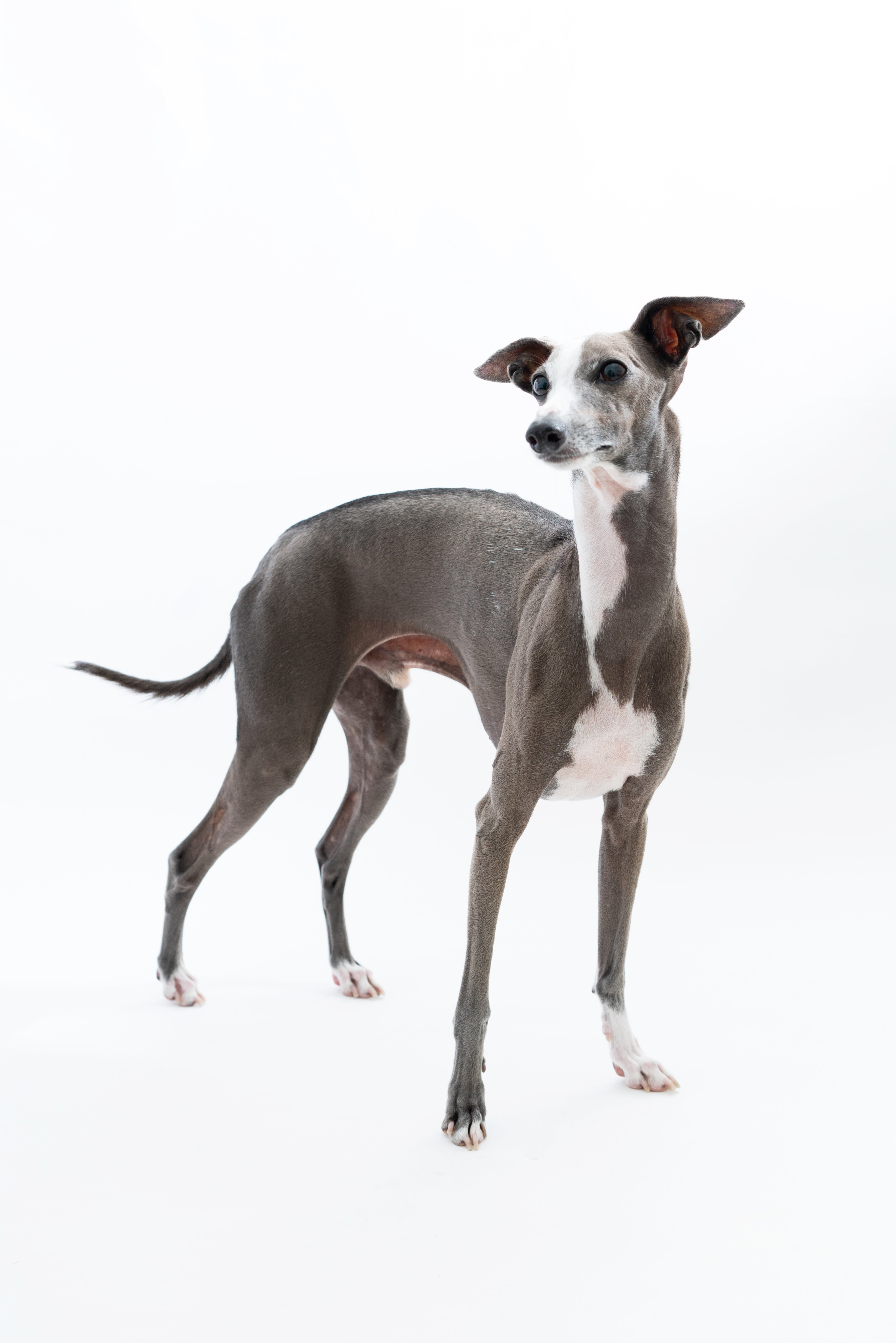
Sight hounds rely on visual acuity and speed to detect and chase prey. Known for their elegance and swift movements, these dogs often have lean bodies, deep chests, and long legs. They are quiet, often reserved indoors, and appreciate a soft place to lounge after a short burst of exercise.
- Typical Traits: Sleek builds, keen eyesight, fast runners, and are often quiet and calm indoors.
- Common Behaviors: Enjoy short bursts of sprinting; affectionate but sometimes aloof with strangers. They may chase small animals, so secure areas are essential.
Hound Dog Sizes
Hound breeds come in all sizes—from small lap-friendly companions to towering, elegant giants. Choosing the right size of dog for your home and lifestyle is a vital step in a successful pet relationship. Here are some examples by size category:
Large Hound Dogs
Large hound breeds combine elegance with endurance. These dogs are ideal for experienced dog owners who can provide ample space and structure. Despite their size, many big hound dogs are calm and affectionate, making them gentle giants in the home.
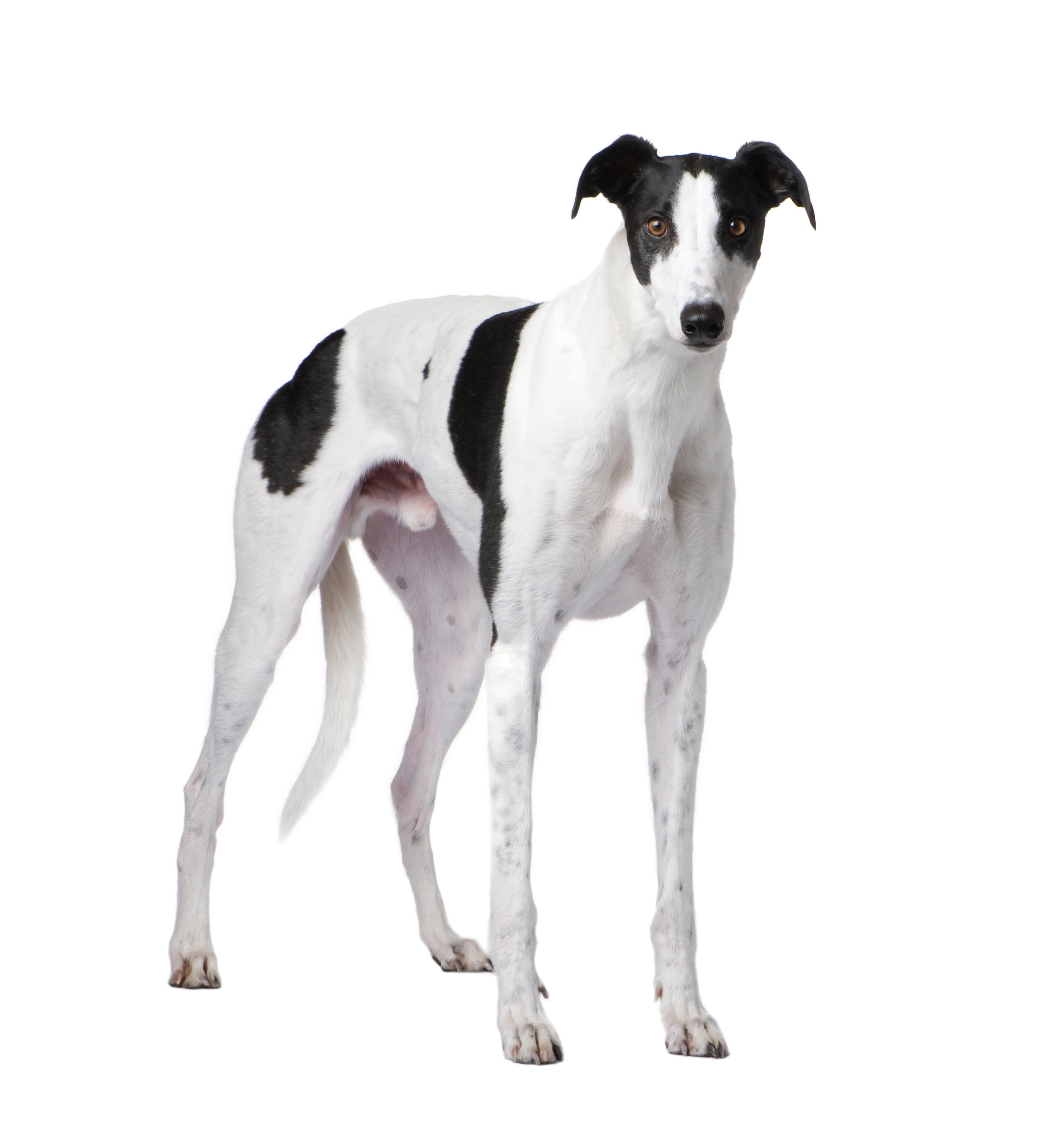
Greyhound
Surprisingly calm and gentle, the Greyhound enjoys lounging just as much as sprinting. These ex-racers often transition well to home life.
- Personality: Reserved, gentle, and intelligent
- Grooming Needs: Very low – short coat sheds minimally
- Training: Learns quickly but can be sensitive to harsh correction; thrives with routine
- Affection: Loyal and enjoys quiet companionship
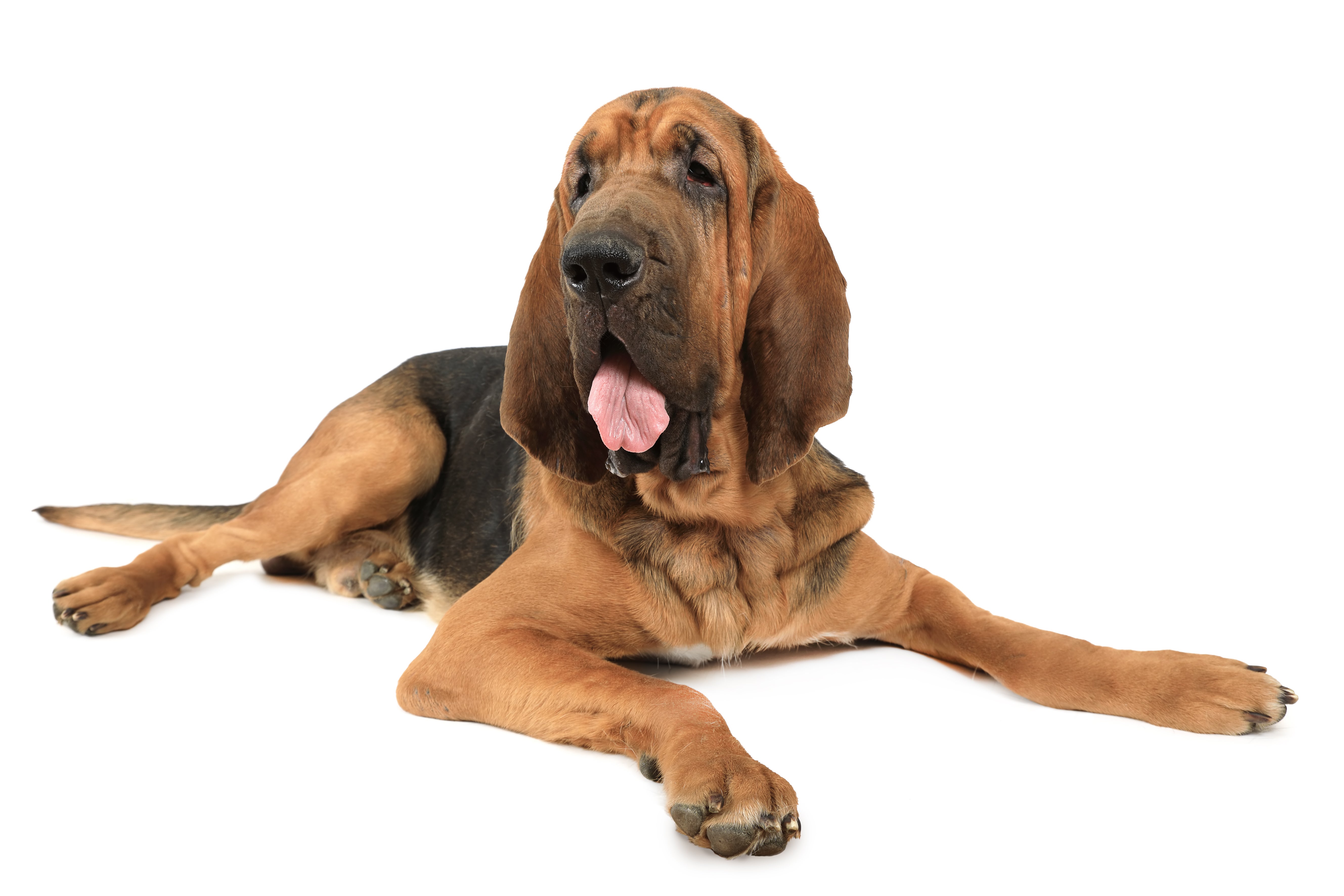
Bloodhound
Famous for their unmatched scenting abilities, Bloodhounds are big-hearted and determined. Their droopy faces and loose skin add to their signature look.
- Personality: Friendly, patient, and independent
- Grooming Needs: Moderate – regular cleaning needed, especially ears and wrinkles
- Training: Requires consistency and a firm, but gentle hand
- Affection: Loves people, especially children; strong bond with family
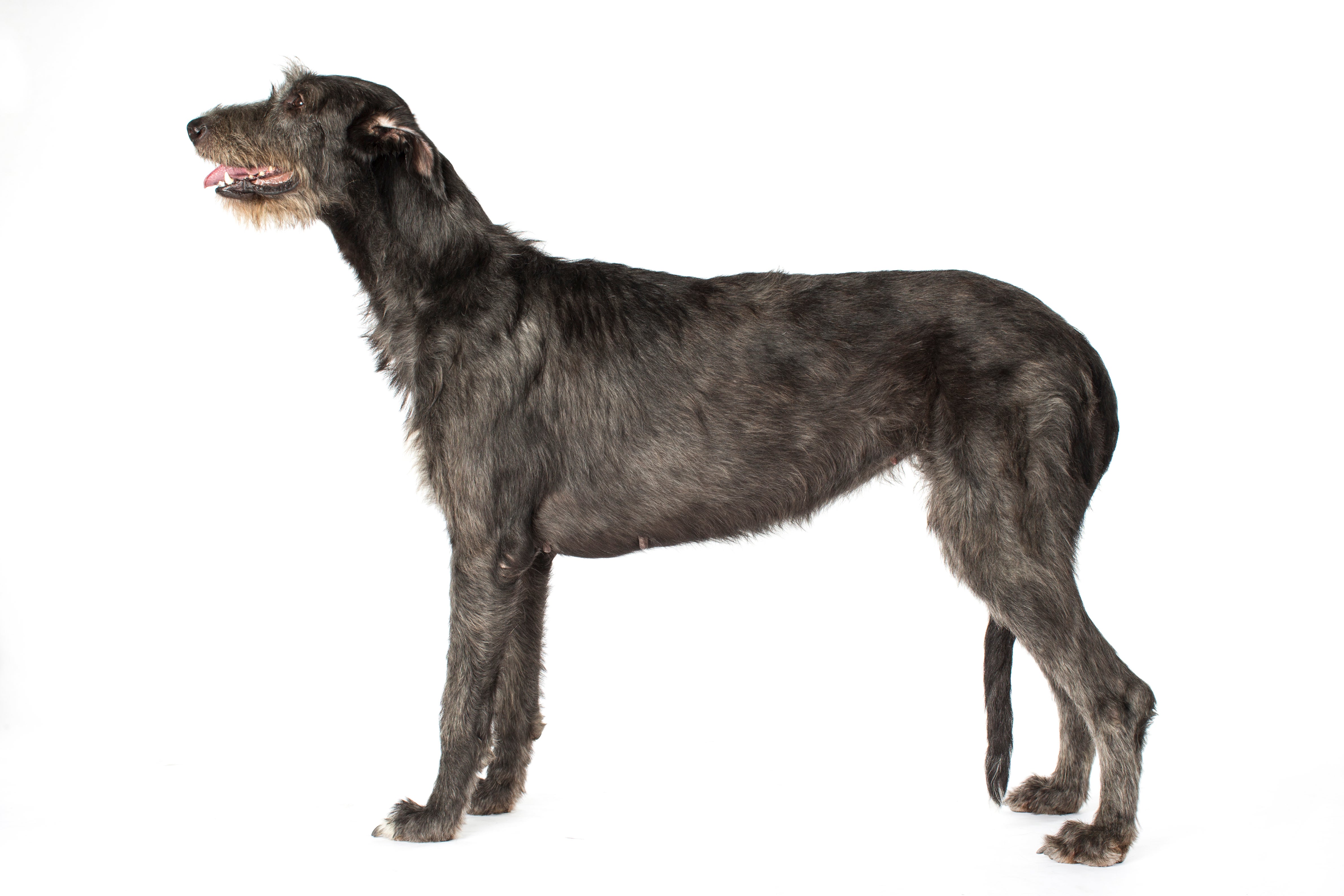
Irish Wolfhound
One of the tallest dog breeds, the Irish Wolfhound is a gentle giant with a noble spirit. Despite their size, they are calm and affectionate.
- Personality: Calm, patient, and dignified
- Grooming Needs: Moderate – regular brushing needed
- Training: Eager to please but needs gentle leadership
- Affection: Devoted and tolerant; often quiet companions
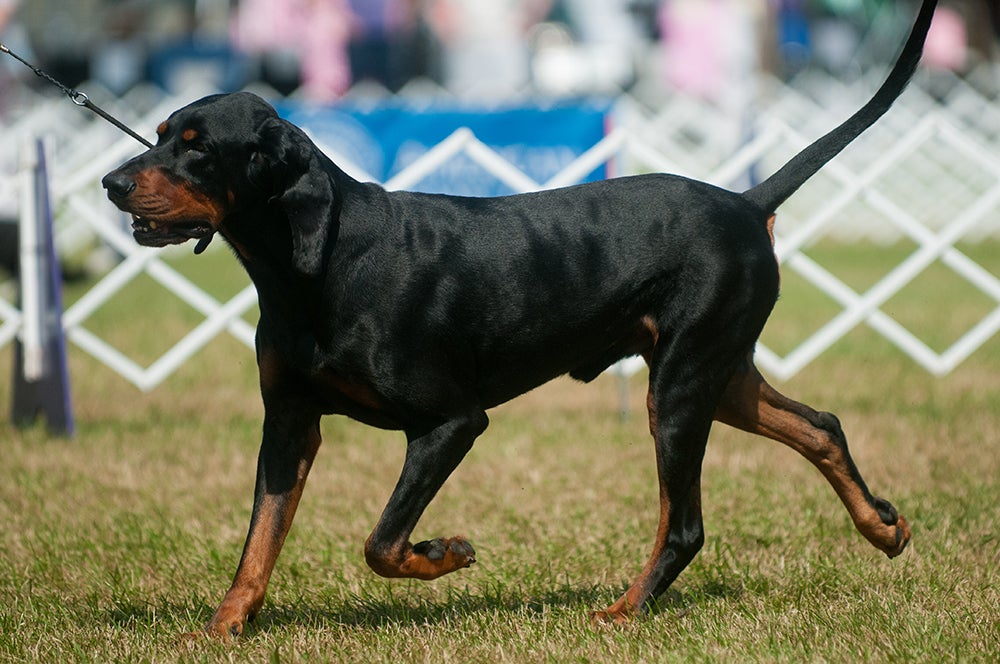
Black and Tan Coonhound
Built for endurance, this Coonhound is a tenacious tracker and a loyal family member. They thrive on outdoor activity and exploration.
- Personality: Friendly, independent, and mellow
- Grooming Needs: Low – short, manageable coat
- Training: May wander if off-leash; works best in a secure space; needs recall training and mental stimulation
- Affection: Great with children and other pets
Small Hound Dogs
Small hounds are compact, clever, and full of personality. Despite their petite size, little hound dogs pack a punch when it comes to energy, curiosity, and loyalty. These breeds are often well-suited for apartment living or households with limited space, as long as their exercise and mental stimulation needs are met.
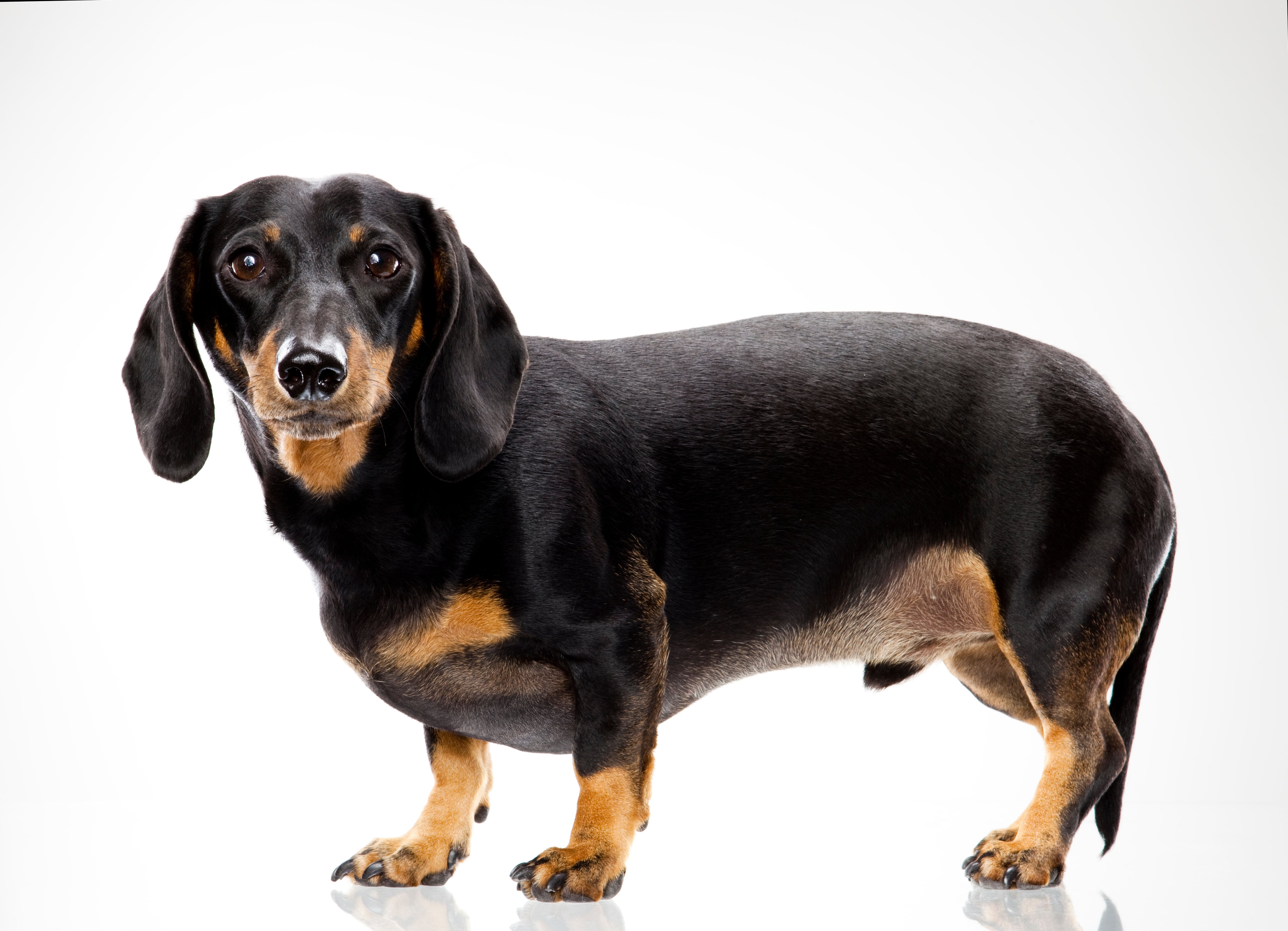
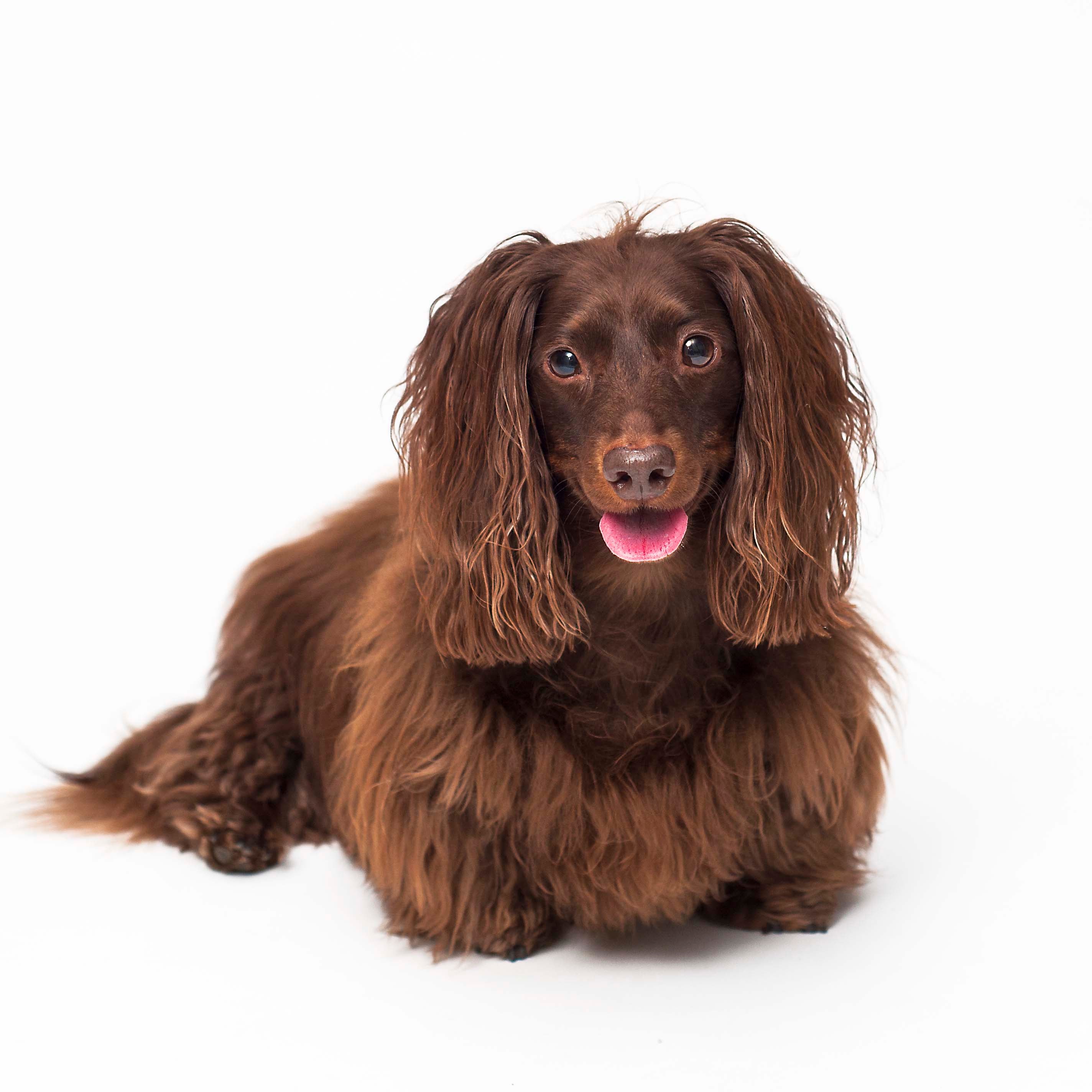
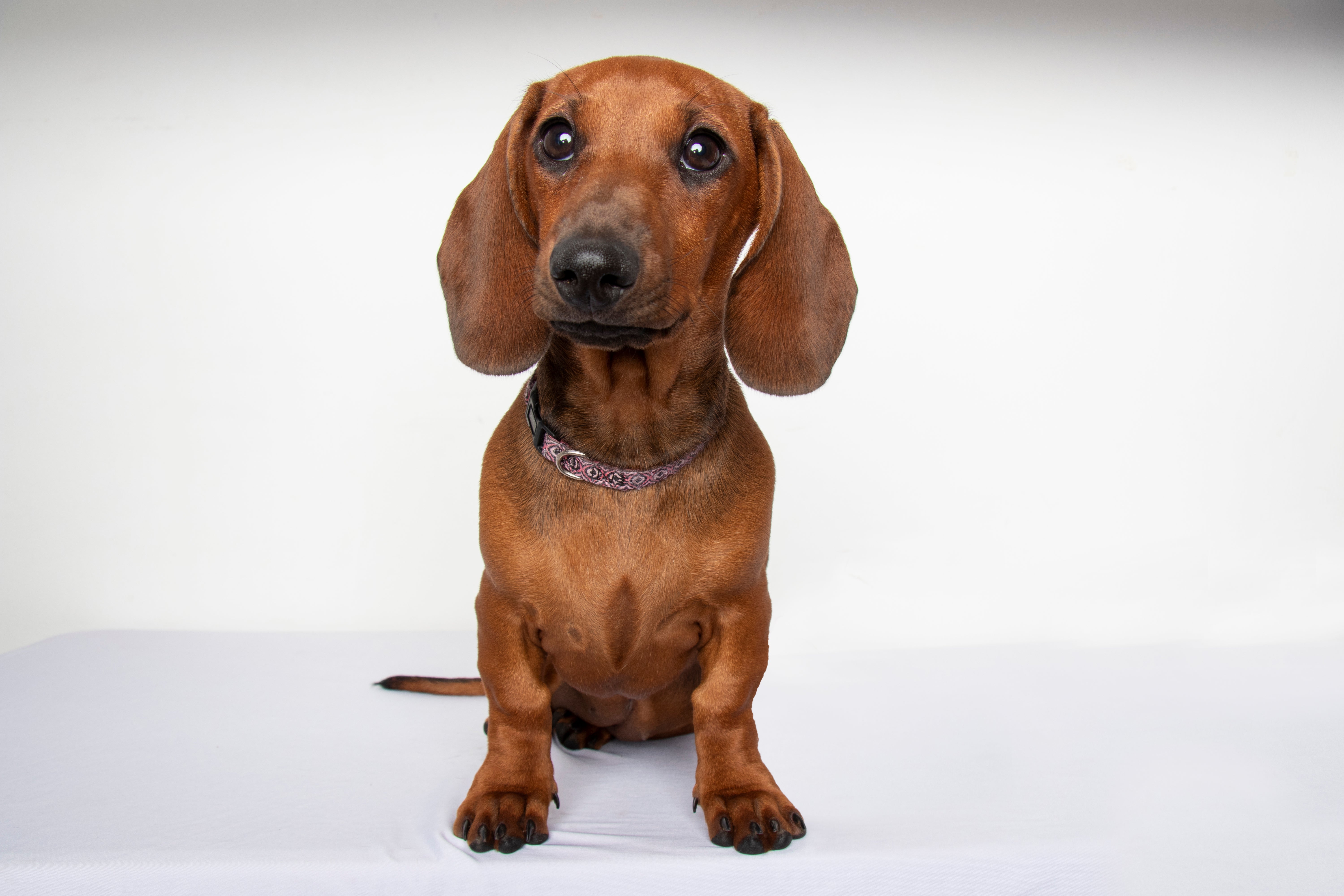
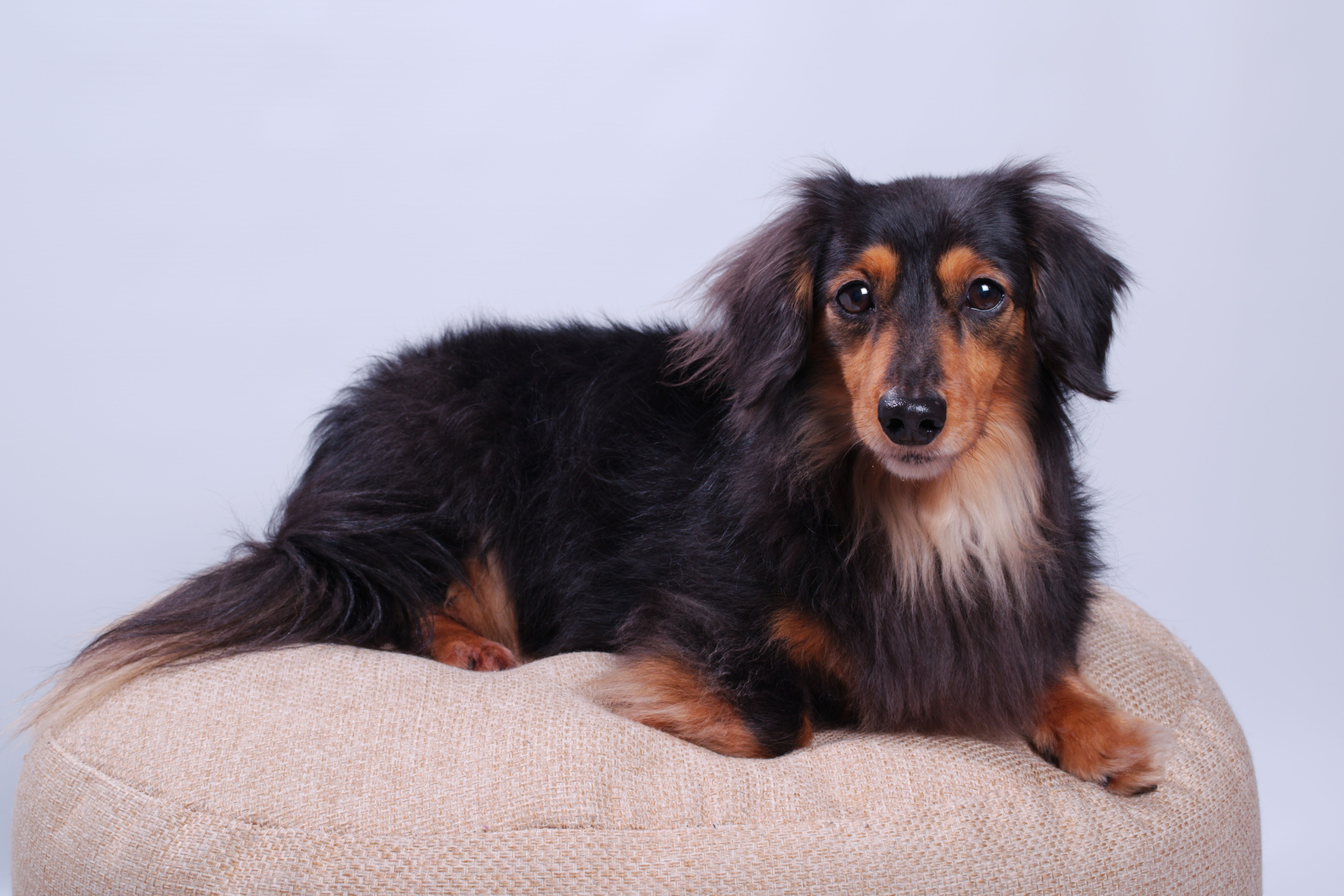
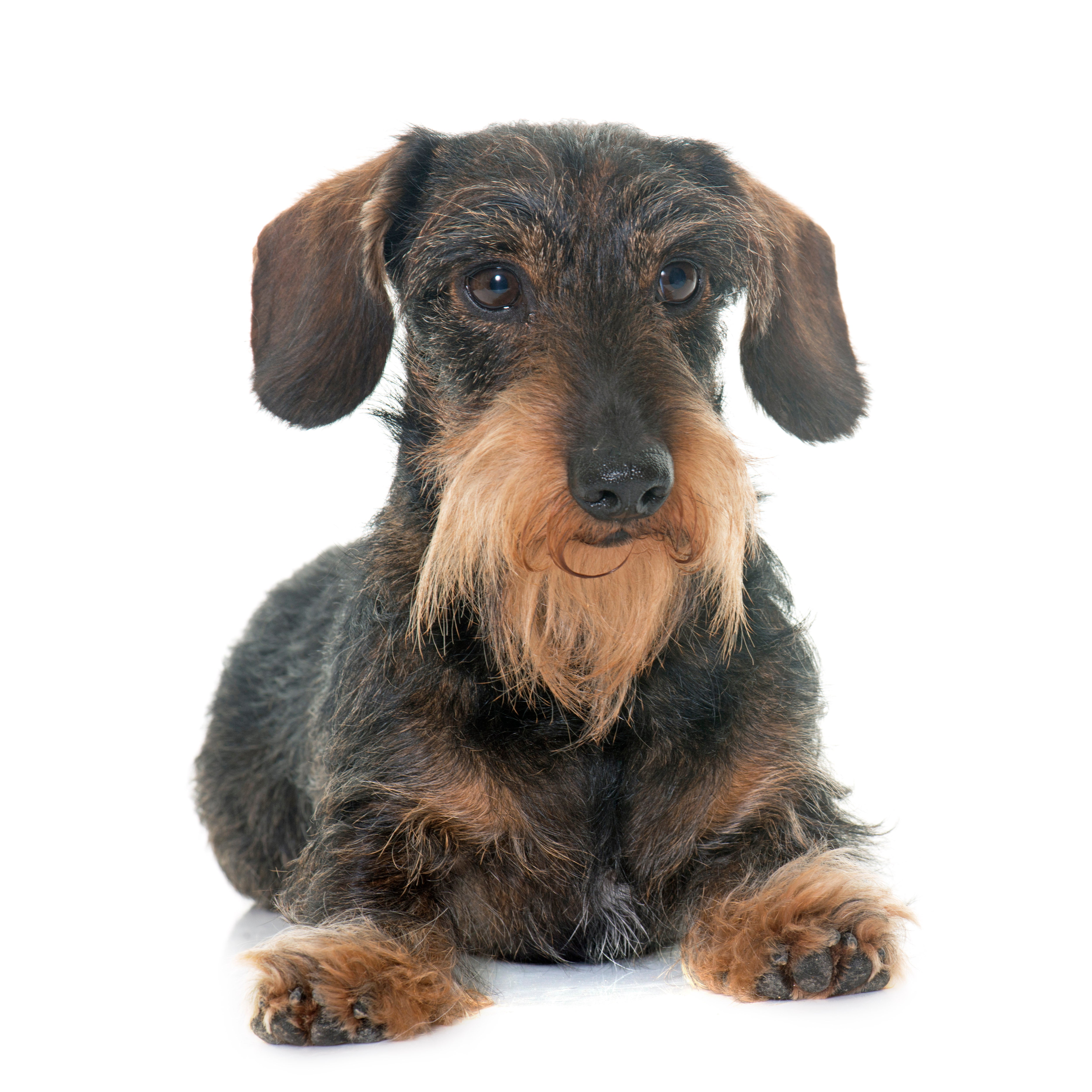
Dachshund
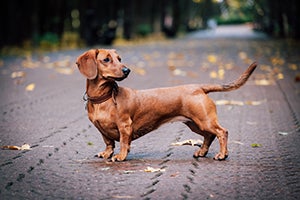
A spirited and intelligent breed with a unique long body and short legs, the Dachshund makes a loyal and curious pet. They even come with a bold and tenacious personality.
- Personality: Playful, clever, and brave
- Grooming Needs: Low to moderate, depending on coat type (smooth, wire, or long)
- Training: Can be stubborn; early training recommended to curb excessive barking or digging
- Affection: Devoted to family, alert to surroundings; can be wary of strangers
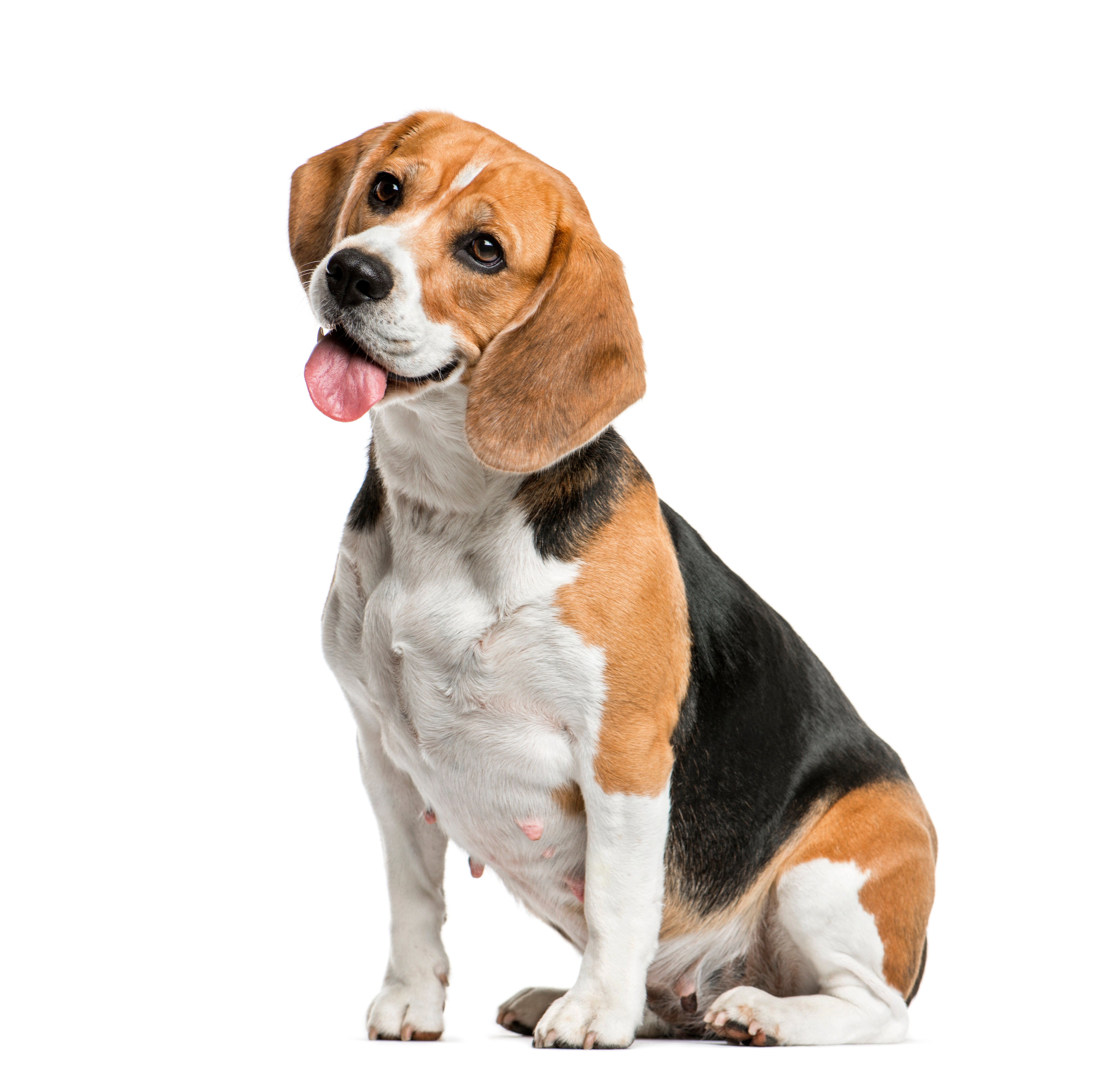
Beagle
This merry and compact breed is known for its friendly demeanor and excellent nose. The Beagle also enjoys the company of other dogs and children.
- Personality: Curious, gentle, and happy-go-lucky
- Grooming Needs: Low – short, easy-to-maintain coat
- Training: Benefits from structured routines and consistent reinforcement; often follows their nose
- Affection: Highly sociable with people and dogs
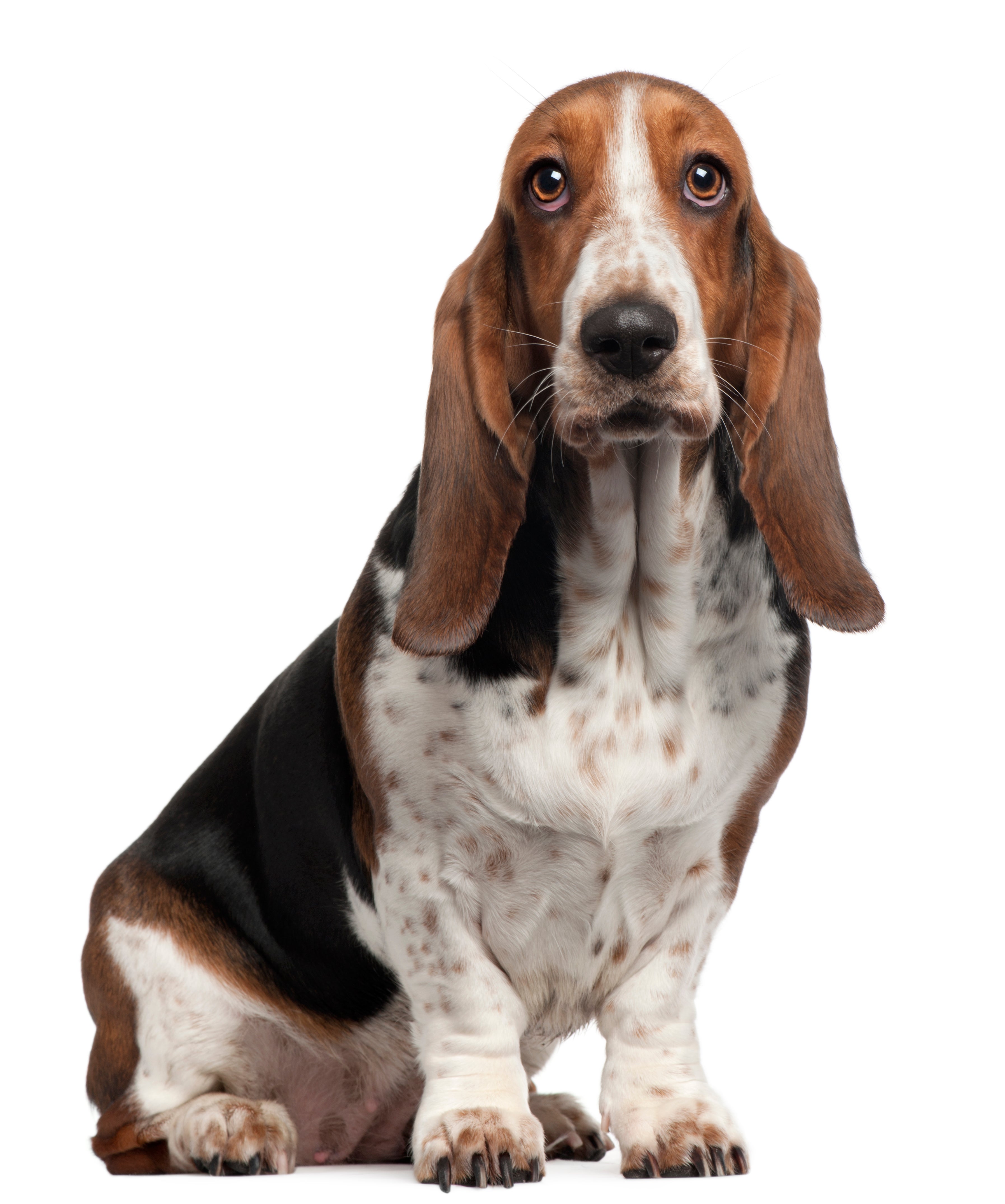
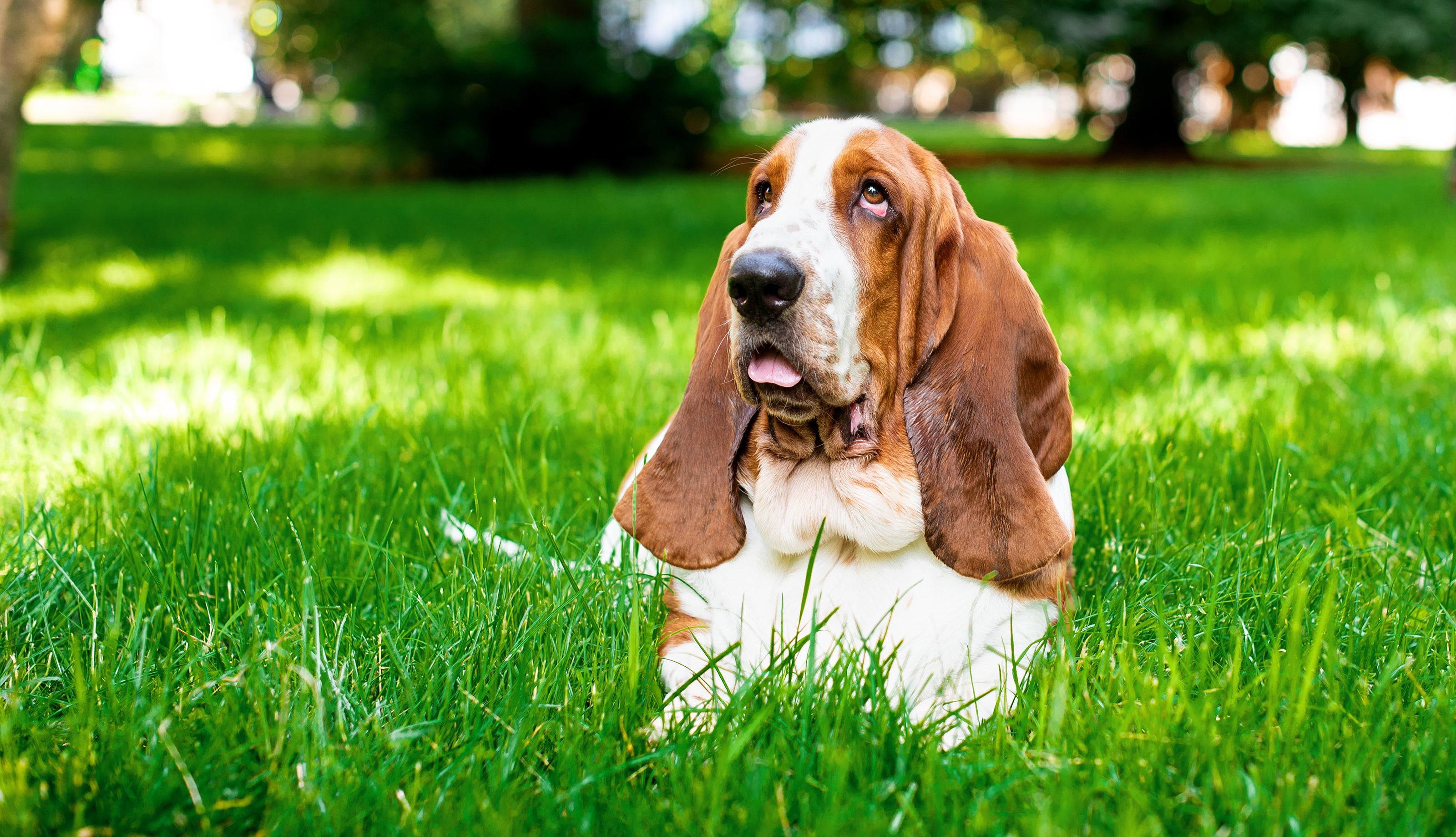
Basset Hound
With their long ears and soulful eyes, Basset Hounds are charming and low-key companions. Their short legs and strong sense of smell make them natural scent hounds.
- Personality: Laid-back, loyal, and kind
- Grooming Needs: Low, though regular ear cleaning is important
- Training: Needs encouragement due to independence; food-motivated learners
- Affection: Gentle and great with kids; enjoys a quiet routine
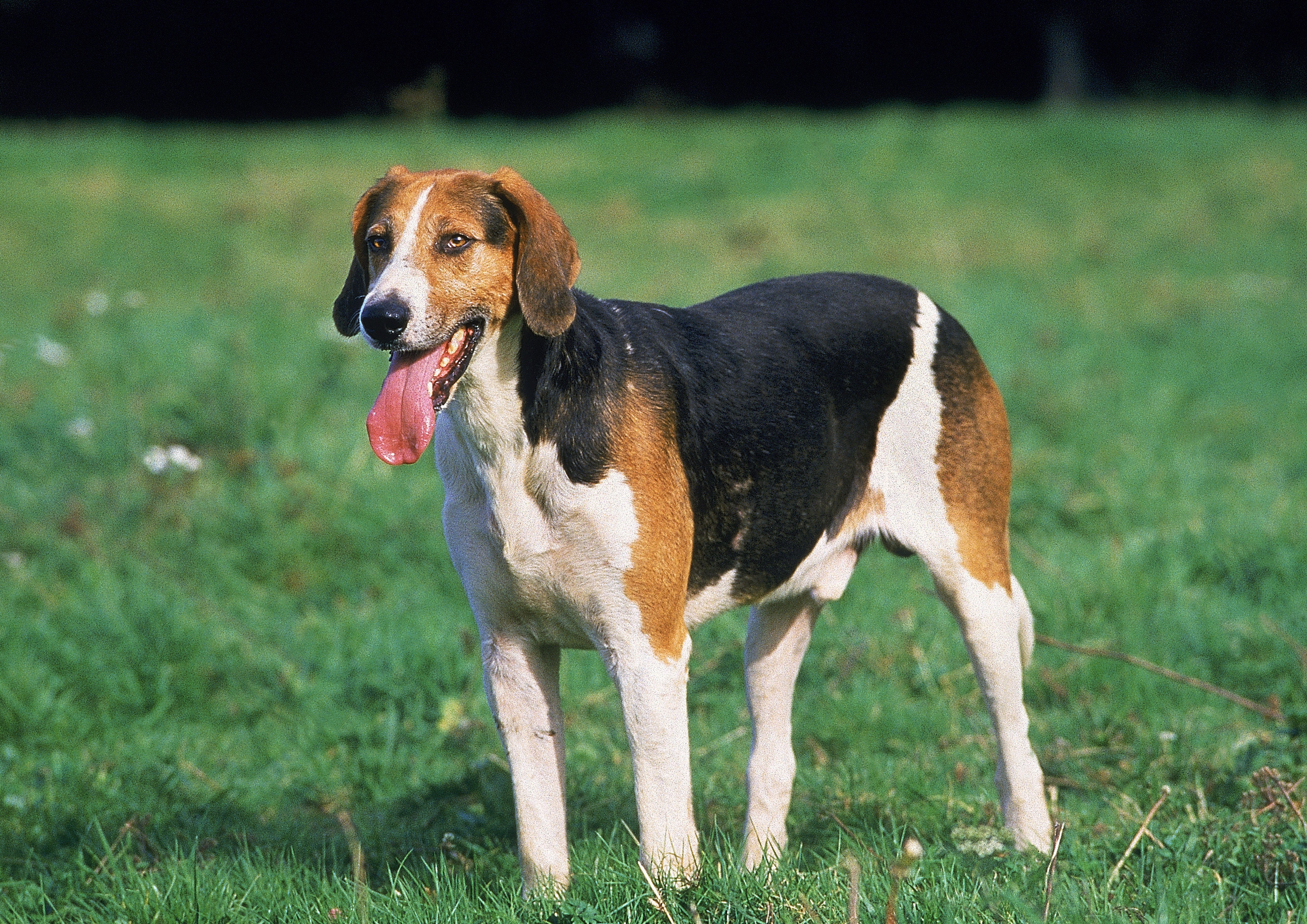
American Foxhound
A sleek and athletic hound with a friendly disposition, the American Foxhound thrives with active owners. This breed is happiest when it has room to roam.
- Personality: Loyal, energetic, and sociable
- Grooming Needs: Low – easy-care coat
- Training: Needs consistent and patient guidance due to independence; needs active lifestyle
- Affection: Good with families and other dogs
How to Choose a Hound Dog
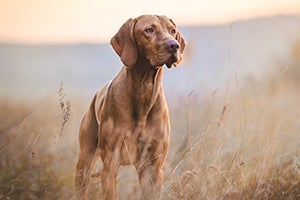
Hound breeds can be loving, entertaining, and rewarding companions, but their independent streaks and instinctual drives mean they are not a one-size-fits-all.
Before welcoming a hound dog into your home, consider the following:
- Activity level: Can you accommodate long walks or free-running space? Some breeds need daily runs or scent work.
- Noise level: Some scent hounds are prone to baying or barking.
- Training: Are you prepared for positive reinforcement and patience?
- Living space: Large hounds may need more room; small ones can thrive in apartments if exercised properly.
- Lifestyle compatibility: Consider whether you’re more active or laid-back. Sight hounds may be couch potatoes while indoors, but they will need space to run briefly each day.
Once you find the perfect fit, you can start your journey here by figuring out a good name for your new pal: How to Choose the Best Dog Name for Your Buddy.
Hound dogs bring a fascinating mix of instincts, personality, and charm to the table. From the sleek and swift Greyhound to the soulful Basset Hound, each hound has its own story and energy. These dogs reflect the deep bond between humans and working animals, carrying centuries of tradition into modern homes.
As a prospective owner, the key is to understand their behaviors, give them proper outlets for their natural instincts, and provide the structure they need to thrive. With thoughtful care, the right hound dog can be a loyal, affectionate companion.
When you are ready to adopt, you can explore these resources to prepare for your new best friend:
For more expert tips and information on other dog breeds, explore additional dog and puppy breed group articles.