Note: While the breeds in this collection tend to be wirehaired, individual pets will vary. Please consult the adoption organization for details on a specific pet.
Shaggy, scruffy, or just plain adorable—it doesn’t matter how you describe it, wirehaired dogs have a unique look that has endeared them to people all over the world. From the large Irish Wolfhound to the tiny Brussels Griffon, wirehaired dog breeds come in all shapes, sizes, and personalities, but with a stiff, recognizable coat. Here’s everything you need to know about wiry-haired dogs.
What Are Wirehaired Coat Dogs?
Wirehaired dogs have coats that are bristly and coarse to the touch. Their coats are not just for show; they provide an important protection for these breeds, many of which were originally bred to perform outdoor duties in harsh conditions. Their wiry outer coats act as a water-resistant layer and a soft undercoat keeps them warm and well-insulated. This coat combo allows them to go through thick bramble and underbrush as well as withstand cold and wet climates without their coats becoming heavy or waterlogged.
Are Wirehaired Dogs Hypoallergenic?
There’s a common misconception that because they don’t shed like breeds such as Huskies or German Shepherds that wirehaired dog breeds are all hypoallergenic. No dog is 100% hypoallergenic because allergens come from dander, urine, and saliva, not just fur, but some wiry-haired dog breeds like the Schnauzer and Wire Fox Terrier are often considered low-shedding dogs that could be potentially good for owners sensitive to allergens. Each individual dog will shed differently, though. If you’re considering a wirehaired dog for allergy reasons, it’s important to spend time exposed to the breed and ideally the dog you are interested in to get a feel for how you might be affected (hopefully not at all!). Regular grooming can help reduce the potential for shedding and therefore allergens in any dog, not just wirehaired breeds.
Wirehaired Dog Grooming
There are some grooming techniques that apply specifically to wirehaired dogs to help keep their coats from looking wild and matted. Use a slicker brush or pin brush to remove any loose hair and to prevent matting. Brush against the grain of the coat to lift the hair away from their skin. There is also a technique called hand-stripping, which sounds painful, but it’s not. It involves hand-stripping out the dead hairs with your hands or with a stripping knife. Some wirehaired dog breeds might require trimming around their faces, beards, paws, and ears. You might want to leave this to a professional groomer if your dog doesn’t like it.
Wirehaired dog breeds don’t usually need frequent baths. Their coats repel dirt and water naturally, but you might need a quick rinse or sudsy soak if your dog has had themselves a good time in a mud pit. Avoid overbathing them as it can strip their skin of the natural oils it has that help keep them moisturized and shiny-looking. Regular ear, eye, and nail care should be part of any dog breed’s grooming routine.
Can You Shave a Wirehaired Dog?
If you live in a warm area, it might be tempting to shave down a wirehaired dog to give them some relief from the heat—and give you a break from grooming. However, shaving might damage their coats. The texture could change and potentially grow back softer and fluffier. The color could change, and their skin could become more sensitive.
Wire coats naturally protect wirehaired dog breeds from the sun, and if that barrier is gone, they could be more susceptible to sunburns. It seems counterintuitive, but wiry coats help regulate a dog’s temperature in both hot and cold weather. Shaving might interfere with their ability to naturally insulate themselves. Instead of shaving, focus on regular brushing and grooming.
19 Popular Wirehaired Dogs
There are a few popular wiry-haired dog breeds to choose from. They come in large, small, and medium sizes.
7 Large Wirehaired Dogs
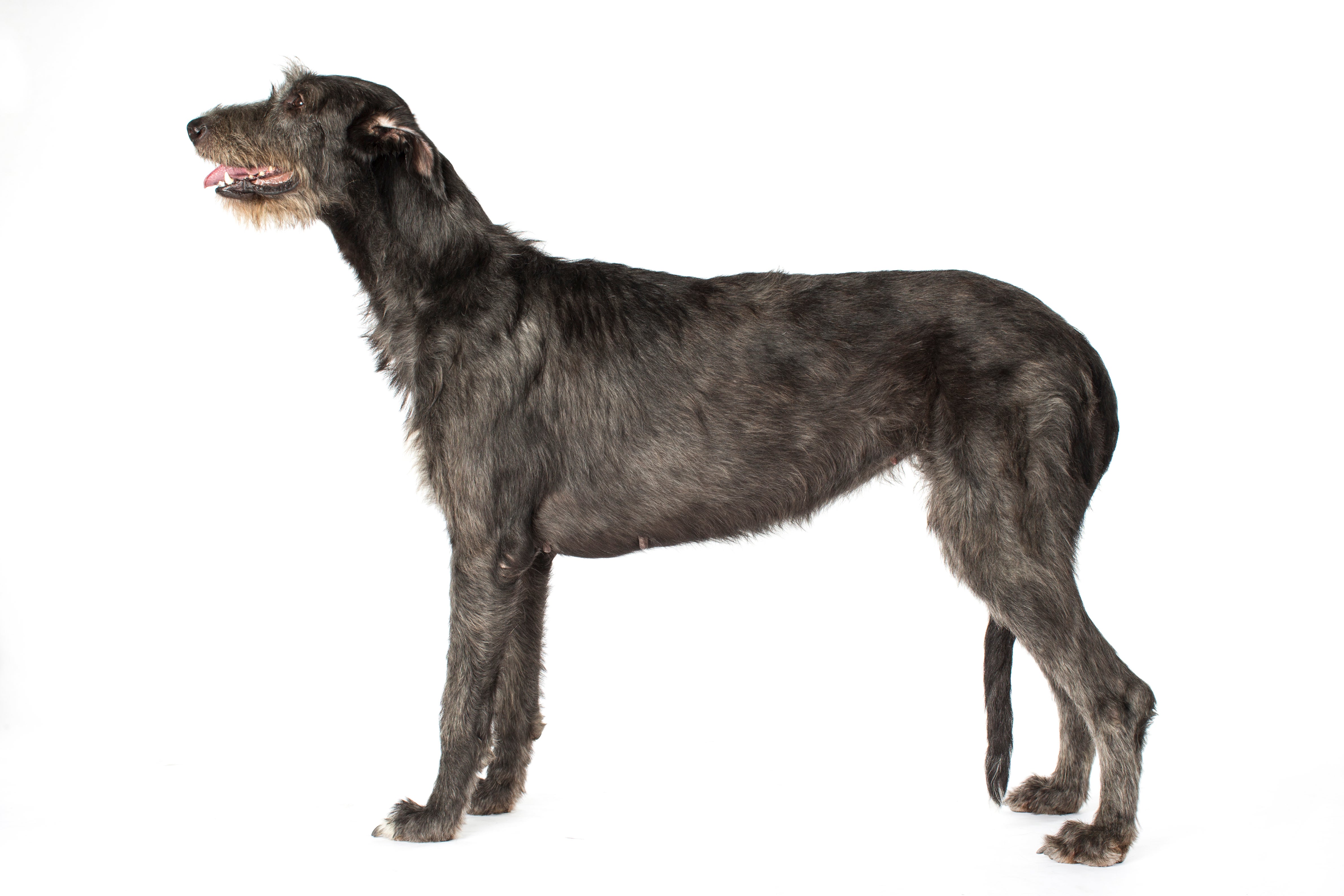
- Irish Wolfhound: The Irish Wolfhound is a gentle giant that can weigh up to an astonishing 180 pounds. They were originally bred in Ireland to keep the wolves away, but now have more of a reputation for being calm and patient despite their imposing size.
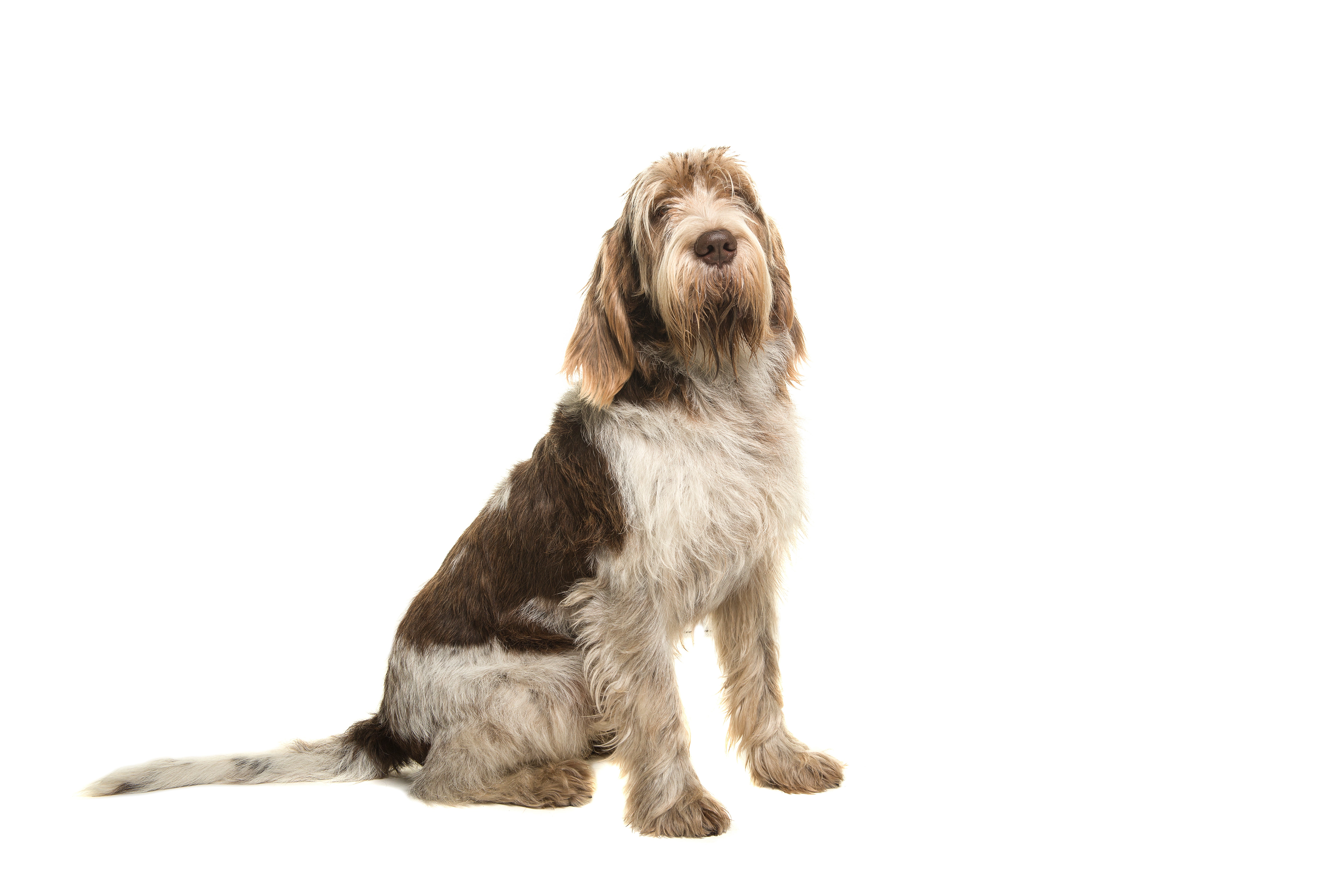
- Spinone Italiano: The Italian Spinone, also known as the Spinone Italiano, has a wiry coat that kept them from scrapes and brambles as they ran across forests. (Spinone comes from the word “pino,” which is a type of bush the dogs would often run through.) Long muzzles and long ears make them look like hounds, but they are really part of the sporting dog group. Strong and muscular, they have long hair and eyebrows that give them their wizened look.
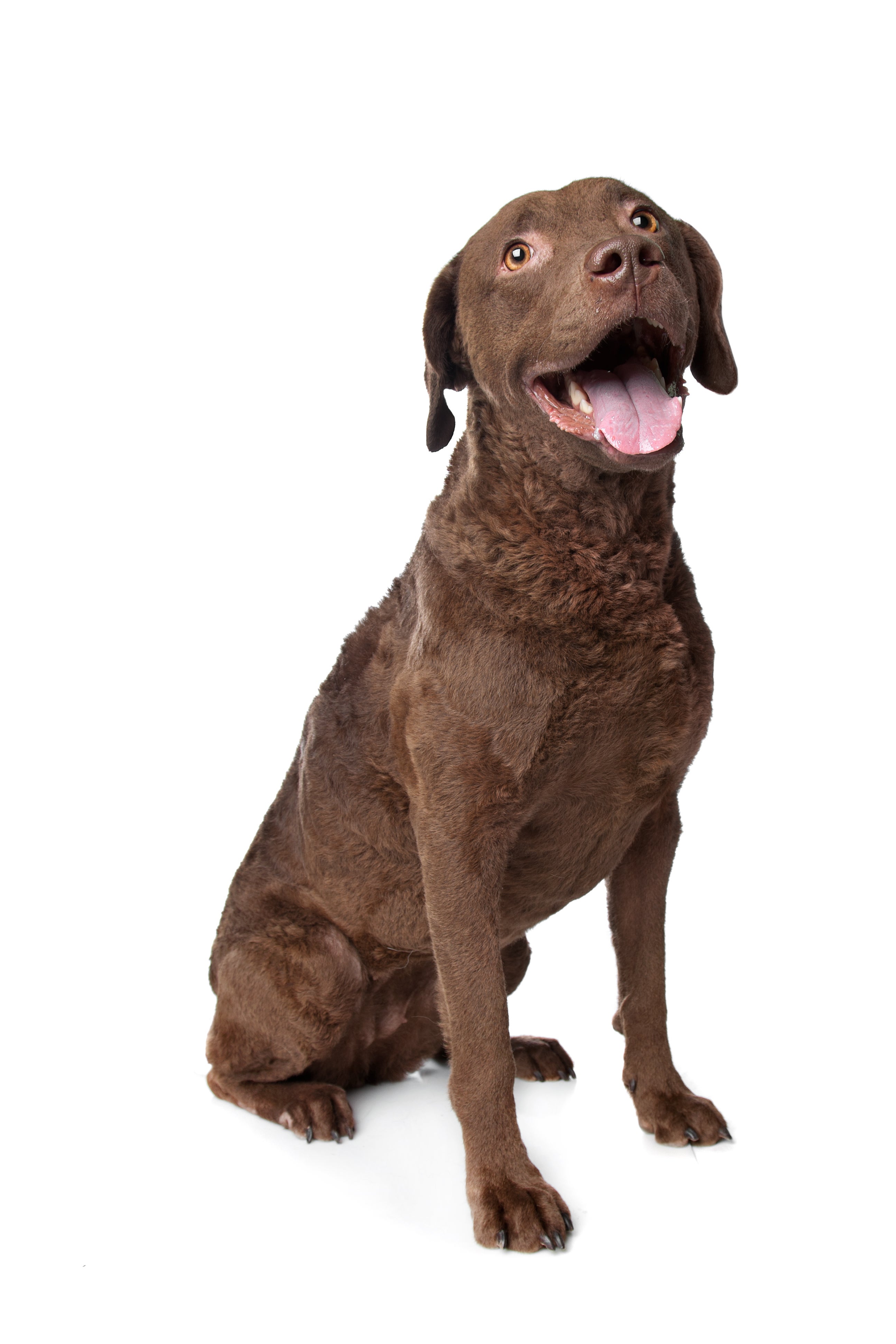
- Chesapeake Bay Retriever: Powerful and strong, the Chesapeake Bay Retriever dog has a wavy and wiry coat that’s oily to the touch. Their coat keeps them warm in chilly waters and dries quickly. They are known for being strong workers and even strong swimmers.
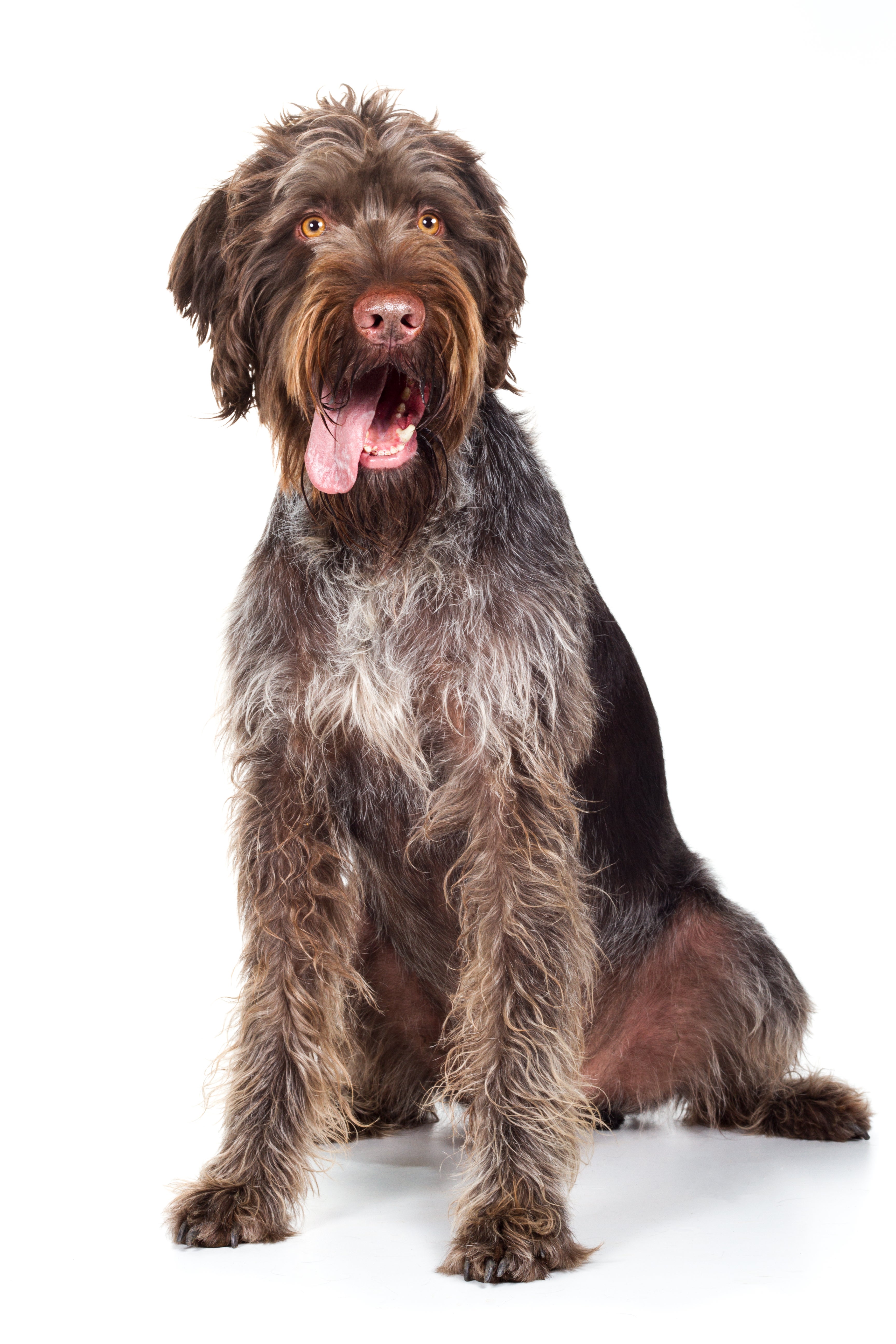
- German Wirehaired Pointer: A versatile dog, the German Wirehaired Pointer is known for its Energizer Bunny-like attitude and tireless search for exercise. They do well with super active owners and families who like outdoor adventures, and lots of them.
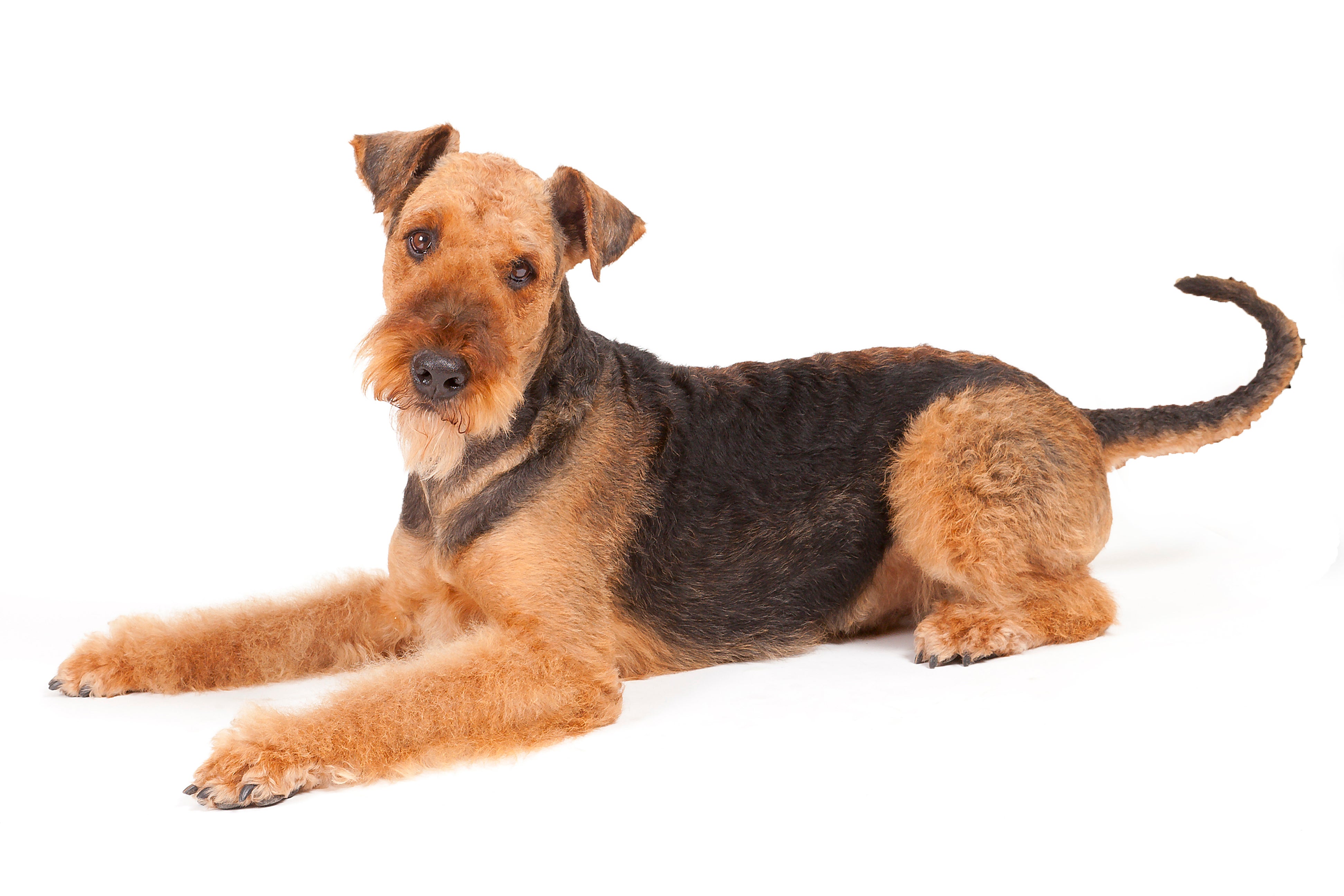
- Airedale Terrier: The largest of the terriers, the Airedale Terrier is smart, happy, and full of energy. They are playful and muscular, ready for action, no matter whether it’s a long sprint or a game of chase. They have a hard and wiry coat that comes in several different colors. Some hairs crinkle and wave, which gives the coat its unique texture.
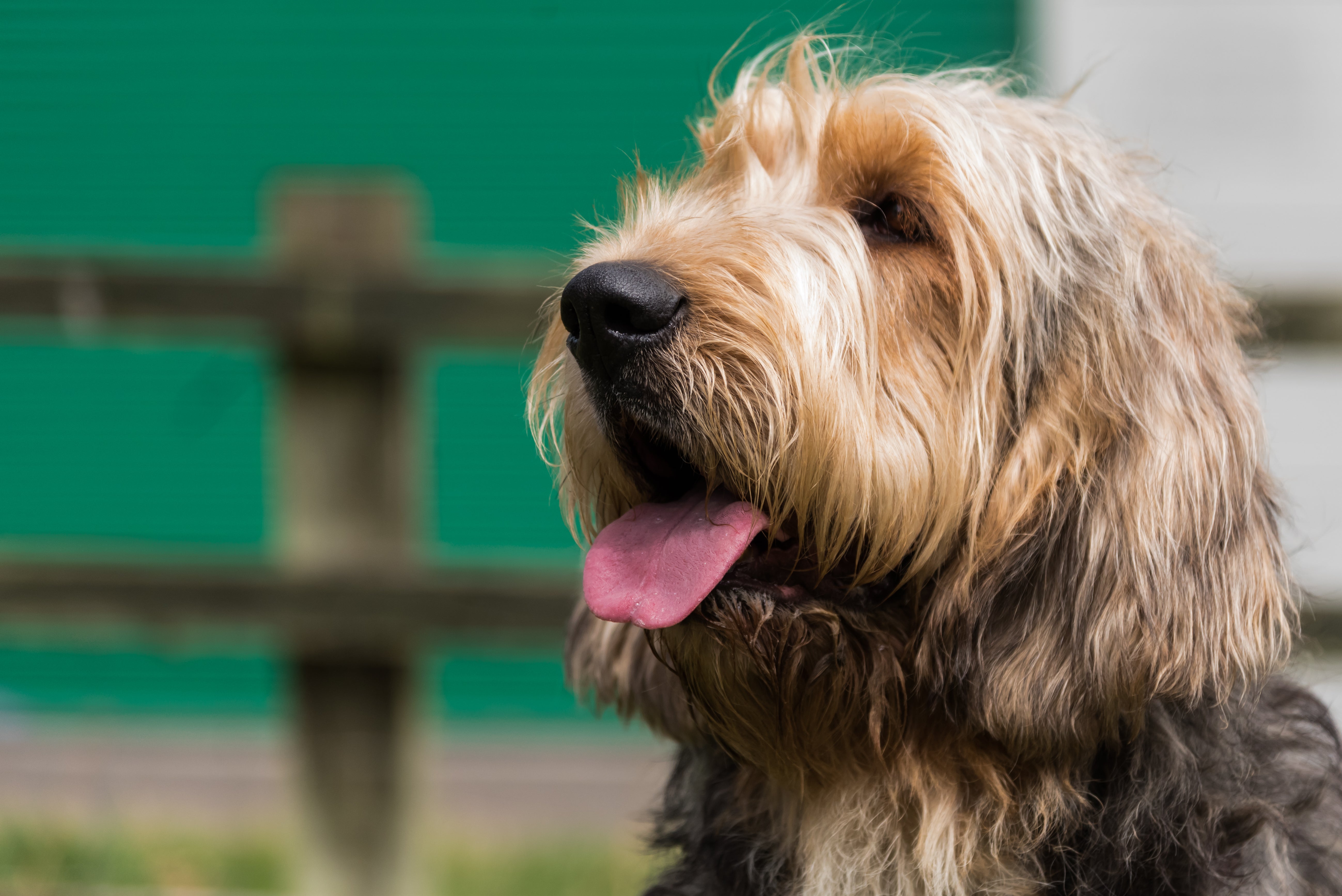
- Otterhound: The Otterhound is a boisterous scent hound with a shaggy double coat. The outer layer is coarse, and the under layer is oily and soft to keep them warm. They are water dogs and aren’t afraid to go for a swim—in any weather, so be ready! Generally easygoing despite their exuberance, they love being with other dogs and humans because they were developed to work in packs.
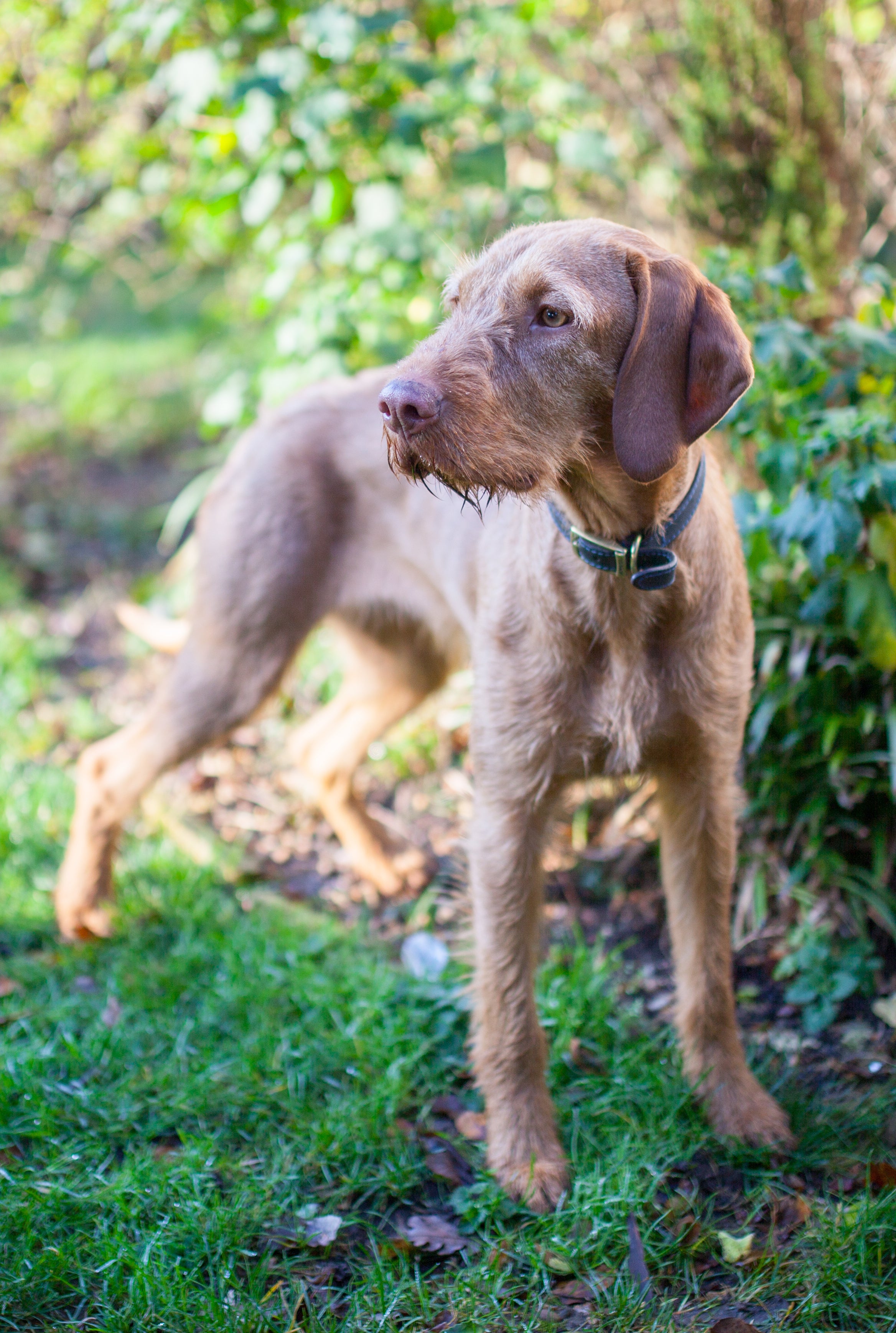
- Wirehaired Vizsla: A dense and wiry coat might make a Wirehaired Vizsla seem unapproachable, but they are known for their energetic and affectionate personalities. They are fun-loving and loyal dogs that require a lot of attention, especially when it comes to having their physical exercise needs met. Wirehaired Vizslas might have a surprisingly sensitive personality and do well with owners who live a slower, more rural life.
9 Small Wirehaired Dogs
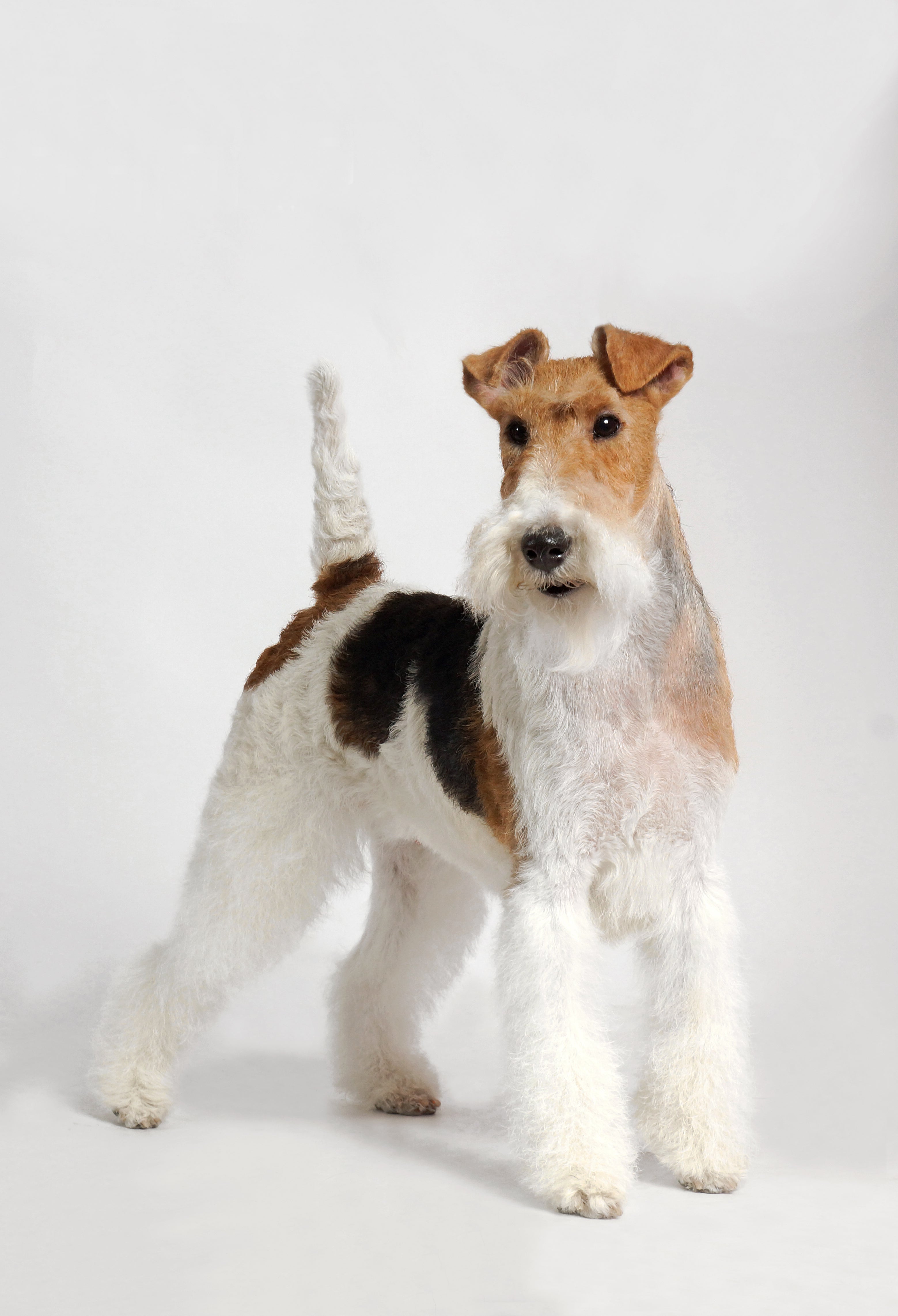
- Wire Fox Terrier: The Wire Fox Terrier is a little wirehaired dog that was originally bred in England in the 18th century to help outside. They have a rough, wiry coat and open faces with curious eyebrows and a dapper-looking beard. They are spunky and bold and will definitely keep owners on their toes, so they’ll need families that can give them plenty of attention.
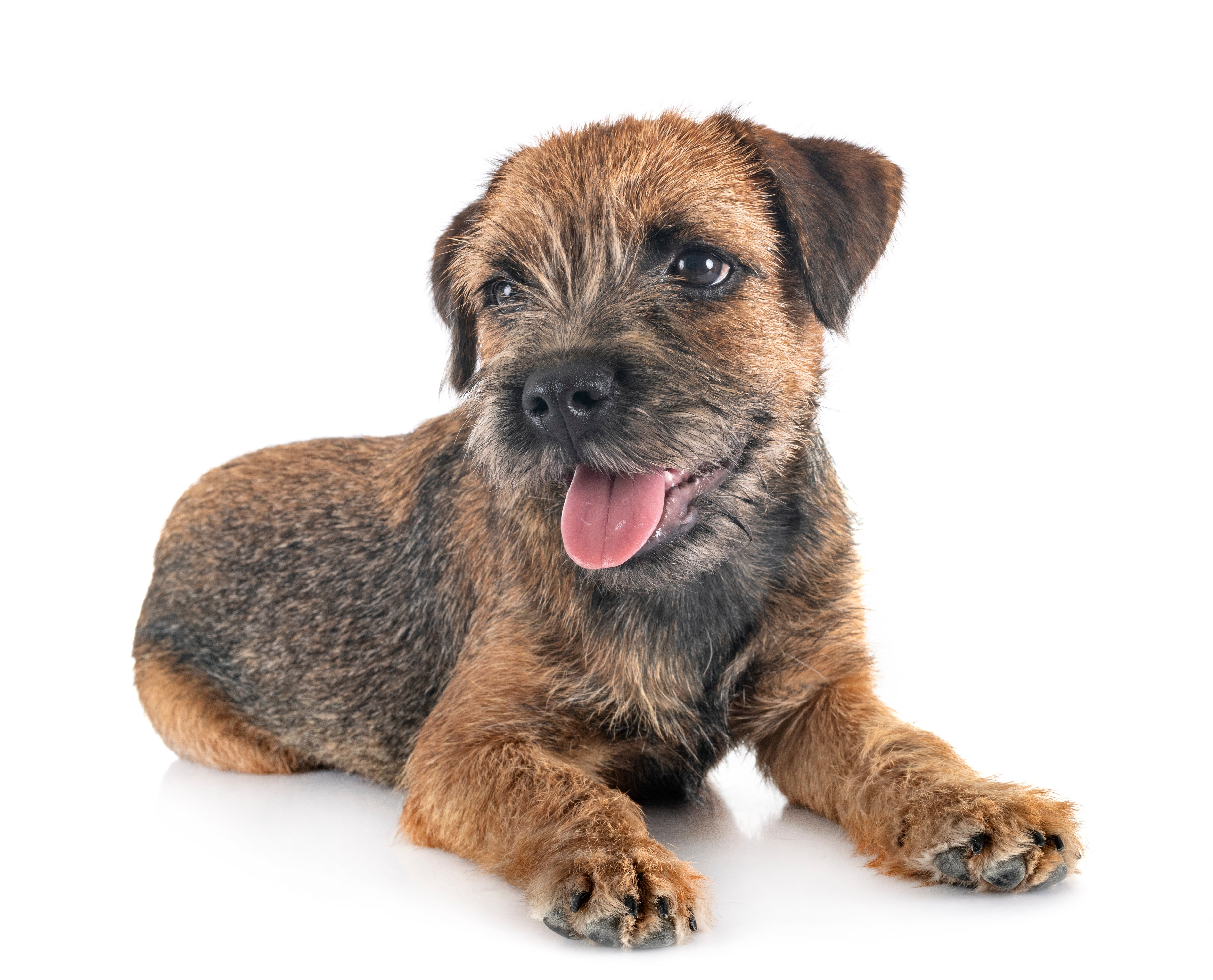
- Border Terrier: The Border Terrier is a friendly and affectionate dog. Clever and easy to train, they make good therapy dogs despite the fact that they were originally bred as endurance dogs. Their long legs allow them to cover ground quickly, and their narrow bodies, covered in wiry hair, let them squeeze into small or tight spaces.
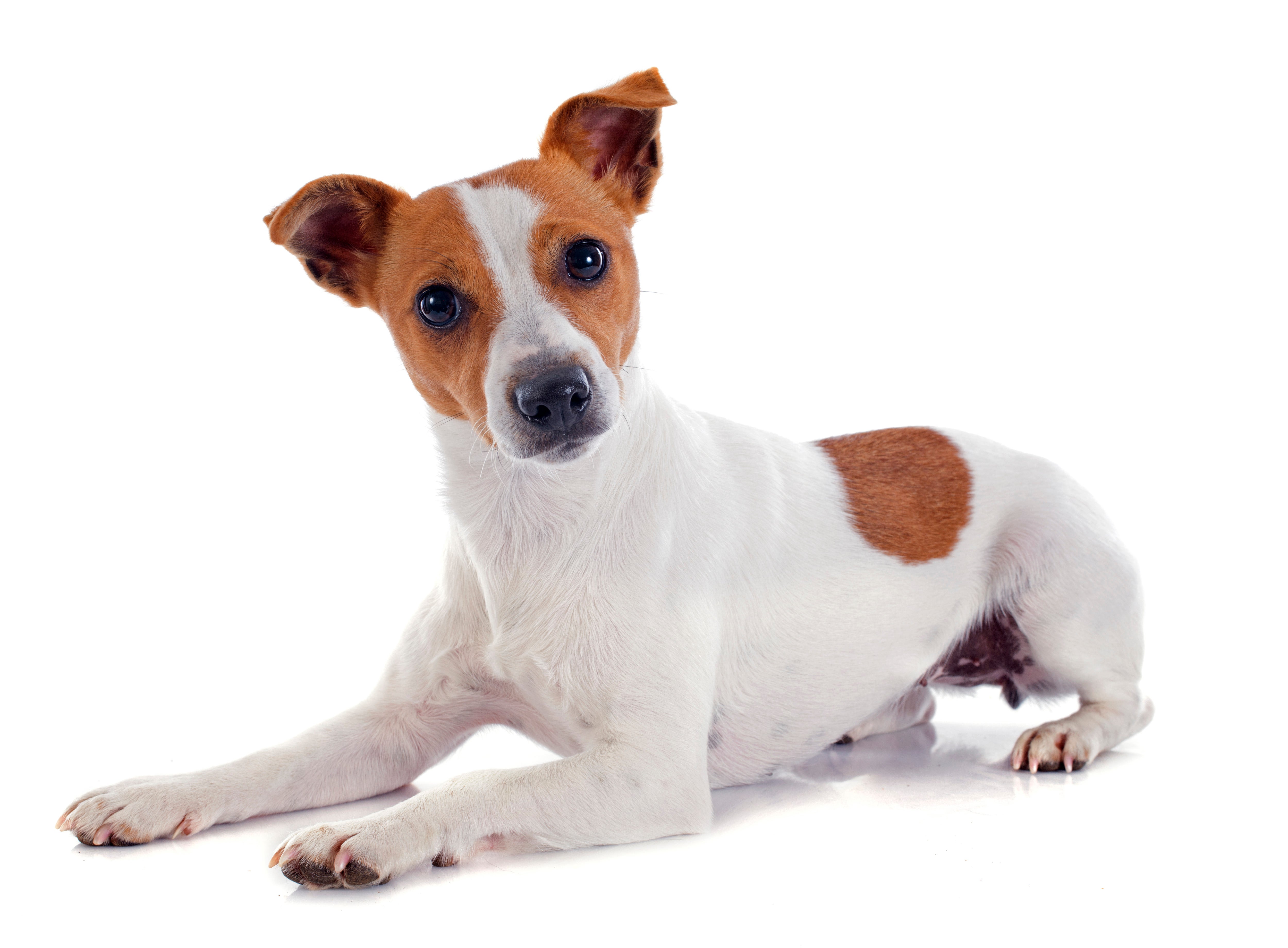
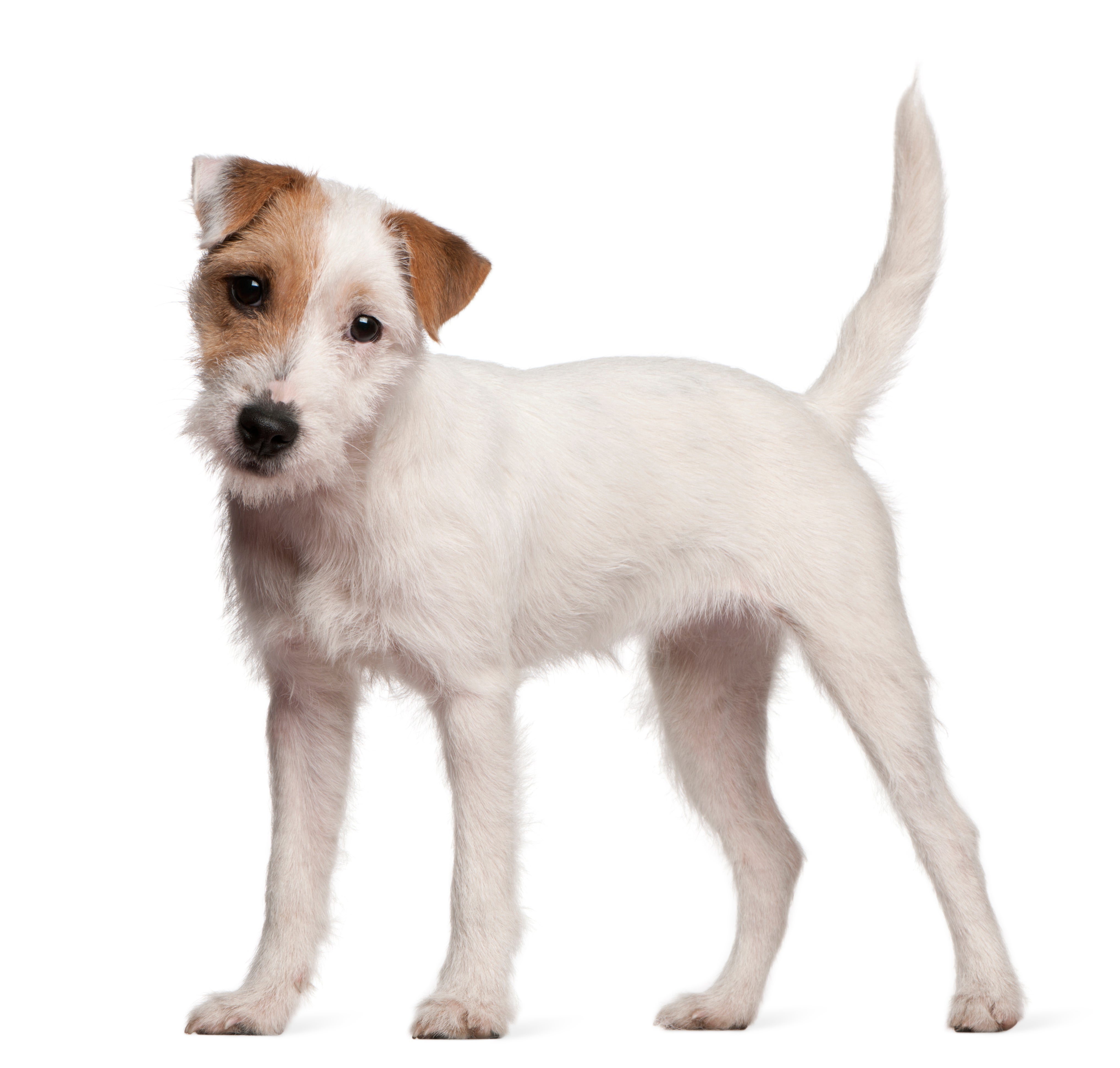
- Jack Russell Terrier: The Jack Russell Terrier is a bouncy dog breed with seemingly endless reserves of energy. They can have wirehaired, smooth, or broken coats. They’re not recognized as an “official” breed like sister breeds, such as the Russell Terrier and Parson Terrier, but they’re beloved anyway for their intelligence and scrappy personalities.
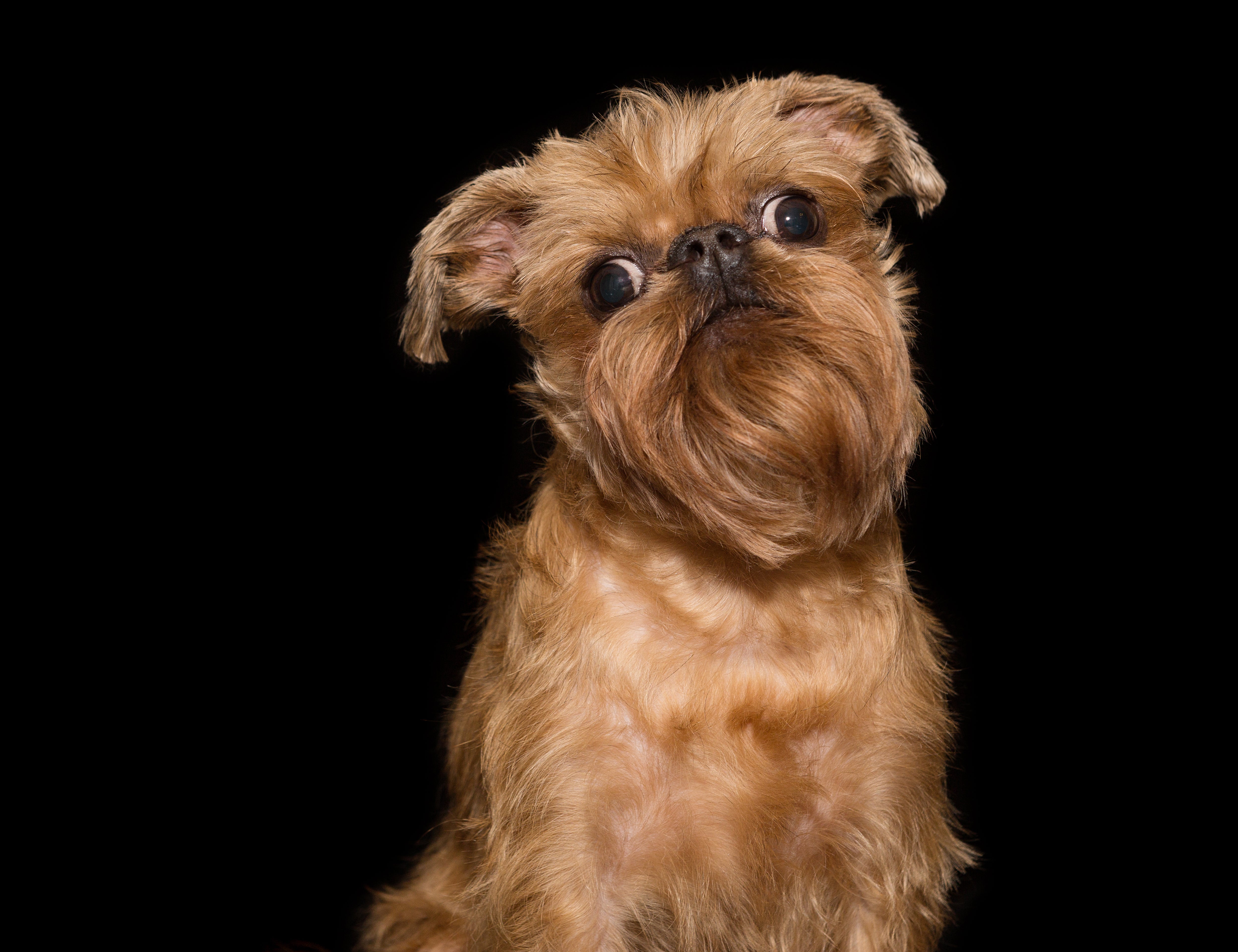
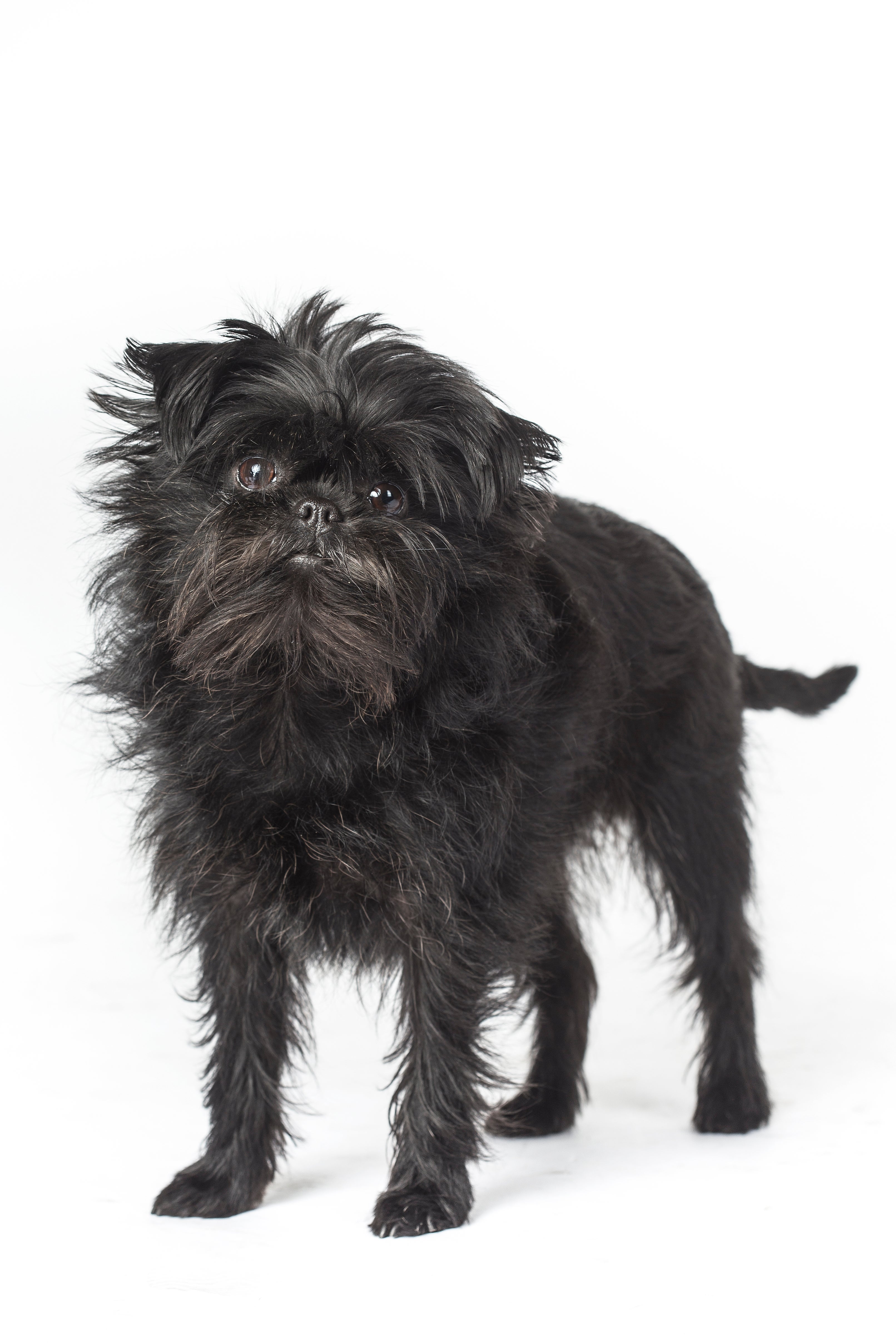
- Brussels Griffon: Only weighing about 10 pounds, the Brussels Griffon is a wiry-haired dog with an expressive face, including an adorable bear face and perky ears. They can have smooth coats or wiry coats. Originally bred as tenacious guard dogs for cab drivers, they still retain some of that feistiness even today.
- Affenpinscher: The pint-sized Affenpinscher is sometimes called the “Monkey Dog.” While small, they are relentless and tough dogs that were originally bred as ratters. With a mischievous face with long eyebrows and a beard, they are charming dogs despite being fearless and sometimes strong-willed.
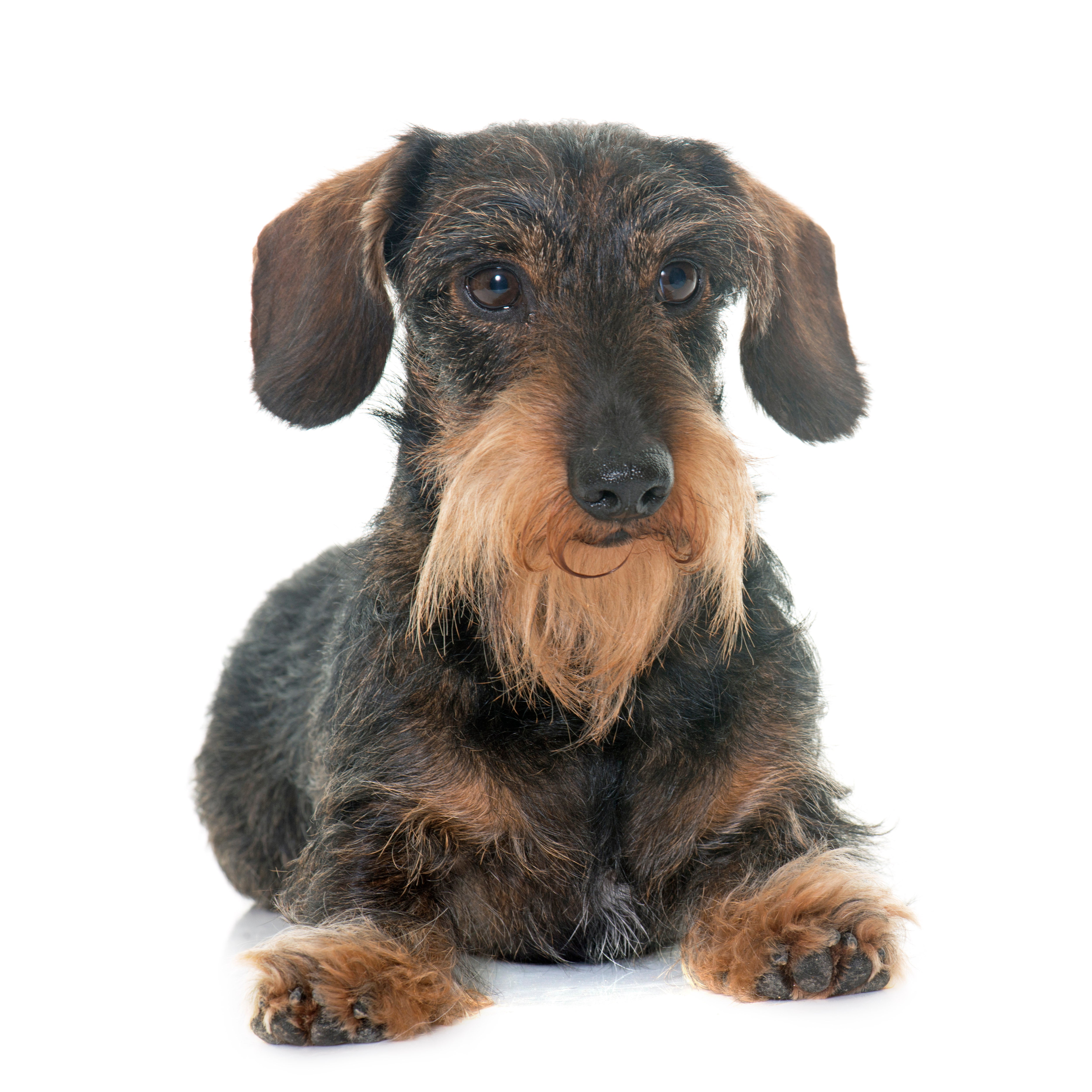
- Wirehaired Dachshund: Unlike their smooth-coated relatives, the Wirehaired Dachshund has a wiry coat covering its long body and short legs to protect them from the rough terrain where they were originally bred. Expressive eyebrows and an adorable beard further distinguish them from “regular” hot dogs. They can even come in a miniature size. Wirehaired Mini Dachshunds clock in between 8 and 11 pounds, making them perfect for small spaces.
- Scottish Terrier: The Scottie, or Scottish Terrier, is a powerful little package of a dog. They are short-legged and square with heavy bones. They have a dense undercoat and hard, wiry overcoat that protects them in the harsh conditions of Scotland, where they were created. Hardworking dogs, they now make excellent family companions, including for President Franklin D. Roosevelt, who had a Scottie named Fala who was buried with him.
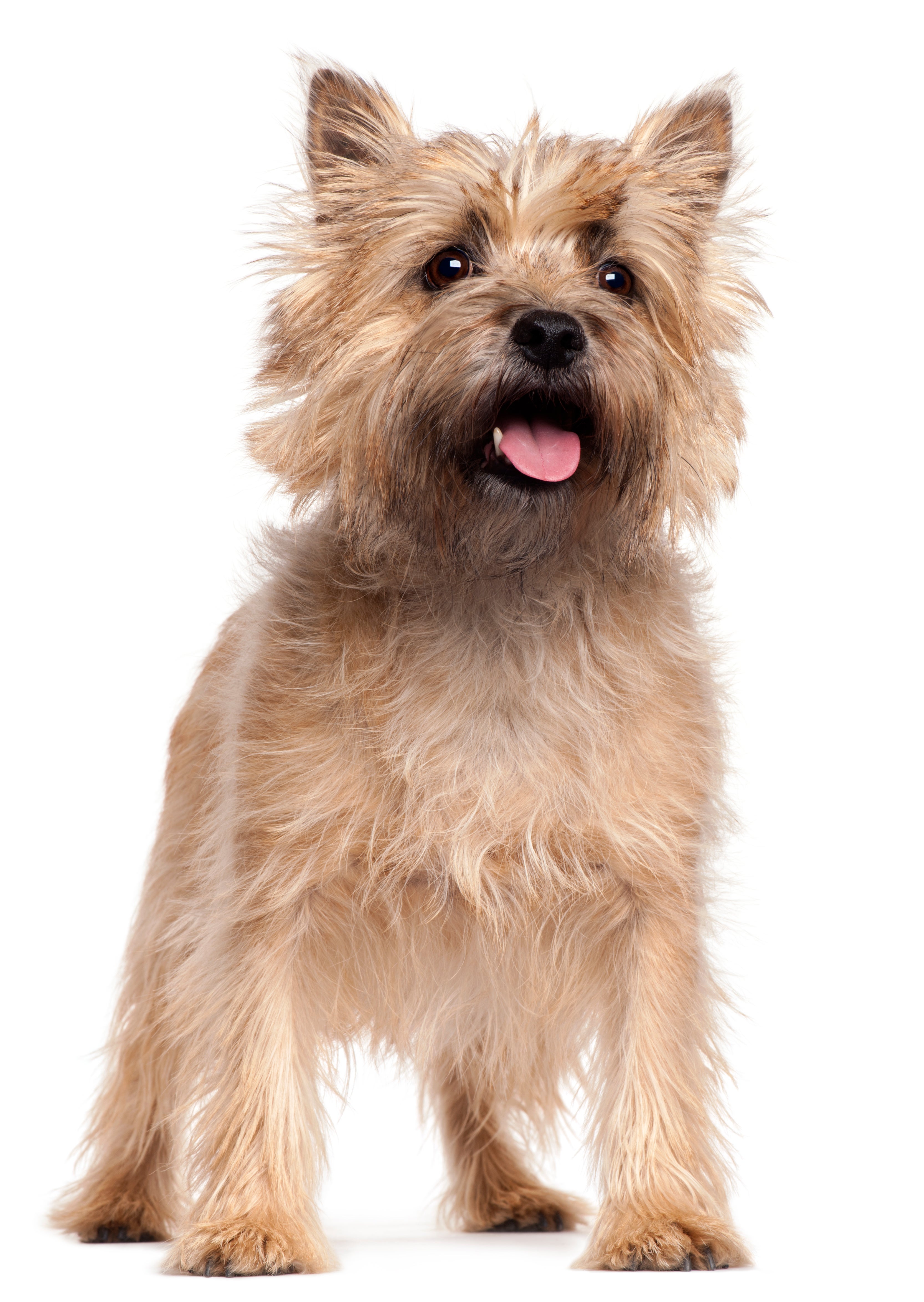
- Cairn Terrier: Cairn Terriers are powerful little pint-size packages full of muscle. They are working dogs with wiry, weather-resistant outer coats and pointed ears. Adventure seekers at heart, they are plucky, eager, and earnest, although they can be a little mischievous.
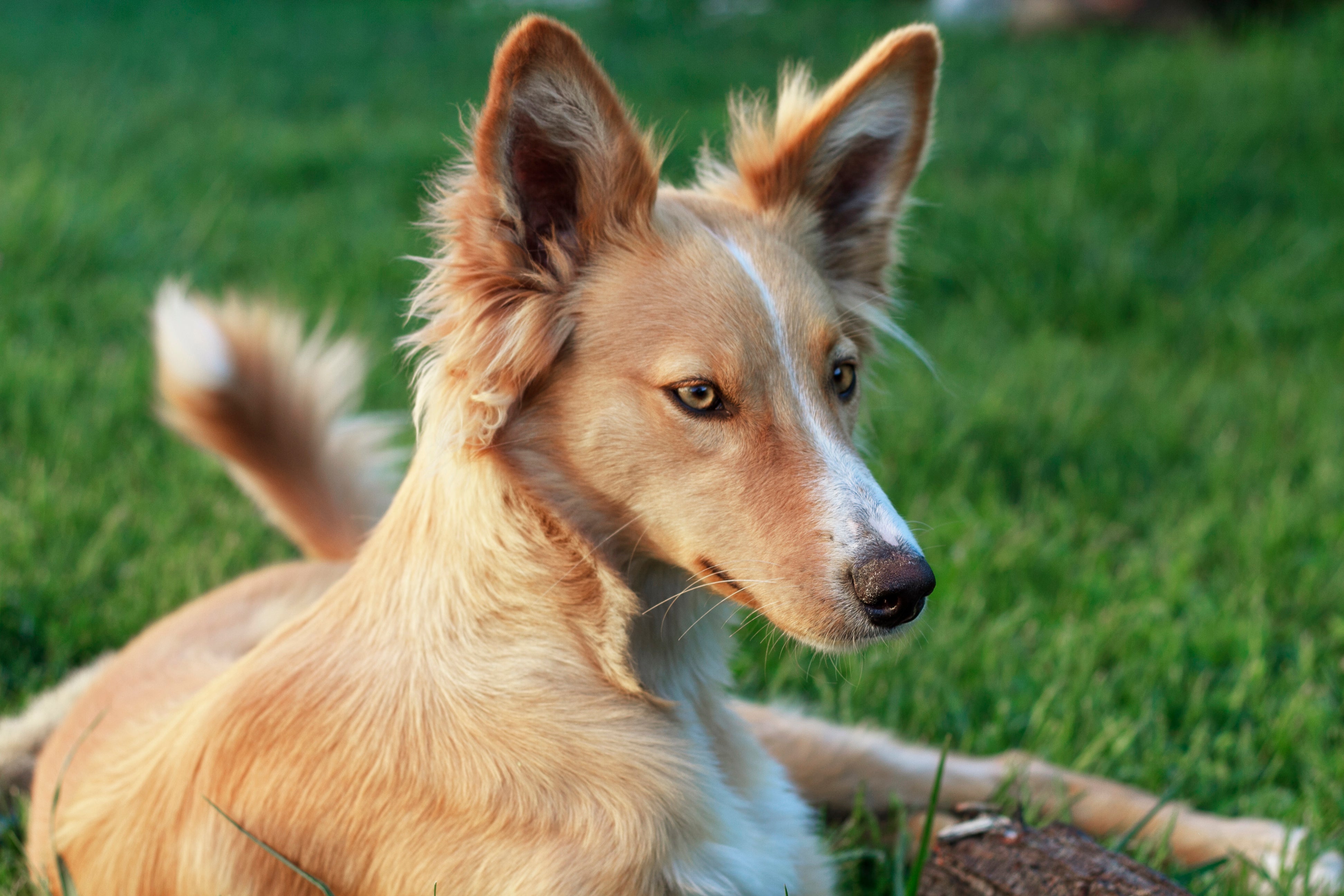
- Portuguese Podengo: The Portuguese Podengo dog looks wolf-like with a long muzzle and pricked ears, covered in a wiry coat. They can be small or large and can also be called the Portuguese Podengo Pequeno dog. Lively, smart, and sometimes challenging to train, they can have funny or entertaining personalities.
3 Medium Wirehaired Dogs
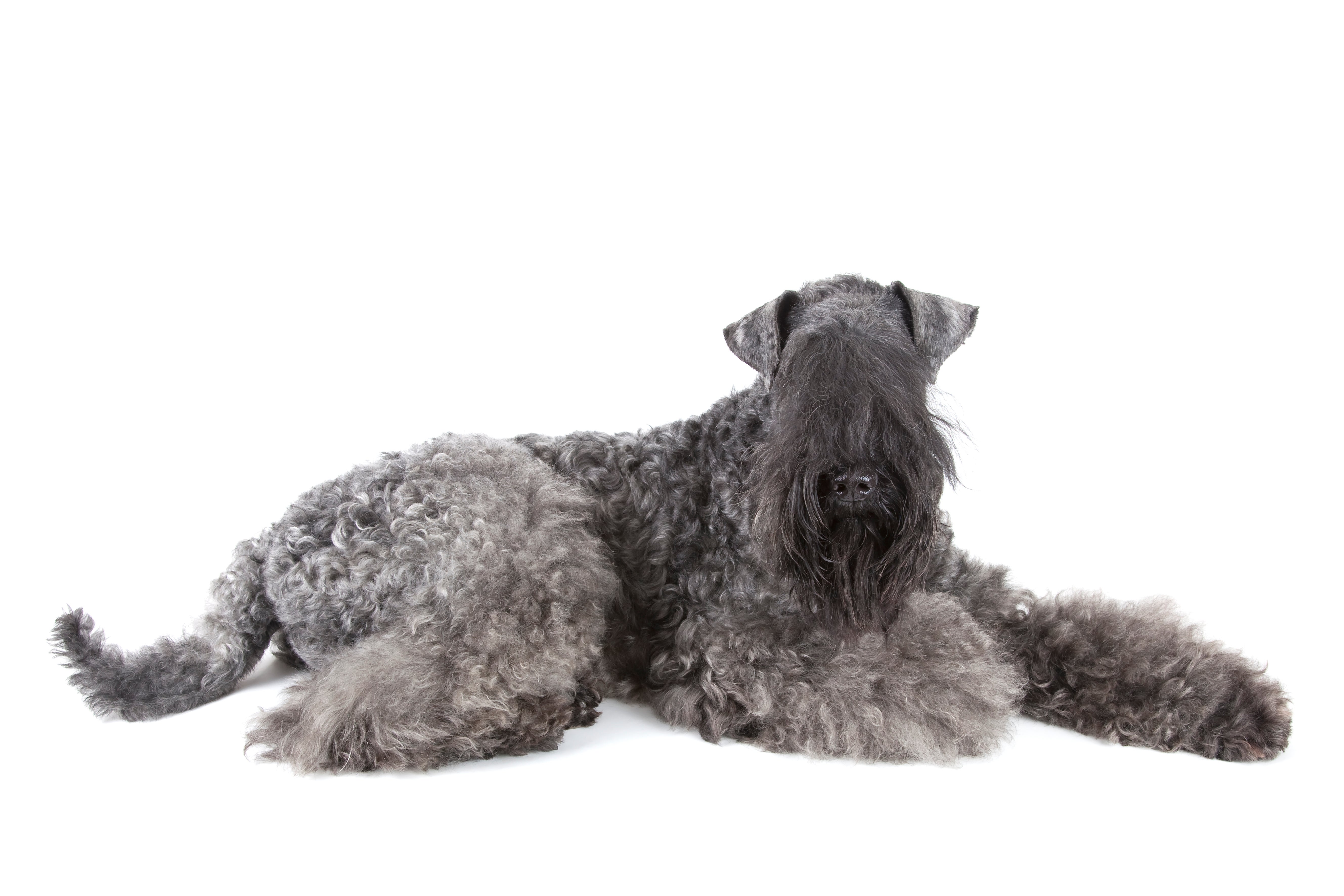
- Kerry Blue Terrier: The Kerry Blue Terrier is an Irish dog breed with a blue-gray wirehaired coat that can look curly. Smart, alert, and affectionate, they love to chase and explore outdoors but are on their best behavior inside. Protective of their families and suspicious of strangers, they can be territorial.
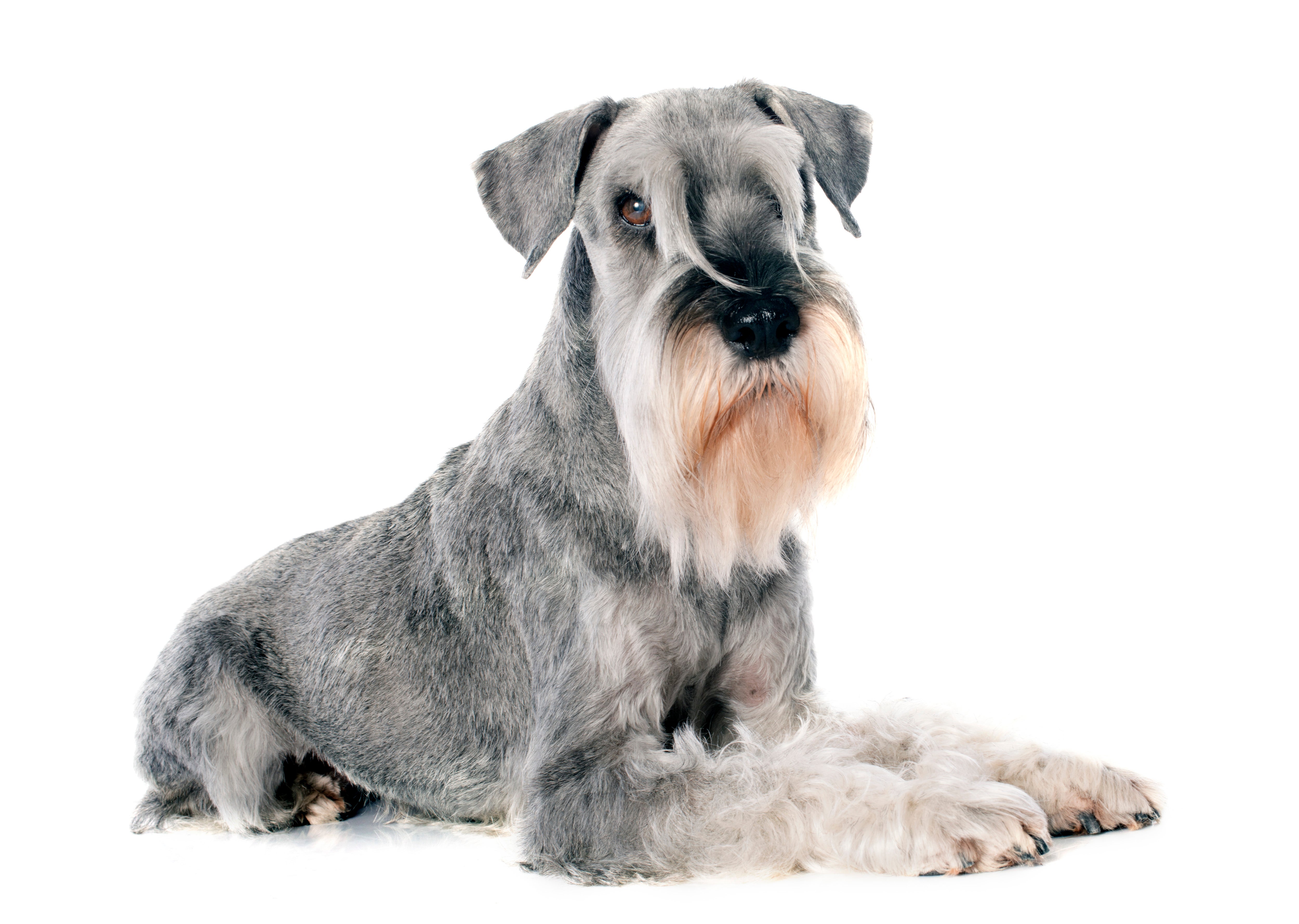
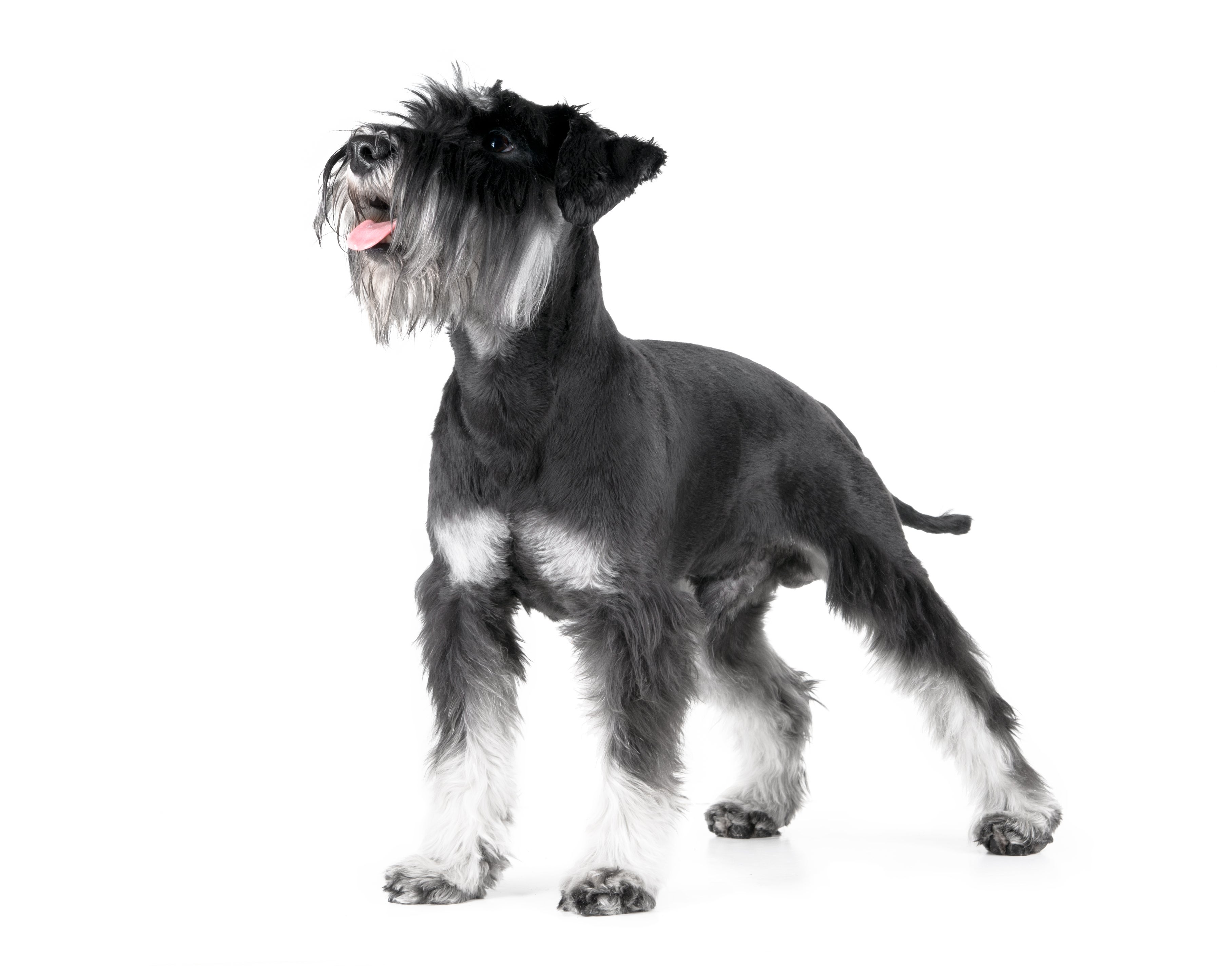
- Standard Schnauzer: Standard Schnauzers are agile and powerful dogs that weigh between 35 to 50 pounds. They also come in a Miniature Schnauzer and Giant Schnauzer variety, the latter of which can weigh up to 85 pounds! They have a hard and wiry coat that is usually black or salt-and-pepper gray. They look distinguished and wise, no matter their age, but their personalities are more fun-loving than grumpy.
- Wirehaired Pointing Griffon: The Wirehaired Pointing Griffon has a harsh and wiry coat that was used for running alongside owners outdoors. They are highly active, have a cat-like stride, and are independent yet friendly dogs. Owners who don’t mind a high-energy dog and a lot of outdoor time will get along well with Wirehaired Pointing Griffons.
How to Choose a Wirehaired Dog
Choosing a wirehaired dog as your forever companion requires some careful thinking about their needs. Here’s what to consider.
Exercise
Many wirehaired breeds were created for outdoor work, hence their water- and dirt-repellent coats. By default, many of them require a lot of outdoor activity each day to stay happy and healthy. Owners should be prepared for long walks and lots of exercise time for most of these dog breeds, although smaller breeds like Brussels Griffons and Affenpinschers might need less than bigger breeds.
Trainability
Many wirehaired dog breeds are highly intelligent as they were bred for work, not just pure companionship. Some can be more independent (read: stubborn), than others. Easy to train breeds include the Border Terrier and Standard Schnauzer and more difficult ones include the Airedale Terrier, although every dog is different.
Sociability
Some wiry-haired dog breeds were bred to exist in packs, like the Otterhound, and are confident and self-assured around other dogs. Irish Wolfhounds are generally chill and easy to integrate into situations with humans and other dogs, but breeds like the Wire Fox Terrier might need more exposure and consistent social outings to gain confidence as they were first bred to chase, and being social is fighting against their natural instincts.
Personality
Every wirehaired dog will have a sparkling personality that is individual to them, although some breeds, like the Irish Wolfhound, are considered generally more subdued than a breed like the Affenpinscher, for example.
Affection
The amount of affection a wirehaired dog breed will show depends on the individual dog’s personality and breed. The Brussels Griffon, for example, is known for forming a tight bond with their owner, while the Wirehaired Pointing Griffon might be more independent. Some breeds might show their affection through being in the room with you, while others might want to touch you—it depends completely on the individual dog.
Conclusion
Wirehaired dog breeds were originally created to withstand certain conditions and climates. They have adapted into beloved companion breeds with charming, interesting coats and distinctive appearances. The most important thing to note about wirehaired dogs is that they do come with specific grooming requirements that might not be for everyone, so it’s important to research each individual breed and dog to find out more.
To start your dog search off right, head to our adopter quiz to narrow down the right breeds for you. Ready to search for wirehaired dog breeds? Go to our dog adoption page to get started.
If you’re looking to adopt for the first time, start the relationship on the right paw by referring to our dog adoption checklist and our guide to preparing your home for a new dog. Then comes the fun part—picking out your dog’s name!
For more expert tips and information on other dog breeds, explore additional dog and puppy breed group articles.