Note: While the breeds in this collection tend to be giant or big, individual pets will vary. Please consult the adoption organization for details on a specific pet.
When choosing a dog, many people are drawn to giant breeds. These very large dog breeds can seem intimidating because of their size, but they have many loving qualities that make them great pets. They are known for their gentle nature, loyalty and strength and for providing protection and affection to their owners.
Giant dog breeds have an interesting history. They were originally bred for important jobs like pulling sleds, guarding livestock and protecting homes. Their intelligence and large size make them great companions and helpful workers. Future dog owners need to consider their big dog’s regular exercise, necessary living space and higher costs that often come with larger breeds.
Curious to know what are the biggest dog breeds in the world? In this article, we will look at the unique traits and histories of 20 of the biggest dog breeds in the world. In our large dog breeds list, we’ll highlight their family-friendliness, among other common traits that pet owners often want to know about, so you can see if they’d fit into your lifestyle. If you are ready to enjoy the benefits and challenges of having a big dog species, let’s explore these gentle giants and find out which of these, not 10, but 20 large dog breeds might be the best fit for your lifestyle.
What is the Largest Dog Breed in the World
The largest dog breed in the world is a bit subjective, as it can vary based on how you’d measure a big dog’s size – height or weight. The Great Dane is widely recognized as the tallest breed, with males averaging 30–32 inches and females around 28-30 inches in height. Their weight typically ranges from 140–175 pounds for males and 110-140 pounds for females.
However, the English Mastiff takes the title when it comes to overall size, particularly the biggest dog breeds by weight. This breed can weigh between 120–230 pounds, with similar heights to the Great Dane – around 30+ inches for males and 27.5+ inches for females.
So, while the Great Dane may be the tallest, the English Mastiff is often considered the largest dog breed overall, due to its massive weight. Ultimately, both breeds are impressive contenders in the canine world!
What is the Biggest Dog in the World
The largest dog ever recorded by Guinness World Records is Aicama Zorba of La-Susa. Zorba is an Old English Mastiff owned by Chris Eraclides from London. He was born on September 26, 1981. In September 1987, Zorba weighed 343 pounds and measured 8 feet, 3 inches long from nose to tail.
His huge size made him the longest and heaviest dog ever, showing a remarkable example of how big dogs can be!
Biggest Dog Breeds
If you’re considering welcoming a giant dog breed into your home, you’re in for a rewarding experience! These magnificent canines not only make impressive companions but are also known for their loyalty and gentle nature. However, they do require ample space, consistent training and a lot of love. In this section, we present 20 of the most extra-large dog breeds.
Akbash
Akbash males typically weigh between 90–120 pounds, while females range from 70-100 pounds. They stand about 28–34 inches tall at the shoulder. Originating in Turkey, they were bred to guard livestock from predators. While they can be gentle and loyal to their families, Akbash dogs do best in homes without small children or with older children who can assist with training and exercise. They thrive in environments with space to roam, such as farms. Regular socialization from a young age is crucial to help them feel more comfortable around strangers. Grooming is essential due to their shedding patterns, particularly during spring and fall.
Anatolian Shepherd Dog
The Anatolian Shepherd Dog males typically weigh between 100 and 150 pounds and are 29 inches tall, while females range from 80 to 120 pounds and stand at 27 inches tall. Originating in rural Turkey 6,000 years ago, they were bred to guard livestock. Loyal, brave and protective, they are affectionate with family but wary of strangers. Best suited for experienced owners with large, fenced properties, they need moderate exercise, strong leadership and early socialization. Regular grooming is required, especially during shedding season.
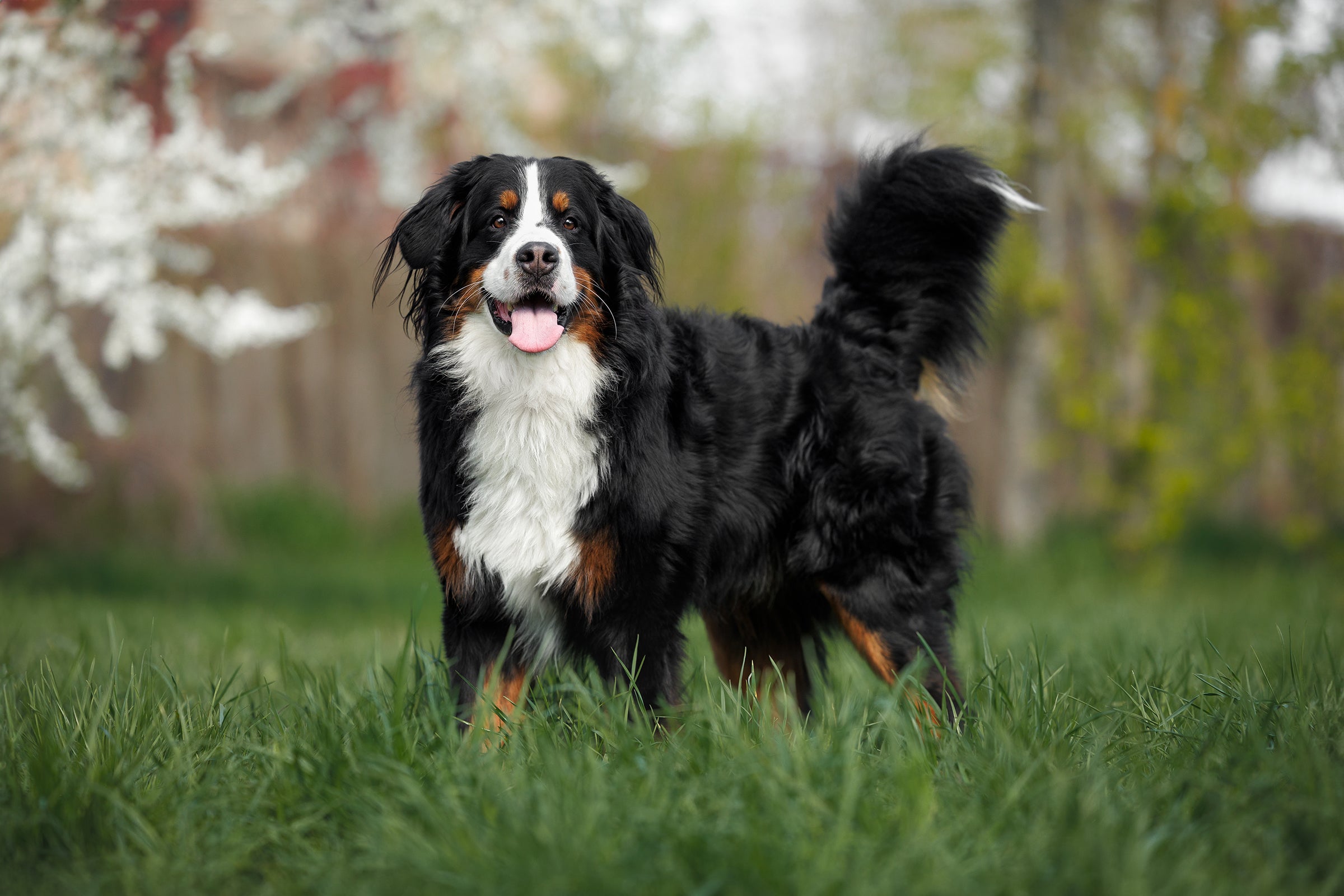
Bernese Mountain Dog
The Bernese Mountain Dog males typically range from 25 to 27.5 inches in height and weigh between 80 to 115 pounds. Females usually range from 23 to 26 inches in height and weigh between 70 to 95 pounds. Originating in Switzerland, they were bred for farm work and draft tasks. They are calm, affectionate and sociable, making them great family pets, especially with children. While they thrive in cooler climates and require regular exercise, they must have consistent training and supervision given their size. Regular brushing is also necessary due to their long, thick coat.
Black Russian Terrier
The Black Russian Terrier males typically stand between 27 to 30 inches tall and weigh between 80 to 130 pounds, while females are usually 26 to 29 inches tall and share the same weight range of 80 to 130 pounds. The Black Russian Terrier was developed in the 1930s by the Soviet government as a powerful guardian dog. The dog is strong, confident and loyal, with a protective nature and an aloof attitude towards strangers. They make affectionate family pets and excellent guard dogs but need regular exercise, mental stimulation, socialization and consistent training.
Bully Kutta
The Bully Kutta stands around 36 inches tall and weighs over 170 pounds. Originating in 16th-century Pakistan and India, they were bred for fighting, hunting and guarding. Bully Kuttas are independent, highly protective and often wary of strangers and other animals. They can be loyal and affectionate with their families when properly trained. Best suited for experienced owners, they require consistent training and socialization and may not do well with other pets or unfamiliar people.
Caucasian Shepherd Dog
The Caucasian Shepherd Dog stands 23–30 inches tall and weighs 99–170 pounds. Originating from the Caucasus Mountains, they were bred to guard livestock and villages, arriving in America in the 1970s. They are serious, confident and protective – gentle with family but wary of strangers. Best suited for experienced owners with older children, they need early training, socialization and a spacious, fenced yard. They enjoy both physical and mental stimulation, although they are not overly high-energy compared to other large breeds. Grooming depends on coat length. Caucasian Shepherd Dogs with long hair require frequent grooming, while those with short hair are low maintenance.
Dogue de Bordeaux
The Dogue de Bordeaux weighs 99–110 pounds, with males standing 23–27 inches and females 23–26 inches tall. One of France’s oldest breeds, it was originally bred to guard cattle and people. Gentle, loyal and protective, they make excellent family pets, especially with children. Regular exercise, socialization and plenty of attention are key to their well-being. Known for their gentle and calm demeanor, Dogue de Bordeauxs are protective and loyal, though they can also be stubborn.
Central Asian Shepherd Dog
Central Asian Shepherd Dogs stand 25.5–27.5 inches tall and weigh 88–110 pounds. Developed over 4,000 years, they were bred to guard livestock across vast regions. They are known for being self-assured, balanced, quiet and independent, displaying courage and a strong instinct for territory. While loyal and adaptable, they are best suited for experienced owners. Consistent training, socialization and supervision are essential.
English Mastiff
Male English Mastiffs, often referred to as “Mastiffs,” typically stand over 30 inches tall and weigh between 160 to 230 pounds. Females are around 27.5 inches tall and weigh between 120 to 170 pounds. An ancient breed, they were used for guarding in Roman times. Known as gentle giants, they are calm, loyal and protective but need early socialization. They make great family pets for those who appreciate a low-energy companion. Due to their size, they require regular vet care, light daily exercise and minimal grooming, with a lifespan of 6–10 years.
Great Dane
Great Danes stand 28–32 inches tall and weigh 100–175 pounds, with males larger than females. Originally from Germany, they hunted boars and guarded estates. This breed is well-known for its friendly, loving and gentle nature. They are medium-energy dogs that thrive on companionship. While large dogs, Great Danes can adapt to apartment living if provided enough space to stretch out and exercise regularly, such as daily moderate walks. Great Danes have a life expectancy of 7–10 years, shorter than many smaller breeds, so closely monitoring their health is essential.
Great Pyrenees
Male Great Pyrenees stand 27–32 inches tall and weigh 100+ pounds; females are 25–29 inches and 85+ pounds. Originally bred in France to guard livestock, they are gentle, calm, loyal and watchful. Great Pyrenees are excellent family pets as they are generally gentle with children and other animals, making them suitable for homes with kids and pets. Regular exercise and grooming are essential to keep them healthy and well-maintained, as their thick fur requires consistent care. Additionally, their independent nature may require patience during training.
Greater Swiss Mountain Dog
Greater Swiss Mountain Dogs stand 24–29 inches tall and weigh 85–140 pounds. This breed is the largest and oldest of the Swiss Mountain Dogs, descending from Mastiff or Molossian dogs introduced by the Romans to protect livestock and homes. Calm, loyal and sturdy, they make great family pets, especially for those with older children and large dog experience. They need regular exercise, training, socialization, gentle handling and regular grooming. Single-story homes are ideal.
Greyhound
Greyhounds stand 27–30 inches tall and weigh 60–78 pounds. As one of the oldest dog breeds, Greyhounds were initially bred by humans for hunting and have been depicted in ancient art from Greek, Egyptian and Roman times. They became established in Britain, eventually becoming popular race dogs in the early 20th century in America. Gentle and sensitive, they are loyal to family but reserved with strangers. Greyhounds require minimal grooming. Greyhounds have low exercise needs despite their athletic build, requiring only short sprint sessions daily. They should be kept on a leash as they have a strong chase instinct and may struggle with training. These dogs make excellent family pets, being good with children and other animals if raised together. However, they may feel anxious in more chaotic households.
Hovawart
The Hovawart, sometimes misspelled as “Hovaward,” stands 23–28 inches tall and weighs 65–90 pounds. Bred in medieval Germany to guard livestock, they are calm, strong and bond closely with family. Best for active homes with older kids, they require ample stimulation through exercise and mental challenges, have a thick coat that needs regular grooming and do best in homes with space to run and play off-leash. Hovawarts are sensitive and excel with positive reinforcement, but they need consistency and kindness in training for the best results.
Irish Wolfhound
Irish Wolfhounds stand 30–32 inches tall, with males around 120 pounds and females about 105 pounds. Originally bred in Ireland to hunt wolves, they are calm, dignified and friendly. Their good-natured and loyal personality makes them excellent family pets, often forming strong bonds with children and other animals. Due to their large size, training and socialization from a young age are essential, and they may require more space and careful consideration of their health, as their life expectancy is only 6-8 years.
Kangal Shepherd Dog
The Kangal Shepherd Dog, sometimes called the “Turkish Kangal” or misspelled as the “Kengal Shepherd Dog,” stands 28–32 inches tall and weighs 88–132 pounds. Originating from Turkey, they were bred to guard livestock. Powerful yet gentle with proper training, Kangals are intelligent but can be stubborn. They need early socialization, consistent training, two hours of exercise daily and minimal grooming.
Leonberger
Leonbergers stand 25.5–31.5 inches tall for males and 25.5 to 29.5 inches for females, weighing between 110 to 170 pounds for males and 90 to 140 pounds for females. Originally bred in Germany for royalty, they later became farm dogs. Gentle, patient and eager to please, they make excellent family pets but need space, training and regular exercise.
Newfoundland
Newfoundlands typically stand 26 to 28 inches tall at the shoulders, with males weighing 130 to 150 pounds and females between 100 to 120 pounds. Originally working with fishermen, they are calm, gentle and highly trainable. Great with children and other pets, they need space, regular grooming and love swimming. Expect drooling!
St. Bernard
Saint Bernards, typically stand 28–30 inches tall for males and 26–28 inches for females. Known as gentle giants, they are friendly, patient and great family pets. They may stay puppy-like into their third year and are heavy droolers.
Tosa
The Tosa, formally called the “Japanese Mastiff” or the “Tosa Inu,” stands 21.5–23.5 inches tall and weighs 100–200 pounds. Originally bred in Japan as a fighting dog, it is patient, bold and loyal. Tosas can be loving family pets but need consistent training, socialization and firm handling due to their strong guarding instincts.
How to Choose a Big Dog Breed
Choosing a large dog breed that fits your lifestyle and family is an important decision before you choose and name the cutest-looking big dog you can find. Once you’ve narrowed your list down to, maybe, what are your top 10 favorite biggest dog breeds, here are some key factors to consider:
- Energy Level: Different breeds have varying energy needs. For example, Bernese Mountain Dogs require regular exercise, while Mastiffs are more relaxed. Match the dog’s energy to your activity level.
- Space Requirements: Large dogs need ample space to move. Ensure your home has enough room and access to parks for exercise and socialization.
- Temperament: Each breed has its personality. Decide if you want a protective, calm, playful or affectionate dog, and research breeds that meet your family’s needs.
- Allergies and Grooming: Some large breeds shed more than others. Check the big dog’s grooming needs. Some may require regular maintenance.
- Health Issues: Larger dogs can be prone to certain health problems like hip dysplasia. Understand potential health concerns for proper big dog care.
- Training and Socialization: Big dogs require early training and socialization to behave well in different situations. Be prepared to invest time in both.
Owning a large dog can be an enriching experience, as these gentle giants come in so many different breeds, each with unique characteristics and temperaments. Whether drawn to a Hovavart’s playful nature or a Great Dane’s regal presence, a perfect large dog is waiting for the right family. As you embark on this journey of finding your ideal big canine companion, explore adoption resources here at Petfinder for a wide selection of adoptable dogs.
New dog owners should also familiarize themselves with essential topics to ensure a smooth transition. Check out our new dog adoption checklist to prepare for bringing your new friend home and prepare your home for your giant breed. Embrace the joy of welcoming a large dog into your life and enjoy the unforgettable bond you’ll create! For more expert tips and information on other dog breeds, explore additional dog and puppy breed size articles.


