Note: While the breeds in this collection tend to be pastoral, individual pets will vary. Please consult the adoption organization for details on a specific pet.
For thousands of years, pastoral dog breeds have been furry coworkers to farmers and landowners, expertly herding sheep with all the enthusiasm of a mom waking up teenagers on a school morning. Smart and able, pastoral dogs have a long history of being ambitious workers who love having a job to do, although these days that job might be commander of the couch. Full of energy, with sharp instincts and an “always happy to see you” attitude, pastoral dogs have long been the overachievers of the dog world and key members of their families.
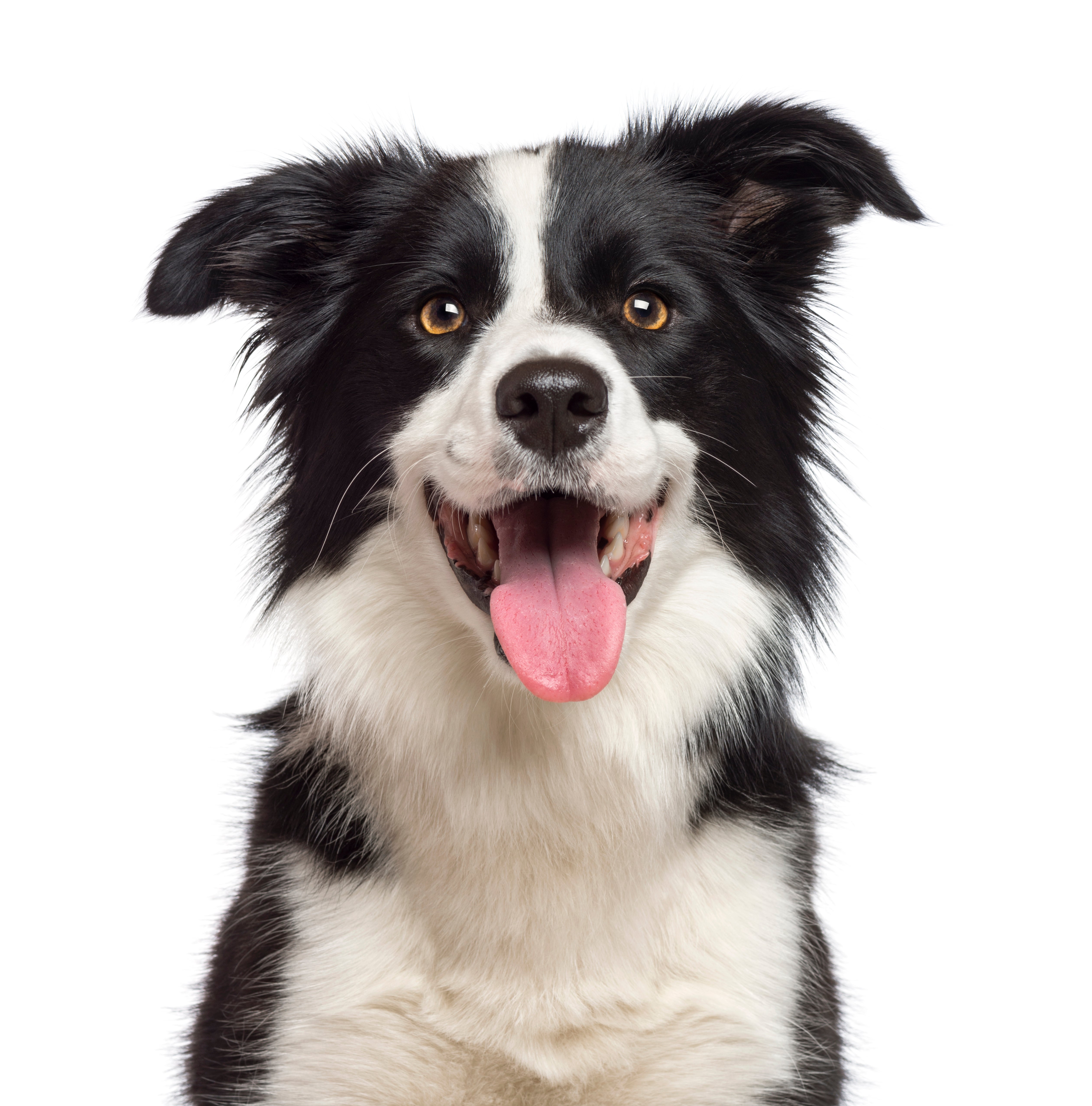
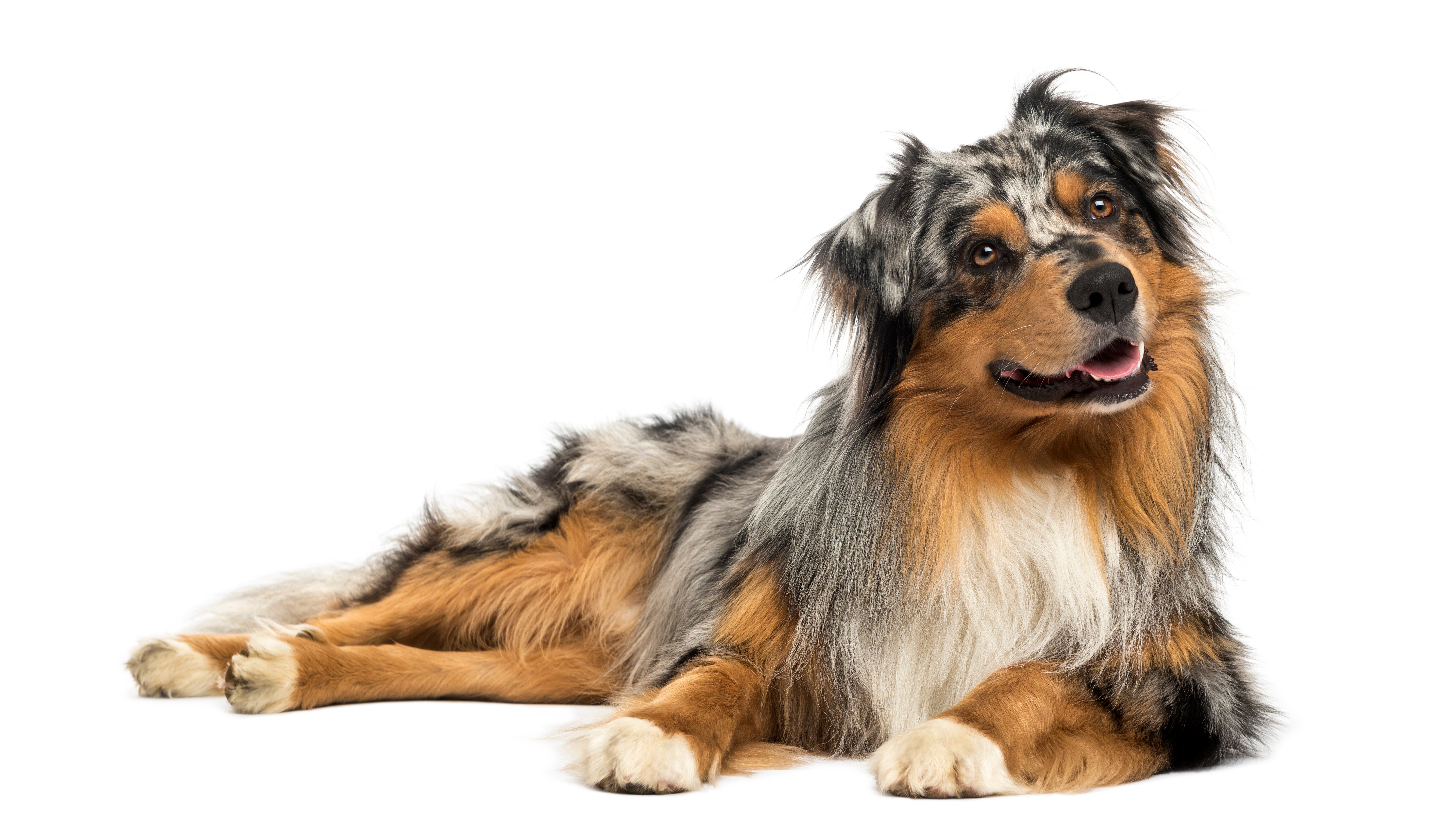
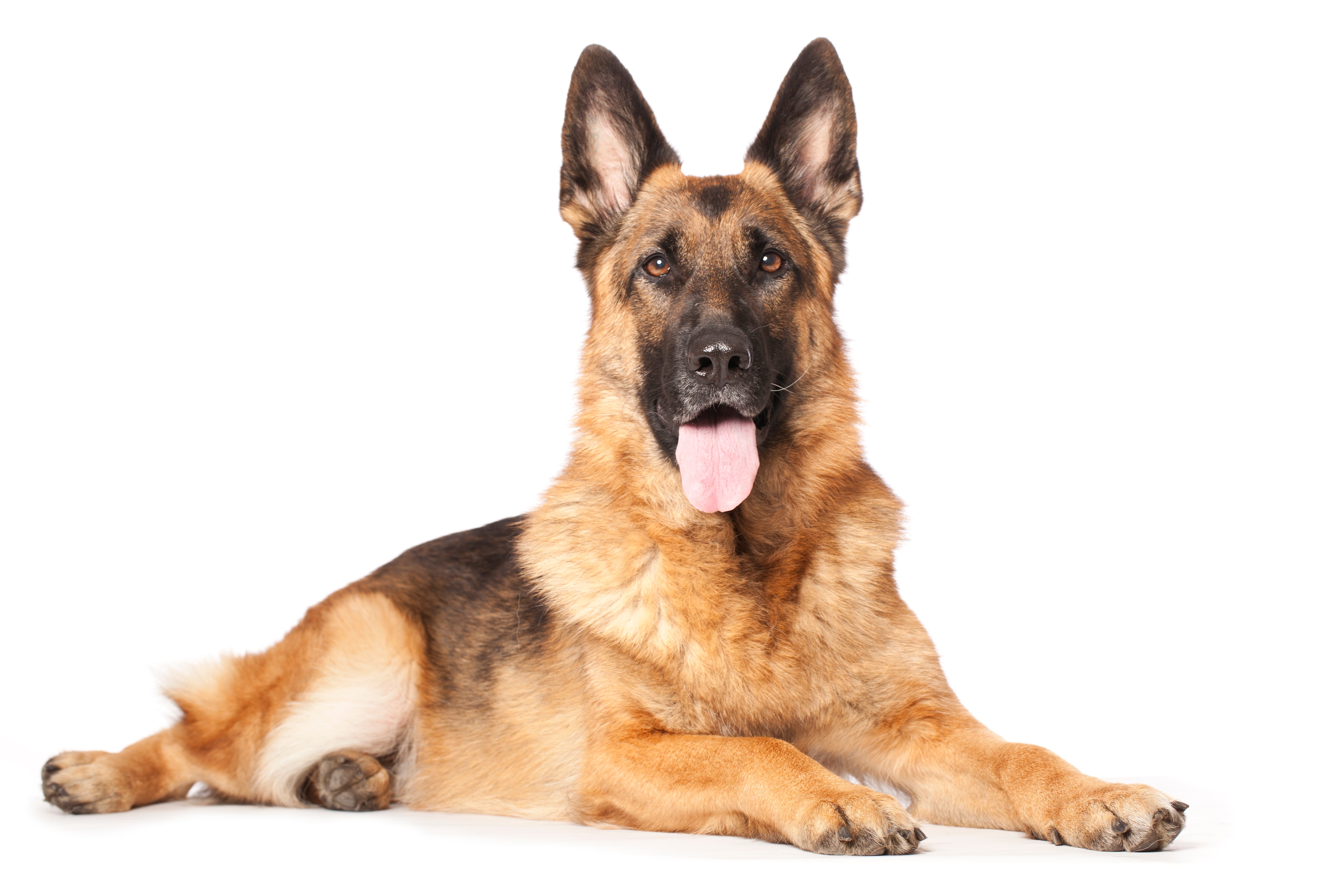
The pastoral dog group, also known as the herding dog group, is one of the American Kennel Club’s seven dog breed classification groups. It includes popular breeds like Border Collies, Australian Shepherds, and German Shepherds. Here’s everything you need to know about these affectionate, workaholic dogs.
Pastoral Dog Breed Facts
Here’s a quick reference for general tips about pastoral dog breeds:
- They love having a job to do and being outdoors
- They like lots of space to roam free and run
- They require a lot of mental and physical stimulation to feed their natural instincts
- Their grooming needs can vary depending on coat length
- Many within the breed group are loving, friendly, and affectionate, although some can be more reserved and guarded with strangers
- They are highly intelligent
- They have a ton of stamina
- They love to problem solve
- They can be chatty and vocal because of their history as guard dogs, but training can help them overcome these instincts
- Ideal owners should be active and enjoy bringing their dog with them
- They may need additional training to live with other animals, including other dogs, and small children
- They are a generally healthy breed group
What is a Pastoral Dog?
Pastoral dog breeds are also known as herding dog breeds. They were originally developed to help farmers and shepherds take care of the land and livestock. They have incredible instincts that allow them to control the behavior and movement of other animals, such as sheep and cows. Using eye contact, barking, nipping, and other methods, they get the job done with a happy wag of their tails. Some were bred to be guard dogs, instead channeling their intelligence into a more sentinel role.
Herding dogs are known for being incredibly intelligent, having crazy stamina, and being very loyal to their owners and families. They are protective, even if they are only guarding the house and not a flock. Independent thinkers and natural-born problem solvers, pastoral dogs can be a joy as companion dogs if owners can play to their strengths.
What is a Pastoral Dog’s Job?
While some pastoral dogs might still perform working duties on farms or with the military or police force, many have evolved to be loyal, attentive companion pets. However, the relationship started between pastoral dogs and humans thousands of years ago as a working one. As livestock became domesticated, dogs were needed to help protect and control a farmer’s most precious assets.
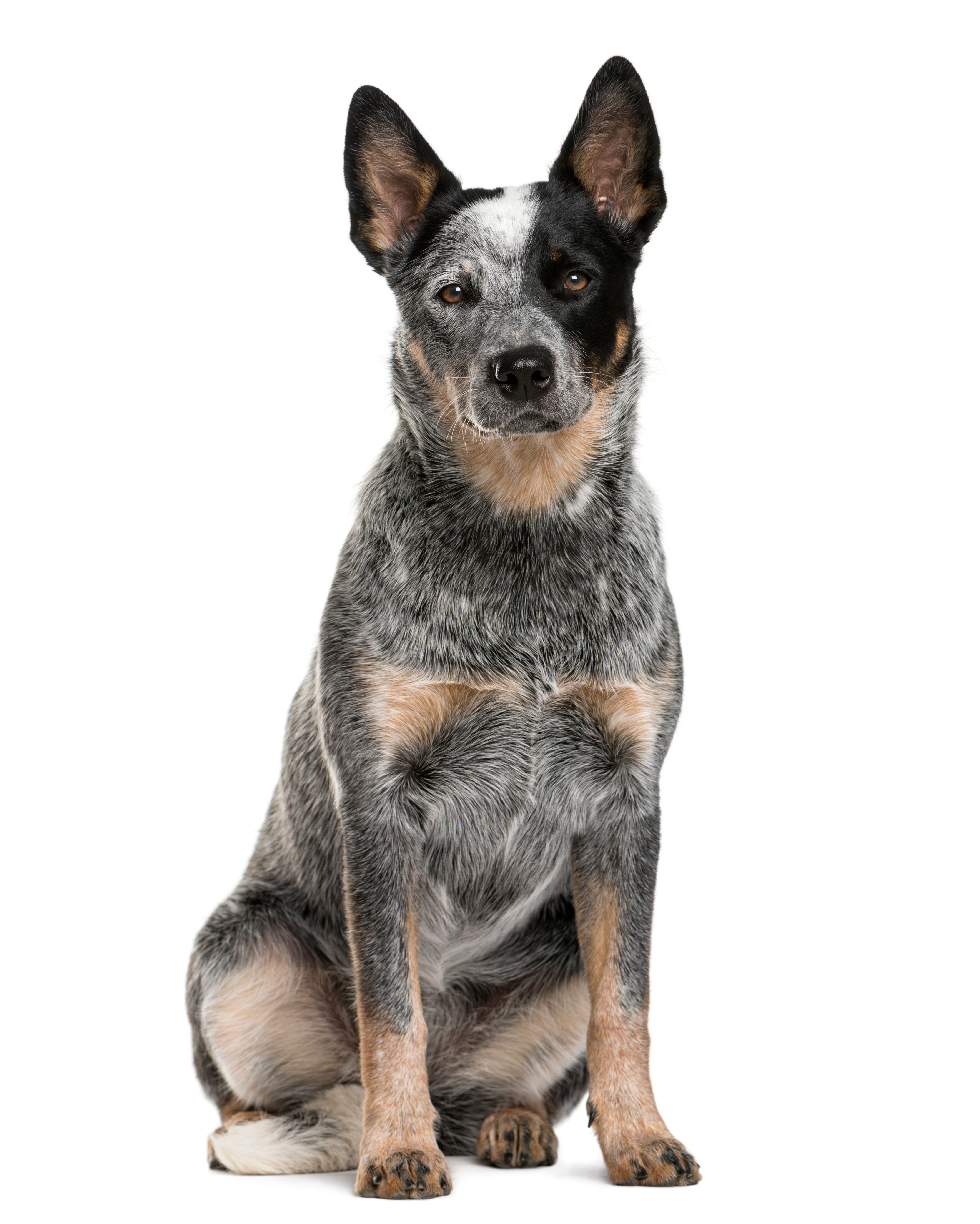
Some of the earliest pastoral dogs came from Europe and Asia. There are even ancient Roman texts from over 2,000 years ago that describe using dogs for herding sheep. As agriculture and farming spread around the world, different regions developed breeds that would work for their climate and conditions, such as the Belgian Malinois, which was developed in Belgium, and the Australian Cattle Dog, which was developed to withstand the harsh conditions of Australia.
Because they have worked so closely with humans for so long, this dog breed group is affectionate, intelligent, trainable, and eager to please, in addition to being the hardworking, ambitious dogs they are known to be.
Pastoral Breed Sizes
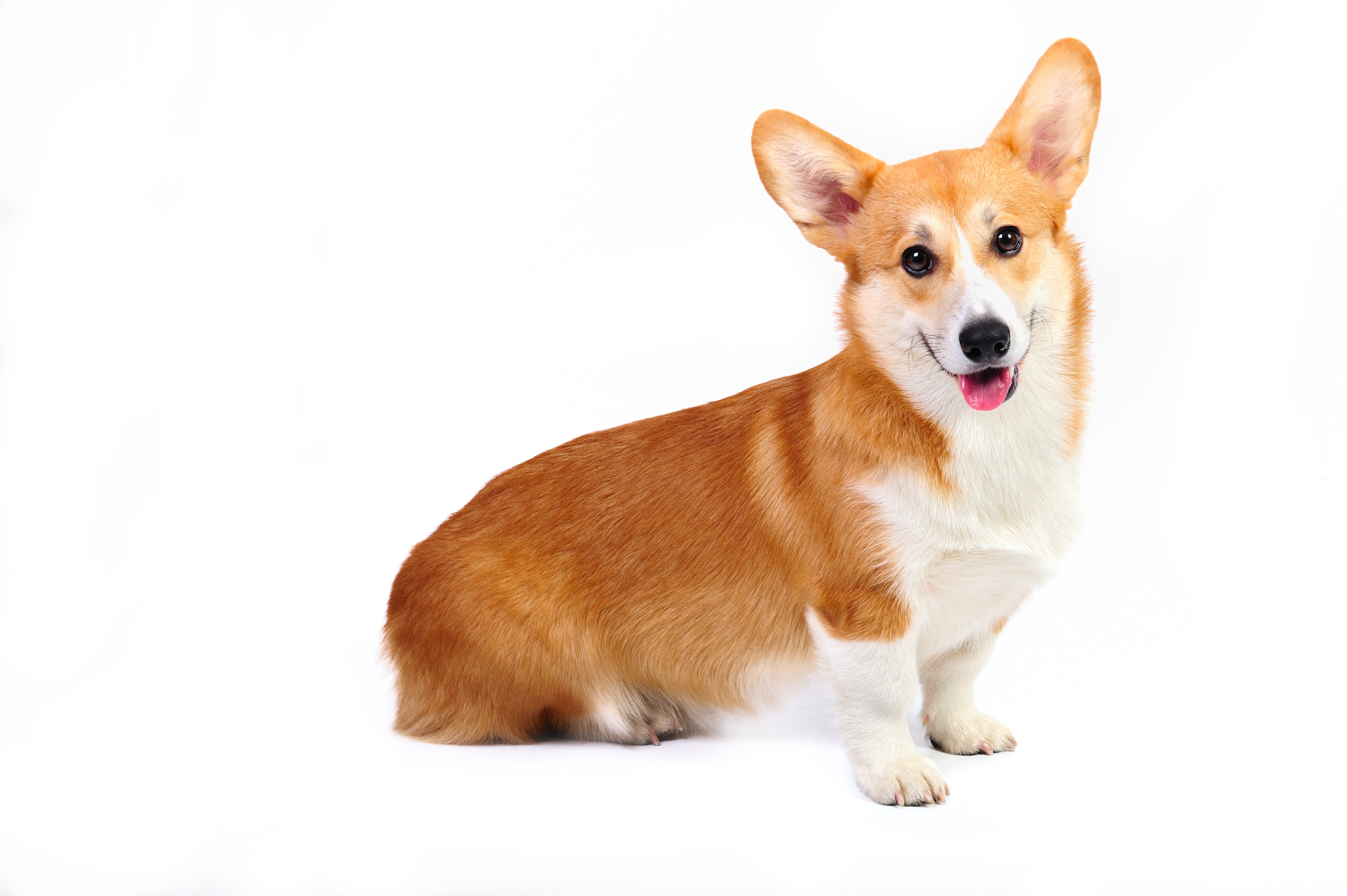
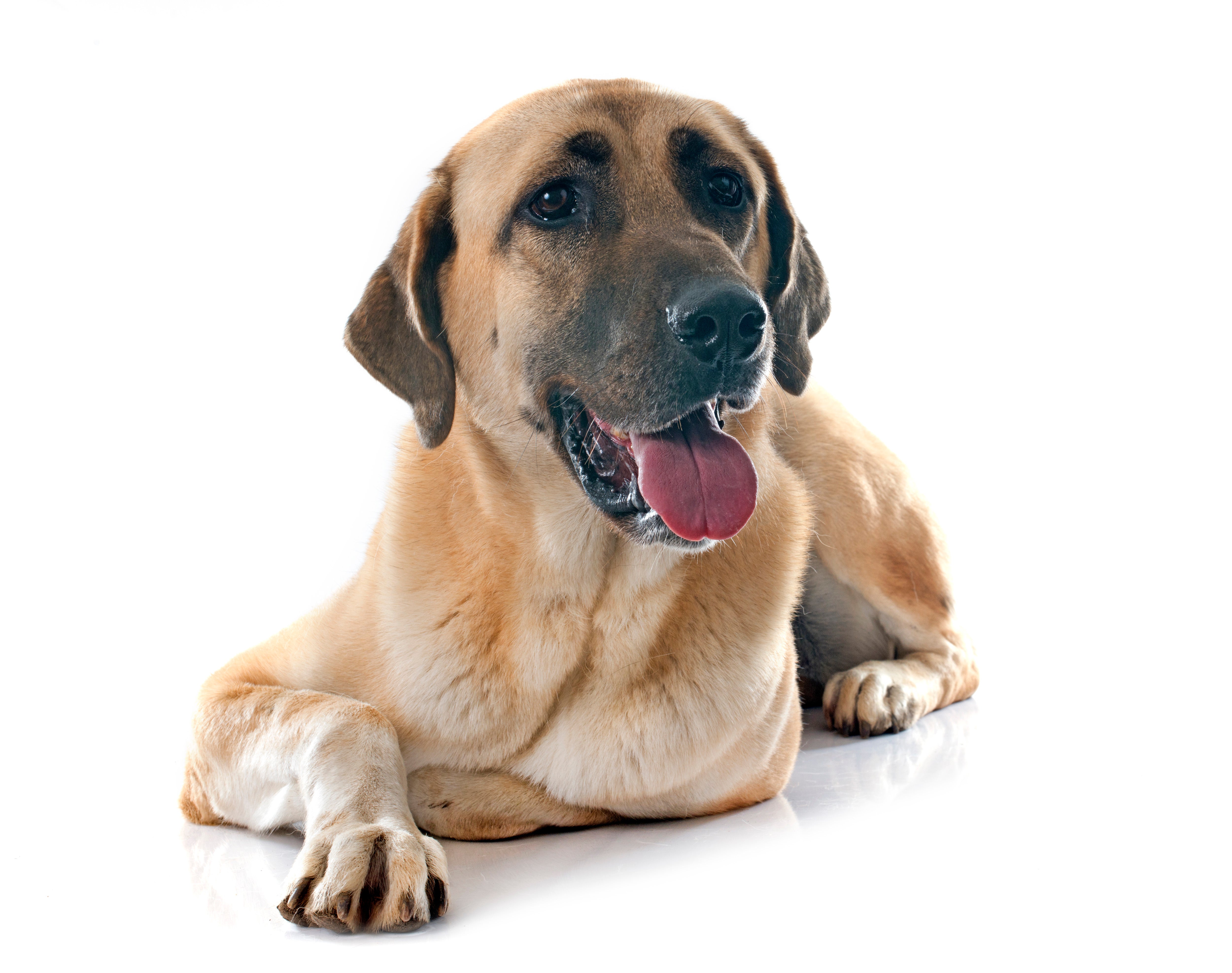
Pastoral breeds come in all sizes and coat types. There are smaller dogs, like Welsh Corgis, who would move livestock by nipping at their heels, and larger dogs, such as the Anatolian Shepherd Dog, who served more as a guard dog, sitting watchfully overlooking a farm.
Pastoral dog breeds can range in height and weight, with some weighing about 30 pounds, all the way up to the giant breeds, maxing out at close to 150 pounds. It’s important to think about how much room a dog might need indoors and outdoors to roam freely and not feel cooped up when considering some of the larger pastoral dog breeds.
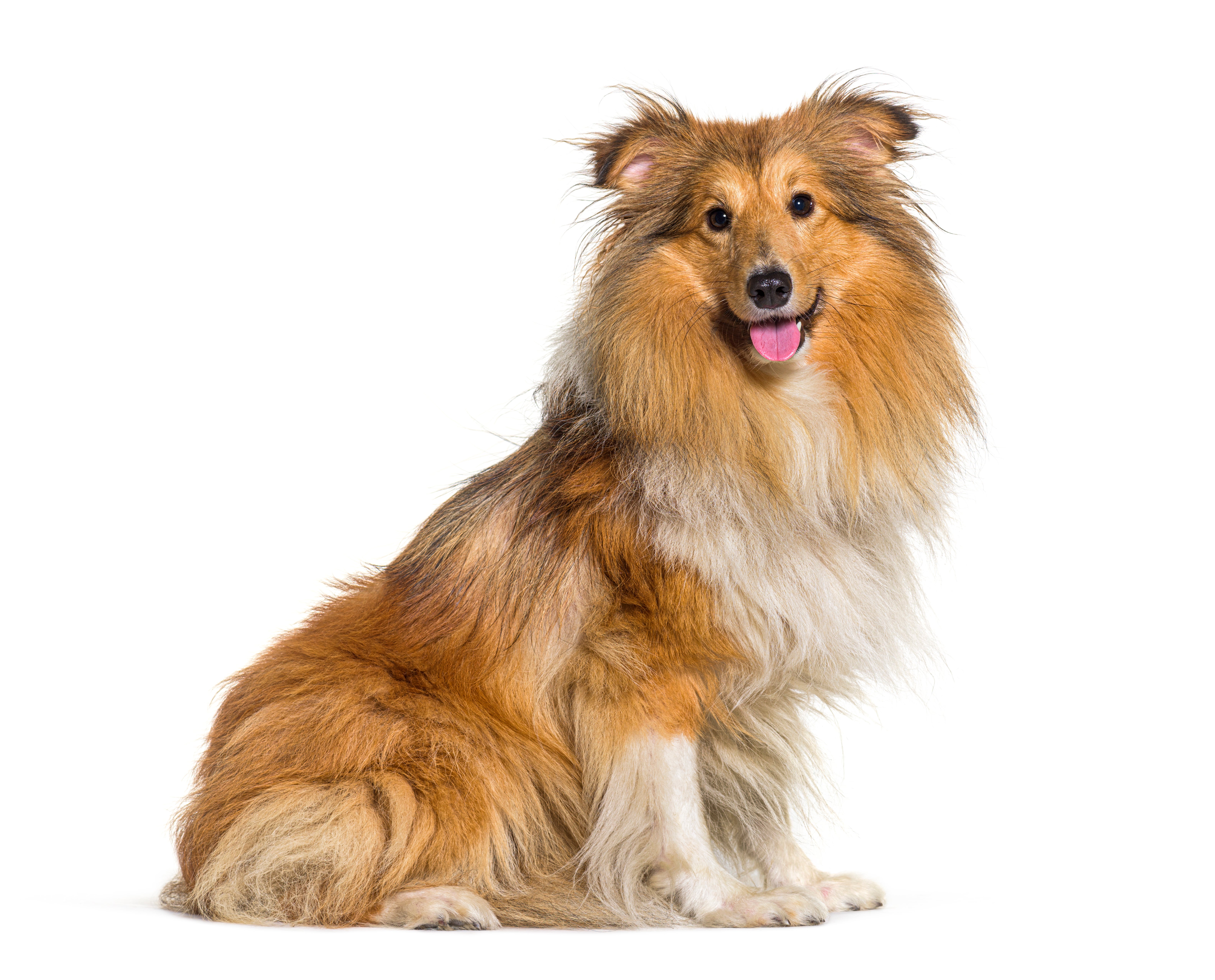
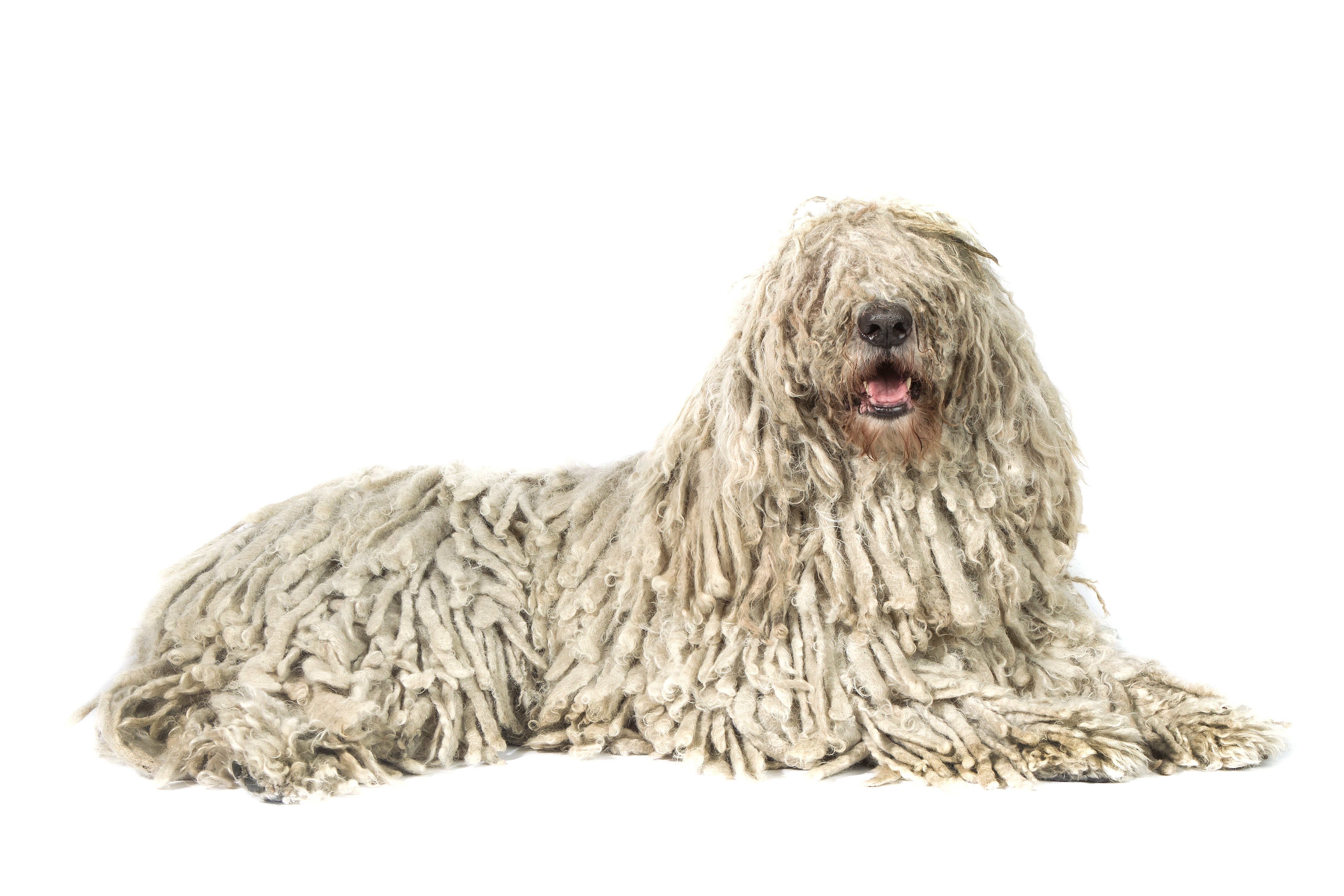
Their coat types and lengths can vary as well. For example, Shetland Sheepdogs, also known as Shelties, have a double coat with a long, straight outer layer and a soft and dense undercoat. There’s also the giant Komondor Dog, which has a unique corded coat that was developed over time to act as a protective layer. Each pastoral dog breed’s coat has evolved based on where they were bred and the conditions they were living in, which makes the breed group such a rich variety.
Pastoral Working Dogs
There are many herding or pastoral dogs listed on the American Kennel Club’s website. Some of the most popular in America are the German Shepherd, the Collie and the Australian Shepherd. Here’s a list of 20 of the most popular pastoral dog breeds:
- Australian Shepherd: Despite the name, Aussies were developed in the western United States. They are intelligent, energetic, and people-oriented dogs.
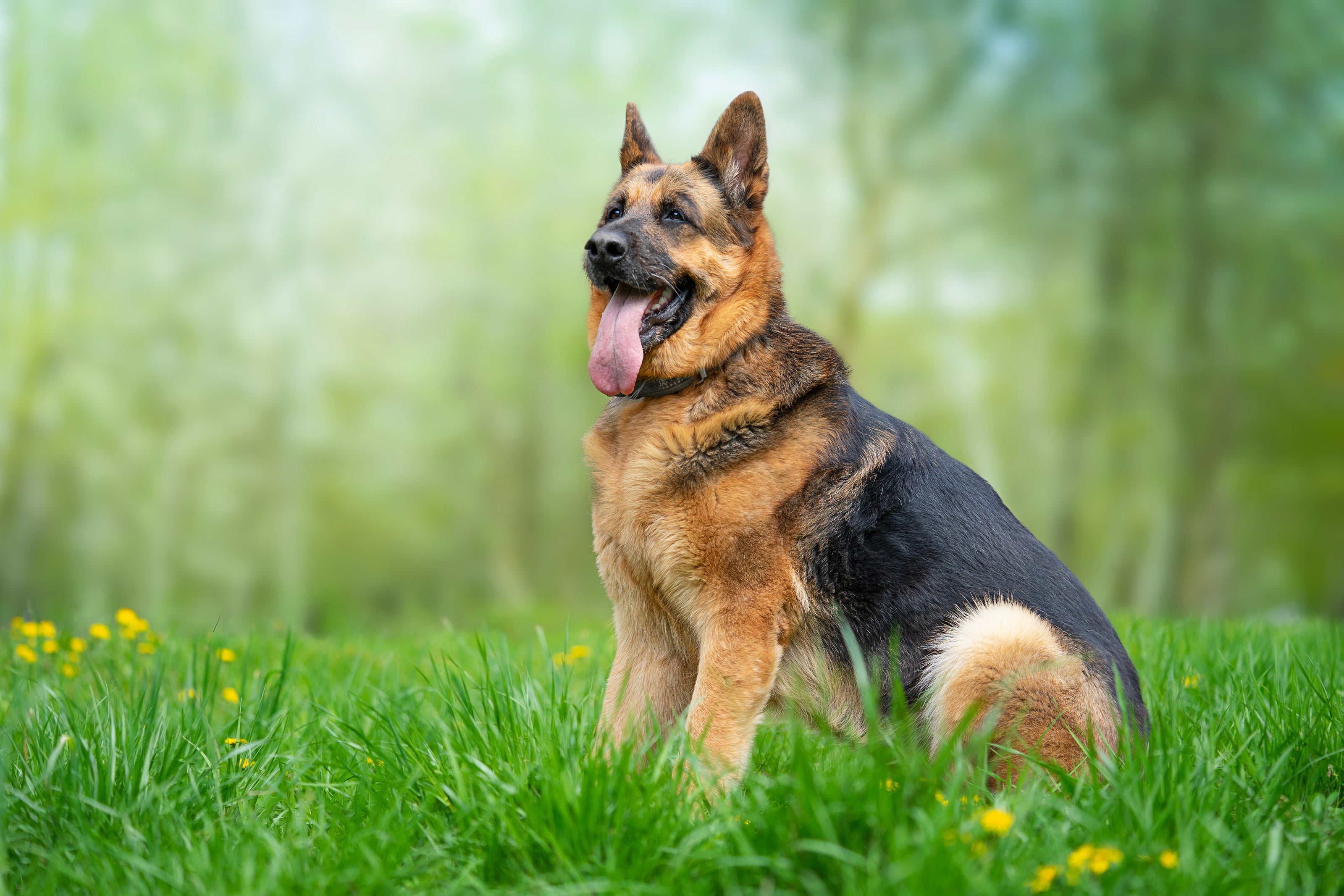
- German Shepherd: One of the most popular dog breeds in the world, German Shepherds are known for their loyalty, courage, and versatility. They make devoted family dogs when properly trained and exercised. They continue to work with military and police forces.
- Border Collie: Often considered the ultimate herding dog, Border Collies are prized for their intelligence, intense focus, and agility.
- Anatolian Shepherd Dog: Powerful and protective, these dogs are very loyal to their families.
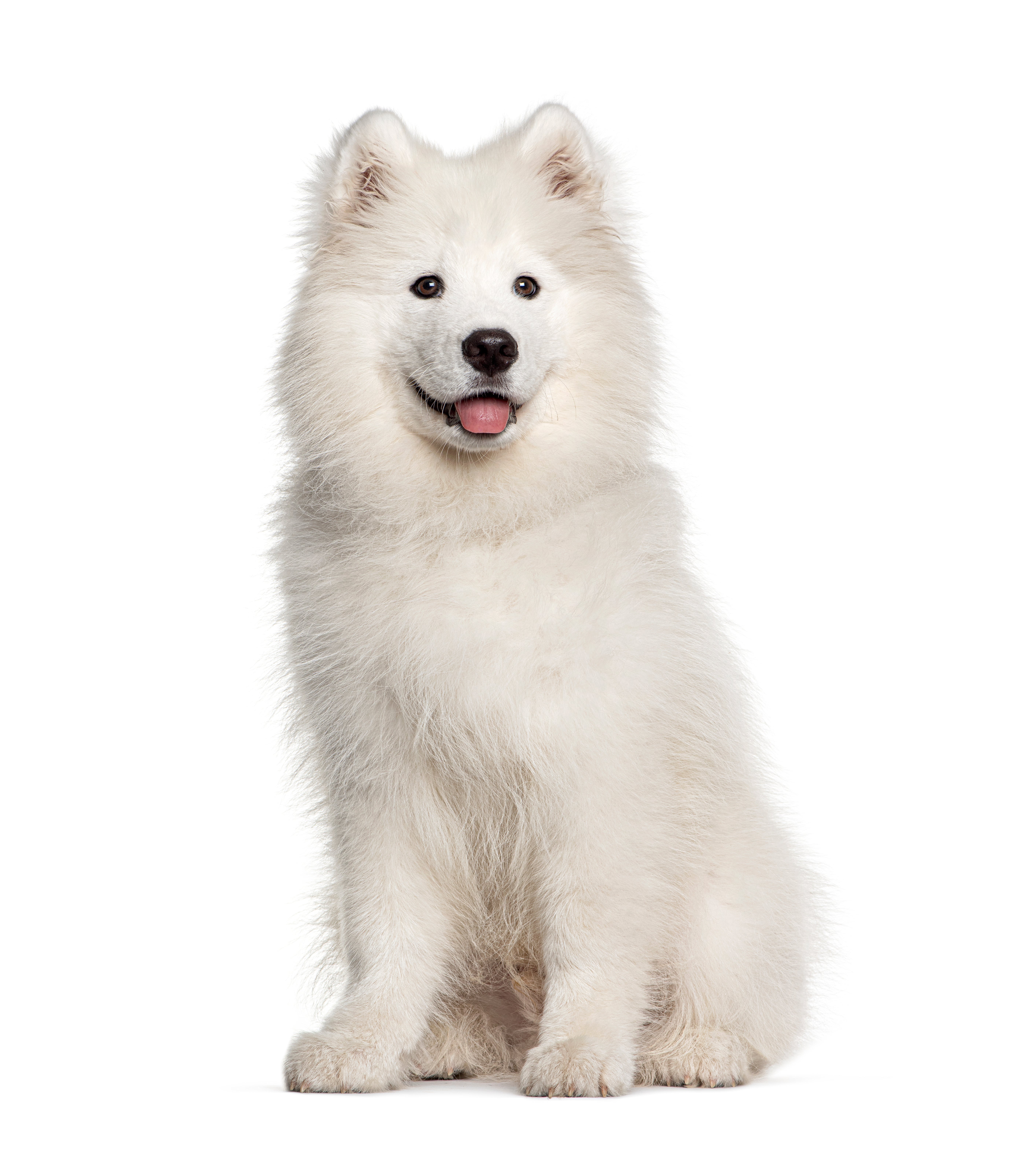
- Samoyed: Friendly, gentle, and fluffy white like a marshmallow, Samoyeds are famous for their “Sammy smiles.” They are laid back and very tolerant of family life.
- Shetland Sheepdog: Often called “Shelties,” they are bright, trainable, and affectionate. Shelties can be vocal and may try to herd children or other pets.
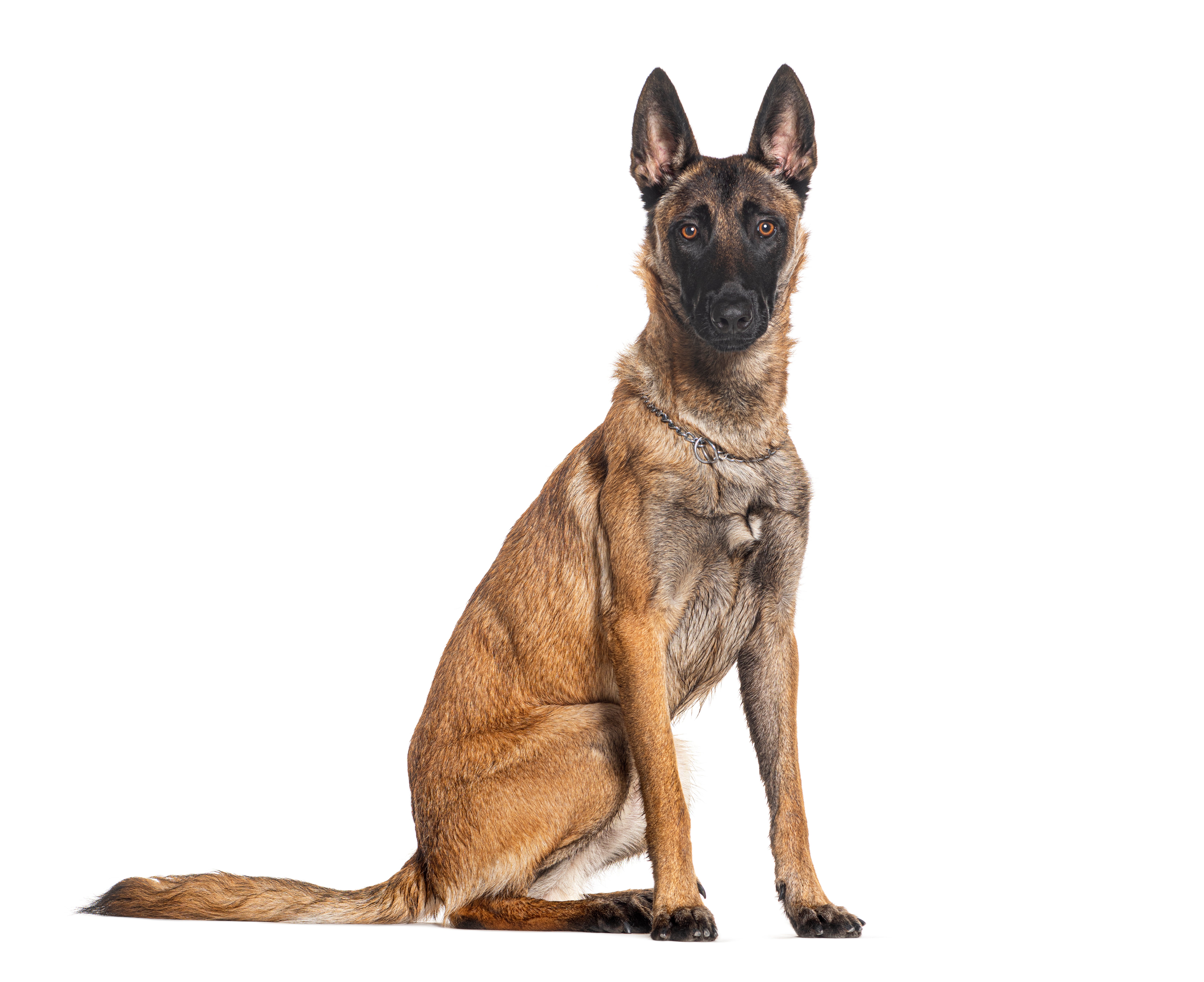
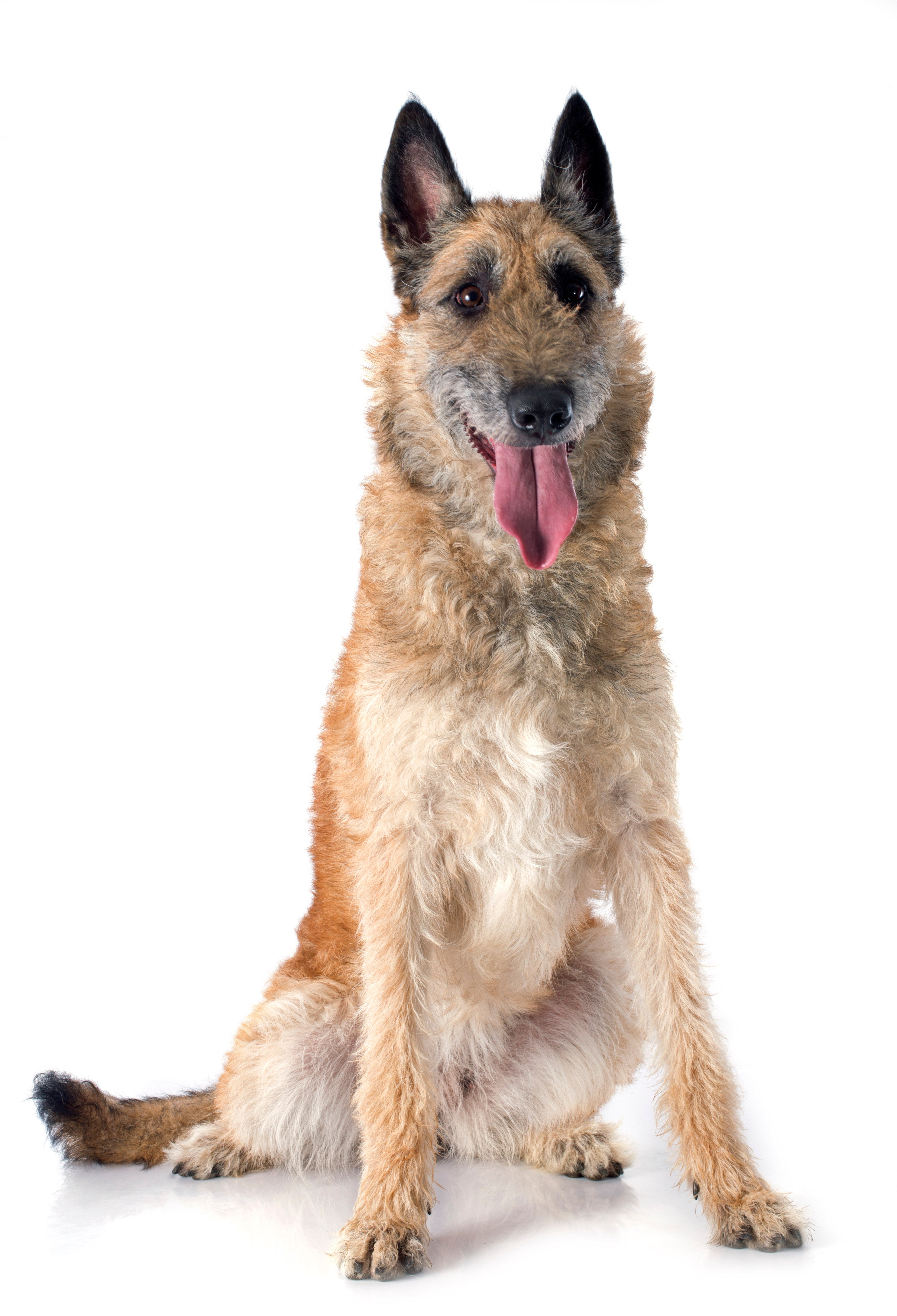
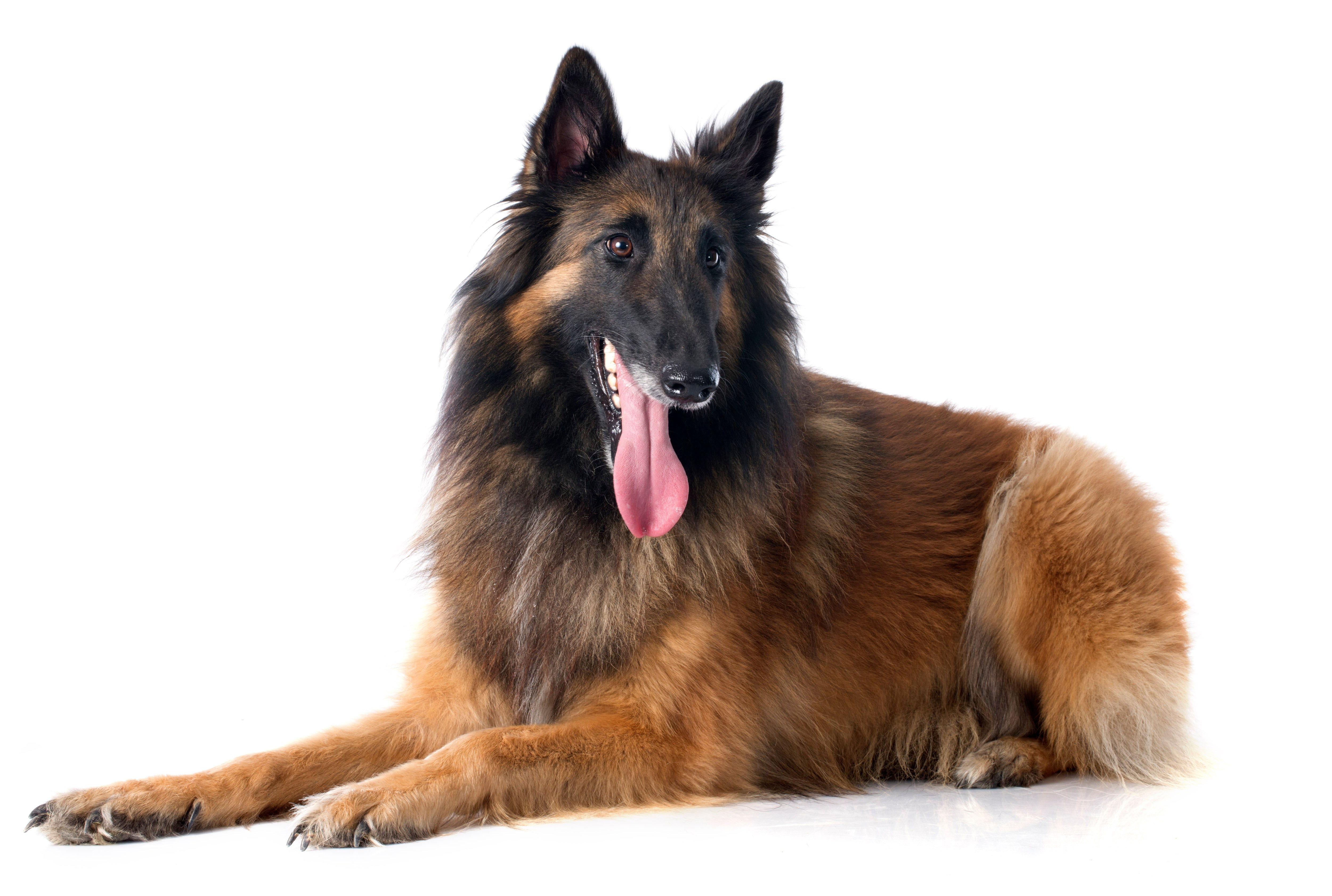
- Belgian Shepherd: There are four types of Belgian Shepherd Dogs: Groenendael, Tervuren, Malinois, and Laekenois. Smart as a whip and highly alert, you can often find them working with the police or military.
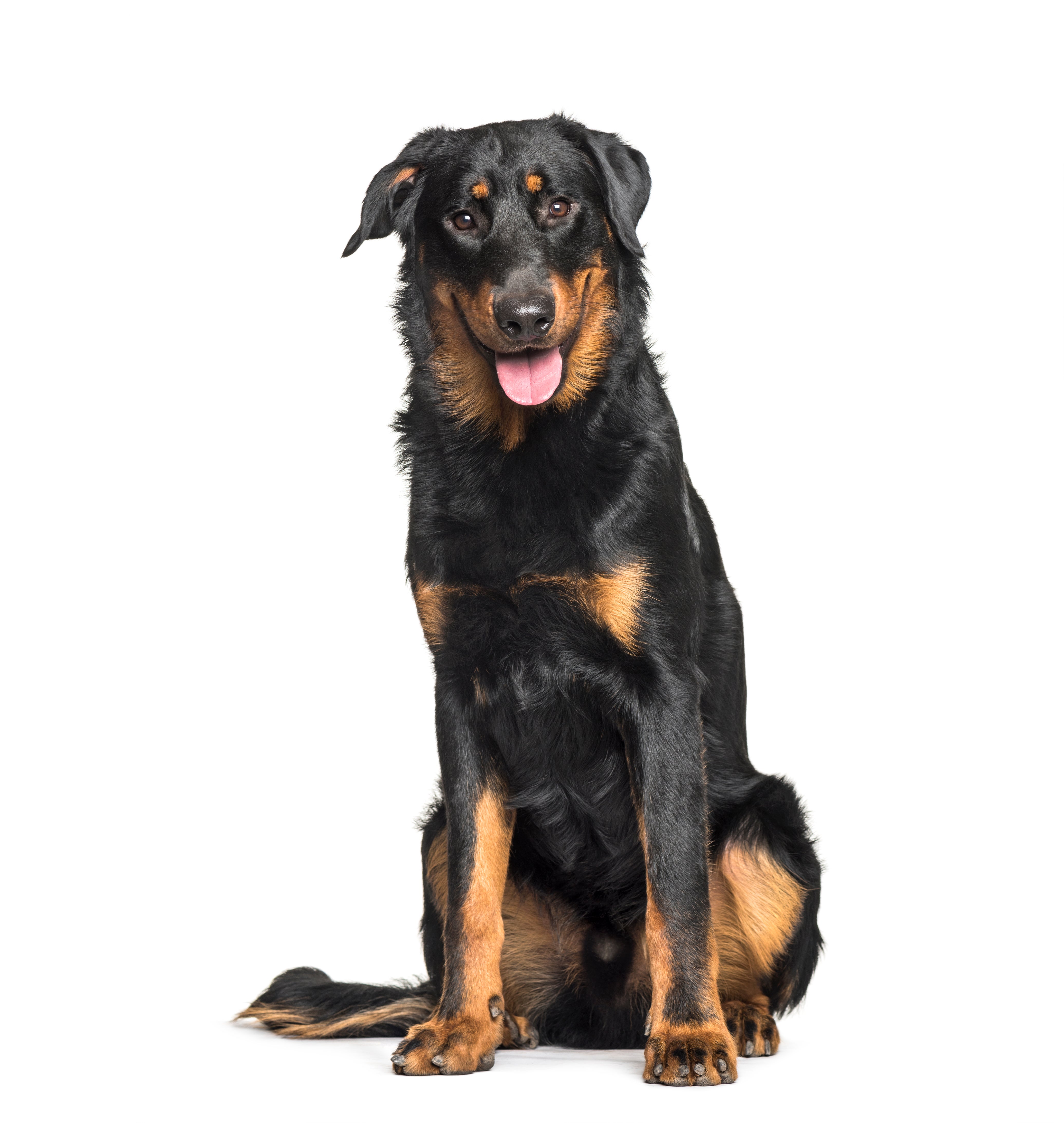
- Beauceron: French but without the attitude, the Beauceron got its start by herding livestock. They are incredibly agile and can be trained easily.
- Old English Sheepdog: Shaggy and loving, Old English Sheepdogs are one of the most recognizable herding or pastoral dog breeds. They are intelligent, adaptable dogs that bond closely with their families.
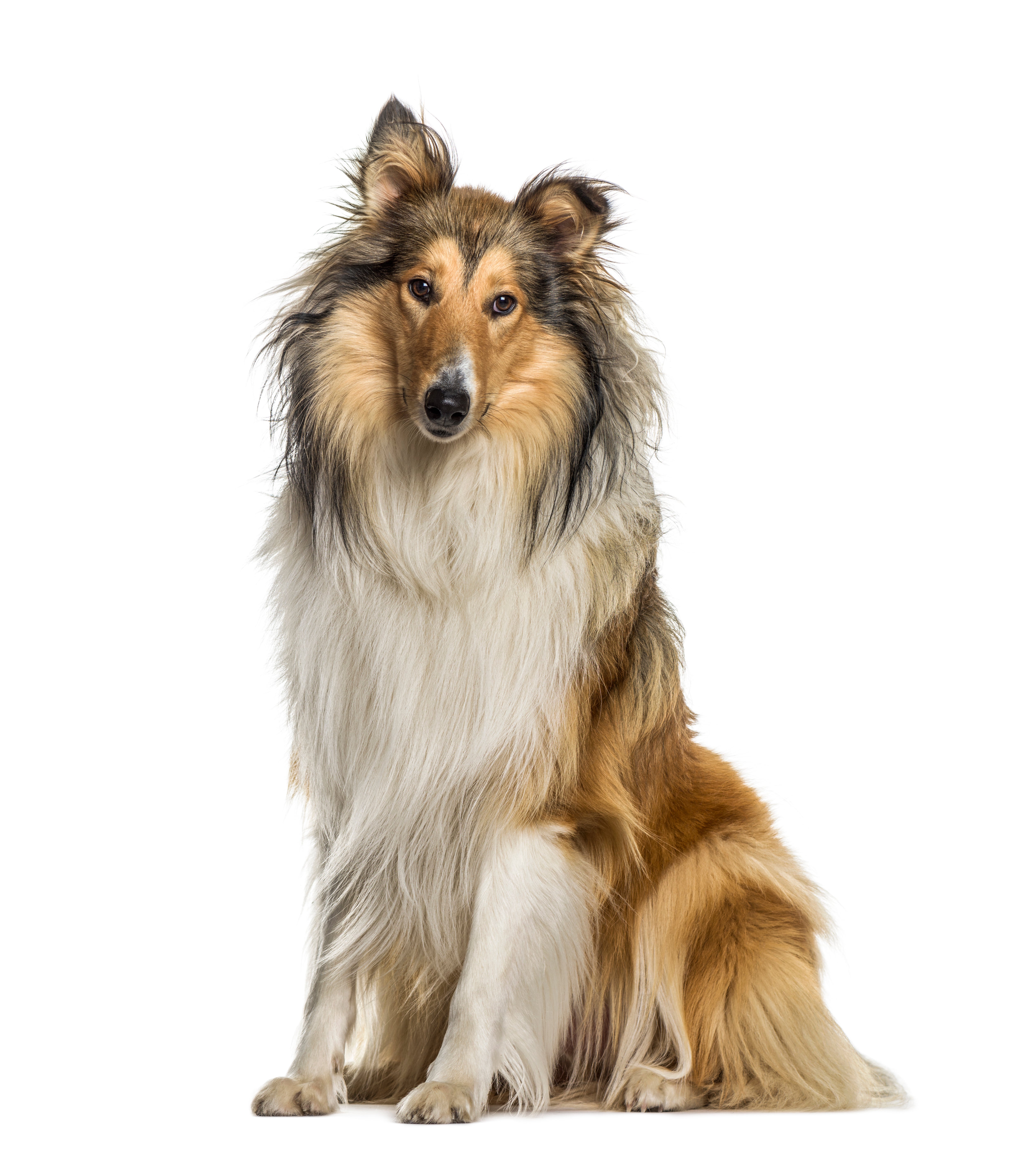
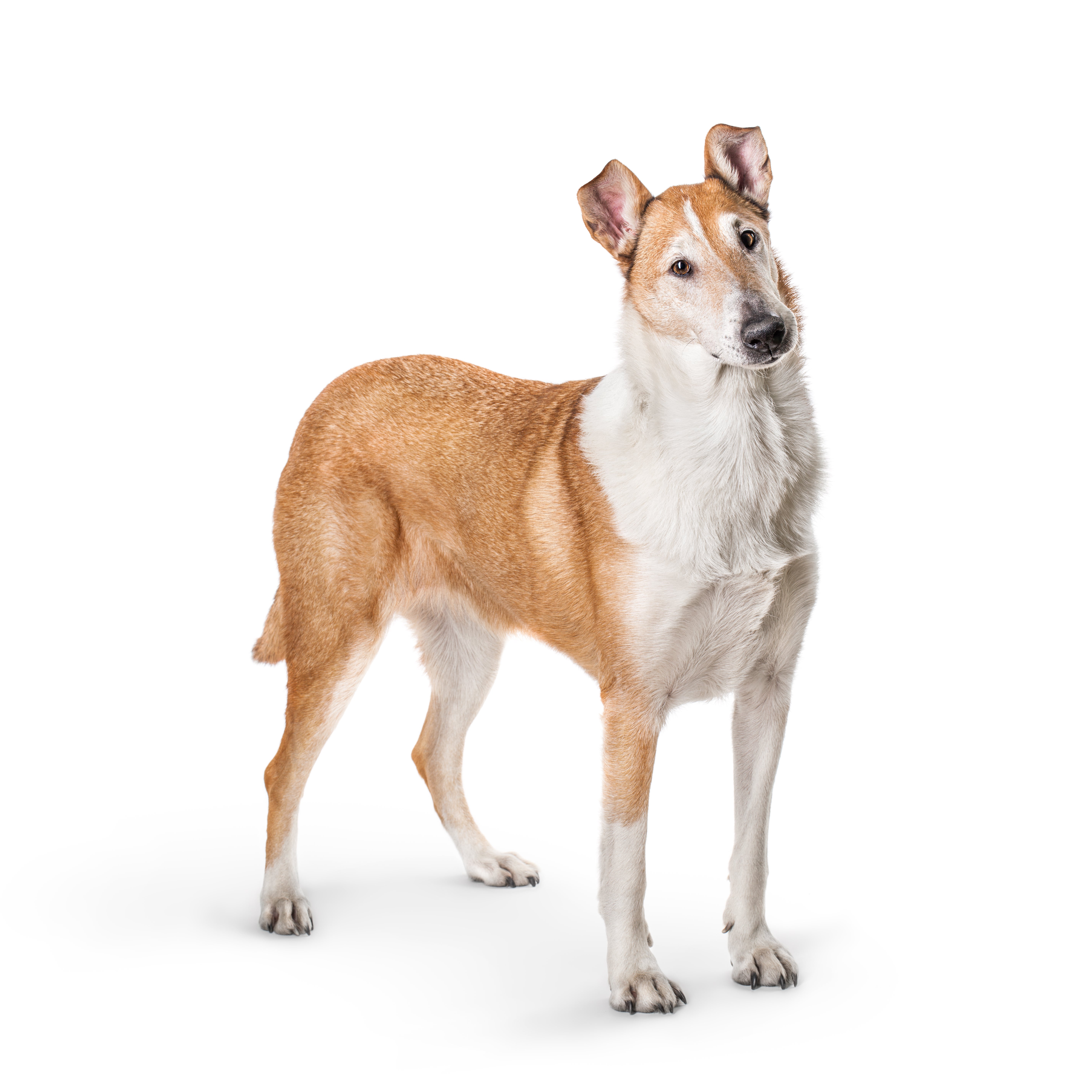
- Collie: Made famous by the “Lassie” books and films, Collies come in both rough and smooth coat varieties. They are intelligent, gentle dogs that are especially good with children.
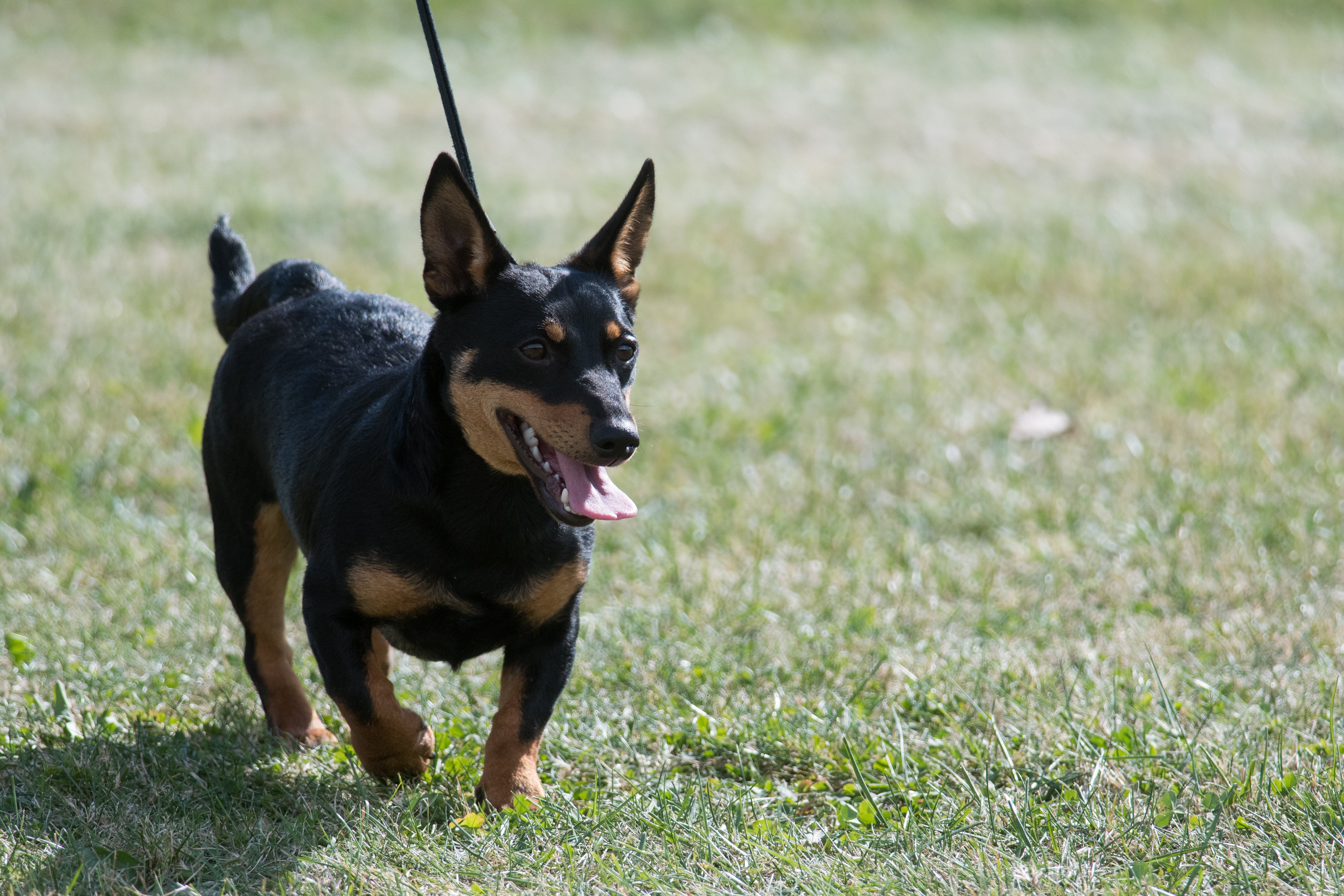
- Lancashire Heeler: Small, energetic, and peppy, the Lancashire Heeler is an English dog that loves to show off that “Heeler” smile.
- Komondor: Known for their striking corded coat, Komondors are large, muscular, and entirely devoted to their families. They are relatively unknown outside of their native Hungary.
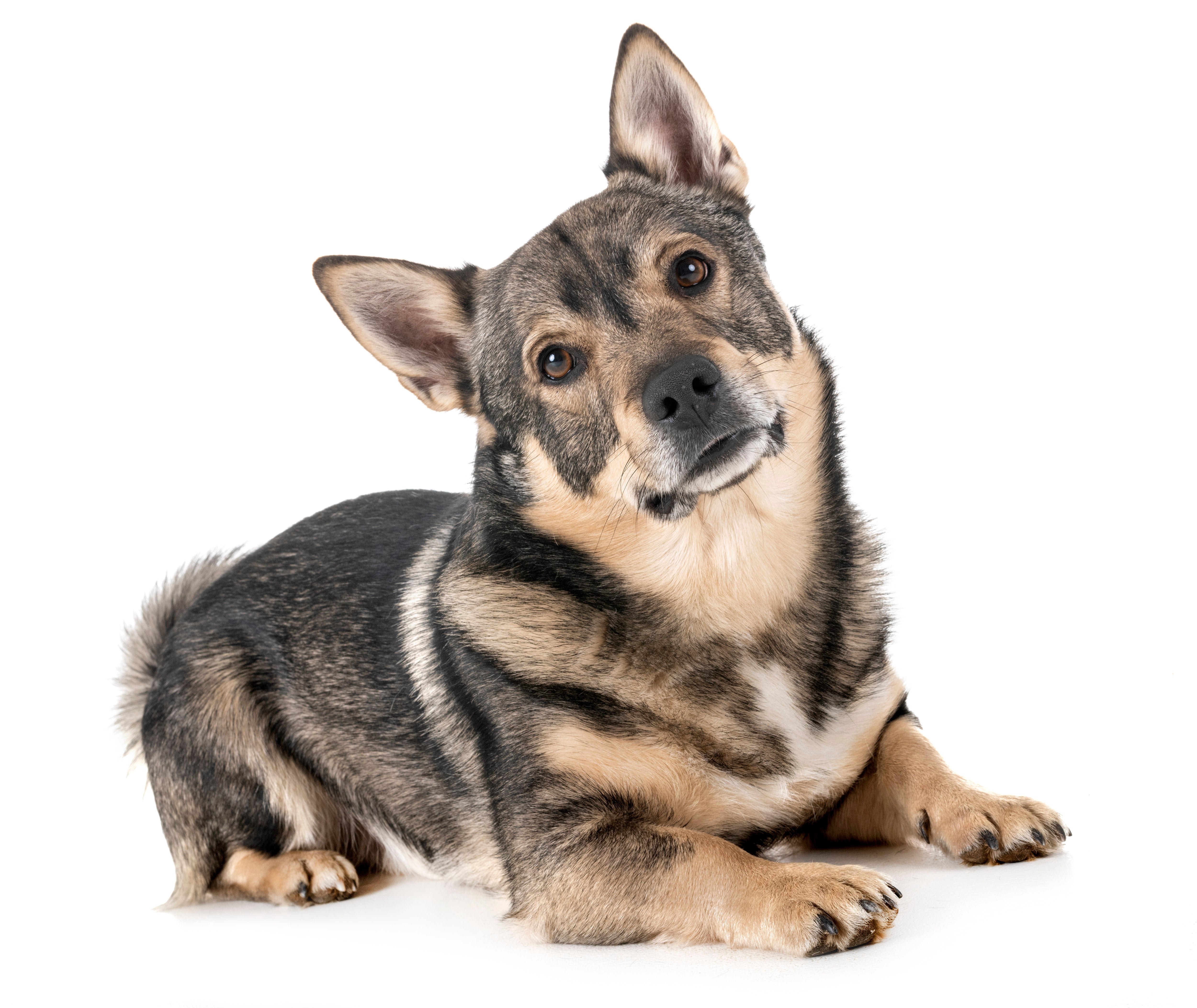
- Swedish Vallhund: Energetic, sturdy, and fox-like in looks only, they’re playful and friendly dogs.
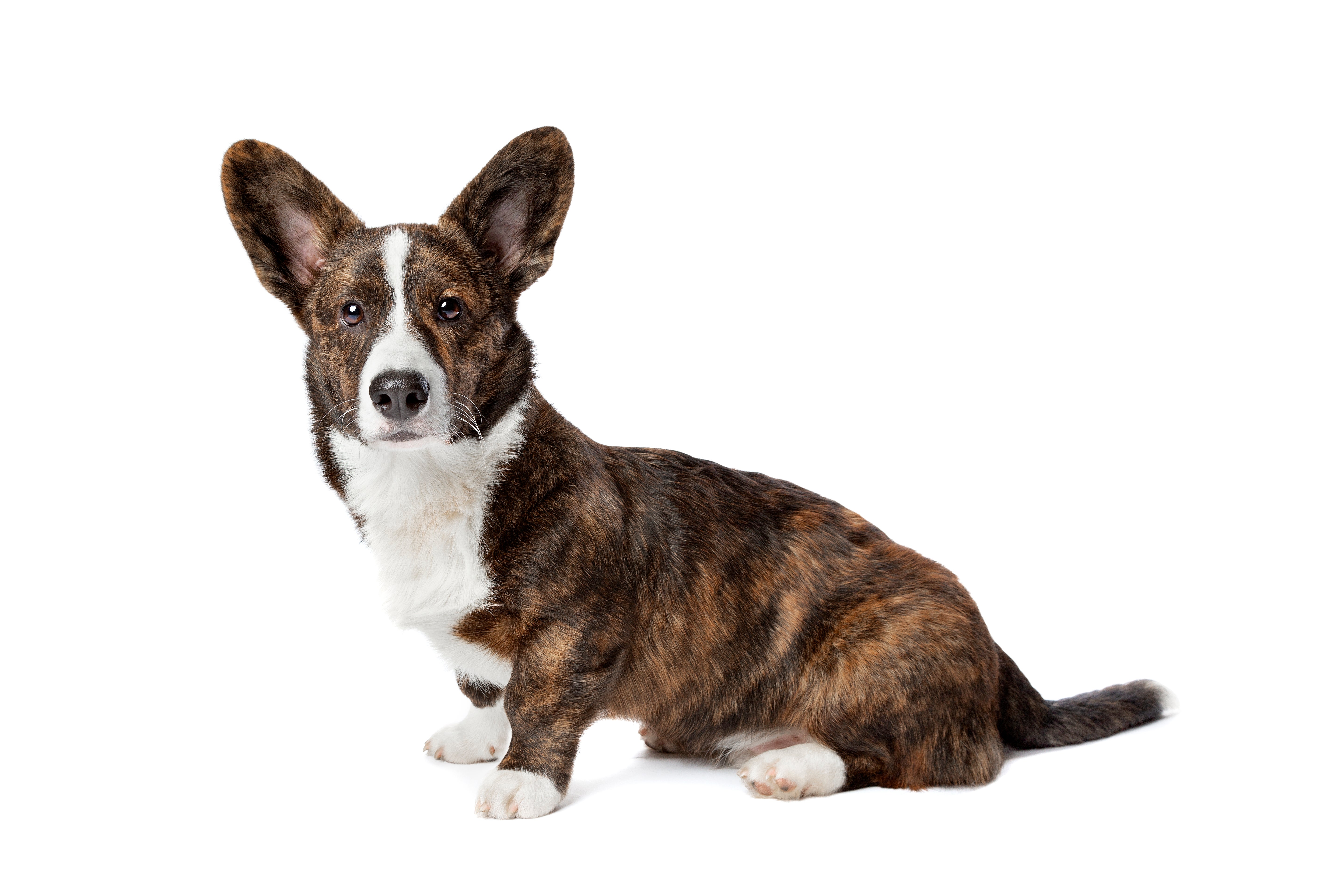
- Welsh Corgi: Both Pembroke and Cardigan Welsh Corgis were bred to herd cattle. These short-legged dogs are intelligent, bold, and make loving family pets, including for Queen Elizabeth II, who adored hers.
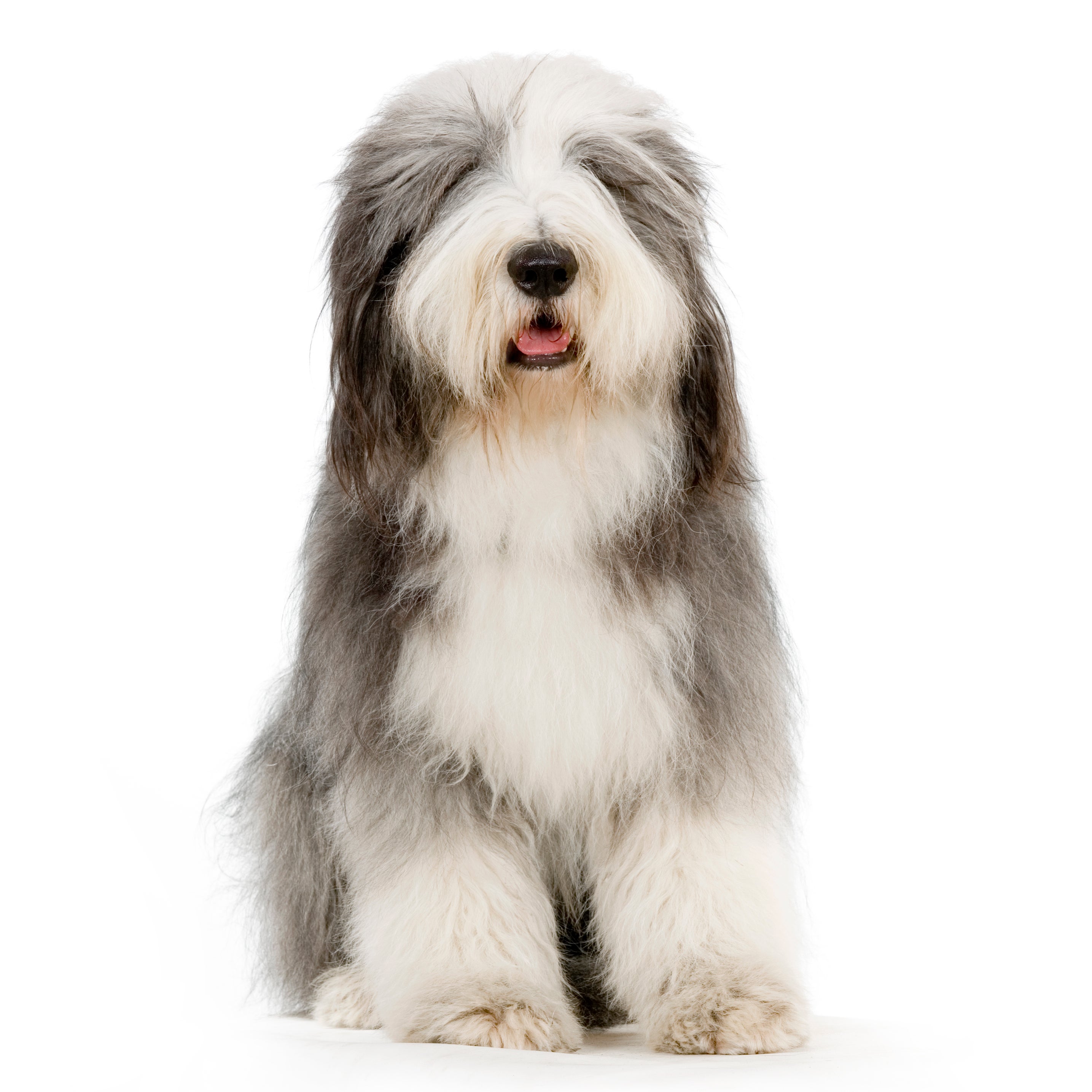
- Bearded Collie: Happy-go-lucky, active, and social, the Bearded Collie is a bouncy, lovable breed. They are Scottish sheepdogs that have a wizened look about them and a lovable personality.
- Briard: This French breed has a long, wavy coat and retains the pastoral dog’s strong herding instincts. They make excellent family companion dogs thanks to an overall easygoing nature.
- Maremma Sheepdog: This large Italian dog breed was originally used to guard livestock. They have gorgeous, thick white coats and calm natures.
- Finnish Lapphund: Agile and friendly, these Scandinavian dogs are versatile ones that don’t mind cold weather and in fact relish in it.
- Picardy Sheepdog: Also known as a Berger Picard Dog, these French dogs are hardworking, resilient, and come with a mild-mannered attitude that suits family life.
- Bouvier des Flandres: This muscular and athletic Belgian working dog was originally bred to herd cattle. They have a rugged and distinguished look, thanks in part to their beards.
How to Choose a Pastoral Dog, and is This Breed Group Right for You?
There are a few things to consider when looking at pastoral dogs who might become members of your family.
Grooming
The coats of herding or pastoral dogs vary in length and upkeep. Many have medium to long coats, which might need more attention. Some are incredibly low maintenance. Others, such as the Puli, which has a dreadlock-esque corded coat, require more intense grooming routines.
Medium- to long-haired dogs will need regular brushing, and all pastoral dogs benefit from regular grooming practices such as nail trimming and ear cleaning. Dental care is important as well because they can be prone to dental issues due to their chewing habits. Grooming is not only hygienic, but it’s an excellent opportunity for bonding, too.
Exercise
Typically, herding breeds are high energy with lots of stamina. They do best with families who can devote time and attention to physical and mental exercise. This is especially true if the dogs will not be officially working in some capacity, such as for the police or military. They need physical activity, free running, and long walks. Obedience training, agility training, and herding trials can also mentally and physically stimulate them.
Pastoral breeds will enjoy brisk walks, hiking, jogging, and interactive play sessions, especially ones where they can mimic herding or problem-solving. Toys, scent games, and training sessions can help prevent boredom and destructive behavior such as chewing, digging, or barking. They do not like to be bored. Some pastoral dog breeds are constantly in motion, so the more owners can play into that, the happier these dogs will be. A mentally tired dog is equally as important as a physically exhausted one!
Training
These dogs are smart, but they can also be independent thinkers with a stubborn streak worse than your Taurus friend. Consistent training with positive reinforcement, as well as socialization, can help a pastoral dog breed succeed in daily life. Reward-based activities, praise, treats, and clear communication are key to training pastoral dogs. It’s especially important to train pastoral dog breeds that herd to control their herding instincts, as they might be more inclined to try to “herd” other dogs or children. They can live in harmony with small children if they are trained properly.
Noise
A chatty pastoral dog breed is not uncommon, as many were trained to bark at threats and predators. They make excellent guard dogs, alerting owners to every little noise, but that can make home life difficult if they are not properly trained. Stimulation can help combat this and stave off boredom and frustration, and keep pastoral dogs from using their outside voices inside. Positive reinforcement methods work best here to help your dog learn boundaries and quiet themselves when they need to.
Bonding with Your Pastoral Dog
There’s nothing like the bond between a dog and their family. Here’s what you need to know to maximize the relationship between you and your pastoral dog.
Personality
Pastoral dogs exhibit a wide range of personalities thanks to being bred over thousands of years across different climates and environments. However, a common trait among herding breeds is their extreme intelligence. This allows them to pick up tasks and commands easily and makes them highly trainable. For example, this allowed Lassie, a Collie, to complete her heroic adventures.
Like a go-getter intern, pastoral dogs also have strong work ethics and an unshakable drive to complete their jobs. As strange as it might sound, they have a strong sense of duty and want to do good work for their families or owners, even if it's just answering commands or basic obedience.
Pastoral dogs can be vigilant thanks to their breeding history and former life as watchdogs. This serves breeds like German Shepherds and Belgian Malinois well, as they are often used for police work. Naturally protective instincts work less well for mailmen and delivery people, so it's important to train and socialize pastoral dogs appropriately so that they know when to be “on” versus “off.”
Sociability
It’s important that all dogs, but especially pastoral dogs, get proper socialization to help them develop confidence and good manners to interact with people and other dogs. Some pastoral breeds might be on high alert thanks to their inherent guarding instincts, such as Old English Sheepdogs, which are reserved with strangers but bond deeply with their families. Others might be friendly from the jump to people they recognize and strangers, such as Welsh Corgis and Shetland Sheepdog. Loyalty and protectiveness can be a double-edged sword, so pastoral dogs must have opportunities to interact with other dogs and humans that aren’t family members so that they feel comfortable and confident.
Affection
Just because they are independent thinkers doesn’t mean that pastoral dog breeds keep to themselves. They enjoy family life and are loyal and affectionate. They can form very strong bonds with their families, especially if they have constant companionship and repeat positive interactions. They might show affection by physical closeness, or through attention, such as asking to play by dropping toys near you.
Conclusion
Pastoral dog breeds are good matches for active owners who are willing to put in the work to satisfy the dog’s mental and physical needs. To start your dog search off right, head to our adopter quiz to narrow down the right breeds for you. Ready to search for pastoral dog breeds? Go to our dog adoption page to get started.
If you’re looking to adopt for the first time, start the relationship on the right paw by referring to our dog adoption checklist and our guide to preparing your home for a new dog. Then comes the fun part—picking out your dog’s name!
For more expert tips and information on other dog breeds, explore additional dog and puppy breed group articles.