Note: While the breeds in this collection tend to be easy to train, individual pets will vary. Please consult the adoption organization for details on a specific pet.
Choosing a dog is an exciting and life-changing decision—one that can bring years of joy, companionship, and adventure. But for first-time dog owners or those with a busy lifestyle, picking a breed that’s easy to train can make all the difference in starting off on the right paw. An easy dog to train is typically more responsive, adaptable, and eager to please, which means fewer frustrations and a smoother learning curve for both of you.
Some dog breeds naturally thrive on structure, love learning new commands, and quickly grasp routines. These qualities not only make early training more successful but can also help foster a stronger bond based on trust, cooperation, and mutual understanding. Whether you’re teaching basic obedience, house training, or good manners on walks, a trainable breed can simplify the process and lead to a more confident, well-behaved pup.
In this guide, we’ll explain why trainability is such an important factor—especially for new dog owners—and walk you through the easiest dog breeds to train. You’ll discover what makes certain dogs easier to work with, how your lifestyle should influence your decision, and what other factors—like age, personality, and energy level—can affect how quickly your dog learns. We’ll also include expert tips on training and links to trusted resources to support you every step of the way.
Whether you’re wondering, “What is the easiest dog to train?”, or need advice on finding easy to train dog breeds that match your lifestyle, this article is here to help you make an informed and confident choice.
Why is Dog Training Important?
Training builds a strong foundation of communication and trust between you and your dog. It’s much more than just getting your pup to follow commands—it’s about creating a shared language that helps your dog understand what’s expected, feel secure in their environment, and bond more deeply with you as their trusted companion.
A well-trained dog is not only easier to live with but also more confident and well-adjusted. Training supports proper socialization, teaching your dog how to behave around other people, pets, and in new environments. It also plays a critical role in preventing problem behaviors like jumping, chewing, barking excessively, or pulling on the leash—issues that can become frustrating if left unaddressed.
Beyond manners, training enhances your dog’s safety and freedom. Reliable recall, polite leash walking, and staying calm in public make outings more enjoyable and less stressful. It also means your dog is less likely to get into dangerous situations, such as running into traffic or eating something harmful.
Whether you’re teaching essential commands like “sit,” “stay,” and “come,” or working on leash manners and crate training, your approach matters. Patience, consistency, and positive reinforcement are key—especially in the early stages. And remember, training doesn’t stop after puppyhood. It’s a lifelong opportunity to continue enriching your dog’s mind and strengthening your bond.
For more detailed help, explore these trusted dog training resources on Petfinder, covering everything from house training to advanced obedience tips. These articles offer step-by-step guidance and expert advice to help you tackle challenges, from teaching basic commands to addressing common behavior issues.
Top 10 Easiest Dogs to Train
Some dog breeds are known for being intelligent, eager to please, and highly responsive to training. While every dog is different, these are often considered the top 10 easiest dog breeds to train:
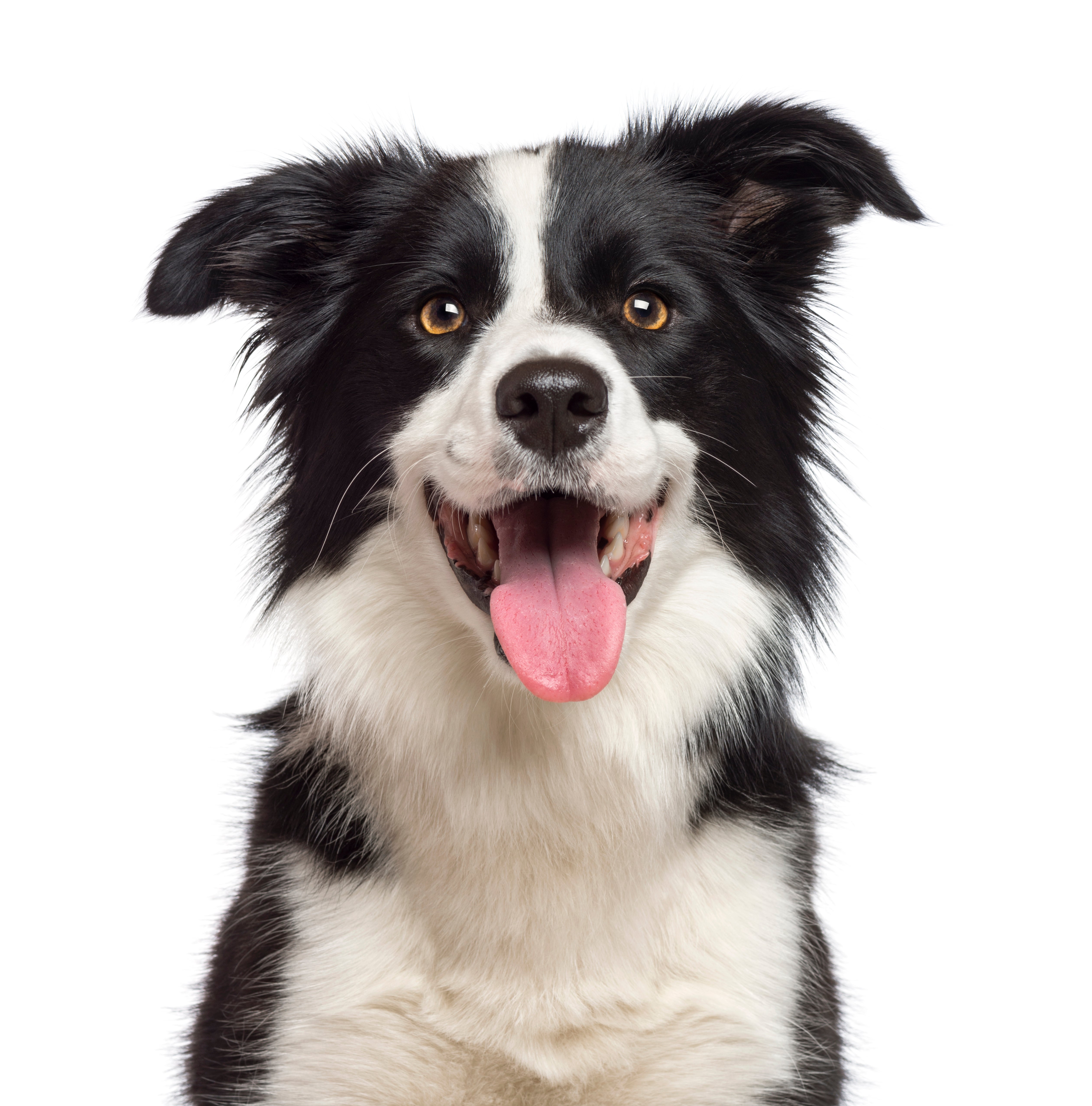
1. Border Collies
Are Border Collies easy to train? Yes, Border Collies are extremely easy to train. Known as one of the smartest and most trainable dog breeds, Border Collies excel in obedience and agility training. Their high intelligence and work ethic make them eager to learn new commands, and they are highly responsive to positive reinforcement. However, because they are so intelligent, they require mental stimulation to prevent boredom. Training them regularly with variety is key to keeping them engaged.
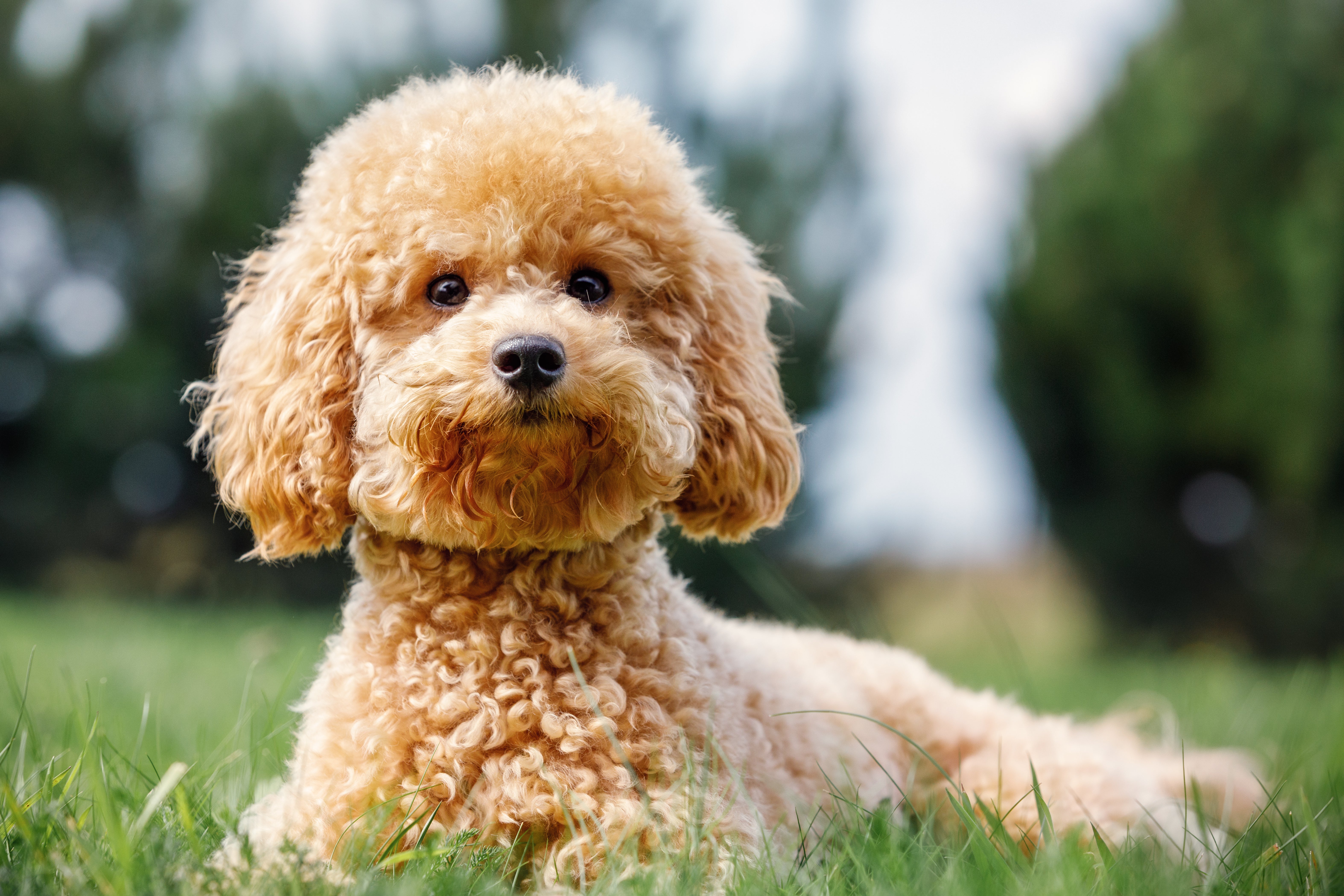
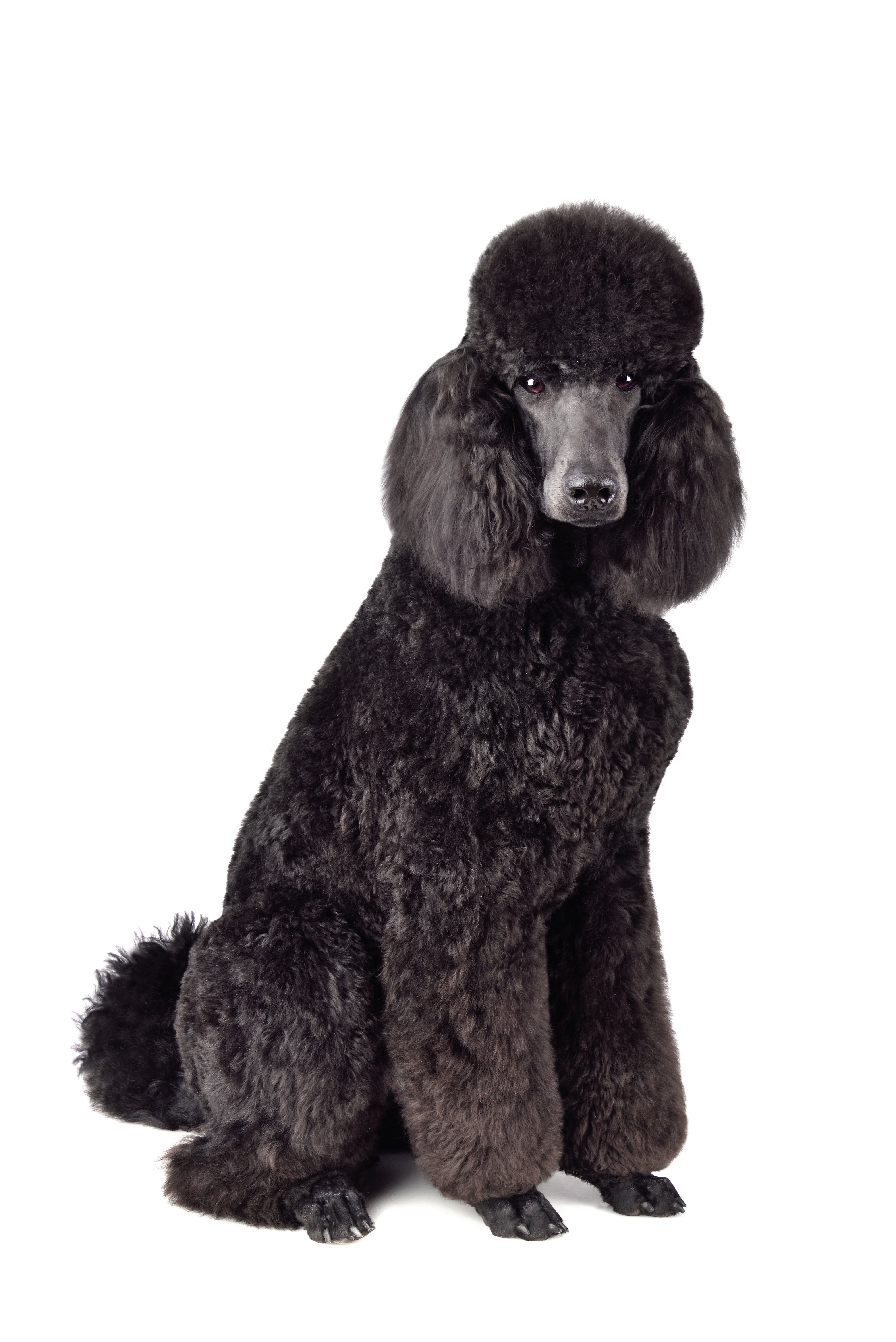
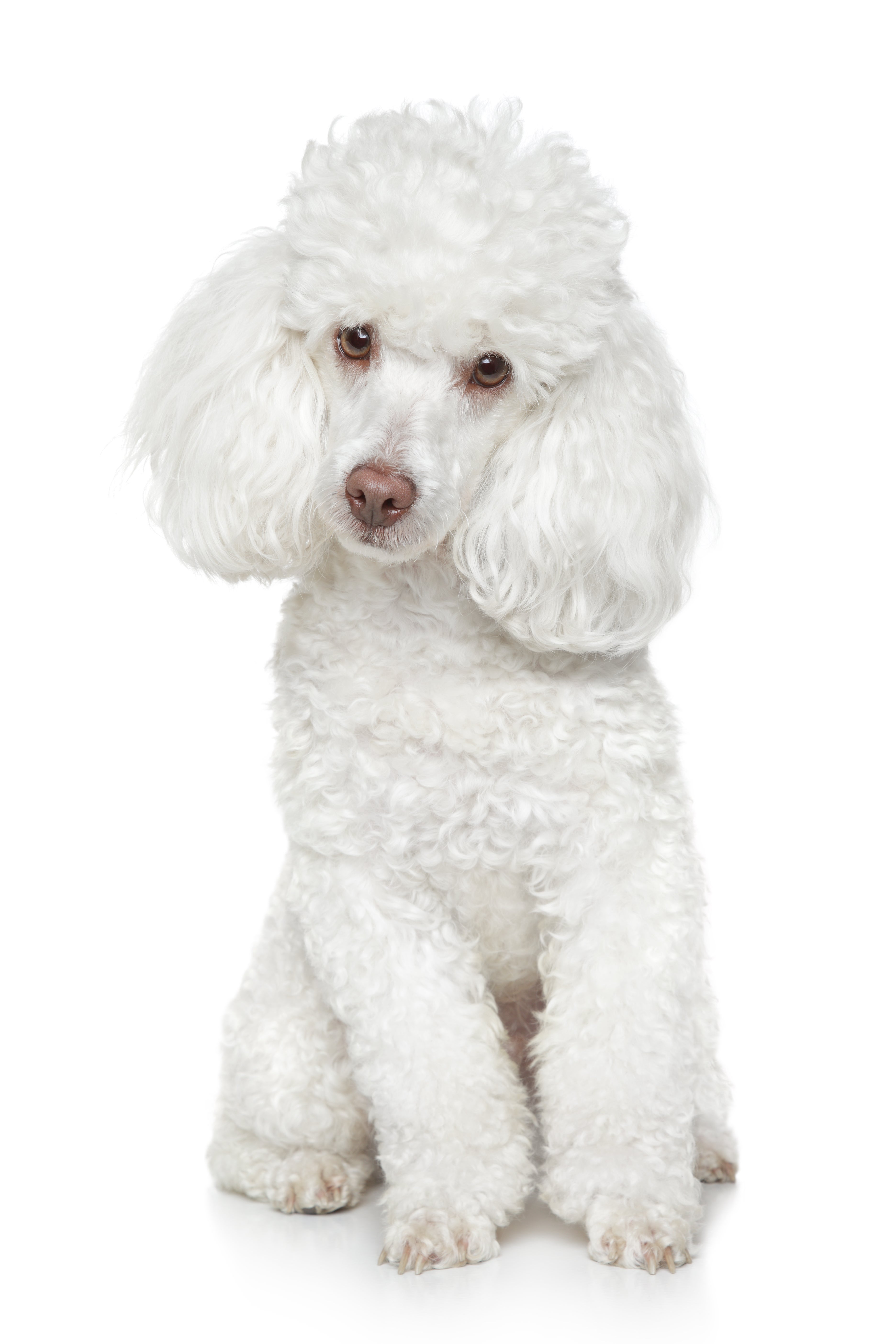
2. Poodles
Are Poodles easy to train? Yes, Poodles are very easy. Whether it’s a Standard, Miniature, or Toy Poodle, this breed is known for being intelligent and quick to pick up new skills. Poodles are eager to please and respond well to positive reinforcement, making them an excellent choice for new dog owners and those looking for a highly trainable companion. Their intelligence also allows them to learn complex tasks, which makes them successful in obedience, agility, and service work.
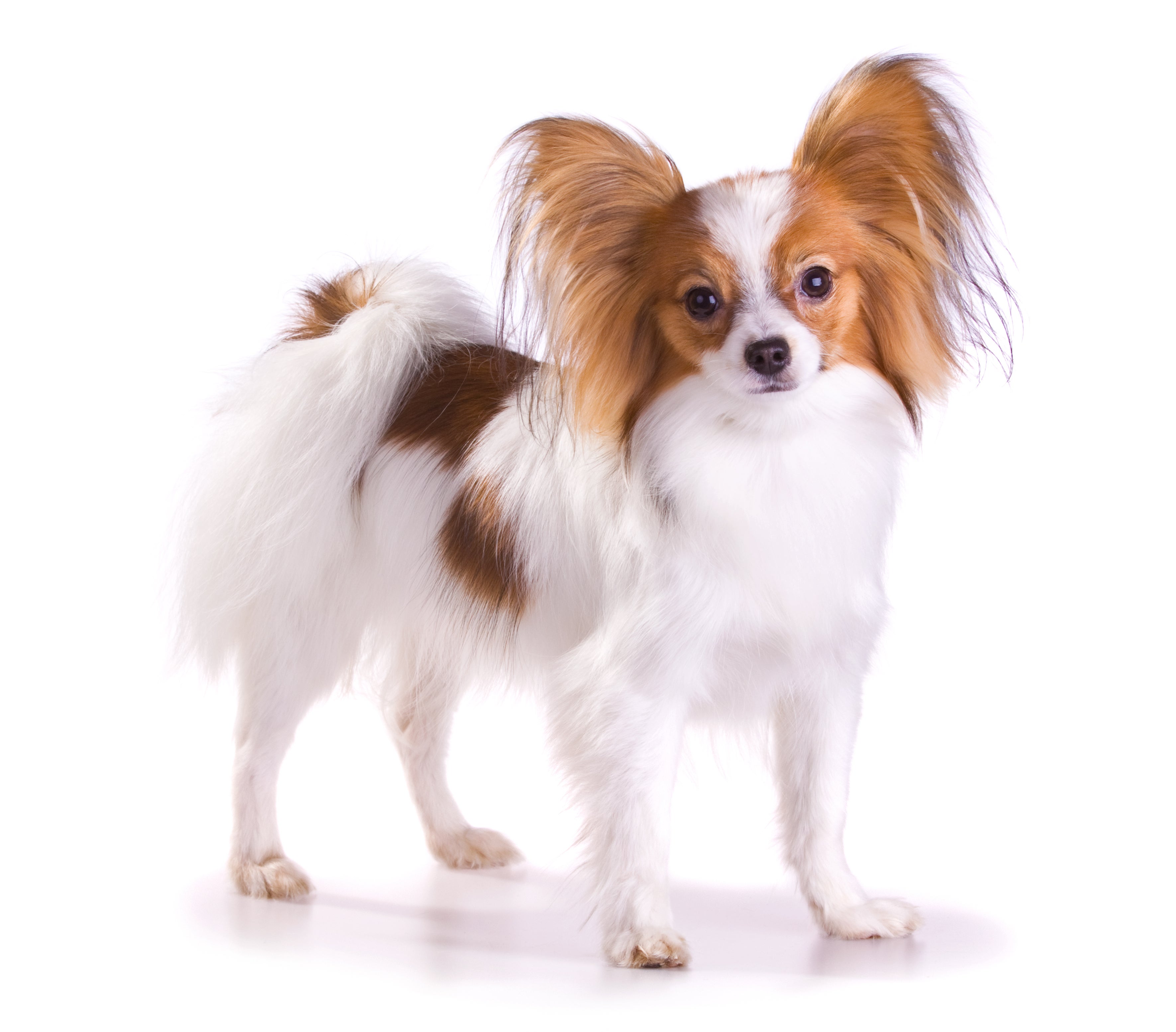
3. Papillons
Are Papillons easy to train? Yes, Papillons are generally easy to train. While small in size, Papillons are highly intelligent and eager to learn. They respond well to positive reinforcement and enjoy participating in activities like agility and obedience. Training should be consistent, and although they are playful and sometimes independent, their affectionate nature makes them willing participants in training sessions.
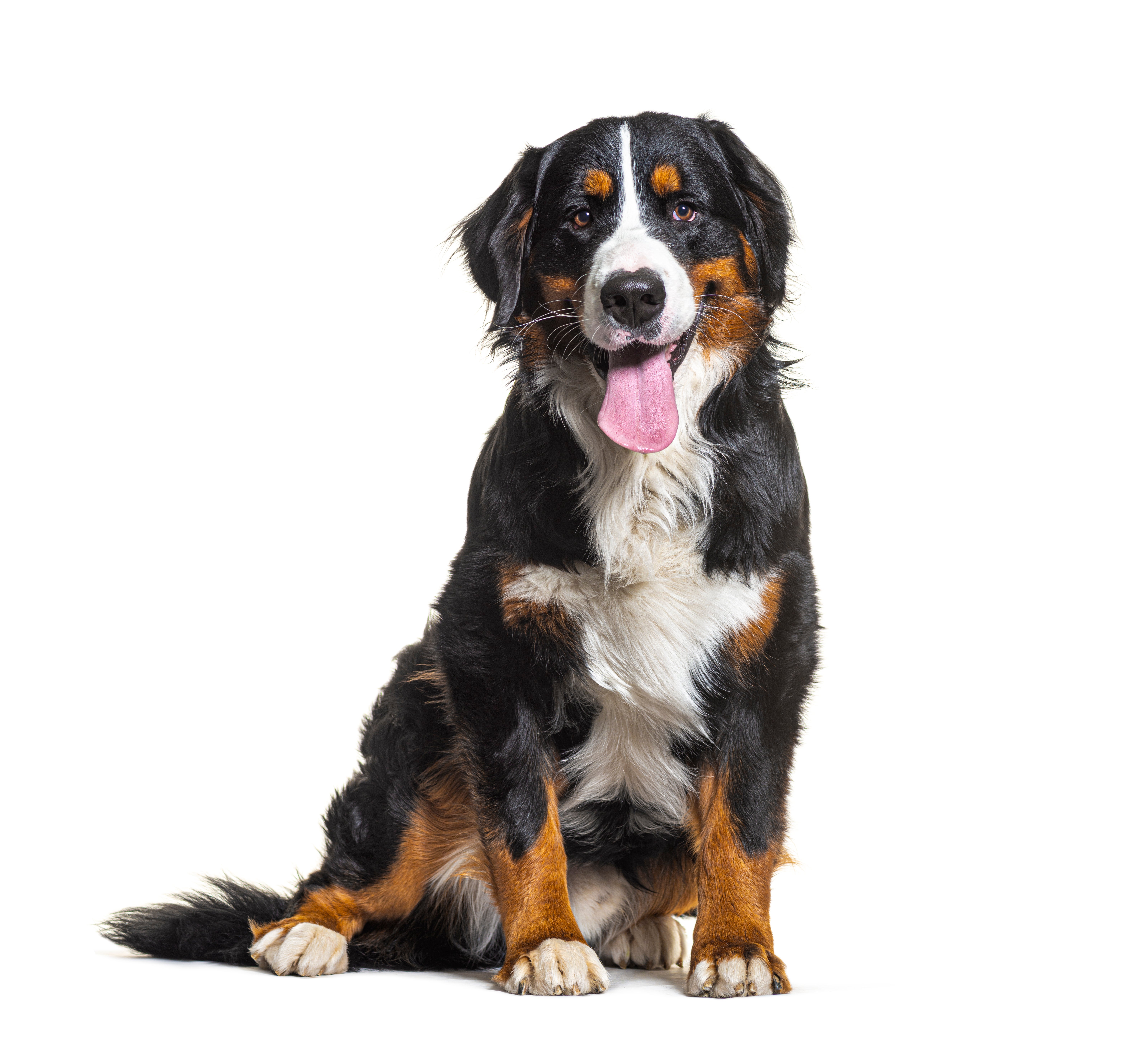
4. Bernese Mountain Dogs
Are Bernese Mountain Dogs easy to train? Yes, Bernese Mountain Dogs are relatively easy to train, though they can be a bit independent at times. Their calm and patient nature makes them receptive to training, especially when it's done with positive reinforcement and in short, consistent sessions. They enjoy being around their family and often want to please, which makes training them a rewarding experience.
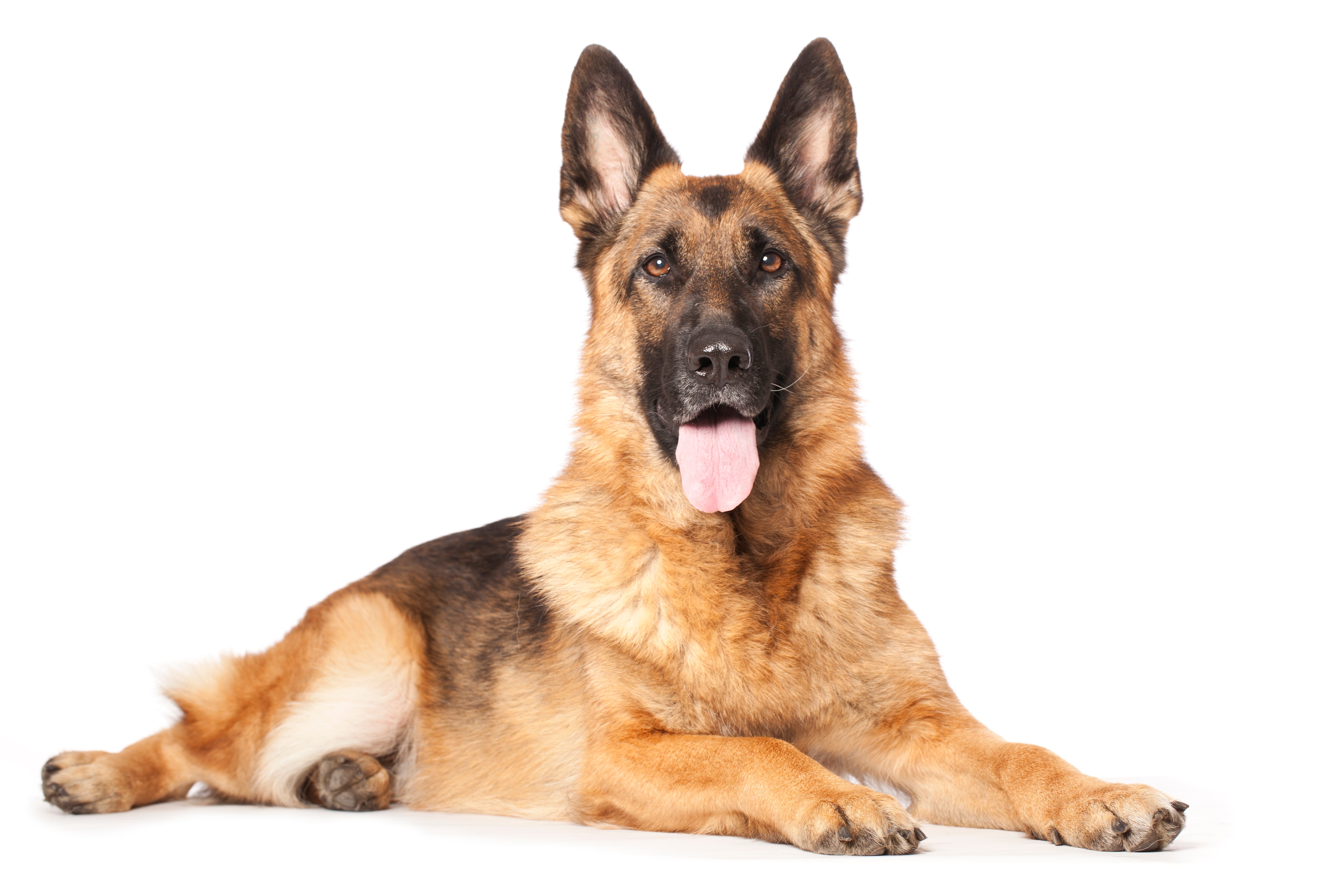
5. German Shepherds
Are German Shepherds easy to train? Yes, German Shepherds are highly trainable. Known for their intelligence and versatility, German Shepherds excel in police, service, and military work because they are quick learners and eager to please their owners. Their trainability is enhanced by their strong work ethic, making them great for obedience training. However, they need consistent leadership and mental stimulation to thrive.
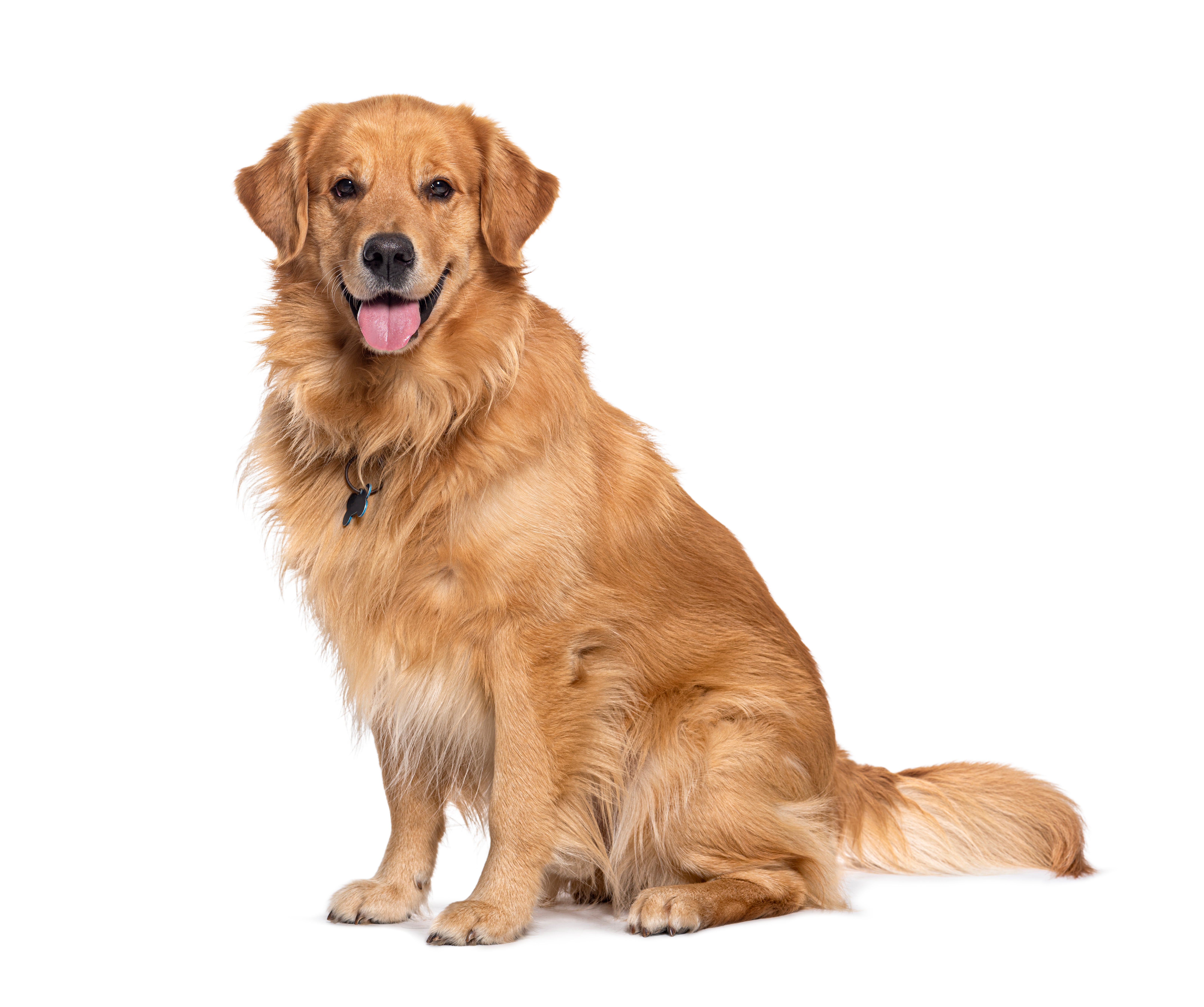
6. Golden Retrievers
Are Golden Retrievers easy to train? Yes, Golden Retrievers are one of the easiest dog breeds to train. They are intelligent, eager to please, and highly responsive to positive reinforcement. Golden Retrievers are often used in therapy and service roles due to their gentle nature and trainability. Whether you’re teaching them basic obedience or advanced tricks, they are typically enthusiastic learners.
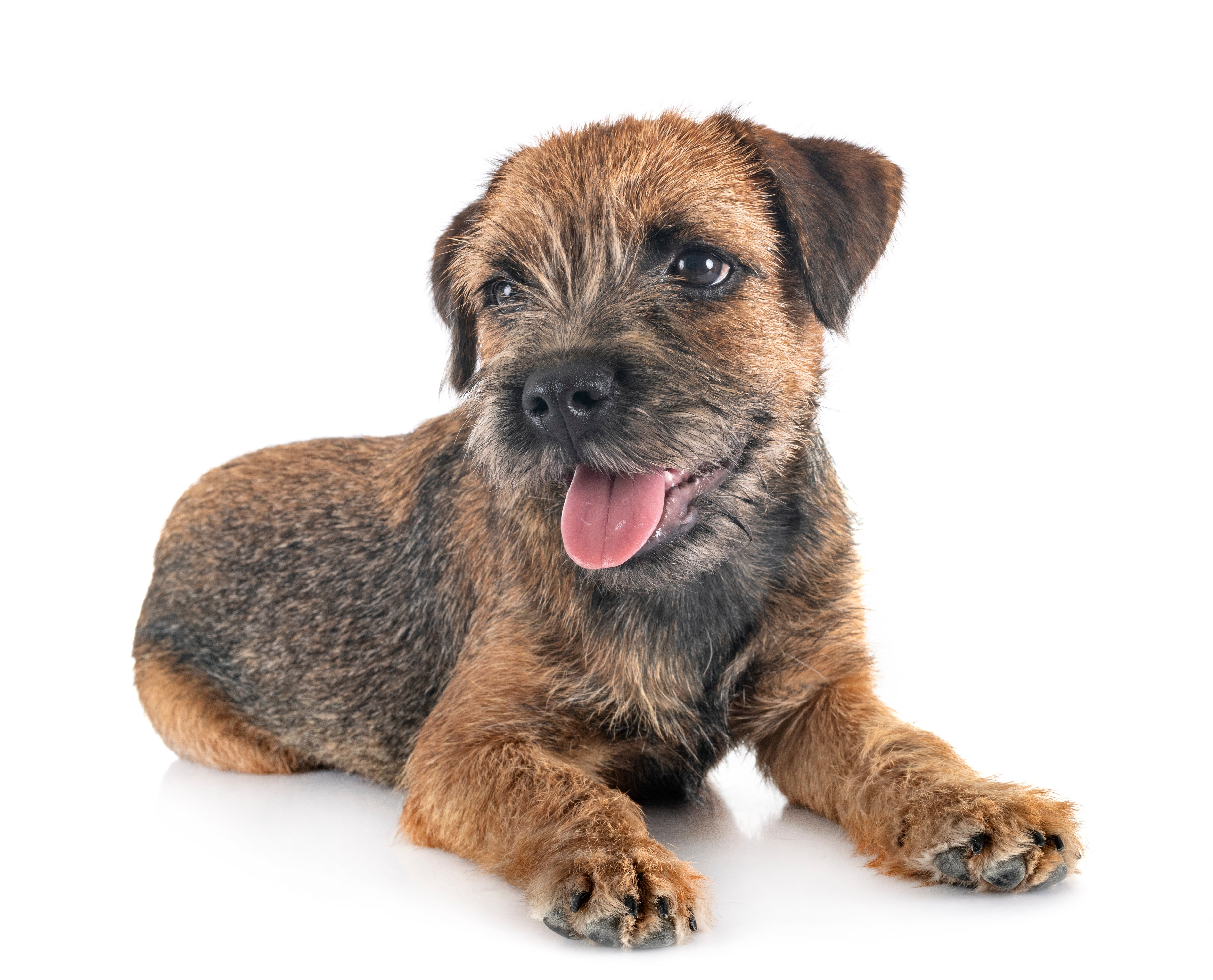
7. Border Terriers
Are Border Terriers easy to train? Yes, Border Terriers are relatively easy to train. Although they have a strong independent streak, Border Terriers are intelligent and respond well to positive reinforcement. They may not have the same high energy for training as some other breeds, but with patience and consistency, they are capable learners. They enjoy bonding with their owners, which makes training an enjoyable experience.
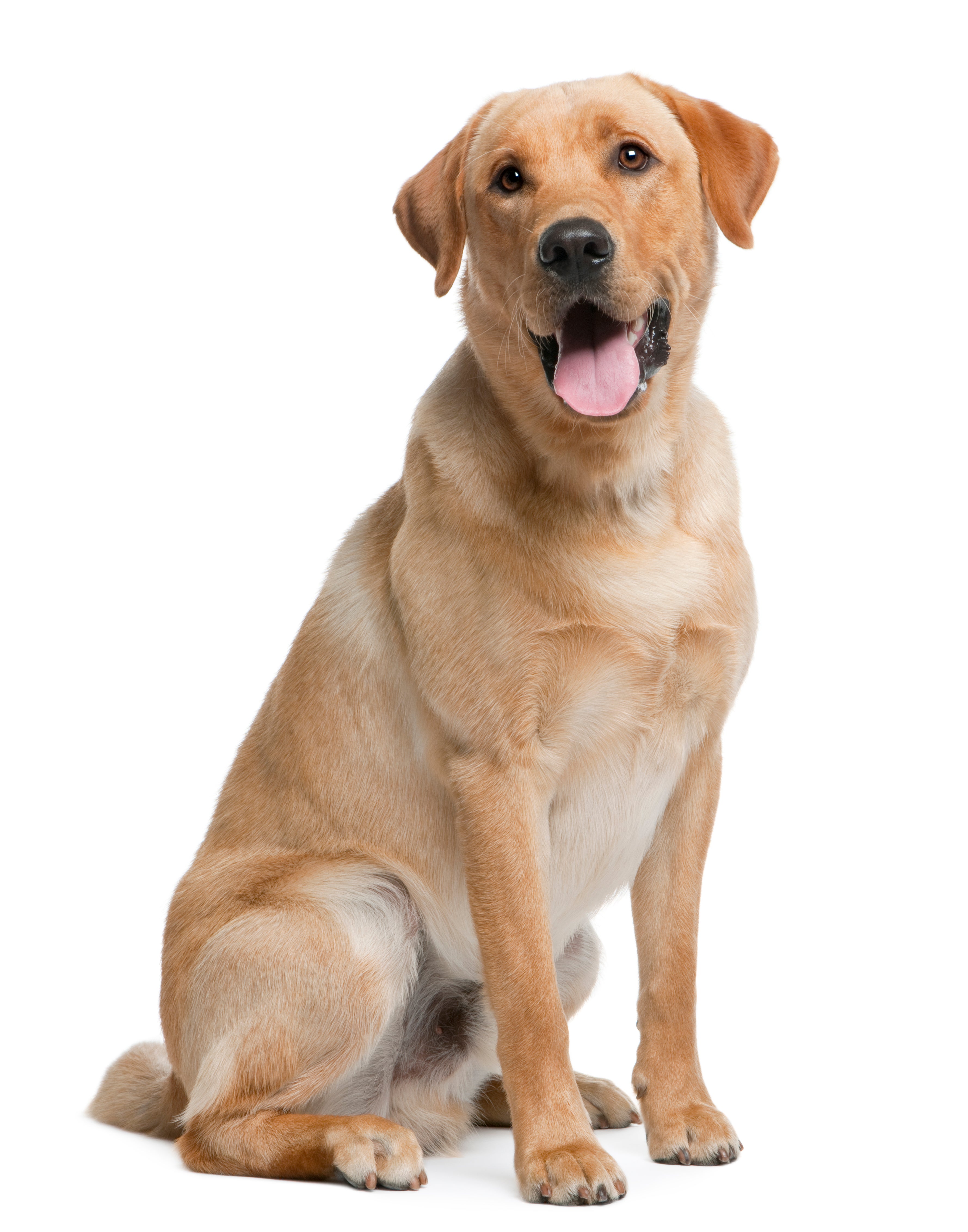
8. Labrador Retrievers
Are Labrador Retrievers easy to train? Yes, Labrador Retrievers are incredibly easy to train. Their friendly and eager-to-please nature makes them one of the top choices for first-time dog owners. Labrador Retrievers are highly intelligent and often excel in obedience training, service work, and retrieving tasks. With regular training, they respond well to positive reinforcement and are highly adaptable to different environments.
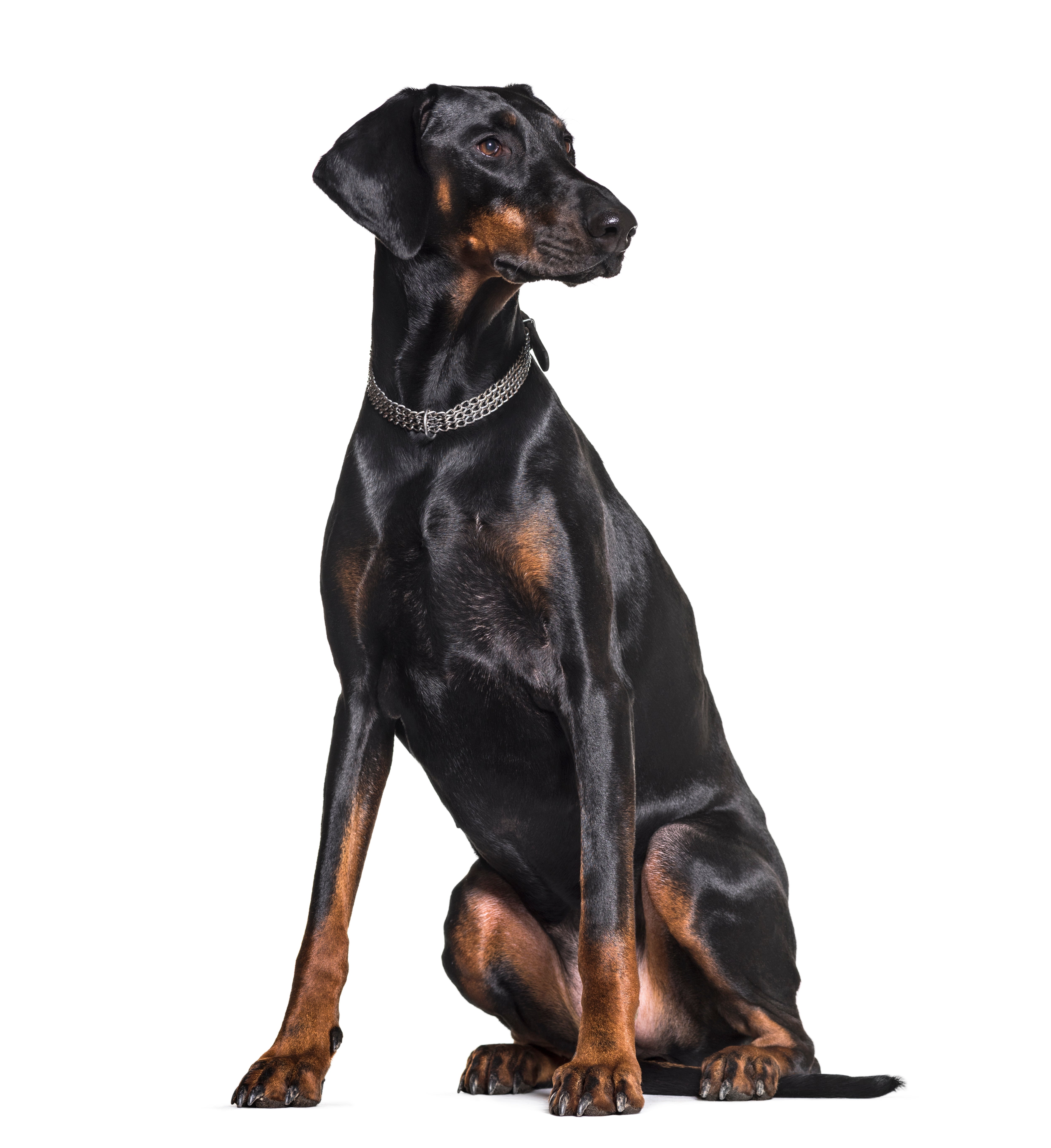
9. Doberman Pinschers
Are Doberman Pinschers easy to train? Yes, Doberman Pinschers are relatively easy to train, but they do require an experienced owner. They are highly intelligent and naturally protective, making them excellent guard dogs and companions. Dobermans respond well to positive reinforcement, but they need consistent training and a firm, experienced handler to prevent undesirable behaviors. Once they are trained, they are obedient and loyal.
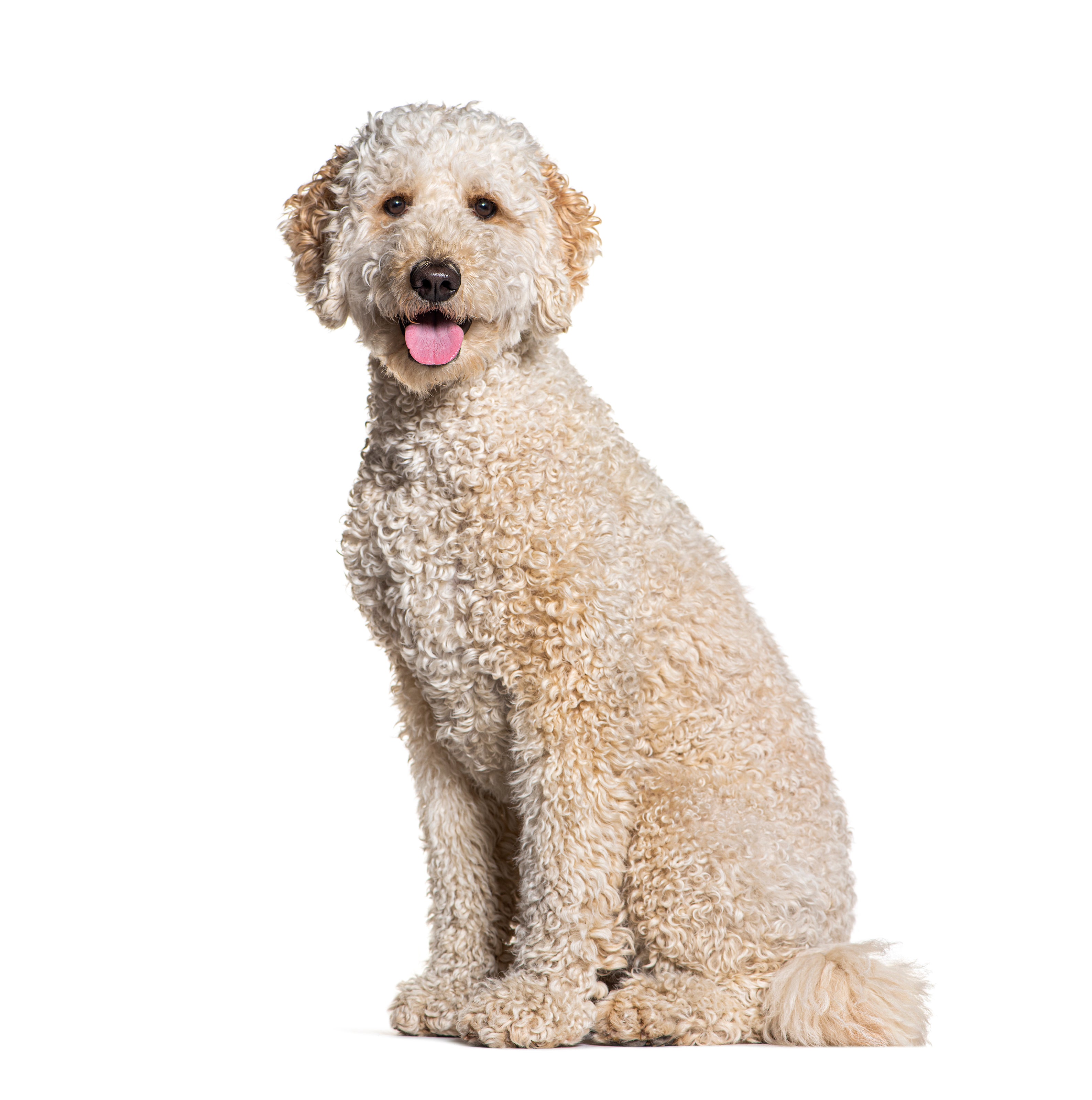
10. Goldendoodles
Are Goldendoodles easy to train? Yes, Goldendoodles are easy to train. A cross between a Golden Retriever and a Poodle, Goldendoodles inherit the intelligence and eagerness to please from both breeds. They are highly trainable and respond well to positive reinforcement. Their friendly disposition and social nature make them great for families, and they enjoy learning new commands and tasks.
Easy-to-Train Dog Breeds vs. Hard-to-Train Dog Breeds
While we’ve covered some of the top easiest dogs to train, it’s important to recognize that trainability can vary across different breeds. While some are naturally quick learners, others may require a bit more patience and persistence. Breeds like Border Collies, Poodles, and Golden Retrievers are known for their eagerness to please and sharp minds, making training a smoother process. On the other hand, dogs like Beagles, Dachshunds, and Huskies may be more independent and less motivated by commands, which can make training a bit more challenging. Understanding the traits of various breeds—and their unique tendencies—can help you set realistic expectations and choose a dog that fits your training capabilities.
Other Easy-to-Train Breeds
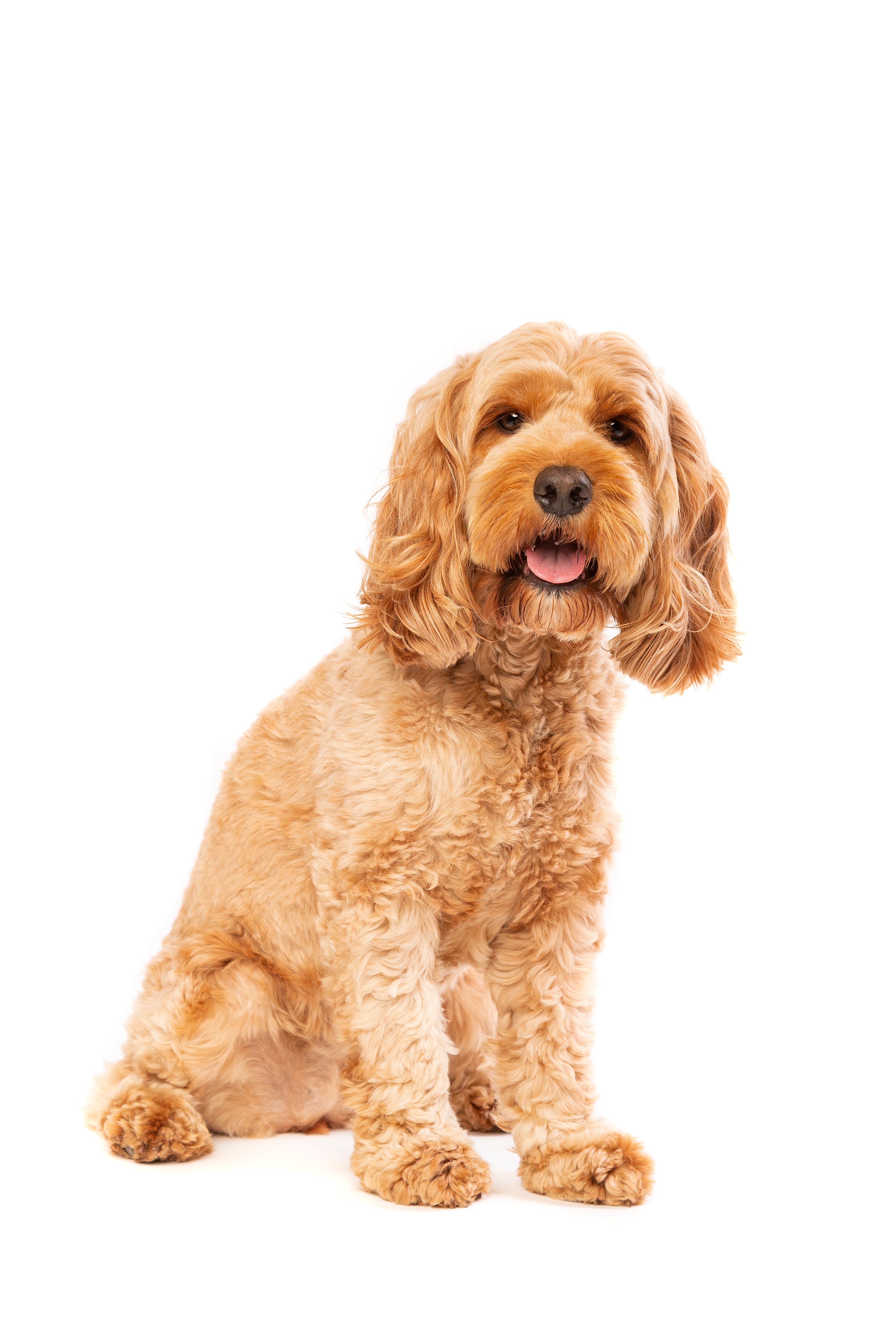
Cockapoos
Are Cockapoos easy to train? Yes, Cockapoos are easy to train. As a hybrid between a Cocker Spaniel and a Poodle, they combine the intelligence of the Poodle with the affectionate nature of the Cocker Spaniel. Cockapoos are highly responsive to training and enjoy engaging with their owners in obedience activities. With patience and consistency, they can learn a variety of commands and tricks.
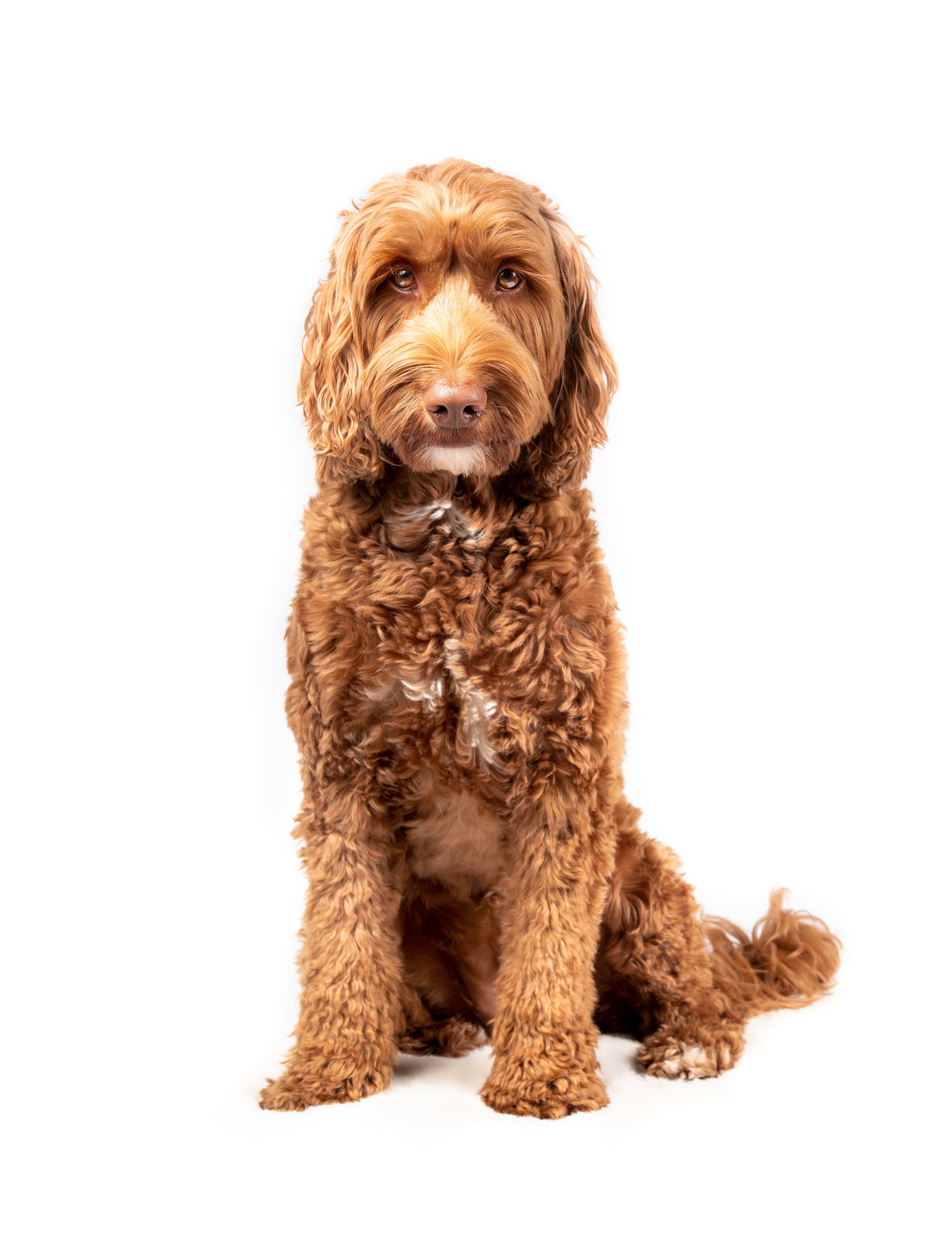
Labradoodles
Are Labradoodles easy to train? Yes, Labradoodles are highly trainable. A mix of Labrador Retriever and Poodle, Labradoodles inherit the intelligence, eagerness to please, and work ethic of both breeds. They excel in training sessions and often do well in activities like obedience, agility, and therapy work. Labradoodles respond well to positive reinforcement and are generally very eager to work with their owners.
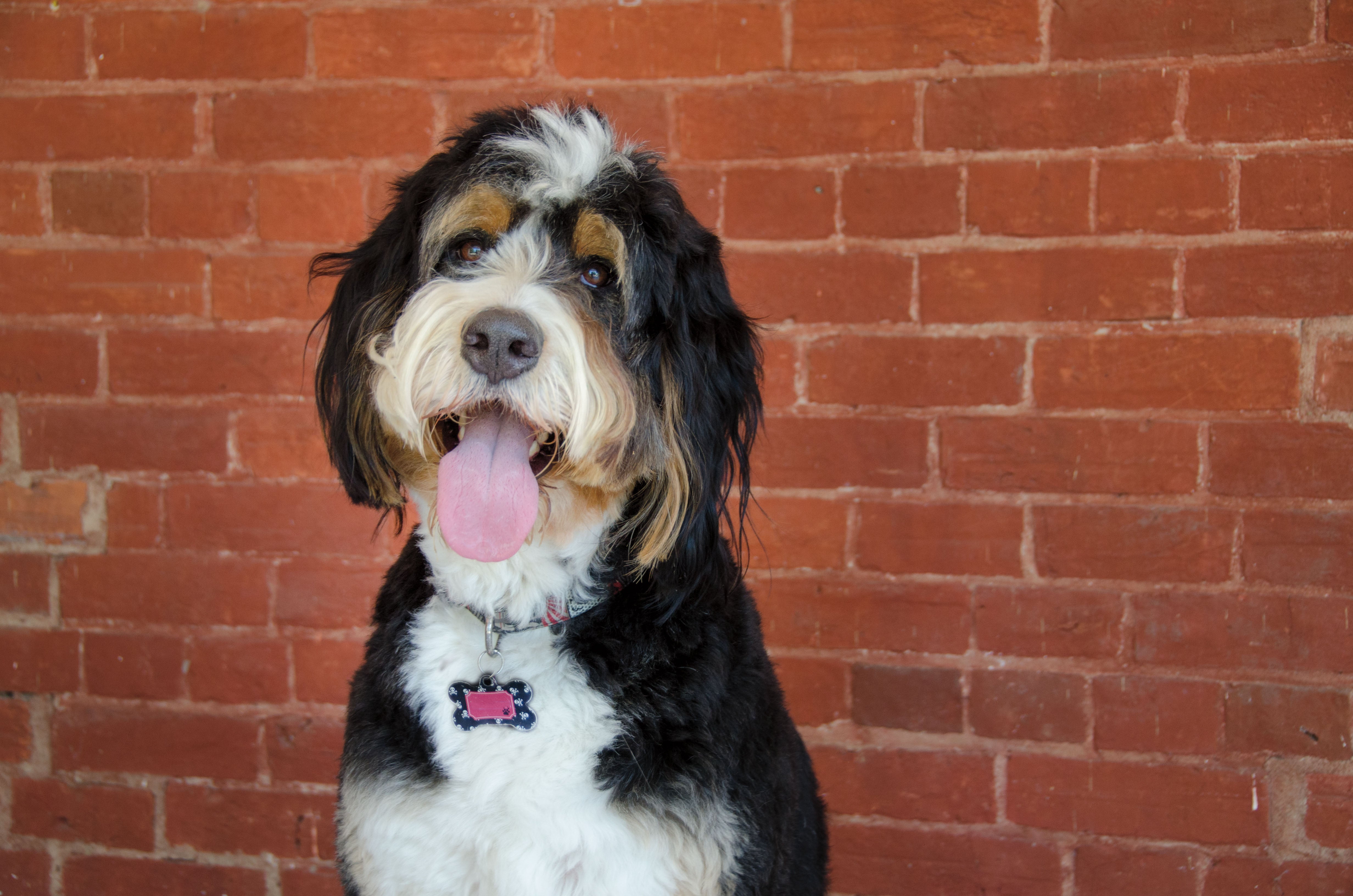
Bernedoodles
Are Bernedoodles easy to train? Yes, Bernedoodles are relatively easy to train, though they may require some extra patience due to their independent streak. A mix of the Bernese Mountain Dog and the Poodle, Bernedoodles inherit the Poodle’s intelligence and the Bernese’s calm demeanor. They are responsive to positive reinforcement and enjoy bonding with their owners, making training sessions enjoyable.
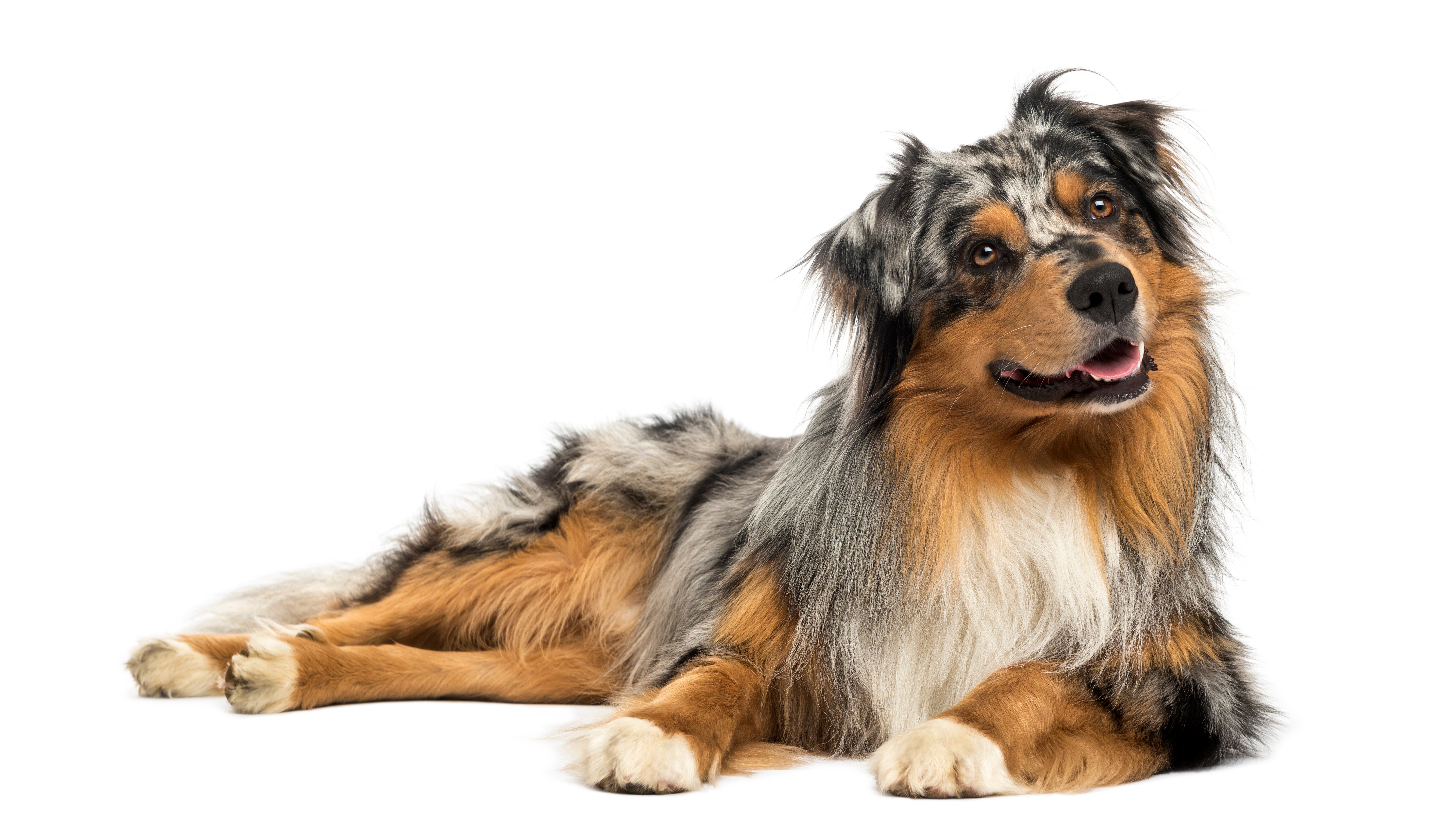
Australian Shepherds
Are Australian Shepherds easy to train? Yes, Australian Shepherds are generally easy to train, thanks to their high intelligence, eagerness to please, and strong work ethic. They pick up new commands quickly and enjoy engaging with their owners, especially when training involves mental challenges and positive reinforcement.
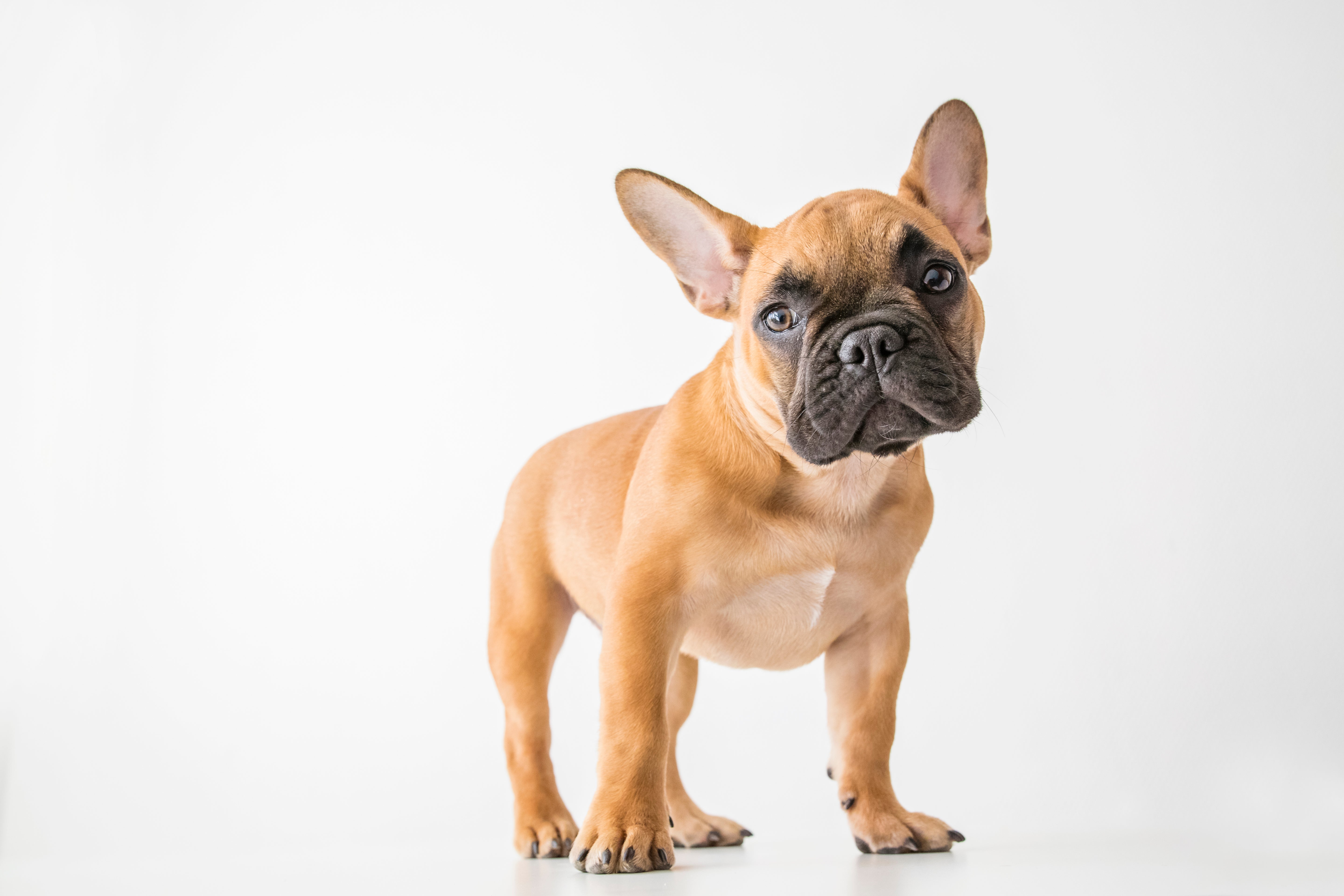
French Bulldogs
Are French Bulldogs easy to train? Yes, French Bulldogs are relatively easy to train, though they can be a bit stubborn at times. They are intelligent, affectionate, and respond well to positive reinforcement, especially food. French Bulldogs enjoy attention and will work hard to please their owners, making them suitable for beginners. However, they may need a bit more patience when it comes to house training.
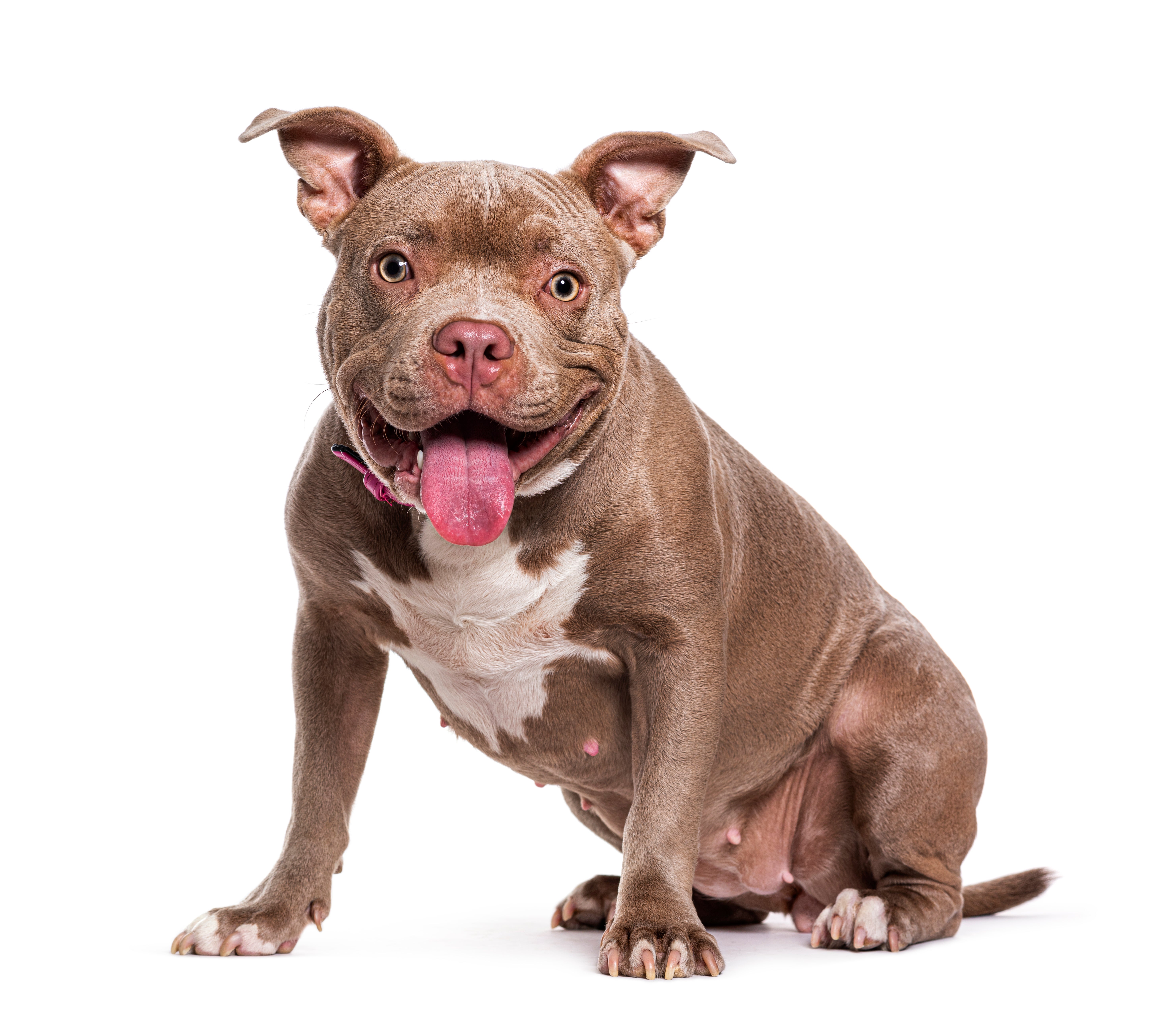
Pit Bulls
Are Pit Bulls easy to train? Yes, Pit Bulls are highly trainable. They are intelligent and eager to please, which makes them responsive to training. Pit Bulls thrive when they have a strong bond with their owners, and they excel in obedience training. With consistent and positive reinforcement, they can be well-behaved and obedient, though early socialization is crucial to prevent aggressive tendencies.
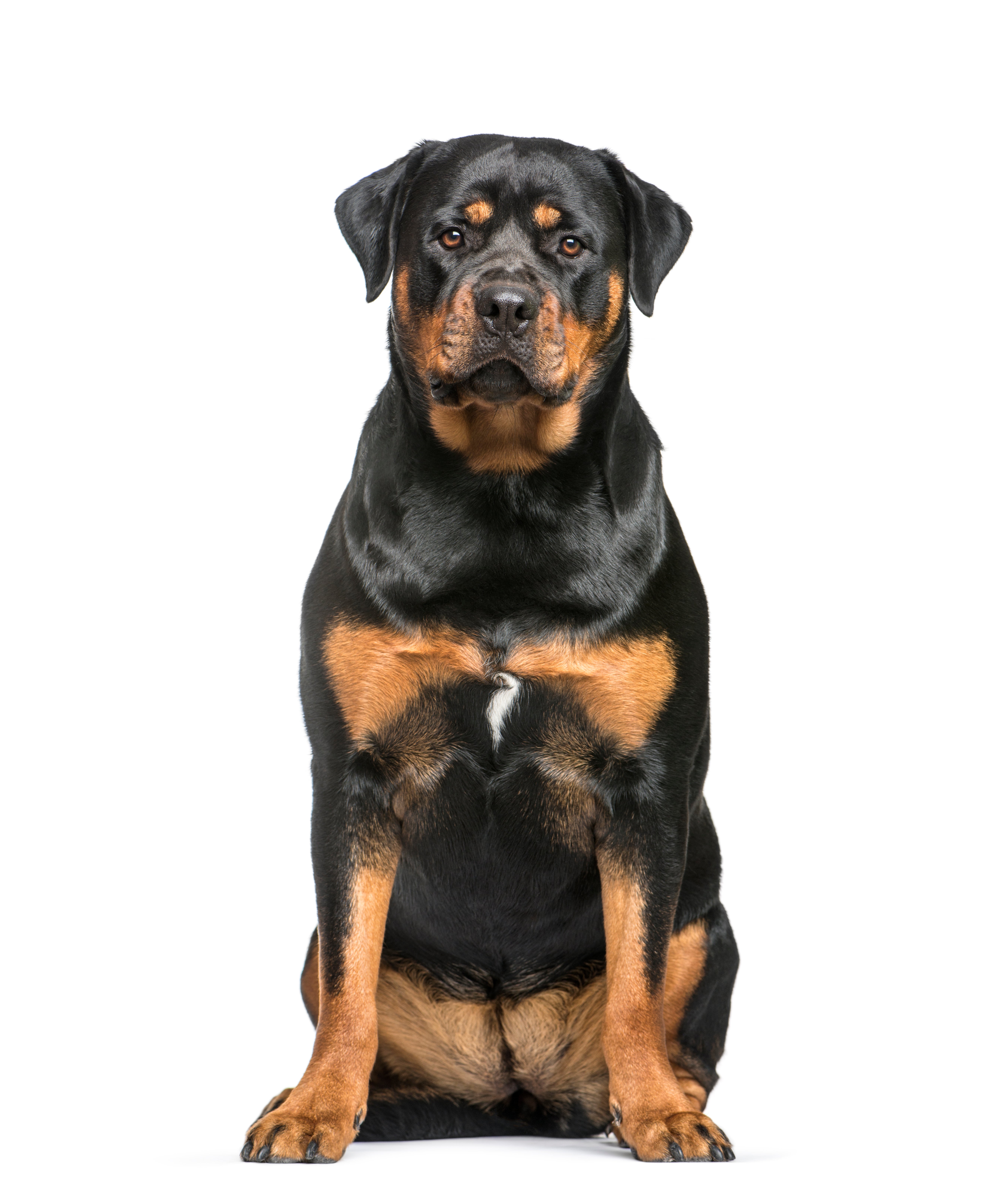
Rottweilers
Are Rottweilers easy to train? Yes, Rottweilers are generally easy to train, but they require strong leadership and consistency. They are intelligent, eager to please, and thrive in an environment where they receive clear expectations and boundaries. With proper training and socialization from an early age, Rottweilers can be well-behaved and obedient, making them excellent companions for experienced owners.
Cane Corsos
Are Cane Corsos easy to train? Yes, Cane Corsos are generally easy to train, but they require an experienced handler. They are intelligent, strong-willed, and protective by nature, which makes early socialization and training important. With a firm but kind approach, Cane Corsos respond well to training and can excel in obedience and protection work.
Great Danes
Are Great Danes easy to train? Yes, Great Danes are relatively easy to train due to their calm and gentle nature. Despite their large size, they are affectionate and respond well to positive reinforcement. Great Danes enjoy being around their family and are typically eager to please. Their calm demeanor makes training easier, though they do require consistent guidance to manage their size and energy.
Corgis
Are Corgis easy to train? Yes, Corgis are relatively easy to train. Known for their intelligence and eagerness to work, Corgis excel in obedience training and enjoy participating in activities like agility. They are responsive to positive reinforcement and enjoy being given tasks. Early socialization and consistent training will help Corgis become well-behaved companions.
Hard-to-Train Breeds
Shih Tzus
Are Shih Tzus easy to train? No, Shih Tzus can be somewhat difficult to train. While they are affectionate and intelligent, their independent streak can make them a challenge for first-time owners. Shih Tzus have a charming, almost mischievous quality that can often win their owners over, making it tempting for owners to let them have their way. This can make tasks like house-breaking and learning new tricks more difficult. Shih Tzus can also be a bit stubborn, so training requires patience and consistency. Positive reinforcement is key to getting them to respond to commands and learning appropriate behaviors.
Dachshunds
Are Dachshunds easy to train? No, Dachshunds can be more challenging to train. Known for their independent and stubborn personalities, Dachshunds may not always respond immediately to commands. While they are intelligent, their small size and determination can make them harder to train compared to other breeds. They need consistent training and positive reinforcement to learn new commands.
Beagles
Are Beagles easy to train? No, Beagles can be more challenging to train. While they are intelligent, their strong sense of smell and independent nature can make them easily distracted during training sessions. Beagles may need extra patience and consistent, positive reinforcement. With the right approach, they can learn basic commands, but owners need to manage their energy and focus carefully.
Huskies
Are Huskies easy to train? No, Huskies are known to be more challenging to train. While they are intelligent, they tend to be independent and stubborn, making training a bit of a challenge. Siberian Huskies have a strong prey drive and can become distracted by their surroundings. Training them requires consistency, patience, and the ability to keep them engaged. Socialization and positive reinforcement are key to successful training.
Chihuahuas
Are Chihuahuas easy to train? Depends, Chihuahuas can be a bit challenging to train. While they are intelligent, they are also known for their strong-willed and sometimes stubborn nature. Their small size and confident personalities often lead them to believe they don’t need to follow commands. However, with consistency and patience, Chihuahuas can learn basic commands and house training. Positive reinforcement, such as treats and praise, works best with this breed. It’s important to establish clear boundaries early on, as they can sometimes become dominant or possessive. With the right training approach, Chihuahuas can be well-behaved, but owners should be prepared for a little extra effort.
Which Traits Make it Easy to Train Dogs?
While breed plays a significant role in determining how easy a dog will be to train, it’s important to remember that every dog is unique. Several individual factors contribute to a dog’s trainability, and understanding these can help you tailor your approach for the best results:
Age
Puppies are typically easier to shape and train due to their malleability and eagerness to learn. Their brains are primed for absorbing new information, and they tend to have shorter attention spans, making training sessions quick and effective. However, adult dogs can absolutely be trained, too! While it may take a little more time for older dogs to unlearn ingrained habits or adjust to new routines, their life experience can also make them more focused and eager to please. With patience and consistency, adult dogs can thrive in training, often providing more stability and emotional maturity than younger pups.
Energy Level
A dog’s energy level can greatly influence their ability to focus and engage during training. High-energy breeds, like Border Collies and Australian Shepherds, need plenty of physical and mental stimulation to remain calm and focused. If these dogs don’t receive enough exercise or mental challenges, they may become distracted or even anxious. On the other hand, lower-energy dogs may be more relaxed and less enthusiastic about training, so their owners may need to get creative with positive reinforcement and keep training sessions short and fun. Regardless of energy level, incorporating play and interactive activities into training can help keep your dog motivated.
Distractions
Every dog is different when it comes to how easily they get distracted. Some dogs, particularly those with a strong prey drive, can become sidetracked by moving objects, other animals, or even smells and sounds in the environment. This can make focusing on training commands more challenging. It’s important to assess your dog’s typical distractions and work in a quiet, controlled environment at first to limit these interruptions. Gradually introducing distractions, such as practicing “sit” in a park or near other dogs, will help your dog learn to focus amidst the chaos.
Health
A dog’s physical health plays a major role in their willingness and ability to engage in training. A healthy dog is typically more energetic, focused, and motivated to participate in training sessions. Illness, pain, or discomfort can interfere with your dog’s ability to concentrate or follow commands, making training sessions more difficult. Regular vet checkups and maintaining a healthy lifestyle are essential for ensuring that your dog feels good and is in the right mental state to learn.
Temperament
Each dog’s temperament also affects how they respond to training. Confident, sociable dogs tend to be more adaptable and quicker to pick up commands, as they are less likely to be fearful or anxious about new experiences. These dogs often enjoy working with their humans and are more eager to please. On the other hand, more independent or reserved dogs might require additional patience and gentle encouragement to build trust and confidence. Understanding your dog’s personality and adjusting your approach accordingly can make all the difference in how successful your training experience will be.
Socialization, Consistency, and the Right Techniques
No matter the breed or individual factors, socialization and consistency are key to effective training. Socializing your dog with other people, pets, and environments helps reduce fear and anxiety which can hinder learning. Consistent commands and routines provide structure, helping your dog understand expectations and making the learning process easier.
Finally, using the right training techniques—based on positive reinforcement, rewards, and short training sessions—will set both you and your dog up for success. Even a breed that’s typically considered more challenging to train can make progress with the right patience and strategy.
By factoring in these elements and adjusting your training approach to fit your dog’s unique needs, you can help ensure a positive, rewarding training experience for both of you.
How to Choose an Easy Training Dog
Choosing the best dog for your situation goes beyond simply picking a breed; it’s about finding the right match that aligns with your lifestyle, living situation, and personal preferences. Every dog is unique, and while breed characteristics can give you a good starting point, it’s essential to ask yourself a few important questions to help narrow down your options. By considering both your needs and your dog’s, you can ensure a harmonious relationship and a well-adjusted pup.
Do I Want a Puppy or an Adult Dog?
The decision to adopt a puppy or an adult dog can greatly influence your training approach and the time you’ll need to dedicate to your new companion. Puppies are generally more impressionable, and it’s easier to shape their behaviors from an early age. However, they require more time, patience, and consistency, especially when it comes to housebreaking, socialization, and basic obedience. Puppies also have high energy levels and require frequent play and stimulation.
On the other hand, adult dogs, especially those that have been trained previously, may already know basic commands and routines, making them easier to manage right away. Adult dogs tend to be more settled and may require less supervision. However, if you choose an adult dog, you’ll need to consider their past experiences—some dogs may need extra care or training to overcome behavioral issues or adjust to a new home.
Do I Have Time for Regular Training and Exercise?
Training and exercise are crucial components of any dog’s well-being, and they play a major role in ensuring your dog is happy, healthy, and well-behaved. Some dogs, particularly high-energy breeds, require more time and effort in these areas. If you’re someone with a busy lifestyle, it’s important to choose a breed that fits your schedule. For example, dogs like the Border Collie or Australian Shepherd thrive on exercise and mental stimulation and may become bored and destructive without it.
Conversely, breeds with lower exercise requirements, like the French Bulldog, may be a better fit if you have a more laid-back lifestyle. That said, all dogs benefit from regular training sessions, socialization, and exercise, so it’s important to assess how much time you can realistically devote to these activities.
Do I Live in an Apartment or a Home with a Yard?
Your living situation plays a significant role in choosing the best breed for your home. If you live in an apartment or a small space, it’s important to consider dogs that are adaptable to smaller environments. Some breeds, like the Chihuahua or Dachshund, are well-suited to apartment living because they tend to be less demanding in terms of space and exercise. However, they will still need regular walks and mental stimulation.
On the other hand, larger or more energetic breeds, such as the Labrador Retriever or German Shepherd, might need more room to roam and are often better suited for homes with larger yards or access to outdoor space. Without the right outlet for their energy, these dogs may become restless and anxious. If you’re in an apartment, consider looking into breeds known for being calm indoors or that don’t need as much exercise.
Do I Have Kids, Other Pets, or Sensitivities to Allergens?
It’s essential to consider your family dynamic when choosing a dog. If you have young children, you’ll want a dog that is patient, gentle, and tolerant of excitement and noise. Breeds like the Golden Retriever and Bernese Mountain Dog are known for their friendly and tolerant nature, making them great family pets. On the other hand, some breeds, like the Chihuahua or Shih Tzus, may not be as tolerant of children’s behavior, requiring more supervision and training.
If you already have other pets, it’s important to choose a breed that gets along well with other animals. For example, the Labrador Retriever tends to be social and can adapt well to multi-pet households, while breeds like the Doberman Pinscher may be more territorial or independent.
Additionally, sensitivities to dog allergens can be a concern for some families. If anyone in your household has these concerns, consider hypoallergenic breeds, which shed less and produce fewer allergens. Keep in mind that no dog breed is completely hypoallergenic, but these breeds are known to be easier for those who are sensitive towards these types of allergens.
Easiest Ways to Train a Dog
Some basic tips go a long way when training your dog—no matter their breed:
- Use positive reinforcement (like treats and praise).
- Keep sessions short and consistent.
- Start with simple commands like “sit,” “stay,” and “come.”
- Avoid punishment and stay patient—progress takes time.
Below are a few resources from Petfinder that can help you and your buddy get started on your training journey:
- How To Find a Good Dog Trainer
- Recall Training – Teaching a Dog to Come When Called
- Saying 'No' to Your Dog
- Dog Obedience Training
Whether you’re bringing home your first dog or looking for a better fit for your lifestyle, choosing a dog that’s easy to train can make your journey smoother and more rewarding. Remember that training takes time, patience, and love—and it starts with understanding your dog.
By choosing a trainable breed and committing to good habits, you’ll set the foundation for a happy, well-behaved companion for years to come.
Before you adopt, check out these essential new dog resources:
For more expert tips and information on other dog breeds, explore additional dog and puppy breed types articles.