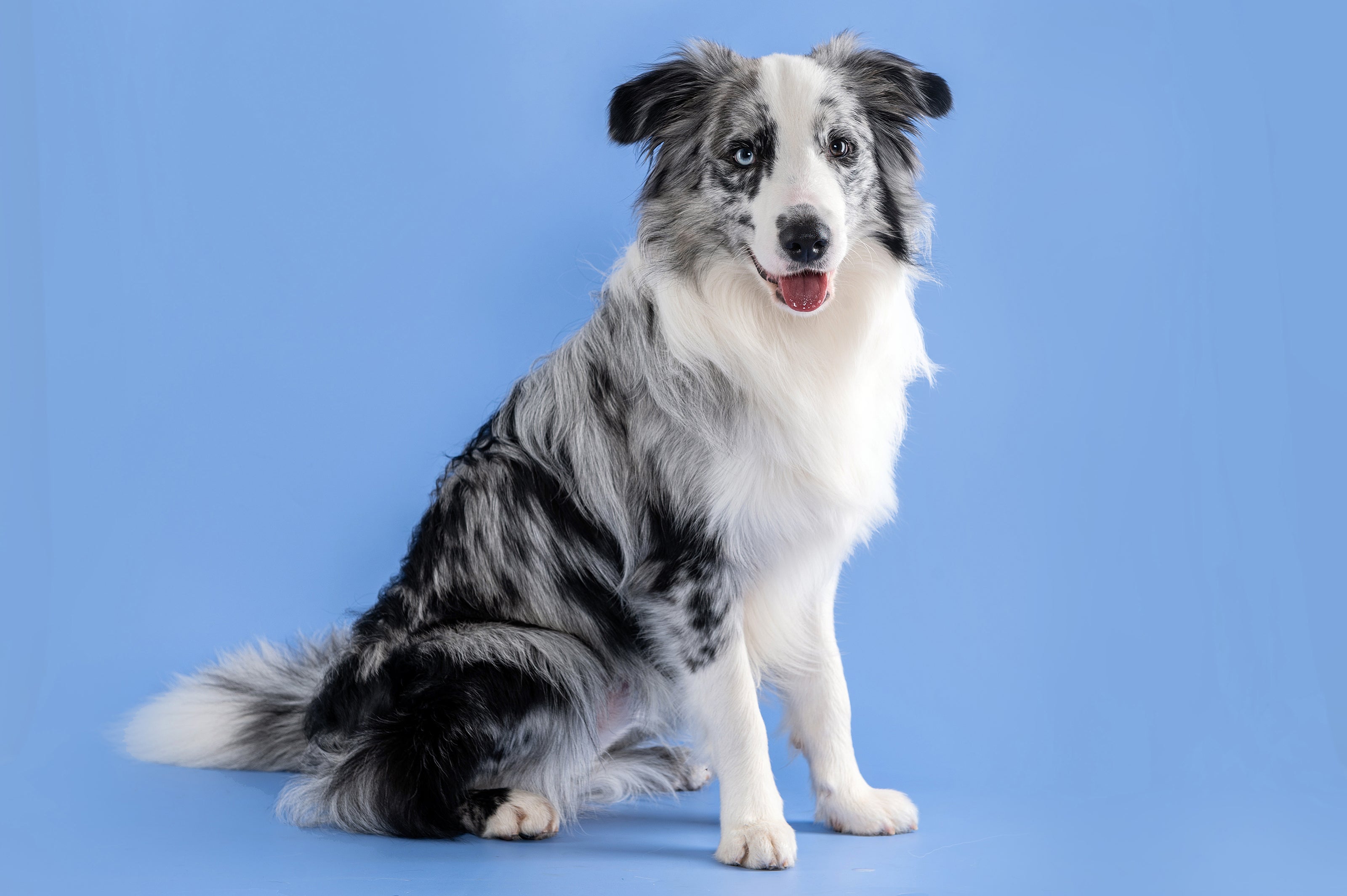
Note: While the breeds in this collection tend to be merle in color, individual pets will vary. Please consult the adoption organization for details on a specific pet.
Merle dogs, with their striking, multi-colored coats, are some of the most visually captivating dogs you’ll ever encounter. The unique, mottled coat pattern that gives these dogs their distinct appearance is not only beautiful but also full of complexity. Whether you’re interested in adopting a merle dog or just fascinated by their genetics and health considerations, understanding the ins and outs of merle dogs is essential. In this article, we will explore what merle dogs are, their genetics, health concerns, popular merle dog breeds, and more to help you make an informed decision if you’re considering one as a new companion.
What is a Merle Dog?
A merle dog is a dog that displays a distinct coat pattern known as the merle pattern. This pattern involves mottled patches of color, often in a mix of darker and lighter shades, on a solid or piebald coat. The exact nature of the pattern can vary greatly—from large, bold patches to smaller, more subtle specks. These patches can be seen in several colors, including blue, red, and black, and typically result in a stunning, speckled appearance.
Merle Coat Characteristics
- Patch Size and Color Combinations: The patches on a merle dog’s coat can vary in size, ranging from large blotches to fine specks. The colors most commonly seen in merle dogs are combinations of black, blue, red, and sable. “Blue merle” refers to a distinctive coat color pattern in dogs, featuring mottled or marbled patches of black or dark gray on a lighter gray or bluish background—often described as a “dappled” appearance.
- Physical Features: Merle dogs are also known for some unique physical features that go hand-in-hand with their coat patterns. These dogs may have mismatched eyes or odd-colored eyes, which can be one of the most captivating traits. It is also not uncommon for merle dogs to have skin patches, such as a lighter nose or paws that match the mottled coat.
- Genetic Basis: The mesmerizing merle coat pattern in dogs is a captivating genetic feature, driven by a fascinating interplay of dominant and recessive traits. At the core of merle dog genetics is the merle allele (M), a semi-dominant gene that only needs one copy to create the striking, splotchy coat that merles are known for. Every merle dog carries one copy of the merle allele (M) and one of the non-merle allele (m), giving them an Mm genotype. However, things get more complex with double merle dogs, which inherit two copies of the merle gene (MM). The double merle (MM) combination can come with health risks, such as vision and hearing impairments. Meanwhile, dogs with two non-merle alleles (mm) have solid coats, without the merle pattern.
Double Merle Dogs & Health
Are merle dogs unhealthy? While merle dogs with one merle parent typically have similar life expectancy and health to non-merle dogs, there are significant health concerns when both parents are merle carriers. This can result in double merle dogs—dogs that inherit two copies of the merle gene. Double merles are at a higher risk for several health issues, including:
- Blindness and Deafness: Double merle dogs are more likely to suffer from congenital eye and ear problems, including blindness and deafness, due to the genetic mutation affecting the eyes and inner ear development.
- Microphthalmia: This condition refers to underdeveloped eyes, which may cause vision issues and discomfort.
- Sunburn and Skin Cancer: Merle dogs, especially double merles, often have lighter patches of skin and fur, which makes them more susceptible to sunburn and even skin cancer due to the lack of protective melanin pigment.
Breeding & Ethical Concerns with Merle Dogs
Breeding two merle dogs together is a controversial practice, as it significantly increases the chances of producing double merle puppies with serious health conditions. Many responsible breeders avoid breeding merle-to-merle pairings to prevent these health risks and promote the well-being of the puppies. It’s important to ensure that your breeder prioritizes health over appearance and follows ethical breeding practices.
If you’re considering adopting a merle dog, it’s advisable to consult a veterinarian for guidance on health concerns related to merle dogs.
Top Merle Dog Breeds
Merle patterns are most commonly found in certain breeds, which have been selectively bred to display the merle coat. Here are some popular merle dog breeds:
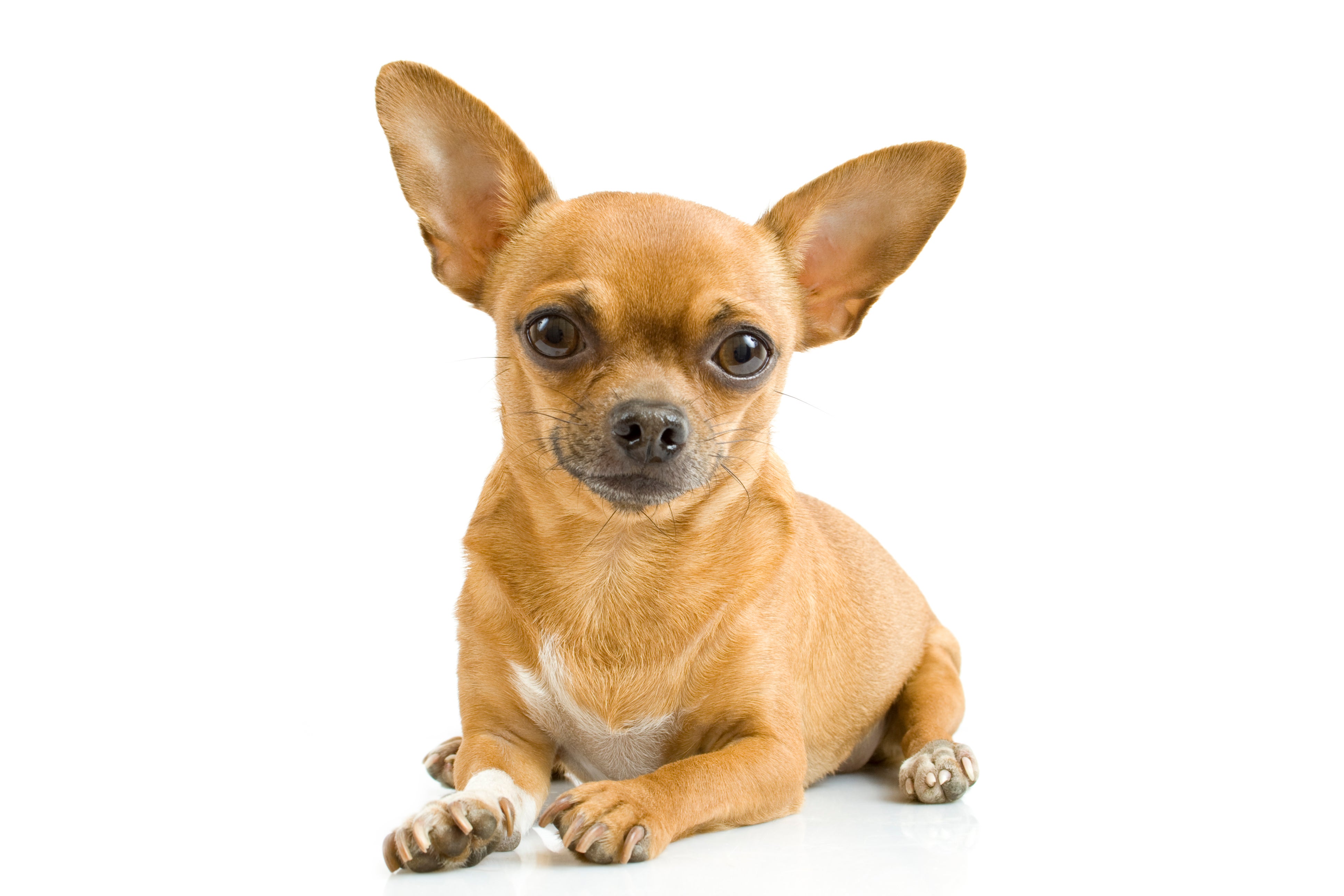
Chihuahua
The Chihuahua is a tiny dog with a bold and confident personality. Despite their small size, they are fearless and fiercely loyal to their owners, making them perfect companions for those who can provide them with a lot of attention, love, and training.
- Size: Small
- Coat: Smooth or long-haired with merle coloring
- Temperament: Bold, loving, and alert
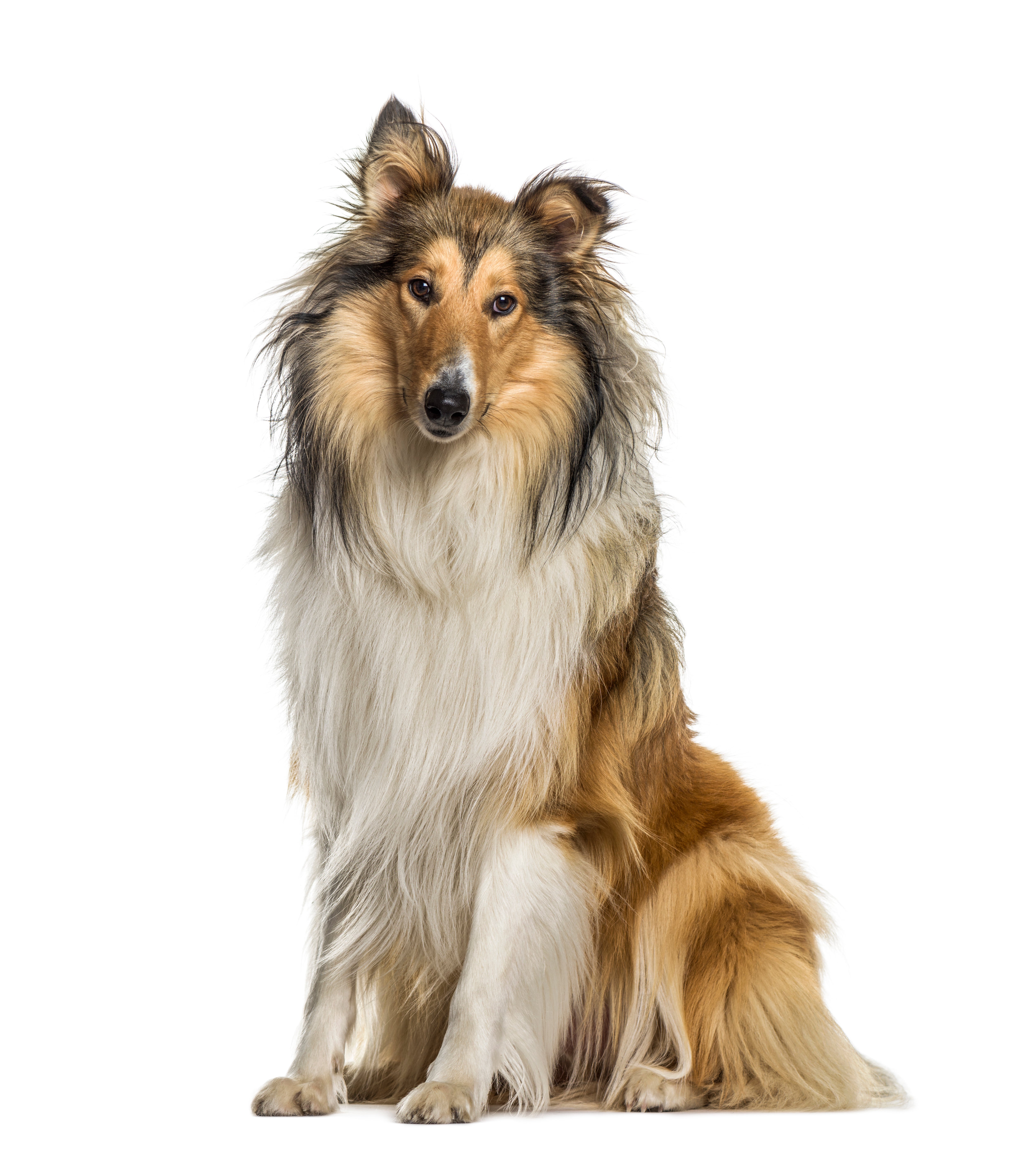
Rough Collie
The Rough Collie is an elegant and intelligent breed known for their long, flowing coat and gentle temperament. Famously portrayed as “Lassie,” this breed is affectionate, loyal, and excellent with children. They thrive in family environments where they receive regular exercise, mental stimulation, and companionship.
- Size: Medium
- Coat: Long, double coat; merle coloring possible
- Temperament: Loyal, intelligent, and gentle
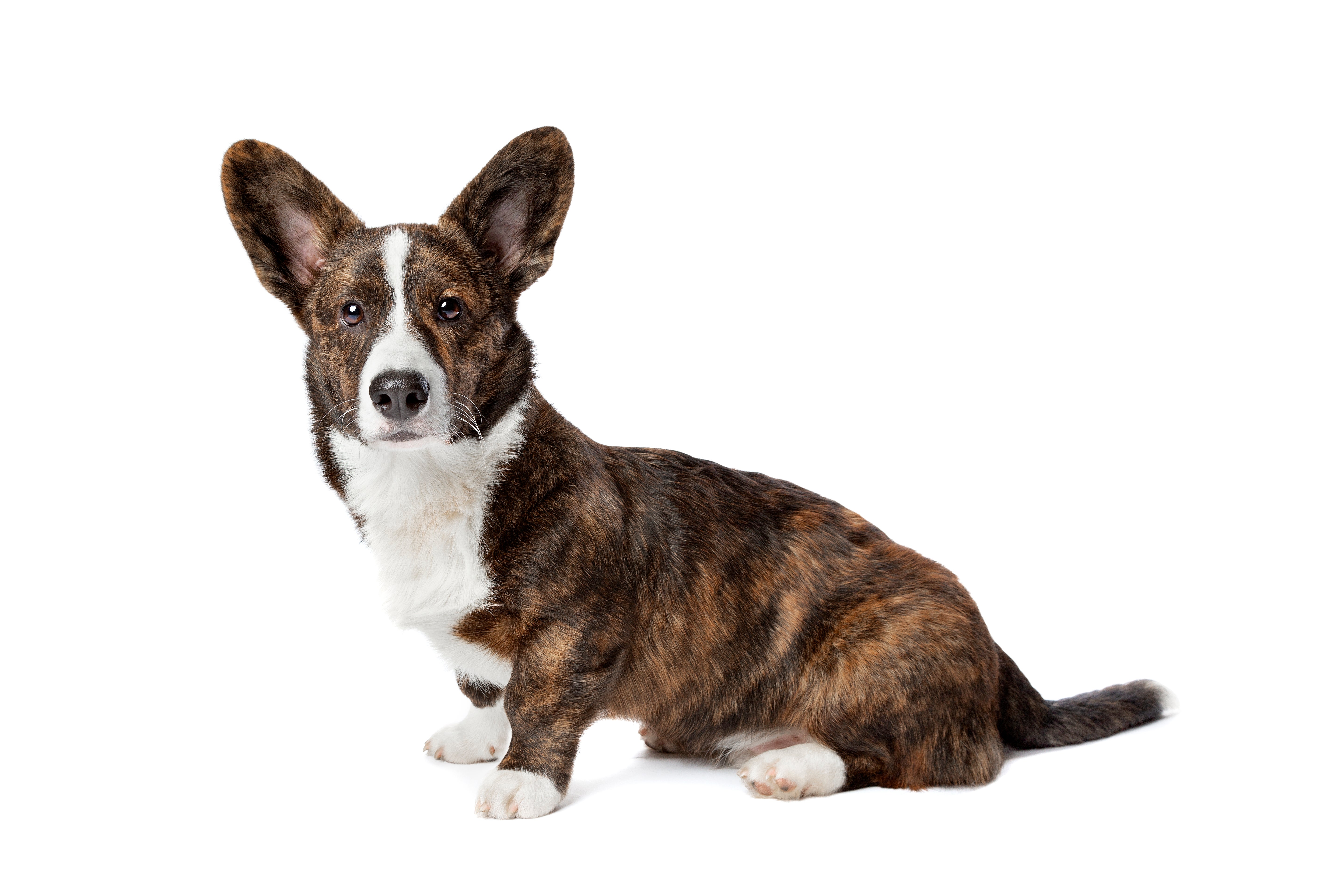
Cardigan Welsh Corgi
The Cardigan Welsh Corgi is a sturdy and agile dog with a friendly and loyal nature. While they are often known for their short legs and big hearts, they are active and intelligent, excelling in obedience and making wonderful family pets with the right amount of exercise and training.
- Size: Medium
- Coat: Thick, double coat in blue merle
- Temperament: Loyal, affectionate, and smart
Pyrenean Shepherd
The Pyrenean Shepherd is a lively, intelligent dog originally bred for herding in the Pyrenees mountains. Known for their agility and independence, they are well-suited for active families who can provide them with plenty of mental and physical challenges to keep them engaged.
- Size: Medium
- Coat: Rough or smooth, with merle coloring
- Temperament: Agile, intelligent, and active
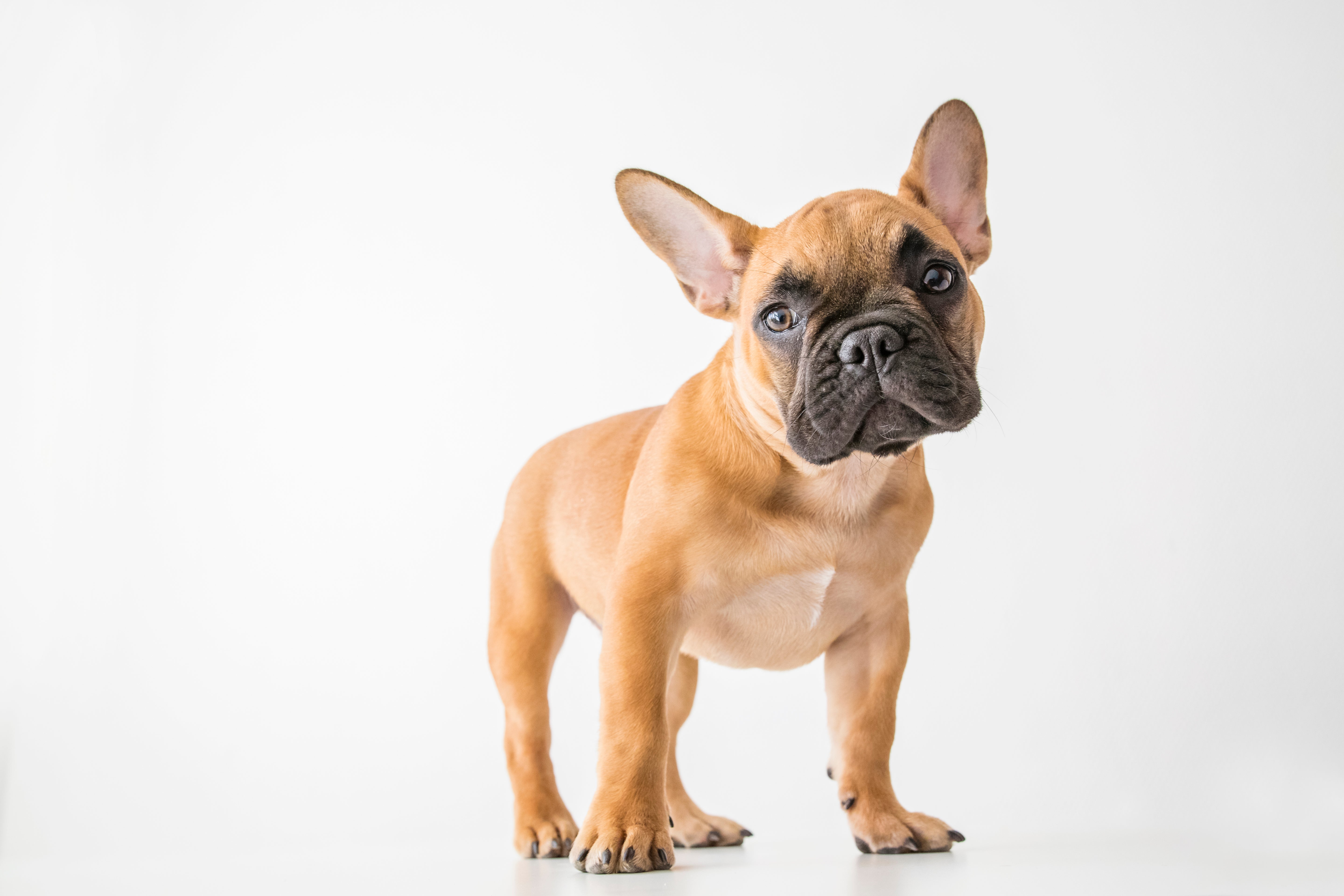
French Bulldog
The French Bulldog is a compact, affectionate breed with a playful yet relaxed demeanor. Known for their signature “bat ears” and easygoing personality, they make great companions for city dwellers or anyone looking for a low maintenance, yet loving dog.
- Size: Medium
- Coat: Short, smooth coat in blue merle
- Temperament: Affectionate, playful, and easygoing
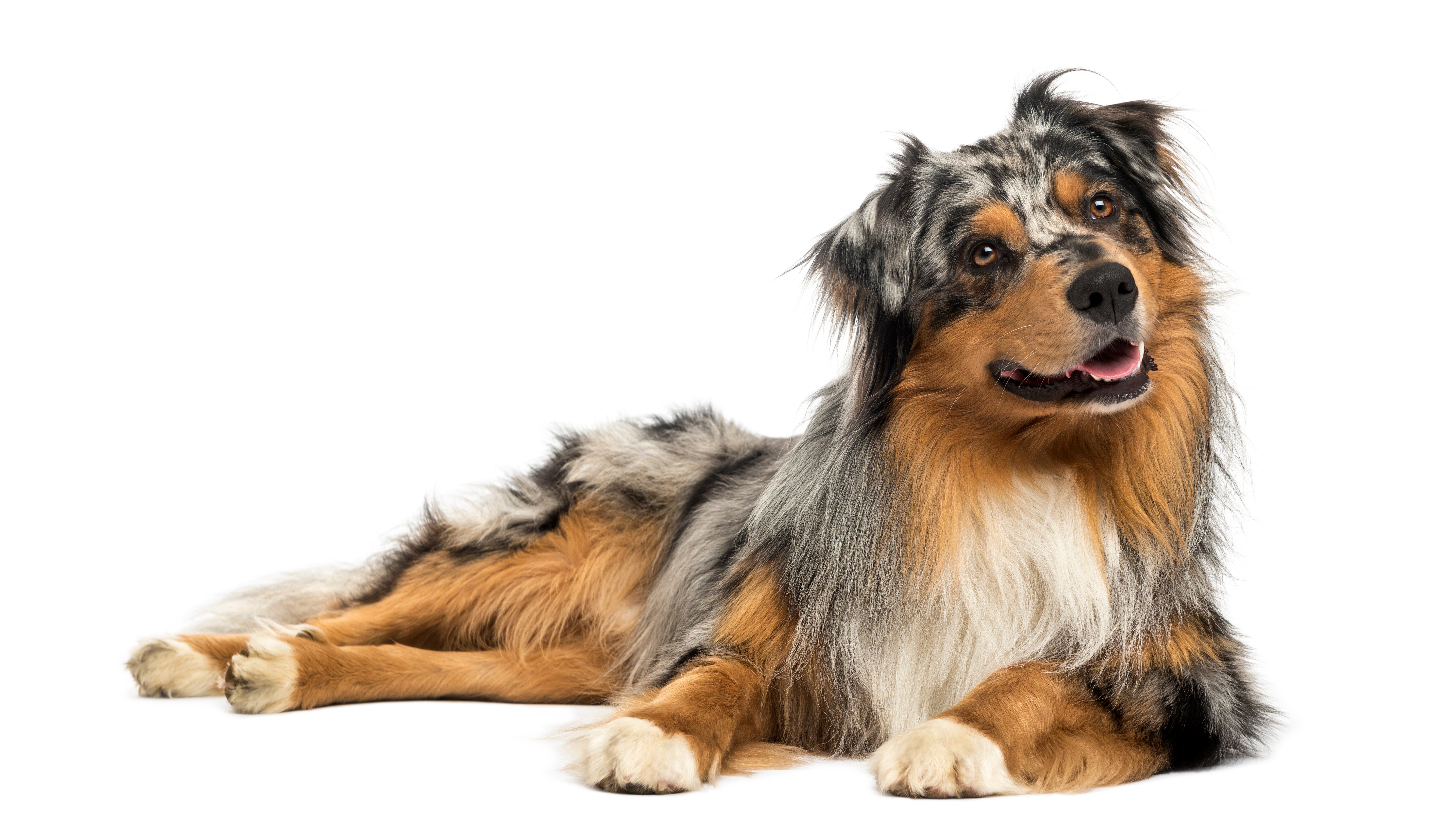
Australian Shepherd
The Australian Shepherd is an intelligent and energetic herding dog known for its agility and problem-solving skills. Highly trainable and eager to please, they thrive in active environments and make excellent companions for families who can provide them with plenty of exercise and mental stimulation.
- Size: Medium
- Coat: Medium-length, merle coat with blue or red variations
- Temperament: Intelligent, energetic, and loyal
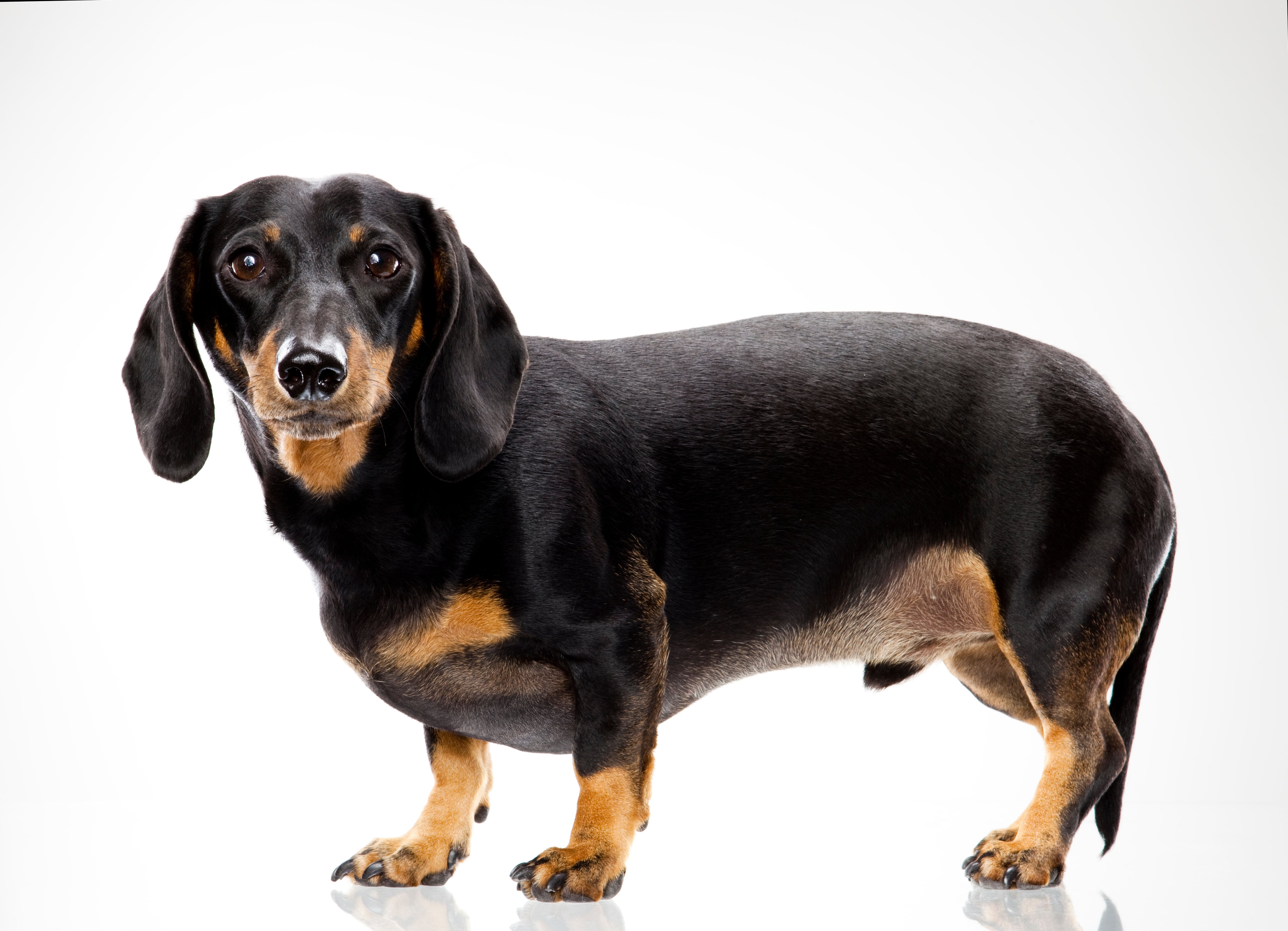
Dachshund
The Dachshund, affectionately known as the “sausage dog,” is a small yet spunky breed with a big personality. Playful and loyal, these dogs are charming companions, but their adventurous nature means they need plenty of mental and physical stimulation to stay happy.
- Size: Medium
- Coat: Smooth, long, or wire-haired; comes in blue or red merle
- Temperament: Curious, affectionate, and playful
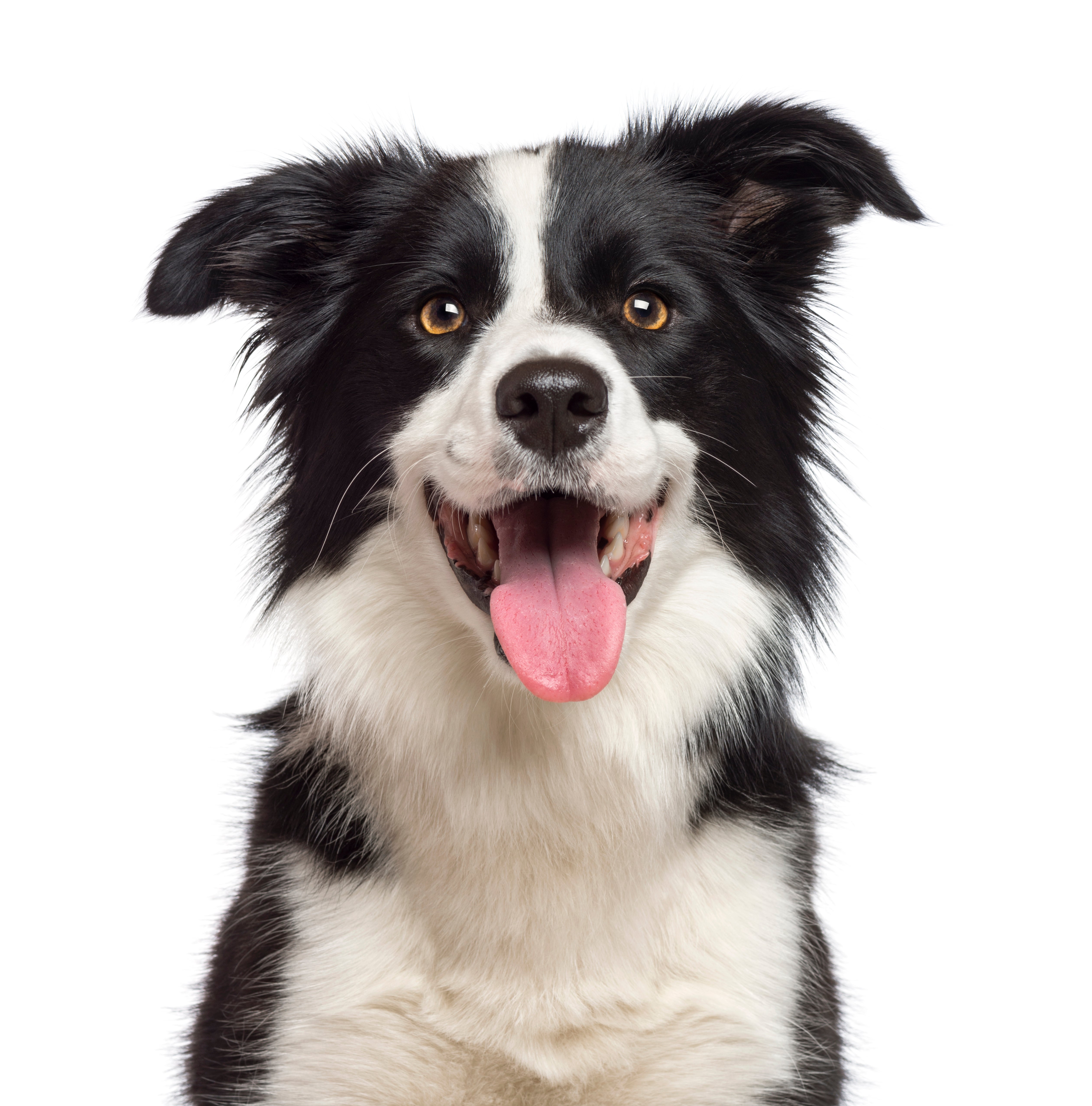
Border Collie
Widely regarded as one of the most intelligent dog breeds, the Border Collie is a highly energetic and hardworking dog. With an instinctive drive to herd, these dogs excel in active households where they can engage in plenty of physical and mental activities.
- Size: Medium
- Coat: Medium-length coat with black or blue merle
- Temperament: Energetic, intelligent, and agile
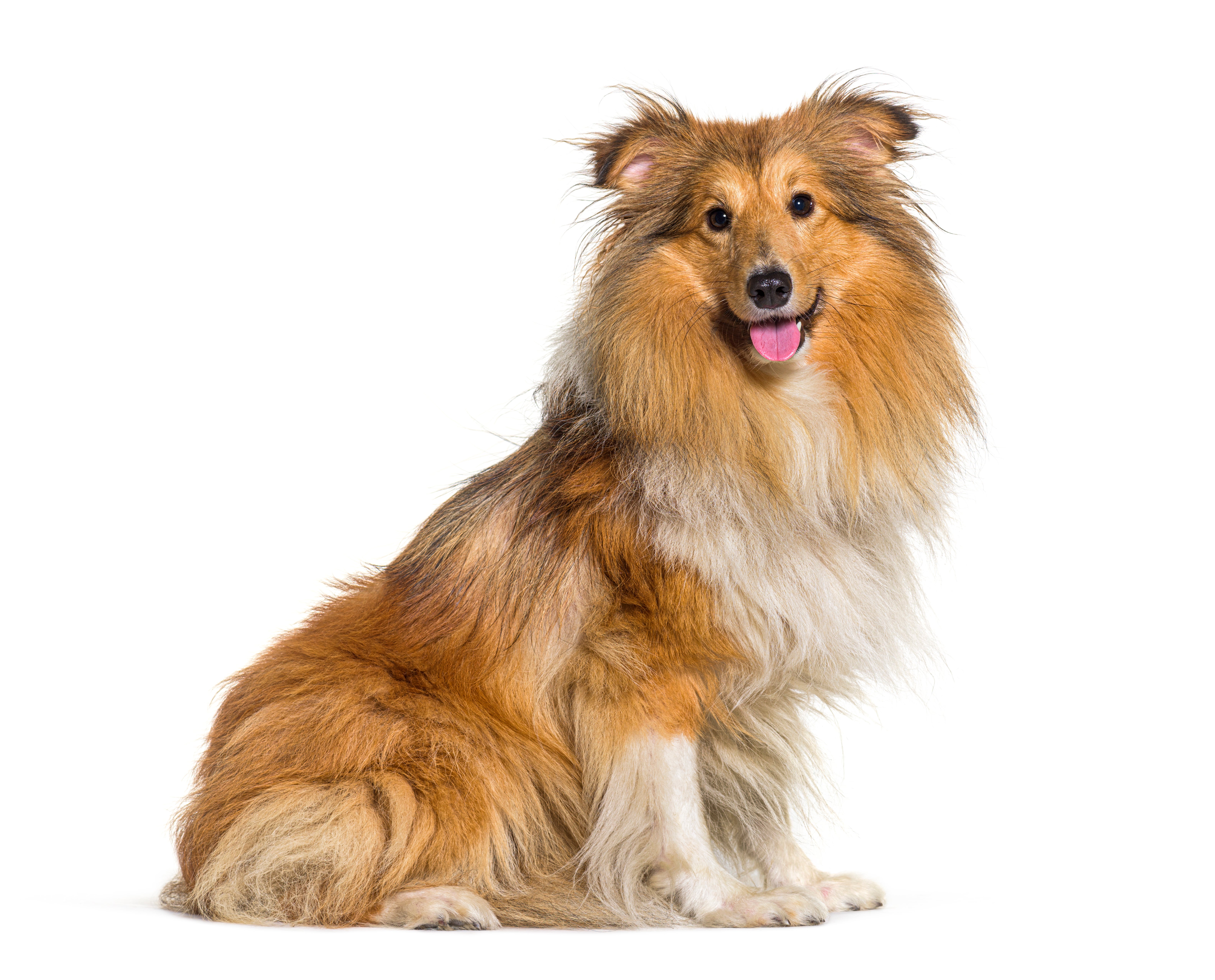
Shetland Sheepdog
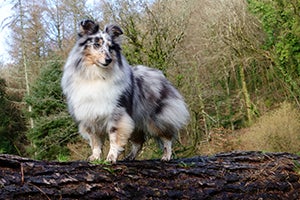
The Shetland Sheepdog is a small, intelligent herding dog with a strong work ethic and playful nature. Loyal and affectionate, they make excellent family companions, though they do best with owners who can provide mental stimulation and regular exercise.
- Size: Medium
- Coat: Long, double coat with blue or sable merle
- Temperament: Intelligent, playful, and loyal
Australian Koolie
The Australian Koolie is a highly energetic and intelligent herding dog known for its incredible stamina and agility. Bred to work in tough conditions, this breed thrives in active environments and is perfect for owners who can provide both physical and mental stimulation.
- Size: Medium
- Coat: Short to medium, often with merle or solid colors
- Temperament: Energetic, intelligent, and hardworking
Welsh Sheepdog
The Welsh Sheepdog is a highly versatile herding dog known for its intelligence and hardworking nature. Loyal and agile, this breed is well-suited for active families who can provide consistent training and a task-oriented environment.
- Size: Medium
- Coat: Short to medium, often with a dense undercoat
- Temperament: Intelligent, loyal, and energetic
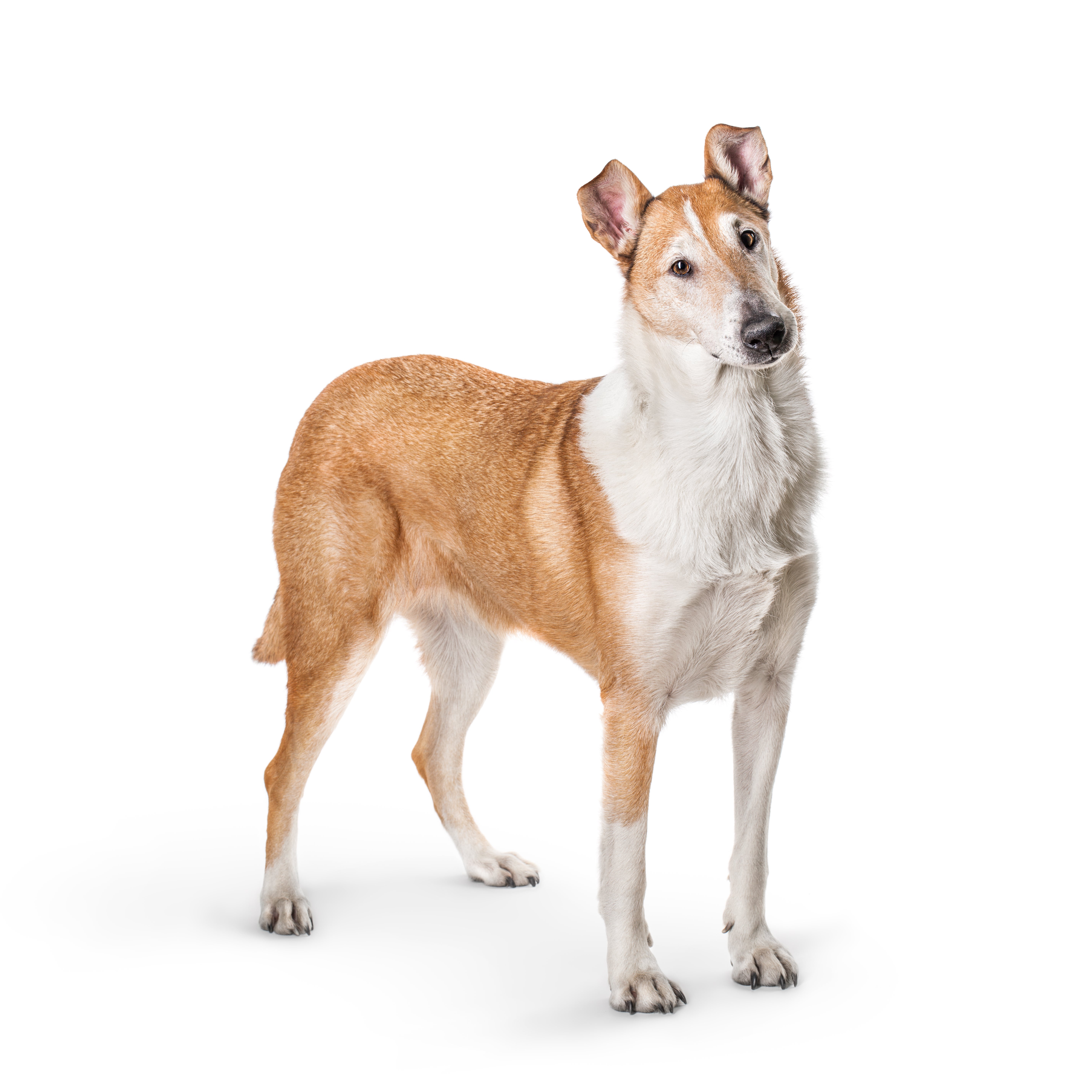
Smooth Collie
The Smooth Collie shares the same friendly nature and intelligence as the Rough Collie but has a short, dense coat that requires less grooming. These dogs are versatile, eager to please, and make wonderful companions for active families. They are known for their alertness and strong herding instincts.
- Size: Large
- Coat: Short and dense; merle coloring possible
- Temperament: Friendly, responsive, and active
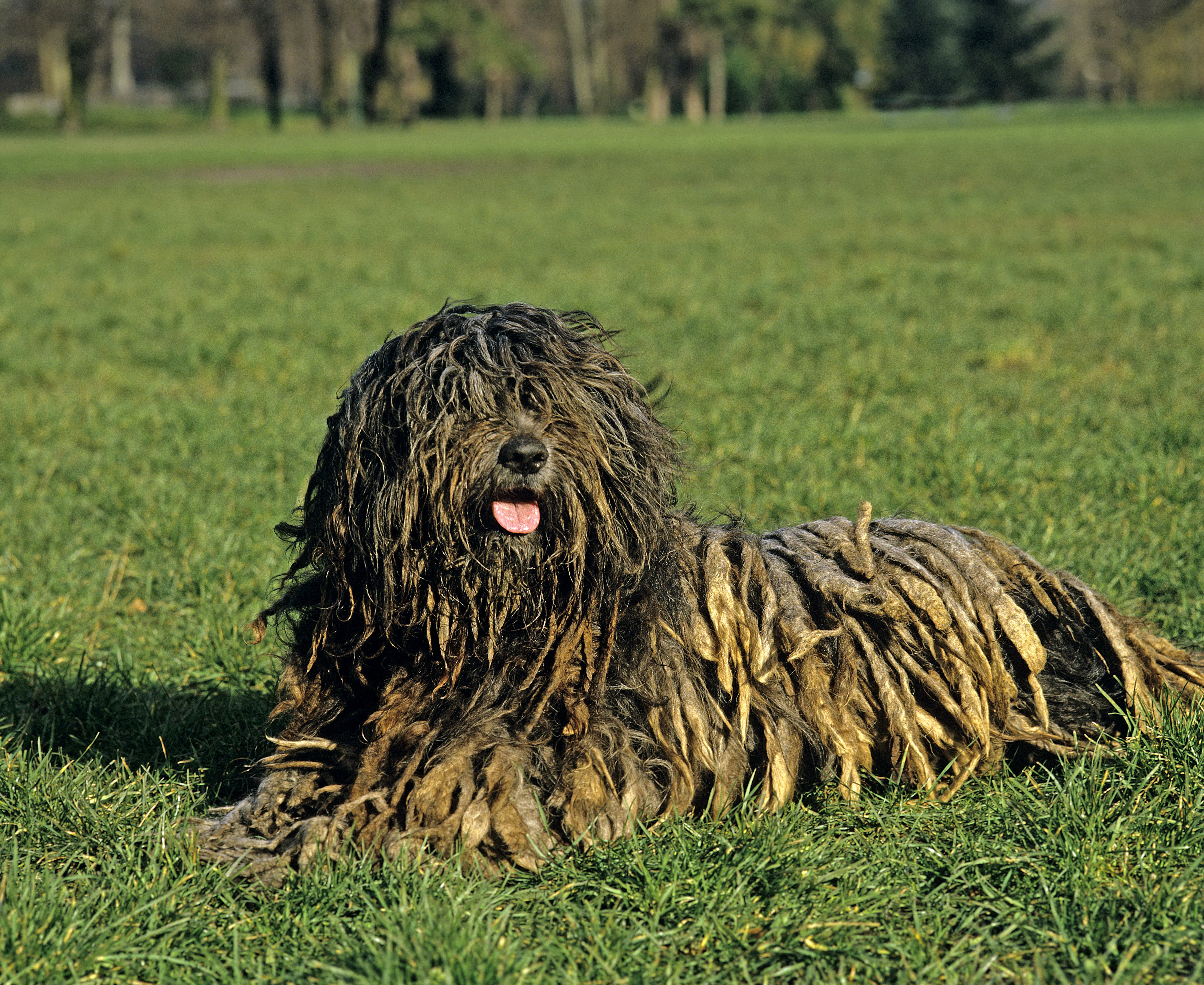
Bergamasco Shepherd
The Bergamasco Shepherd is a striking, hardworking dog with a distinctive coat of thick, matted fur. Originally bred to guard livestock in the Italian Alps, this breed is known for its intelligence, loyalty, and calm demeanor, making them great companions for active, experienced dog owners.
- Size: Large
- Coat: Long, dense, and matted
- Temperament: Intelligent, calm, and loyal
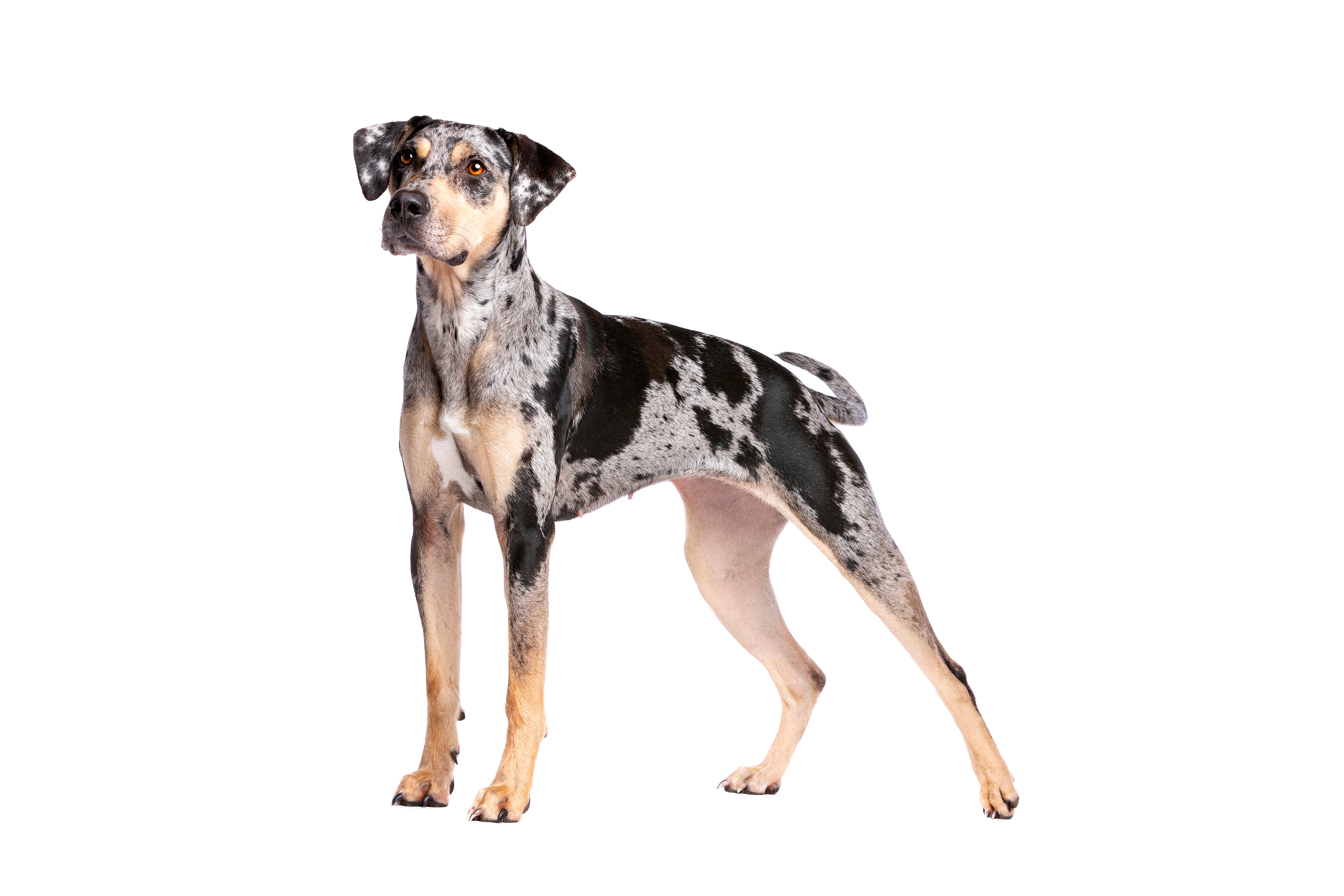
Catahoula Leopard Dog
The Catahoula Leopard Dog is a versatile and independent breed, originally bred for herding and hunting. Known for their striking coat and blue eyes, they are intelligent and energetic dogs that require an active lifestyle and consistent training to thrive.
- Size: Large
- Coat: Short, smooth coat with striking blue or red merle
- Temperament: Independent, energetic, and protective
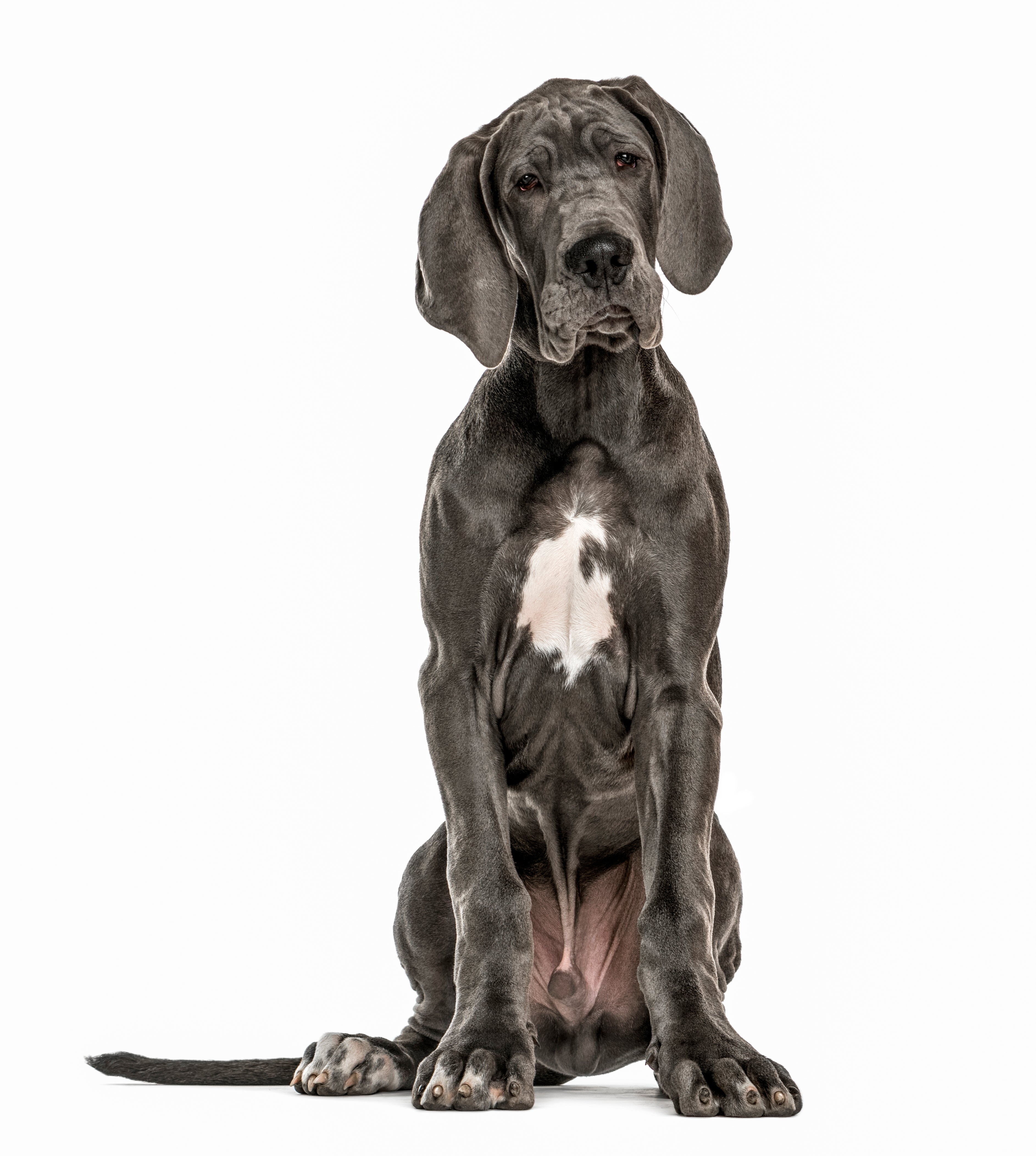
Great Dane
The Great Dane is a gentle giant, known for its impressive size and calm demeanor. Despite their towering stature, they are affectionate, friendly, and good with families, making them ideal companions for those with enough space to accommodate their size.
- Size: Extra Large
- Coat: Short, smooth coat; merle pattern in blue, black, or fawn
- Temperament: Gentle, friendly, and affectionate
How to Choose a Merle Dog
Merle dogs are a stunning and unique group, known for their beautiful coats and eye-catching patterns. However, as a potential owner, it’s essential to understand the genetic implications and health concerns, especially with double merle dogs. By considering the breed characteristics, health risks, and ethical breeding practices, you can make an informed decision about adopting a merle dog. Always consult a veterinarian for advice and care, and explore helpful resources for new dog owners, such as the Dog Adoption Checklist, How to Choose the Best Dog Name, and Preparing Your Home for a New Dog.
Merle dogs can be wonderful companions, but it’s important to do your homework and approach your decision with care.
For more expert tips with information about dog breed fur types, explore our expert dog and puppy articles.