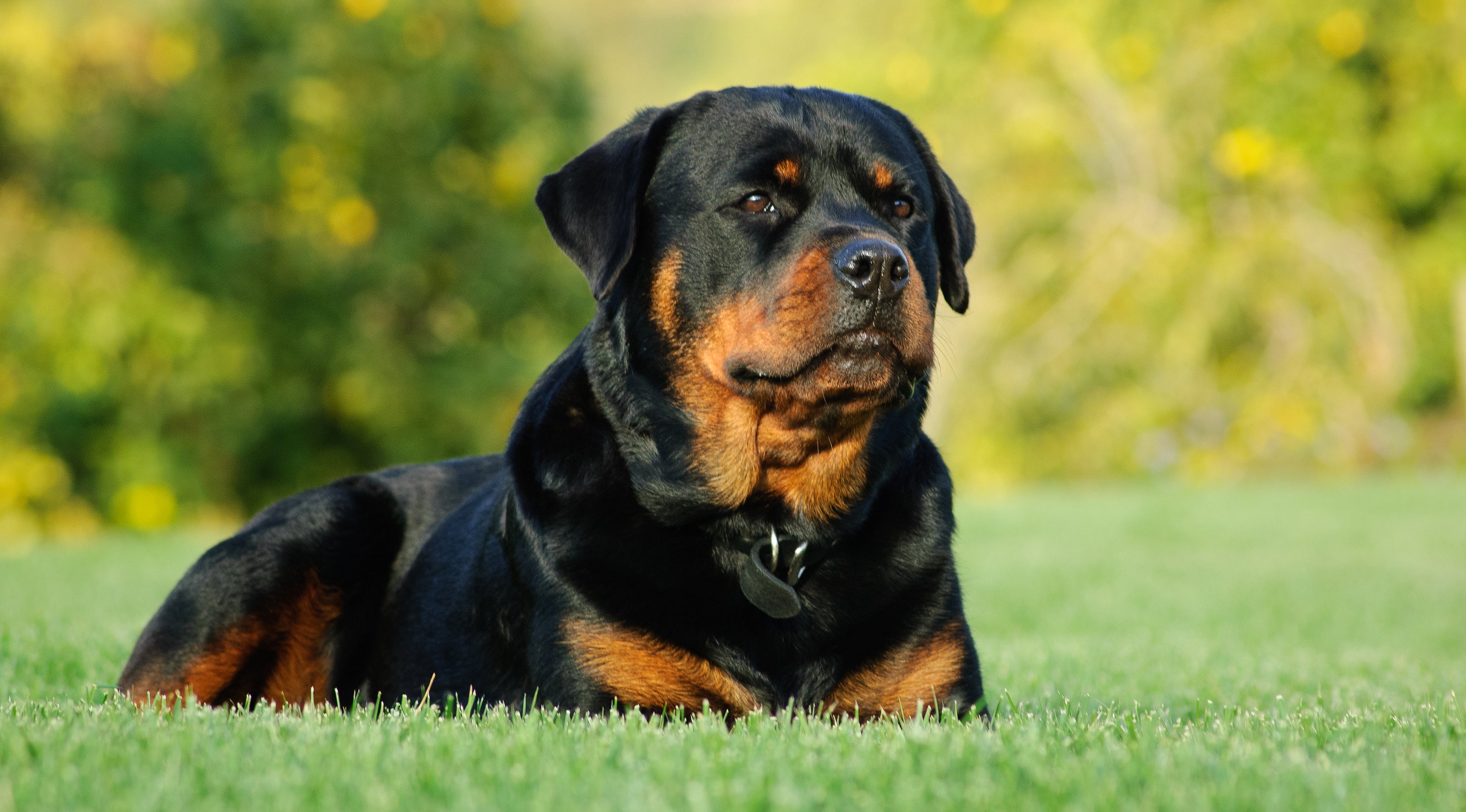
Note: While the breeds in this collection tend to be guard, or protective dogs, individual pets will vary. Please consult the adoption organization for details on a specific pet.
Dogs have been by our side for thousands of years, and one of their most valuable traits has always been their instinct to protect. Whether guarding livestock, alerting us to intruders, or simply standing between us and a perceived threat, protective instincts are deeply ingrained in many breeds. However, these instincts vary in intensity and manifestation depending on the breed and individual dog. When looking for the best protective dogs, it’s essential to understand the difference between a watchful companion and a dog bred specifically for guarding. This guide will walk you through the best guard dog breeds, help match you with the right dog for your lifestyle, and provide insight into training, socialization, and responsible ownership.
Protective and Guard Dog Breeds
Many dog breeds are naturally protective, and some have been developed specifically for guarding people, property, or livestock. Below are several types of protective dogs known for their loyalty, bravery, and defending instincts.
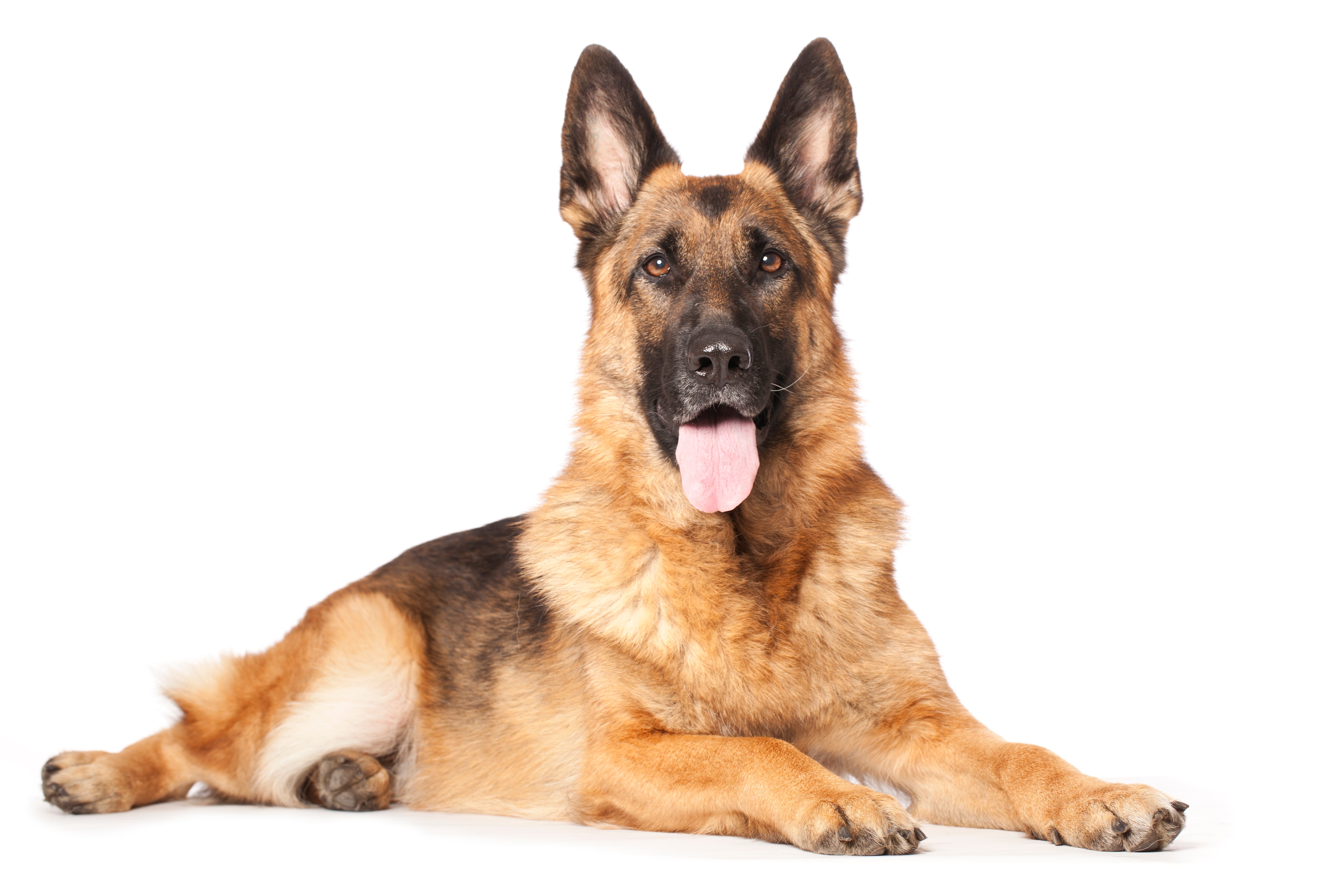
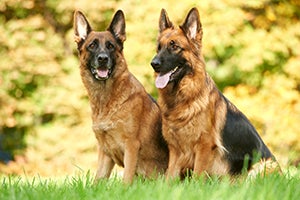
German Shepherd
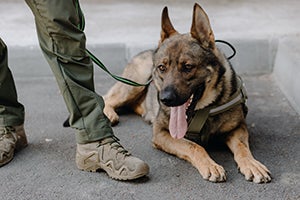
One of the most protective dog breeds, German Shepherds are known for intelligence and loyalty.
- Temperament: Alert, confident, courageous
- Training: Highly trainable; excels in obedience
- Family Fit: Excellent with proper socialization
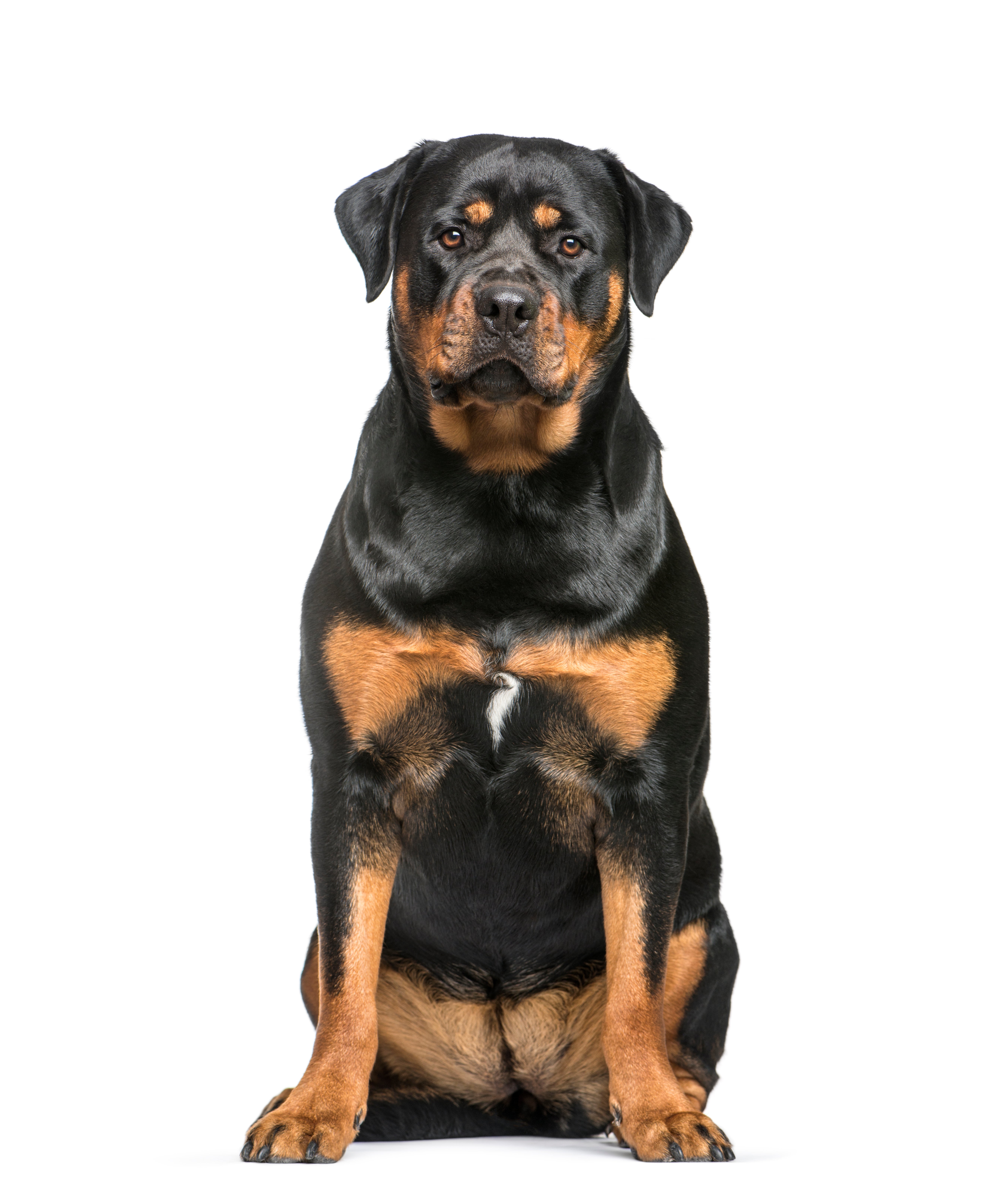
Rottweiler
The Rottweiler is a powerful and confident breed with a natural guarding instinct.
- Temperament: Calm, fearless, protective
- Training: Needs firm, consistent guidance
- Family Fit: Loyal to family; best with experienced owners
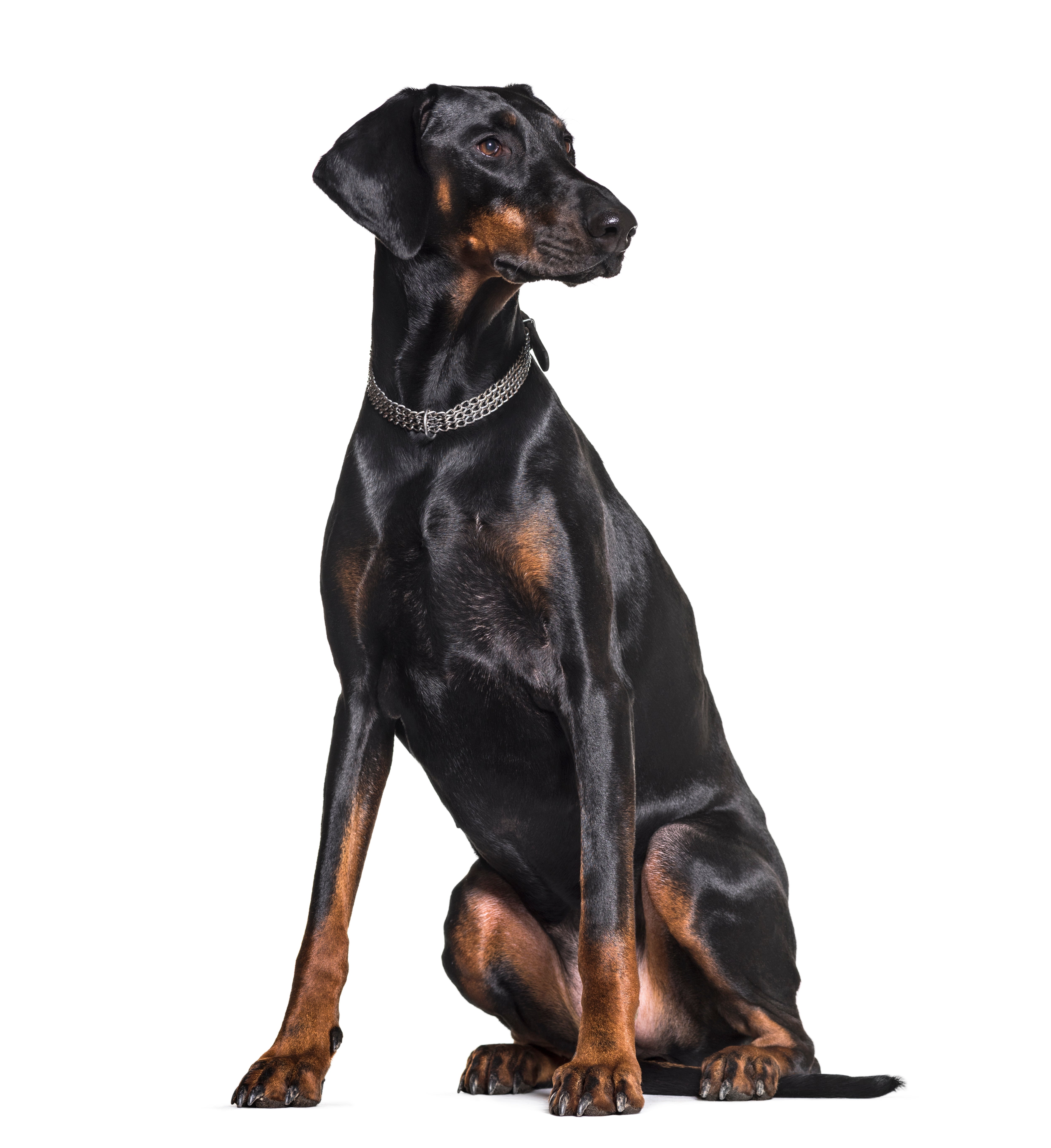
Doberman Pinscher
The Doberman is a sleek, fast, and incredibly intelligent breed.
- Temperament: Loyal, fearless, energetic
- Training: Requires advanced obedience work
- Family Fit: Great for active families with experience
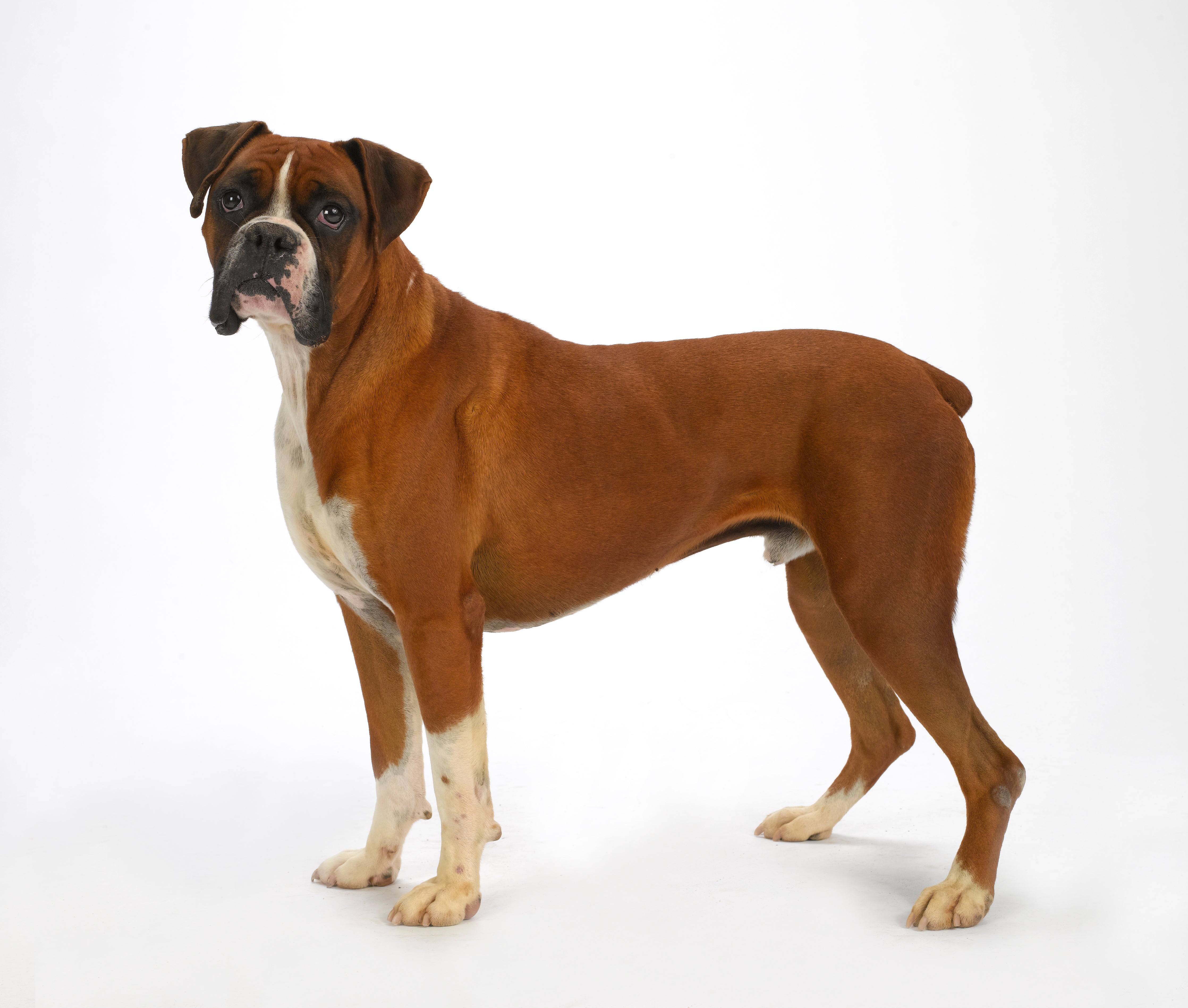
Boxer
Playful yet alert and loyal—the Boxer is a good guard dog breed for families.
- Temperament: Energetic, affectionate, vigilant
- Training: Responds well to positive reinforcement
- Family Fit: Excellent with children
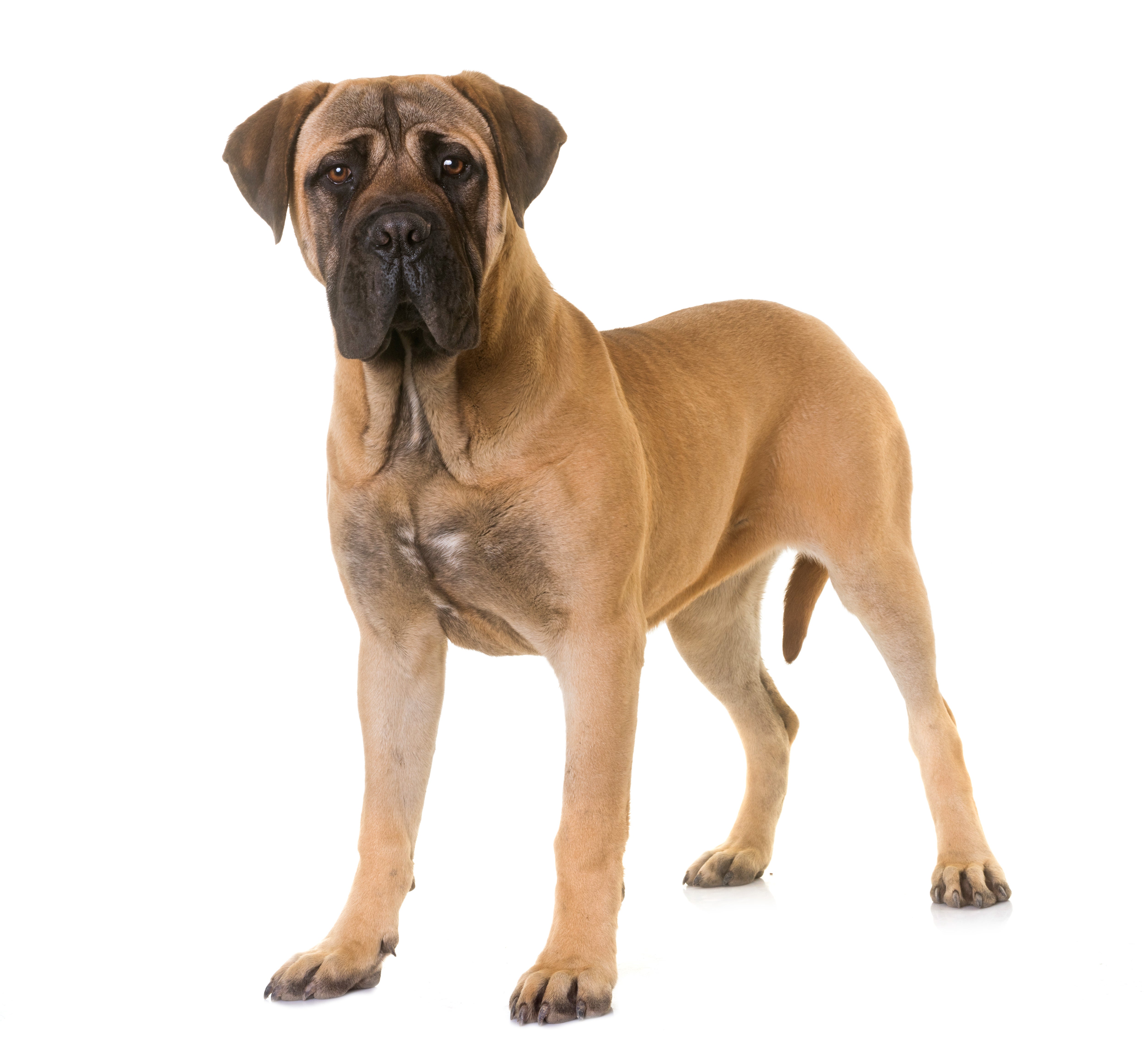
Bullmastiff
A strong silent guardian—the Bullmastiff is great for both homes and families.
- Temperament: Quiet, brave, affectionate
- Training: Early obedience crucial
- Family Fit: Gentle with children when properly trained
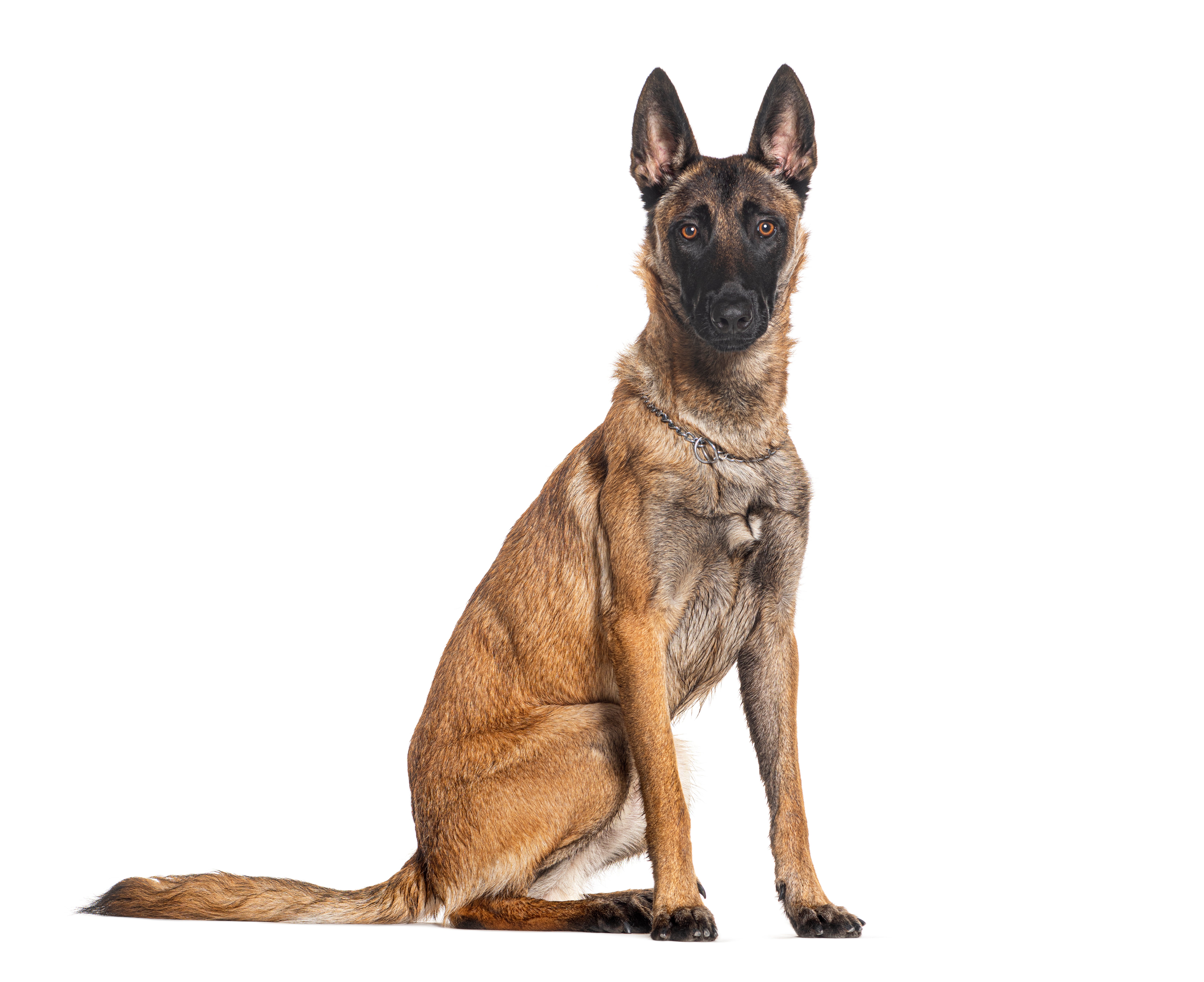
Belgian Malinois
Popular with police and military, the Belgian Malinois is highly driven and loyal.
- Temperament: Confident, hardworking, intelligent
- Training: Needs structured training and activity
- Family Fit: Best with experienced handlers
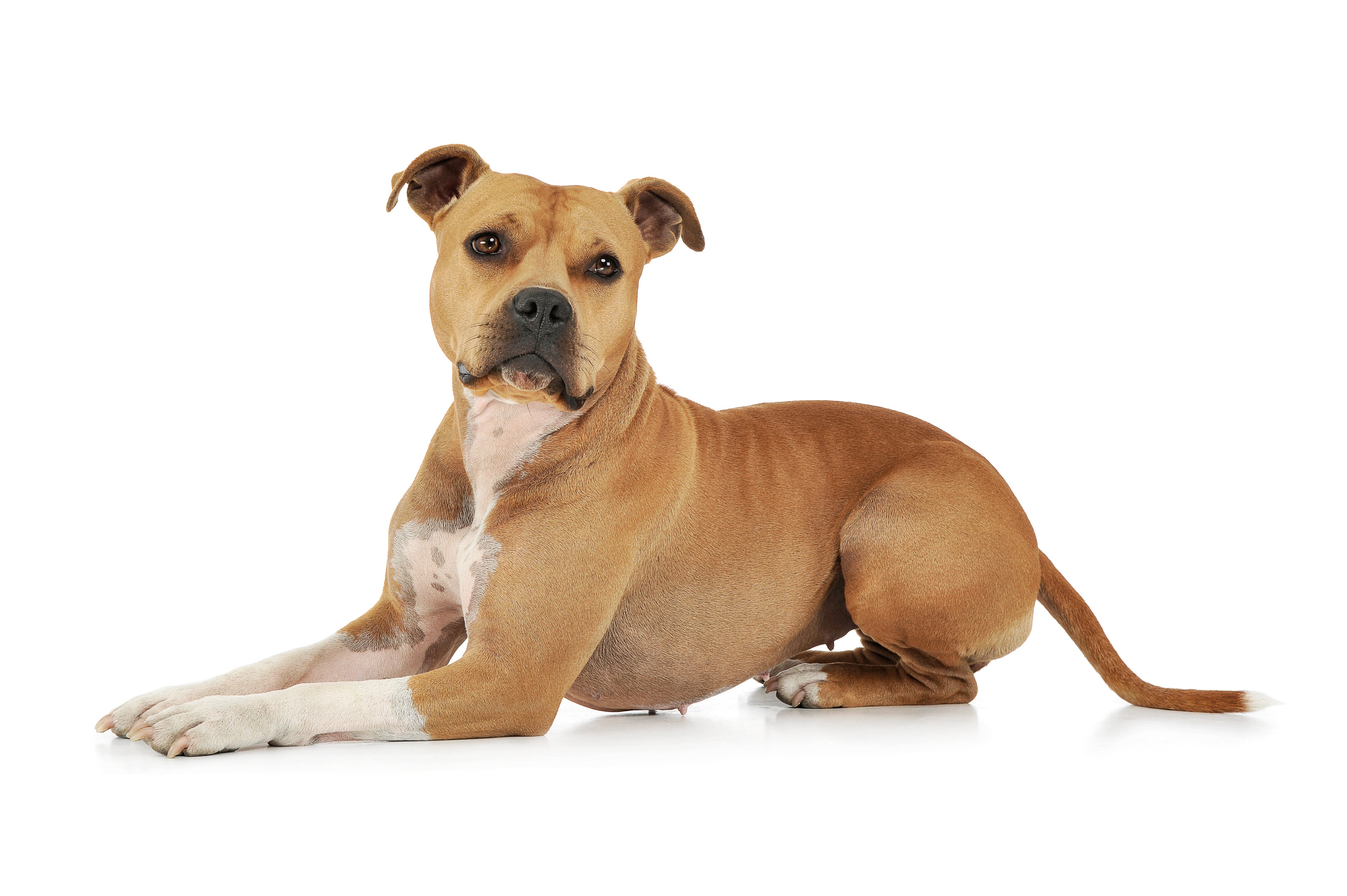
Staffordshire Terrier
The Staffordshire Terrier is a loyal, muscular short hair guard dog with a big heart.
- Temperament: Courageous, affectionate, loyal
- Training: Benefits from firm, positive guidance
- Family Fit: Great with families when well socialized
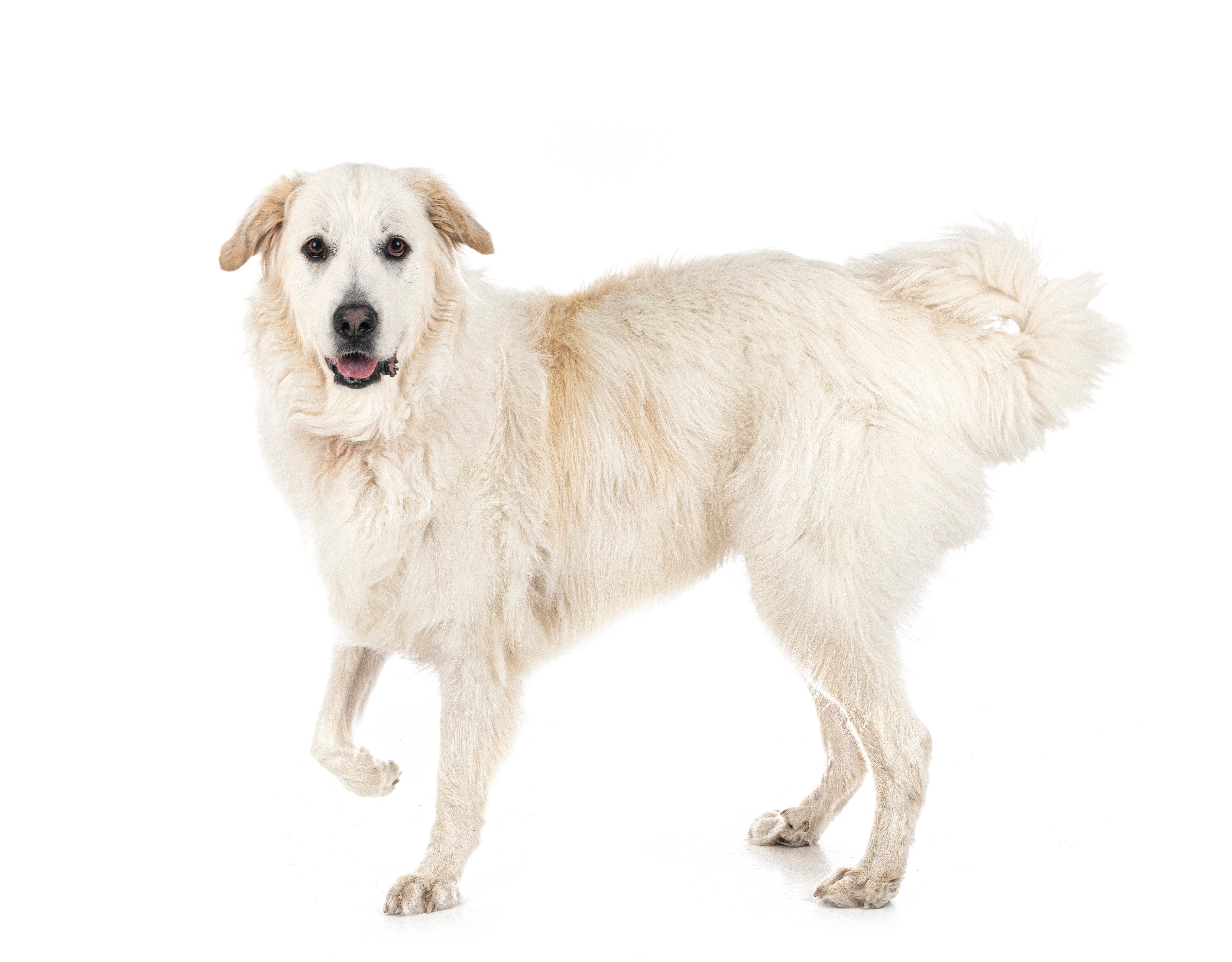
Great Pyrenees
The Great Pyrenees is a naturally protective and independent-minded breed.
- Temperament: Calm, patient, watchful
- Training: Needs early consistency
- Family Fit: Protective of children and home
Is a Protective or Guard Dog Right for You?
The best protective dog for you depends on your lifestyle and experience. Families with children may prefer a more even-tempered and tolerant breed like the Boxer or Bullmastiff, while someone living alone may benefit from the alertness of a Doberman or Belgian Malinois. Consider things like how much time you can commit to training, how active your household is, and how much space you have.
Key questions to ask prior to getting a guard dog:
- Do you have previous experience with dogs?
- Do you live in an apartment or a house with a yard?
- Do you have young children or other pets?
- How much time can you devote to training and exercise?
Choosing a protective dog breed that aligns with your way of life ensures a happier, more balanced relationship for both you and your pet.
Training a Protective Guard Dog
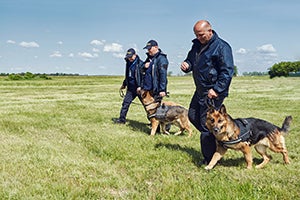
Even the best guard dogs need training to ensure they are effective and well-mannered. Training is essential for all dogs, especially those with strong protective instincts. Professional training helps shape their behavior and ensures safety for everyone.
Training should include:
- Basic obedience: Sit, stay, come, and leash manners.
- Socialization: Exposure to various people, pets, and environments.
- Advanced protection training: Only with certified professional trainers.
Figuring out how to find a good dog trainer can take some work, but the benefits of finding the perfect professional are numerous. You can easily start by searching for qualified trainers through the Association of Professional Dog Trainers (APDT) or your local humane society. You can also ask your veterinarian for further advice on dog training and where to find professional trainers near you.
Importance of Protective & Guard Dog Socialization
Socialization is a crucial component in raising a well-adjusted dog. For guard dog breeds, early and consistent social exposure helps prevent fear-based aggression and ensures they are safe around family and strangers alike. This also helps them to distinguish between real threats and everyday occurrences.
Benefits of proper socialization:
- Reduces anxiety and aggression
- Builds confidence
- Encourages adaptability in new situations
- Improved response to commands
- Safer behavior around guests and children
A well-socialized guard dog transforms their natural protective instincts into controlled, dependable behavior, making these dogs safer and more effective companions over the long run.
Legal Considerations for Protective & Guard Dog Ownership
Owning a guard dog can come with lawful responsibilities that vary by state, city, or country. You may need to carry extra liability insurance or adhere to strict fencing and containment rules.
Before adopting, always:
- Research breed-specific legislation in your area
- Understand local leash laws and containment requirements
- Secure proper homeowner or renter’s insurance coverage
- Consult landlords, if renting, or HOAs rules
- Understand liability laws in case of injury or aggression
This will prepare you and reduce potential legal ramifications of owning a protective dog breed, so that you and your family can keep your new or current buddy.
How to Choose the Right Guard Dog
Selecting a guard dog should involve careful consideration of your personal and family needs. Consider your lifestyle, activity level, dog-handling experience, and family composition. Do you need a high-energy guardian like the Belgian Malinois, or a steady, quiet presence like the Bullmastiff? Are you prepared for a dog that needs consistent mental stimulation and socialization? Thorough research and realistic expectations are key.
Factors to evaluate:
- Lifestyle and energy level
- Living environment
- Experience with dog training
- Presence of children or other pets
Once you have found the perfect companion, you can explore this article on how to pick the right name for your new protector: How to Choose the Best Dog Name.
Alternatives to Guard and Protective Dogs
While guard dogs offer a sense of security, they’re not the only option. You can also consider these alternatives or supplements:
- Home security systems
- Motion-sensor lighting
- Surveillance cameras
- Neighborhood watch programs
These options can be used either in tandem with or instead of a protective dog breed, depending on your needs and comfort level.
Owning a guard dog is a big responsibility. These dependable companions require thoughtful training, early and ongoing socialization, and consistent care to thrive in their role. The best protective dogs are those raised in a supportive, well-managed environment with owners who understand the responsibility involved. When done right, these dogs not only become guardians, but loyal and loving family members as well.
Whether you’re welcoming a short hair guard dog like the Staffordshire Terrier or a large breed like the Great Pyrenees, ensure you’re prepared for the journey ahead. Learn more with these helpful guides:
For more expert tips and information on other dog breeds, explore additional dog and puppy breed types articles.