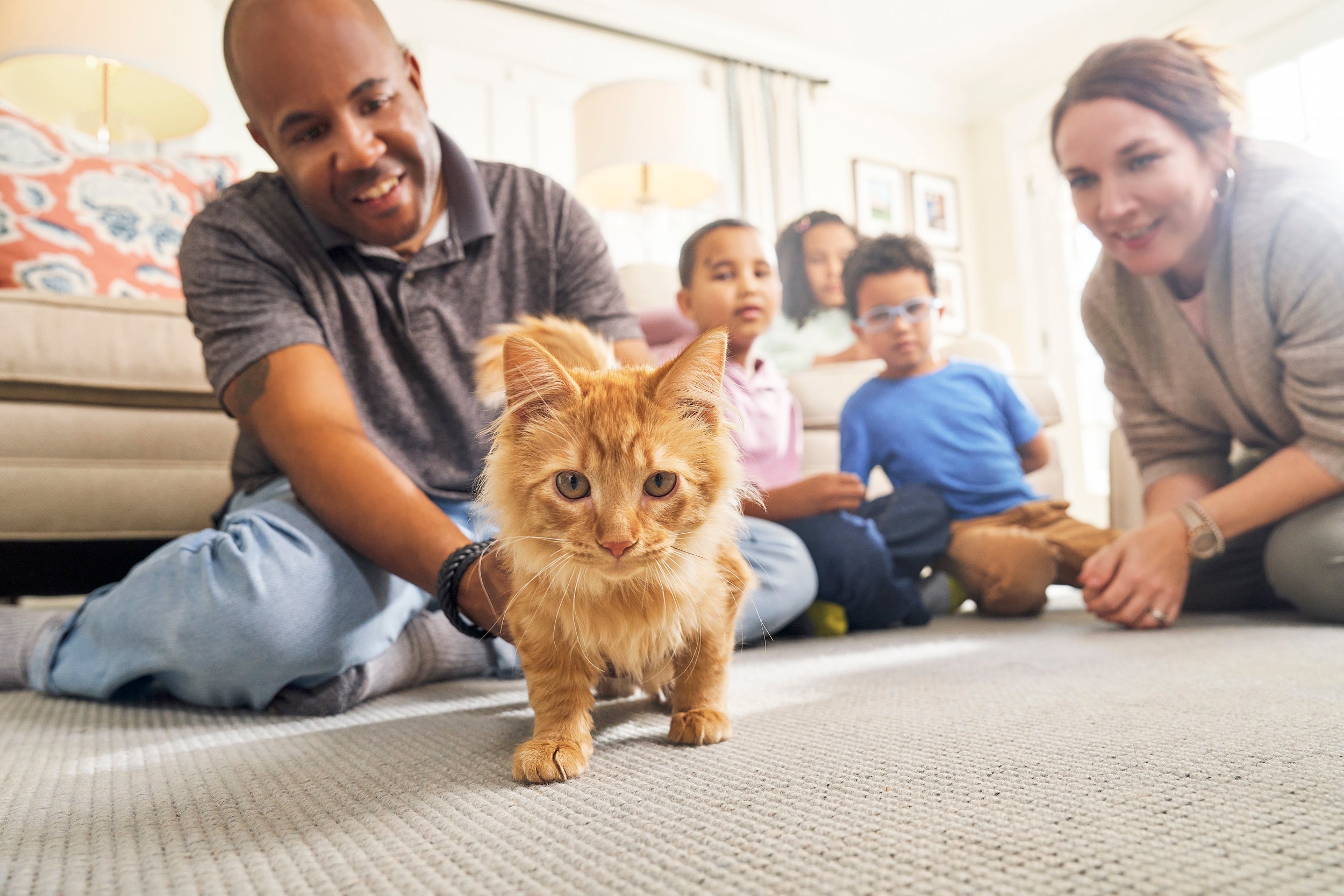
Note: While the breeds in this collection tend to be orange, individual pets will vary. Please consult the adoption organization for details on a specific pet.
Orange cats have a reputation for being outgoing and social cats. And while there are no genes that make them have such sparkling personalities, there are genes that play a big role in how they get their vibrant coat colors and why most orange cats are male. Here, find out more facts about orange cats, including the science behind their color, the difference between orange and tabby cats, and more.
What Exactly is an Orange Cat?
Ginger kittens, domestic cats, marmalades, and tabbies are some of the nicknames given to cats with orange coats. Orange cats are not a breed, but rather refer to a cat’s coat color. Breeds where orange-colored coats occur more often include Abyssinian, Somali, Maine Coon, and Cornish Rex cats.
The Many Shades of Orange: Tabby Pattern Details
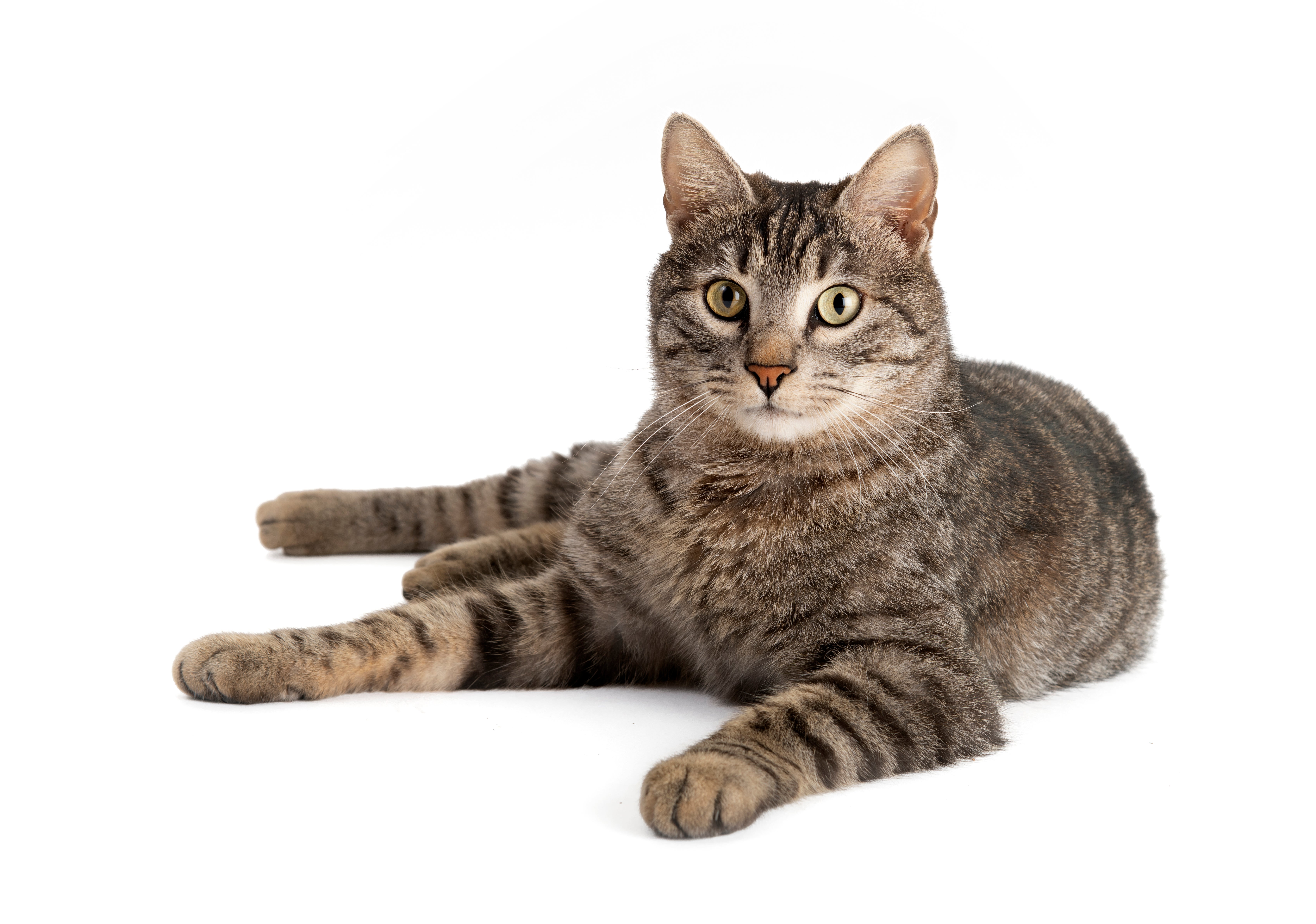
Tabby refers to the pattern on the cat, which can sometimes include orange, depending on the genetic makeup of the cat. Not all tabby cats are orange, but ginger cats can appear in several different tabby patterns:
- Mackerel: An orange-striped cat is likely a Mackerel tabby. This pattern usually presents as stripes on the body, but an M shape can also appear on this tiger-like cat’s forehead, almost like a little crown.
- Classic tabby: Classic tabby cats look like they have tie-dyed coats. They are thick and swirling, which can also look like a bullseye.
- Ticked: Ticked tabby cats have an almost speckled coloring, with individual hairs banded with light and dark pigment. They look most similar to solid orange cats.
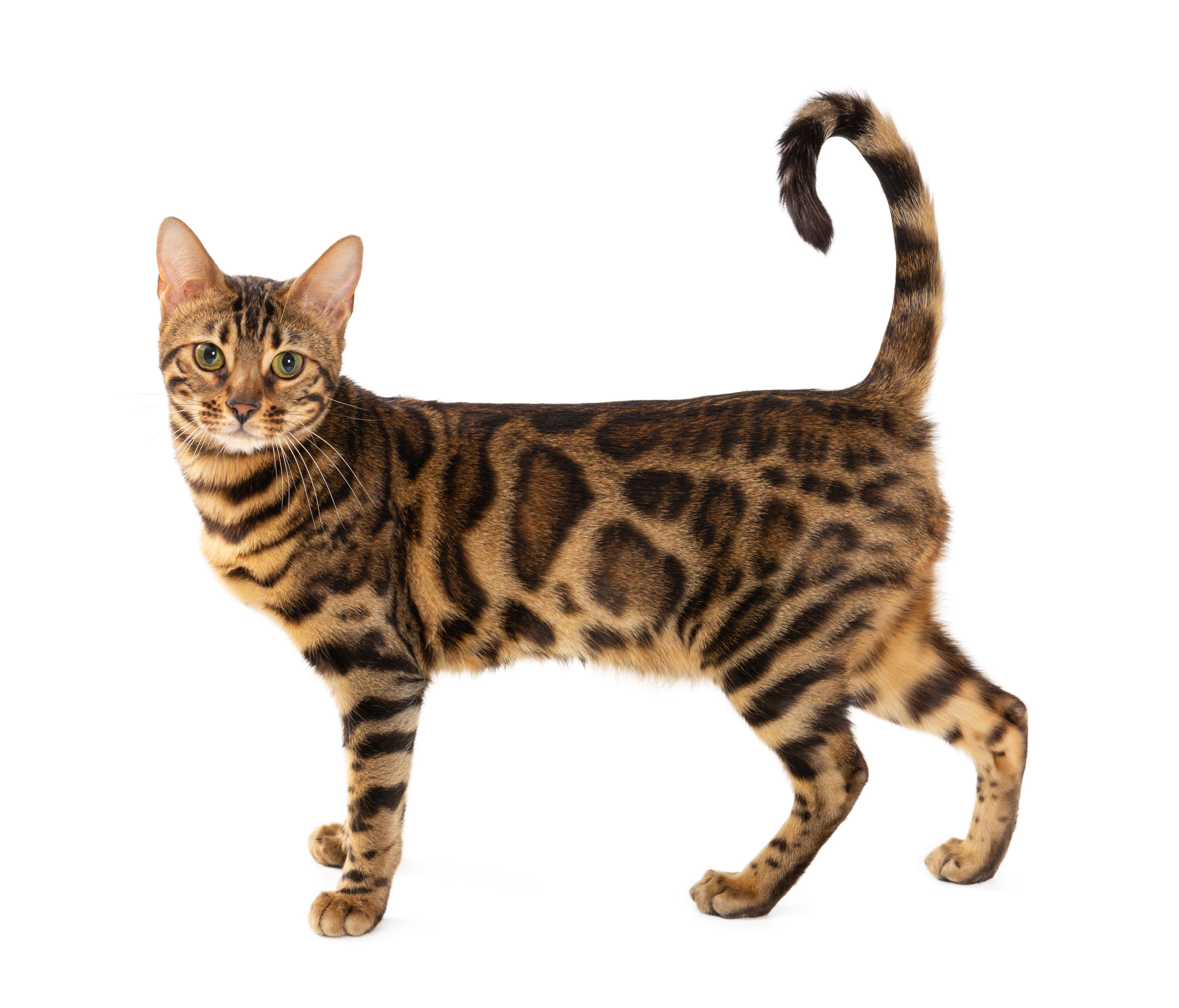
- Spotted: A spotted tabby cat has spots on their coat. It’s mostly seen in Bengal cats.
- Patched: A patched tabby has a mix of spots and stripes throughout the coat.
15 Common Orange Cat Breeds
While there's no such thing as an orange or ginger cat breed, and most orange cats tend to be mixed with other colors, there are certain breeds that are more likely to come in shades of orange:
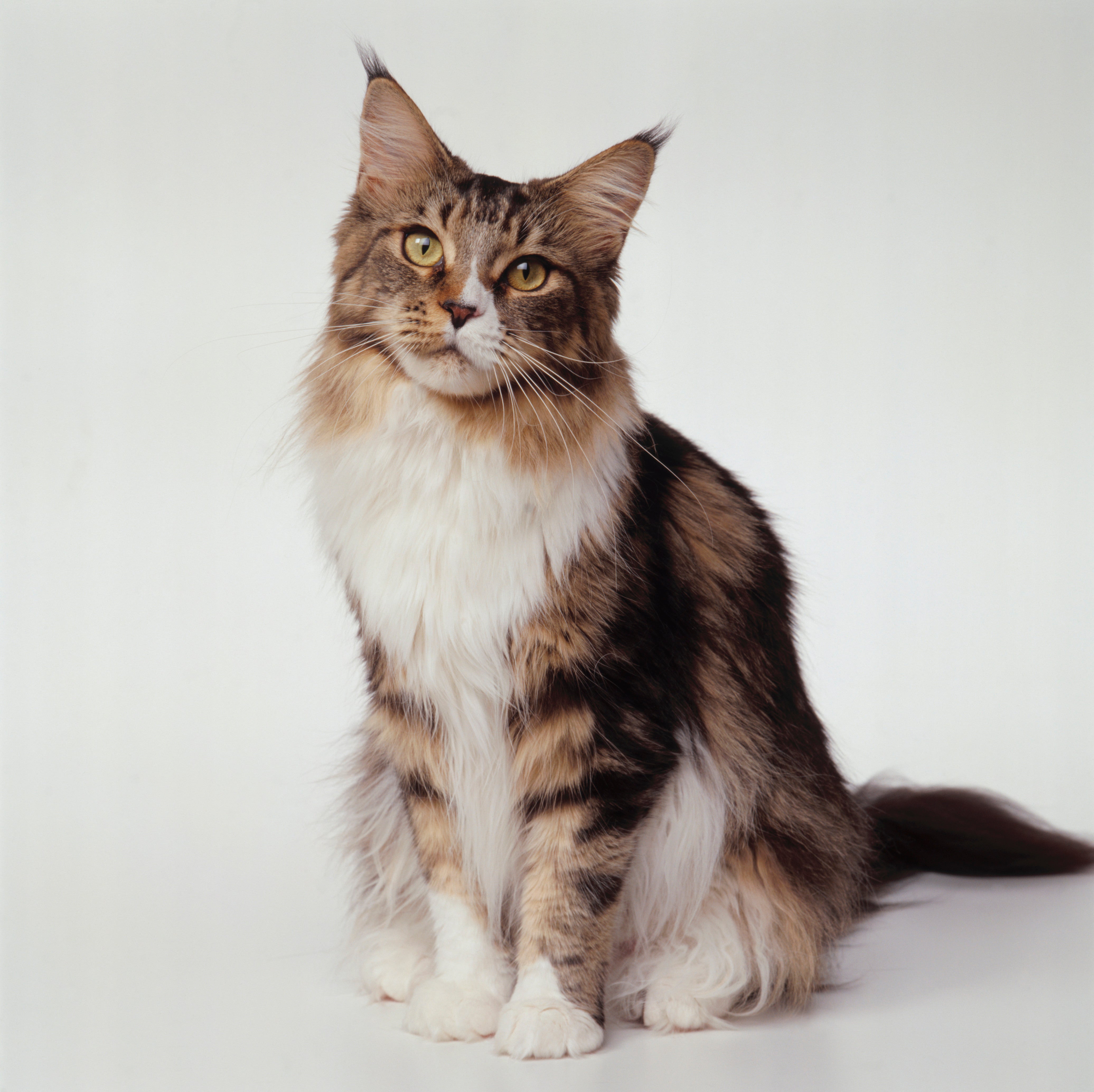
- Maine Coon Cat: Maine Coon cats are vocal, outgoing, and loving cats. They are large cats, sometimes reaching up to 20 pounds or more. They love to be a part of the family and are very bright cats. Watch out for water—Maine Coons adore it. They might turn on a faucet or jump on a ledge in the shower if you have one. They come in 64 different markings, including shades of orange.
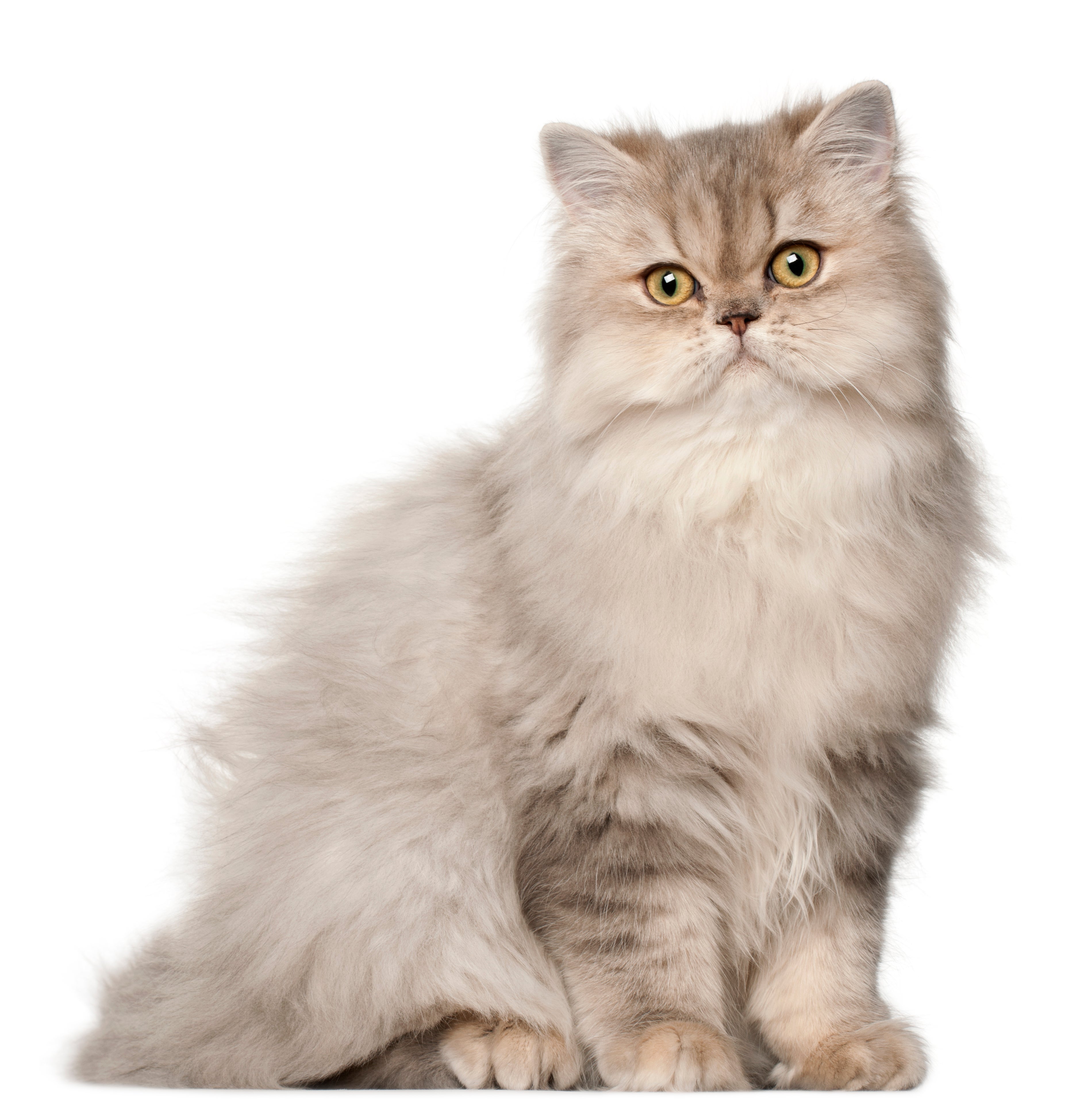
- Persian Cat: Chill and easygoing, the Persian is a sweet and gentle-natured cat. They love lounging about the house watching their families, and sometimes will get a case of the cat zoomies. Smart but not nearly as curious or mischievous as other cats, they bond strongly with their people. They crave attention but won’t beg you for it or become annoying if they don’t get it. Cameo, a shade of red-orange, is one of the colors their coats come in.
- American Shorthair Cat: History buffs will be interested to know that the American Shorthair came to America in the 1600s, possibly aboard the Mayflower. Fun-loving and laid-back, these cats are a good mix of independent and attention-seeking. Overall, they are quiet and calm, and they can entertain themselves, which makes them good for families who are active outside the home. Orange American Shorthair cats can be ticked, ticked tabby, or mackerel.
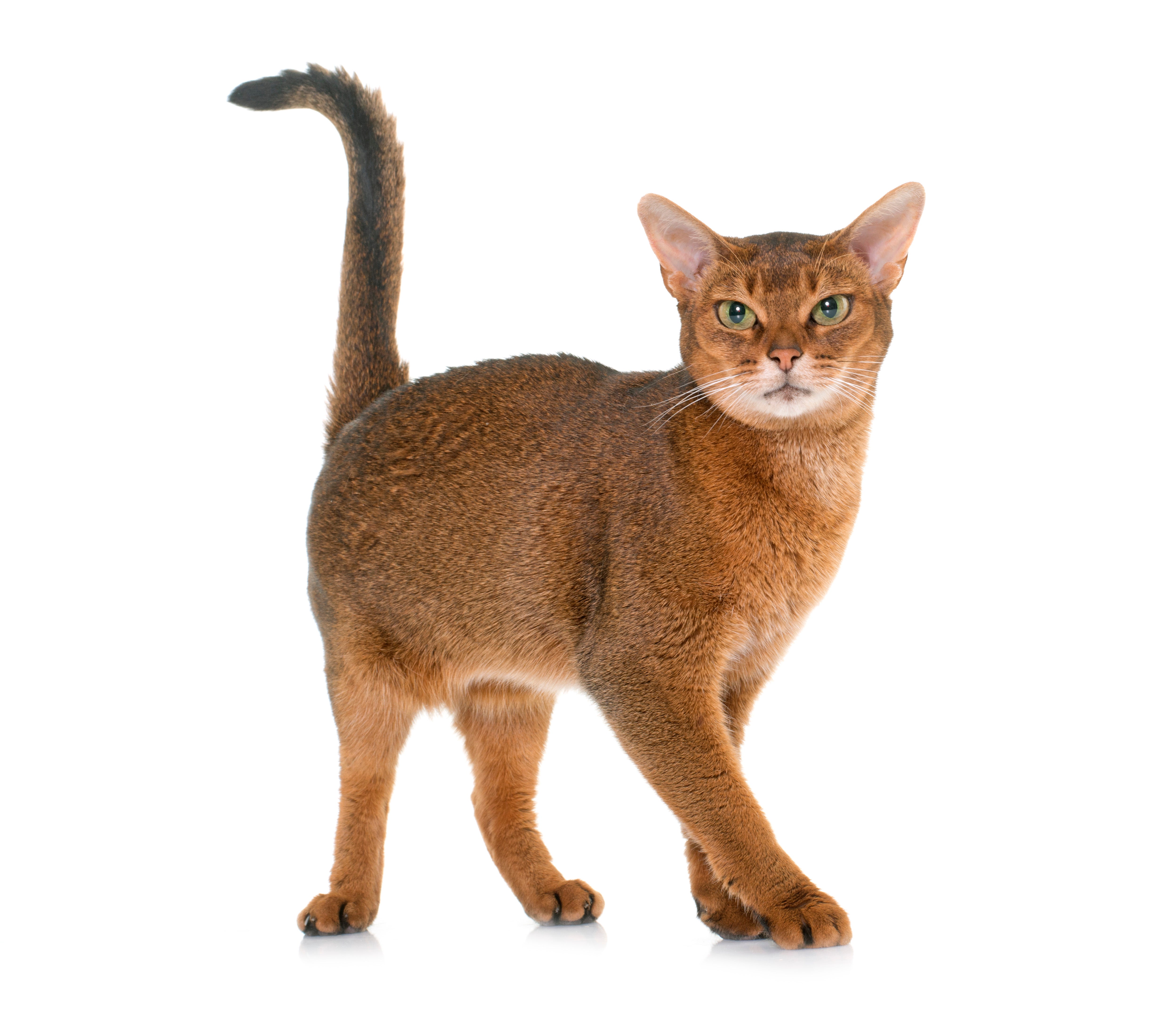
- Abyssinian Cat: Social and inquisitive, Abyssinians are high-energy cats that need their energy exhausted every day. They are loyal and affectionate, but good luck getting them to sit still on your lap or anywhere else. Fawn, red, and cinnamon are some of the orange shades these cats come in.
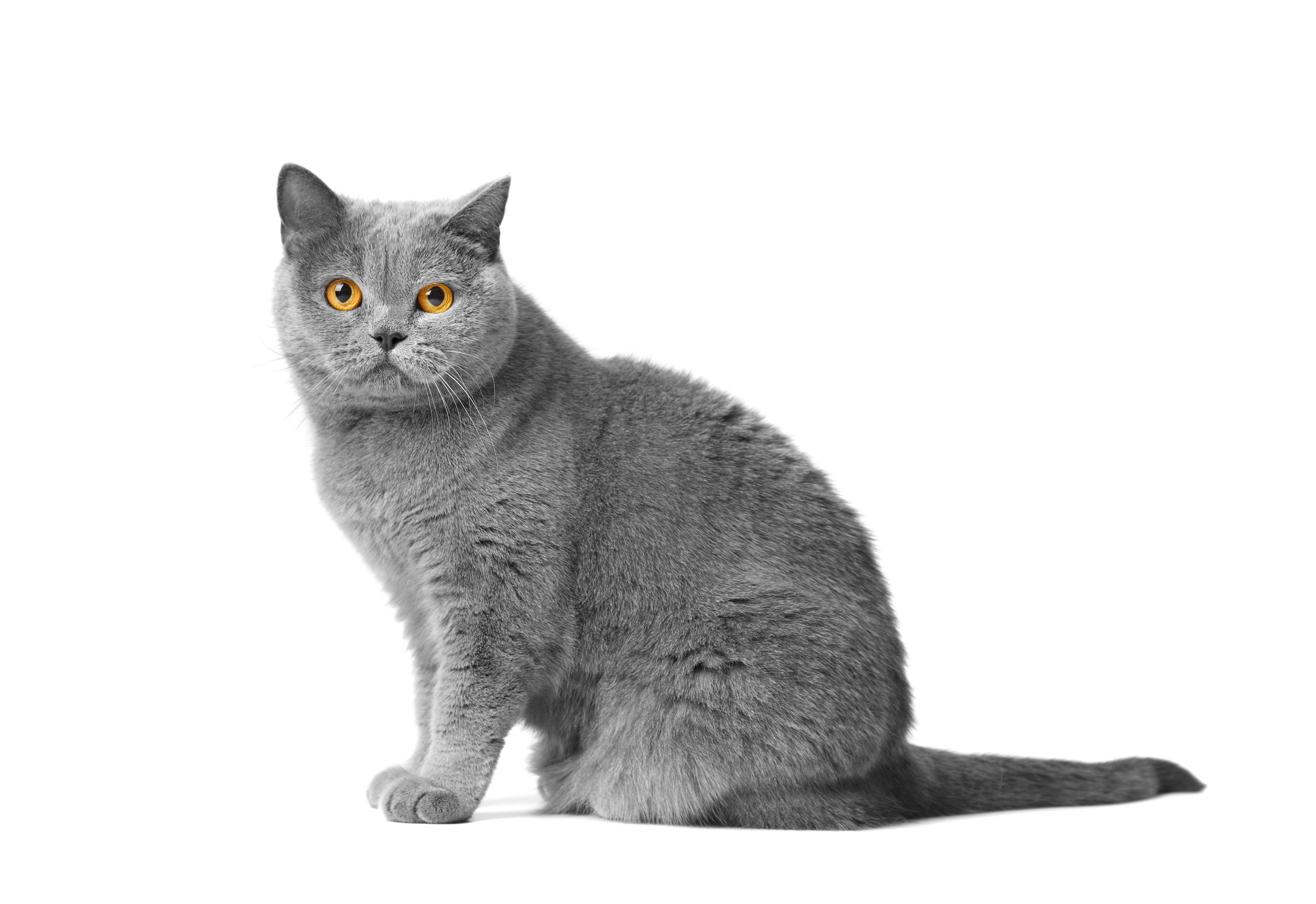
- British Shorthair Cat: While their nickname is British Blue, hinting at the gorgeous gray color many British Shorthairs come in, a British Shorthair ginger cat is also common. Mischievous, curious, and affectionate, they are known to cause a little chaos in an endearing way. They can be quiet and even-keeled when not on a shiny object run.

- Scottish Fold Cat: Their small, folded ears give this cat their name. The Scottish Fold is a friendly, easygoing, and loving cat. They love to get attention but won’t bother you about it, and are devoted without being on top of you 24/7. Play a few string games with them, give them some good pets, and they’ll be yours forever. They can come in orange colors.
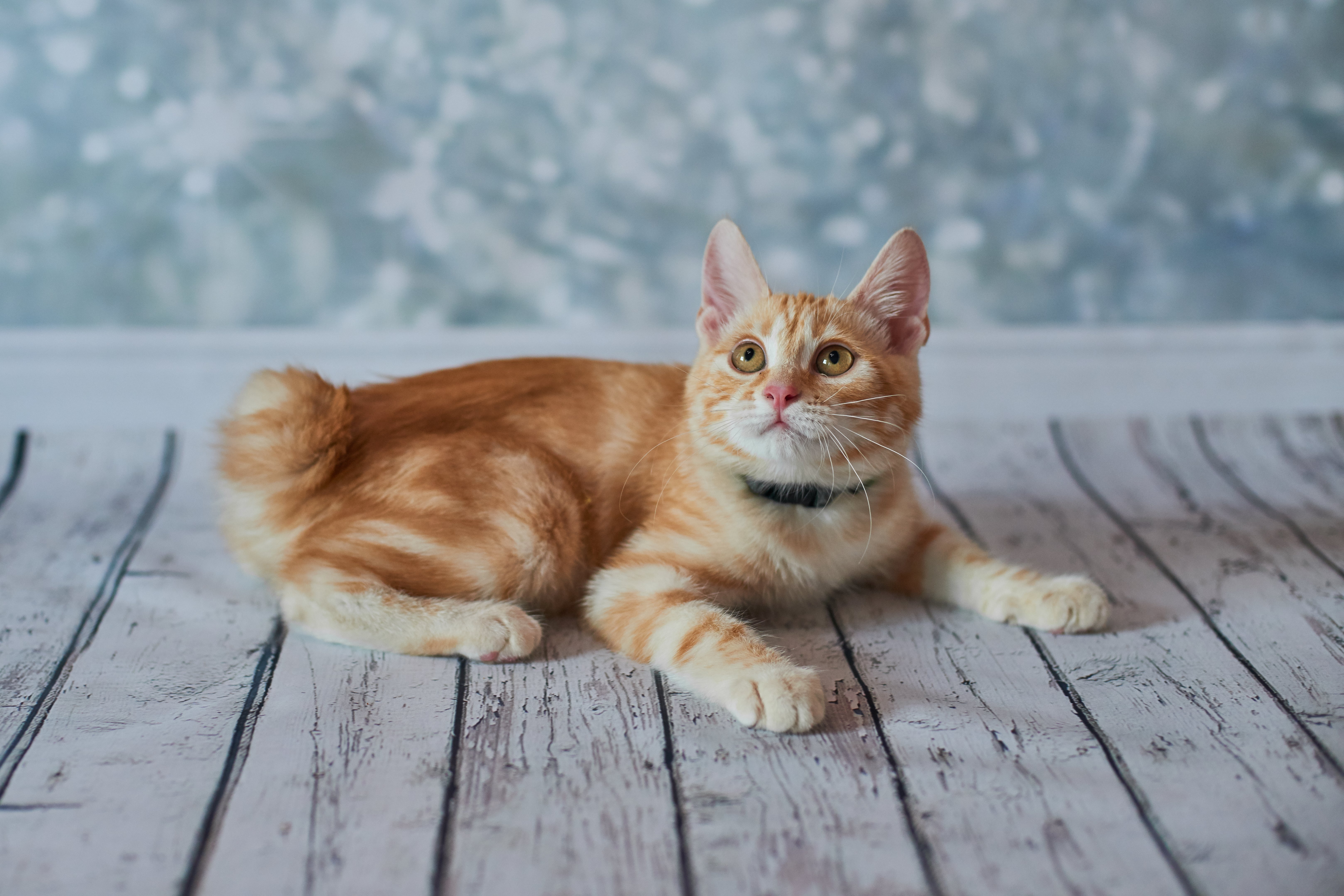
- American Bobtail Cat: The American Bobtail has a short tail and looks wild, although they’re 100% cuddly, happy to sit in a sunny spot and watch the world go by. Outgoing and sweet, these brainiacs love to play. They’ll get your attention for a game by jumping in your lap. While not super prevalent, you can find an orange American Bobtail Cat.
- Bengal Cat: Athletic, smart, and wild-looking, the Bengal is a playful and self-assured cat. They love people and are highly active, playing on cat trees or with food puzzles. Their charming marble spotted coat comes in shades of brown and orange.
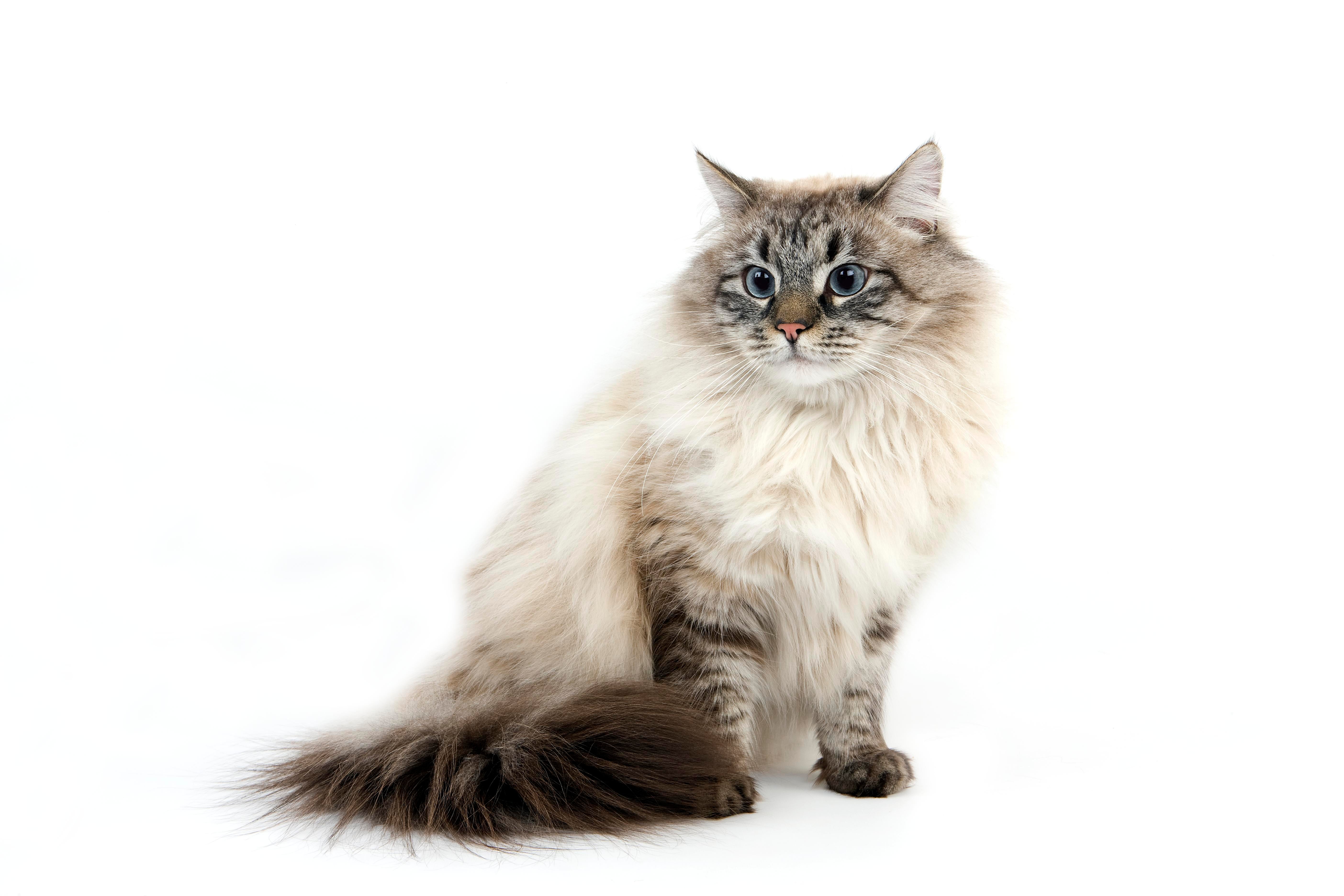
- Siberian Cat: Independent and easy to please, Siberians love their families. They are good problem solvers and love to play. If you don’t love a cat convo every now and then, the Siberian might not be a good fit–they’re chatty cats that love to express their opinions. Keep an eye on your faucets, as Siberians love water and can get up to some antics around them. Orange Siberians usually have white markings.

- Munchkin Cat: Small but mighty, the Munchkin has short legs. They don’t know they have any disadvantages, though, as they are confident and friendly cats. (Really, the only disadvantage is that they can’t jump.) Little magpies, they’ll take anything shiny around the house and squirrel it away for later. Easygoing and able to get along with others, Munchkins are sweet cats and can come in shades of orange.
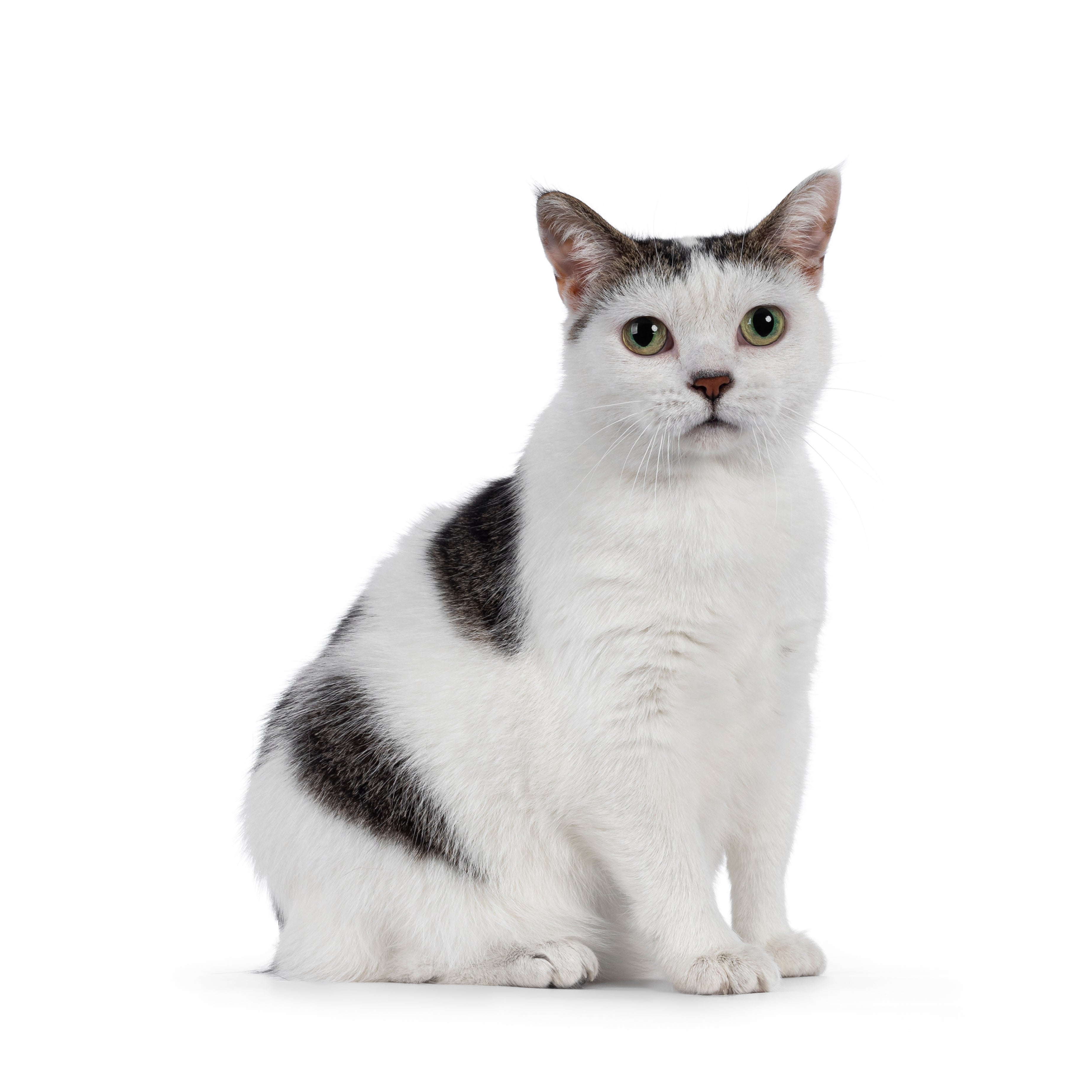
- Manx Cat: The tailless Manx cat is a fun-loving and bubbly cat that gets along well with most people and pets. They love their families and want quality playtime with them. They prefer quieter households but are adaptable cats and can do well in any situation. They love climbing and jumping, so give them plenty of places to do so. Orange Manx cats can be tortoiseshell or tabby.
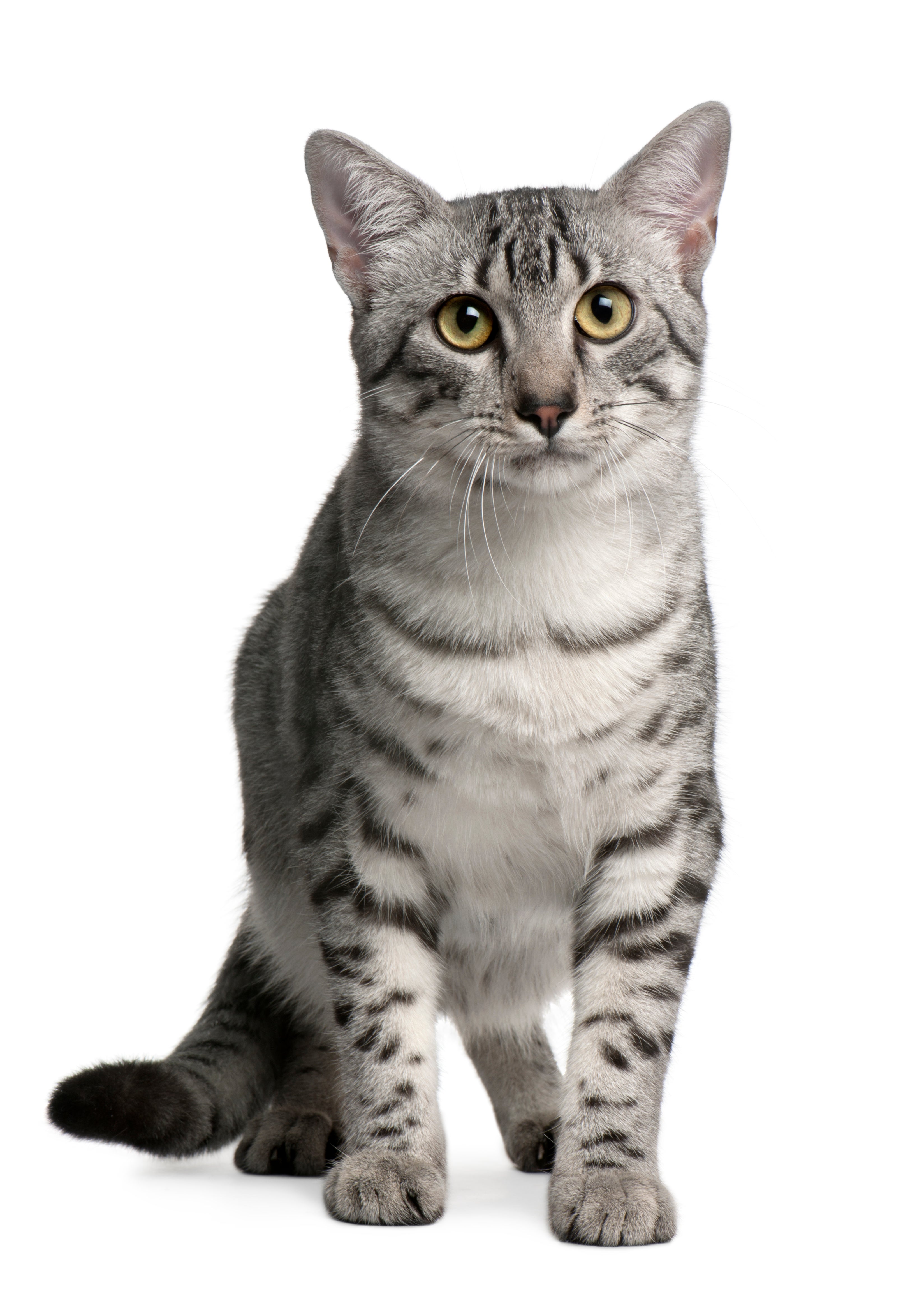
- Egyptian Mau: Many think of the silvery-blue coat of the Egyptian Mau, but they can come in other colors, including orange. Clever, outgoing, and loyal, they love to be with their owners and have no problem curling up in your lap, whether you want them to or not. They chirp and love to talk, so be prepared to have a gossip session with your Egyptian Mau.
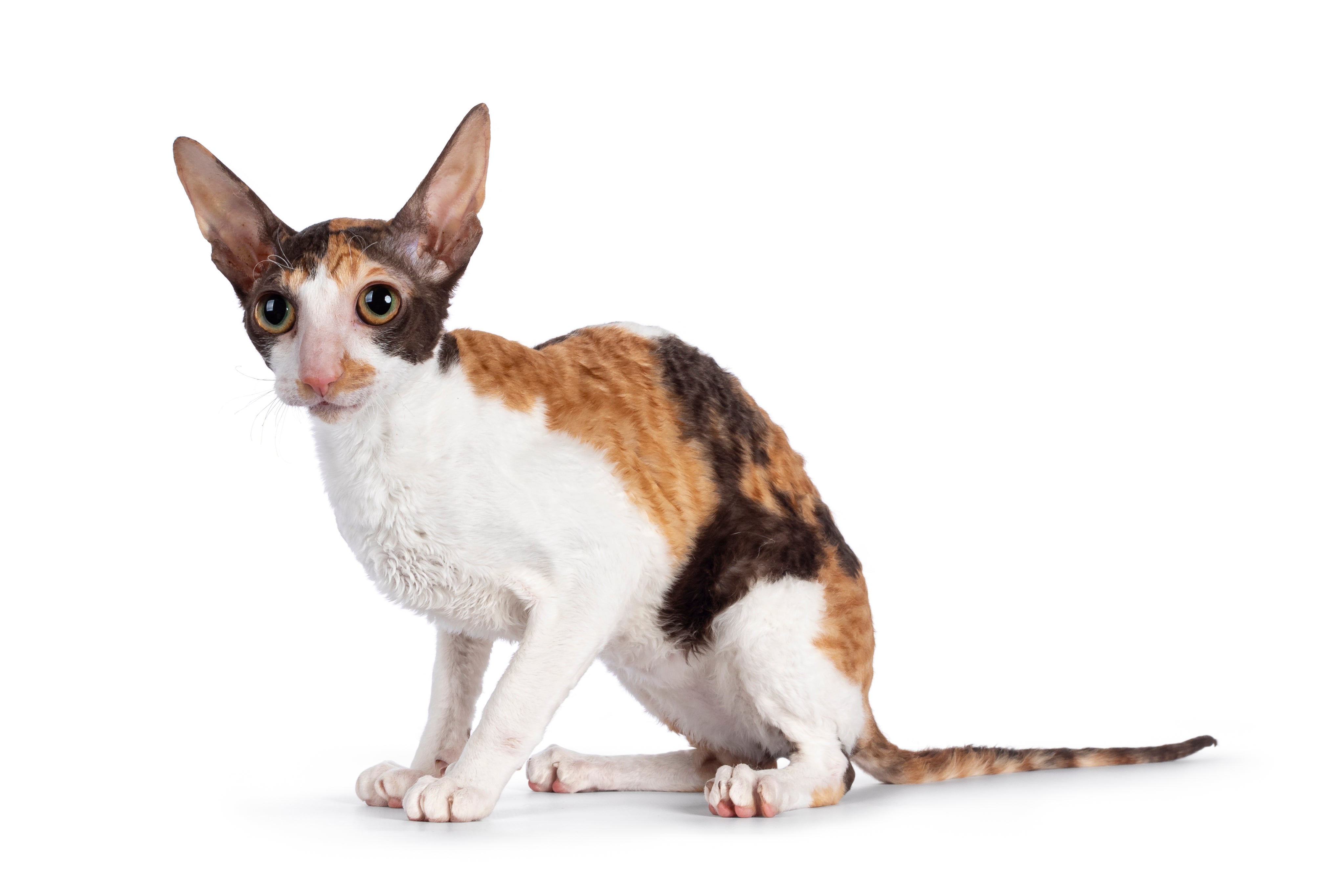
- Cornish Rex Cat: Cornish Rex cats have wavy fur and can come in many orange styles, such as tabby, tortoiseshell, calico, and bicolor. They have a wedge-shaped head and large ears. Smart and bursting with energy, they keep a kitten-like enthusiasm for many years. They love to play and explore, although sometimes their nosiness can go too far.
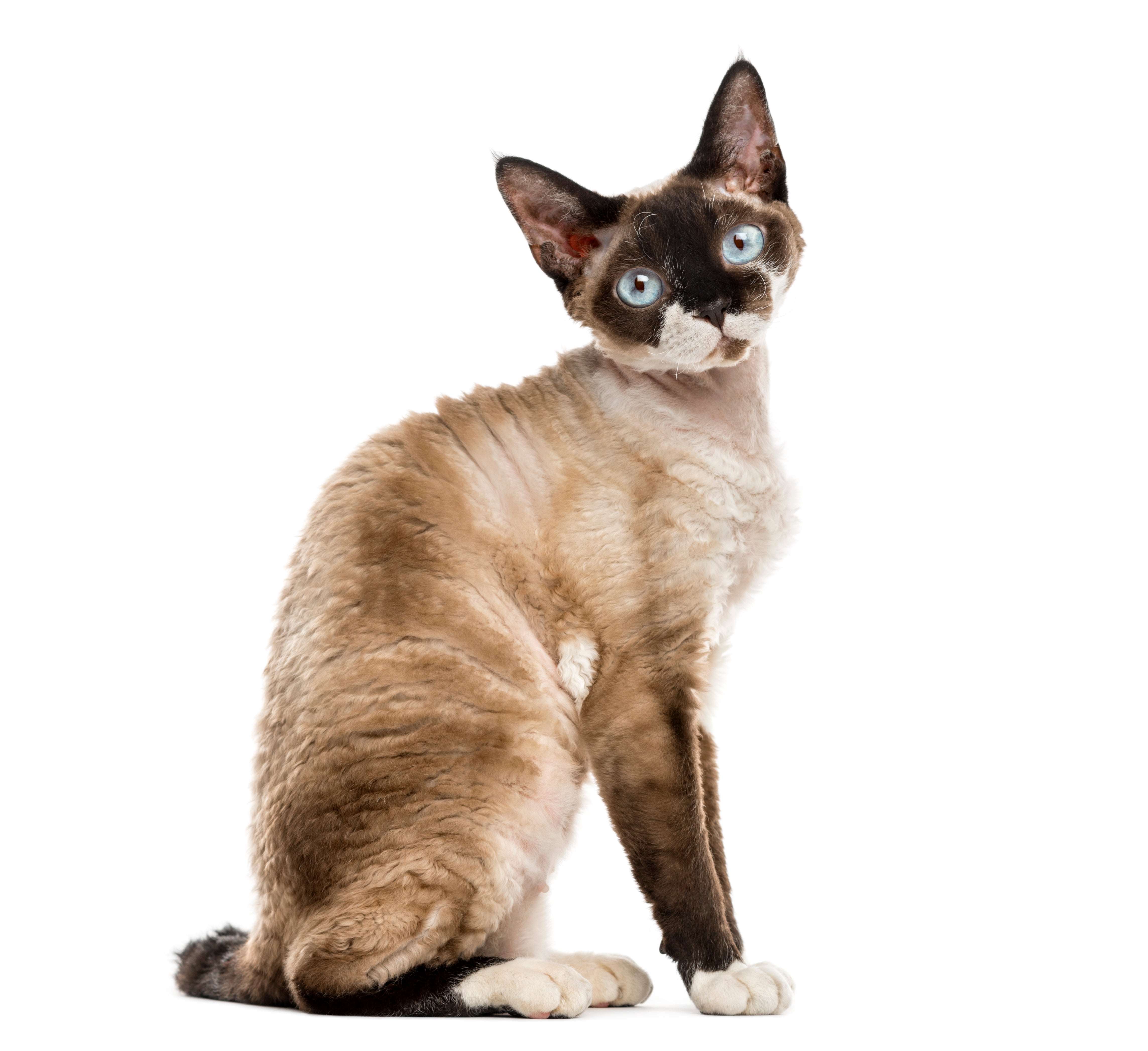
- Devon Rex Cat: Like the Cornish Rex, Devon Rex cats have wavy or curly coats, which can be orange and may or may not have white markings. They are high-energy cats, elbowing their way into whatever you are doing. They love attention and aren’t afraid to ask for it. Give them plenty of mental stimulation to get them to relax.
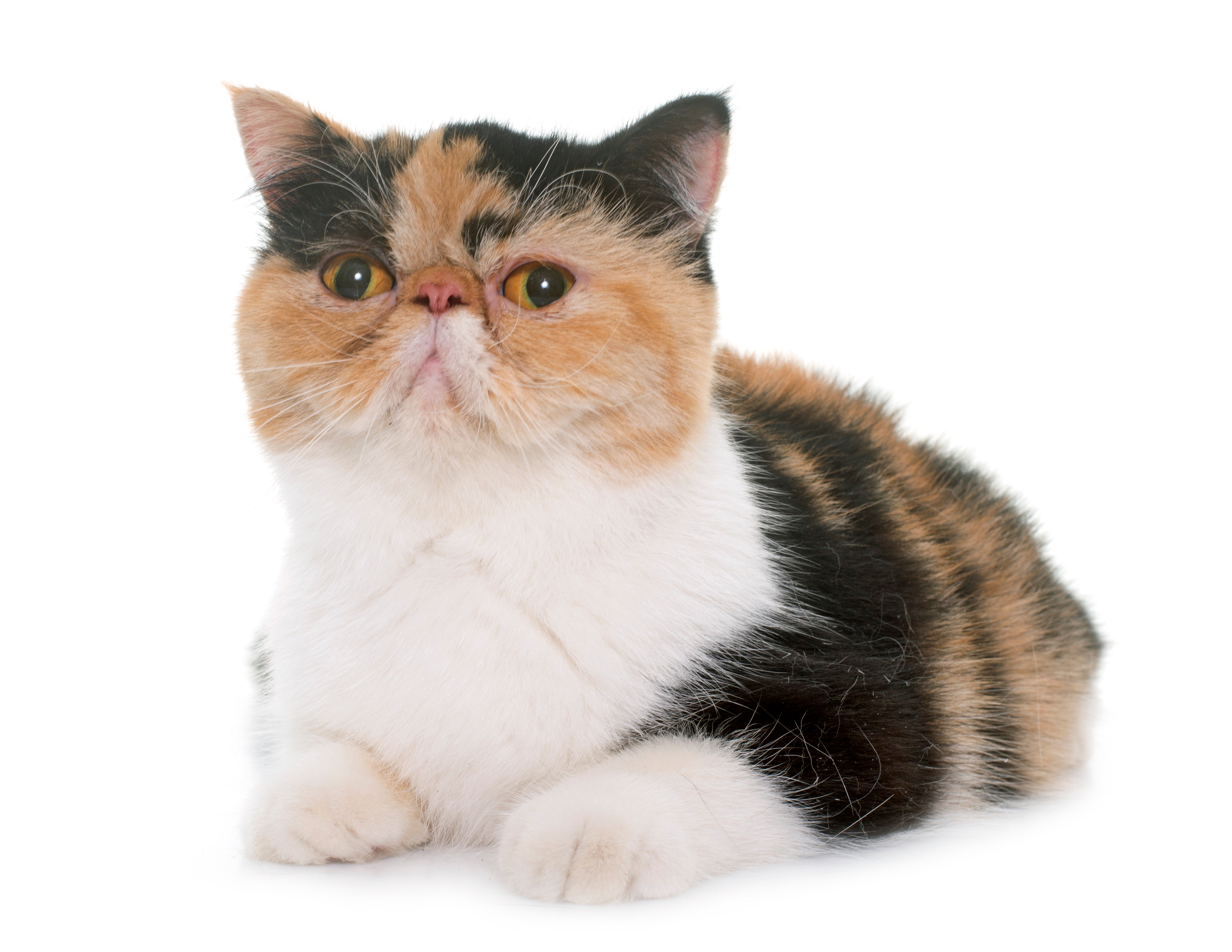
- Exotic Shorthair Cat: Exotic Shorthair cats are similar to American Shorthair and Persian cats and can also be orange. Couch potatoes half the time and ready to play the other, they are laidback and go-with-the-flow cats.
Are Orange Cats Usually Male? Explaining Cat Genetics
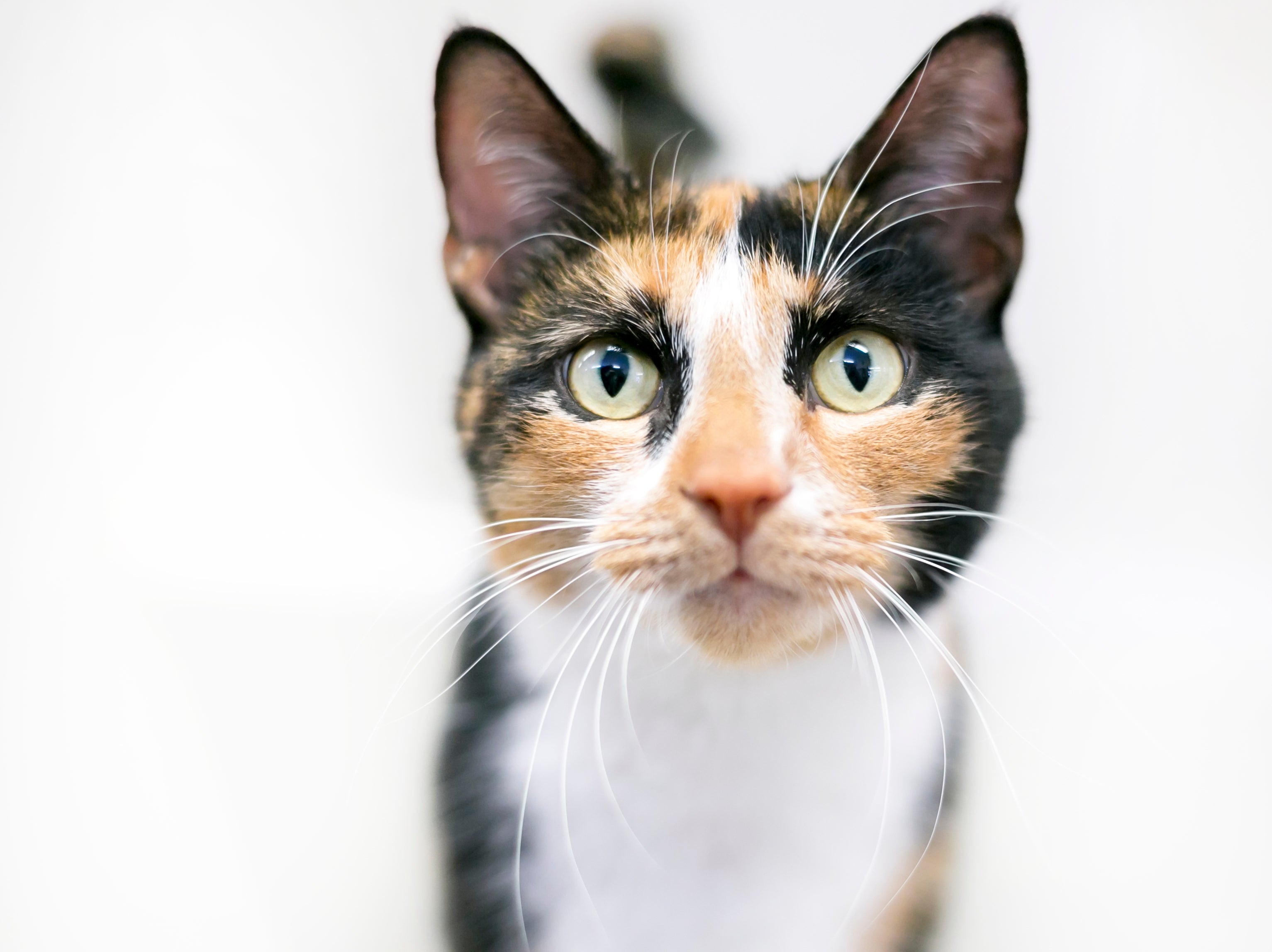
Understanding cat genetics can help explain why orange cats are almost always male. One cat gene is responsible for coat colors. This gene is on the X chromosome, which male cats have in addition to a Y chromosome. If a male cat has this gene, it can produce an orange coat. Female cats have two X chromosomes. Both chromosomes need to have this gene for a female cat to be orange. If female cats have it on one chromosome, they’ll be patched or have orange mixed with other colors in a calico or tortoiseshell pattern.
Most orange cats are male because of the single X chromosome that carries the gene. Female orange cats are rare, and they are more likely to be tortoiseshell or calico.
Orange Cat Personalities
So, what is special about orange cats? Many people believe that an orange cat’s coat color has a direct link to its personality because many orange cats are fun and friendly. However, this is an orange cat myth, and there’s nothing scientific to back this up. (Take Garfield’s uncharming personality as a prime example of the opposite!) Male cats are slightly friendlier than female cats, and since most orange cats are male, people assume that orange cats are outgoing. Male orange cats can be mellow or they can be energetic.
Likely thanks to Garfield, orange cats have also somehow gotten the reputation of being lazy, although this is not true. They are also considered lucky by some cultures, such as the Japanese and the Scottish. All these conflicting assumptions boil down to one thing—orange cats come in a wide range of personalities.
Health and Lifespan of Orange Cats
An orange cat’s lifespan isn’t specific to their coloring, and most adult orange cats can live into their late teens or even early twenties. Their lifespan is the same as the rest of the breed they belong to, and it has nothing to do with their coat color. However, there are a few additional health considerations for breeds that can have orange cats:
- Flat faces: Persians and Exotic Shorthairs can have respiratory problems, dental issues, and tear staining thanks to their flat, short faces. They will need extra help grooming themselves to prevent matting.
- Manx syndrome: Manx cats suffer from Manx Syndrome, a spinal condition responsible for their stubby tails. It can also affect their bowel, bladder, and hind legs.
- Heart problems: Breeds like Cornish Rex and Devon Rex might be more prone to heart problems.
Famous Orange Cats
Orange cats have had their charm represented in film and television, such as:
- In Breakfast at Tiffany’s, the main character Holly Golightly did not give her orange cat a name, but the name of the cat actor was Orangey Minerva. He won two awards for the performance.
- The comic cat Heathcliff is a good representation of the assumption that some orange cats are mischievous.
- Hermione from Harry Potter had an orange Persian named Crookshanks.
- Who isn’t charmed by Garfield’s lack of charm? The comedic, grumpy, and sarcastic comic strip cat is almost 50 years old.
- Bi-colored orange cat Orion was featured in Men in Black.
- Puss in Boots is a comedic star in the Shrek series.
- Milo was an orange cat featured in Milo and Otis.
Adopting an Orange Cat
Orange cats aren’t a specific breed. Orange refers to their coat color only. Many people assume orange cats are friendly, and many are, but it’s down to the breed type and the cat’s personality—something you can experience by spending time with the orange cat you want to adopt. Regardless of their coat color, all cats deserve a loving environment, and you should consider how much time and attention you can give a cat before bringing them home.
Conclusion
Orange cats include a wide range of breeds, personalities, and behaviors, with truly something for everyone. If you’re researching orange cats for adoption, it’s important to have this information to make your decision. If you’re ready to adopt, it’s time to start thinking about the fun stuff—cat names!
For more expert tips and information on other cat breeds, explore additional cat and kitten breed type articles.