Note: While the breeds in this collection tend to be friendly, individual pets will vary. Please consult the adoption organization for details on a specific pet.
Cats are known for being independent and often defiant, but many breeds are social and affectionate. There are certain cat breeds that enjoy the company of humans, love to interact with them, and are generally laid-back and cheerful beings. Here’s what you need to know about the friendliest cat breeds, including how to understand and interpret cat behavior and how to have a good relationship with your friendly cat.
What Makes a Cat Breed Friendly?
With the disclaimer that every cat will have its distinct personality, some cat breeds are more social and crave more companionship than others. Knowing which cats are friendliest can go a long way. Friendly cats are playful without being aggressive about it, tolerant of being touched, and enjoy interacting with humans and other animals. They could talk with you, enjoy pets and cuddling, and be fairly adaptable to new situations, such as guests. They might be the kind to greet you at the front door, follow you around the house, or curl up in your lap while you watch television. Genetics plays a role in the friendliest cats, but so do factors like socialization and their environments.
Top 10 Friendliest Cat Breeds
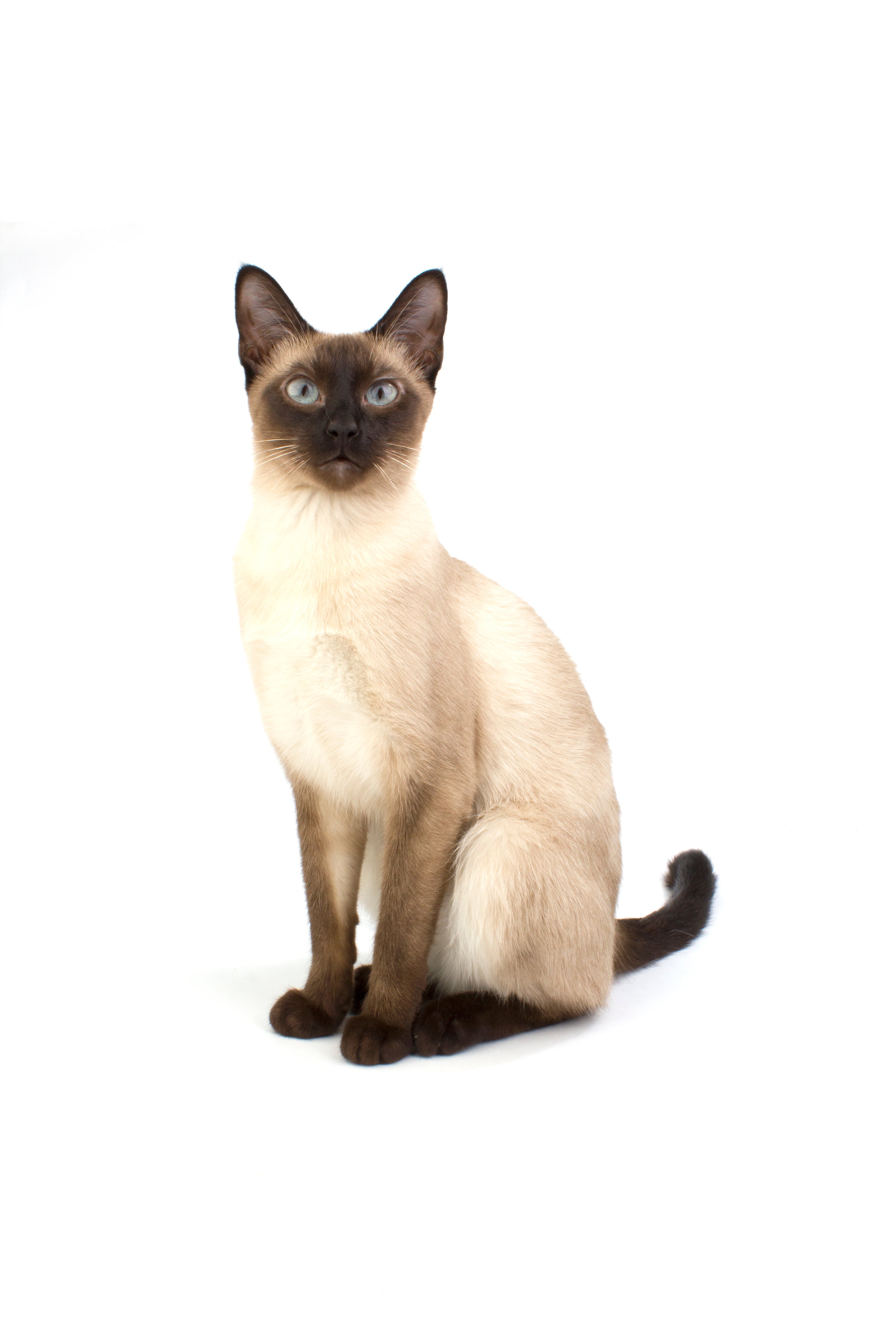
Siamese Cat
Piercing blue eyes and beautiful color points get Siamese Cats a lot of love in the cat world, but so do their sparkling personalities. They are outgoing, chatty, and attention-seeking cats that enjoy “talking” extensively with their owners in their low-pitched voices. Siamese cats form strong bonds with their families, love playtime, and are highly intelligent. They are a friend to all, including other animals and children, and love following their owners around.
They can become lonely and potentially destructive if left alone for too long, though. Owners should be home often and engage with them regularly. The more affection you give a Siamese, the more they’ll give back.
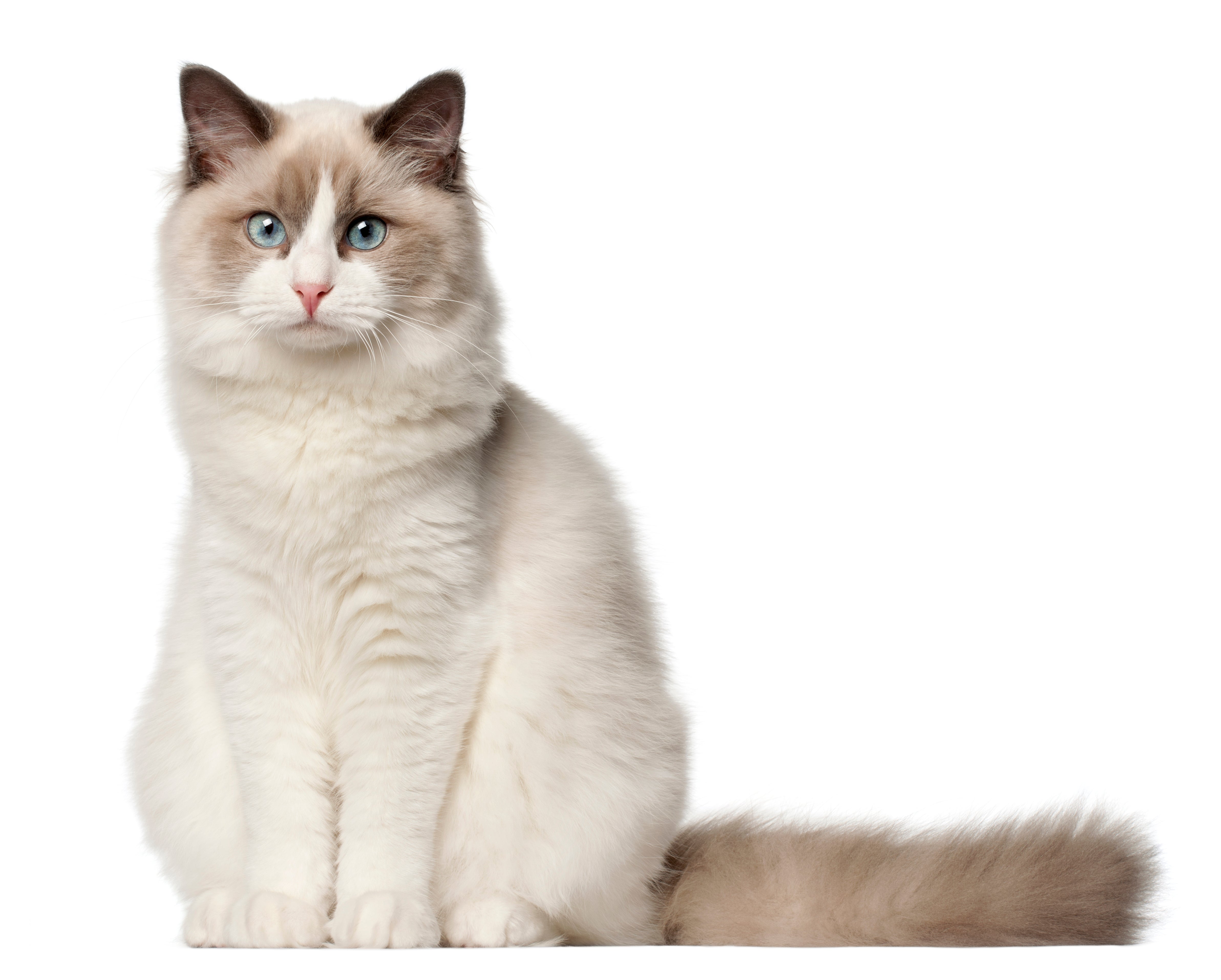
Ragdoll Cat
The Ragdoll Cat is like having the cat equivalent of a teddy bear around – they’re affectionate, relaxed, and perfectly floppy. They can be puppy-like in their devotion to their owners and enjoy nothing more than being around them. Cheerful and easygoing, they are great family companions for those with children or other pets. If you work from home or spend a lot of time in your house, they are the perfect cat to keep you company – just be aware that they’re not the most cuddly cat breed and are more likely to curl up on the chair next to you than on you. These are highly intuitive cats that might talk back to you in a soothing voice if they sense you are going through something. Curious, calm, and friendly, they are beloved by many.
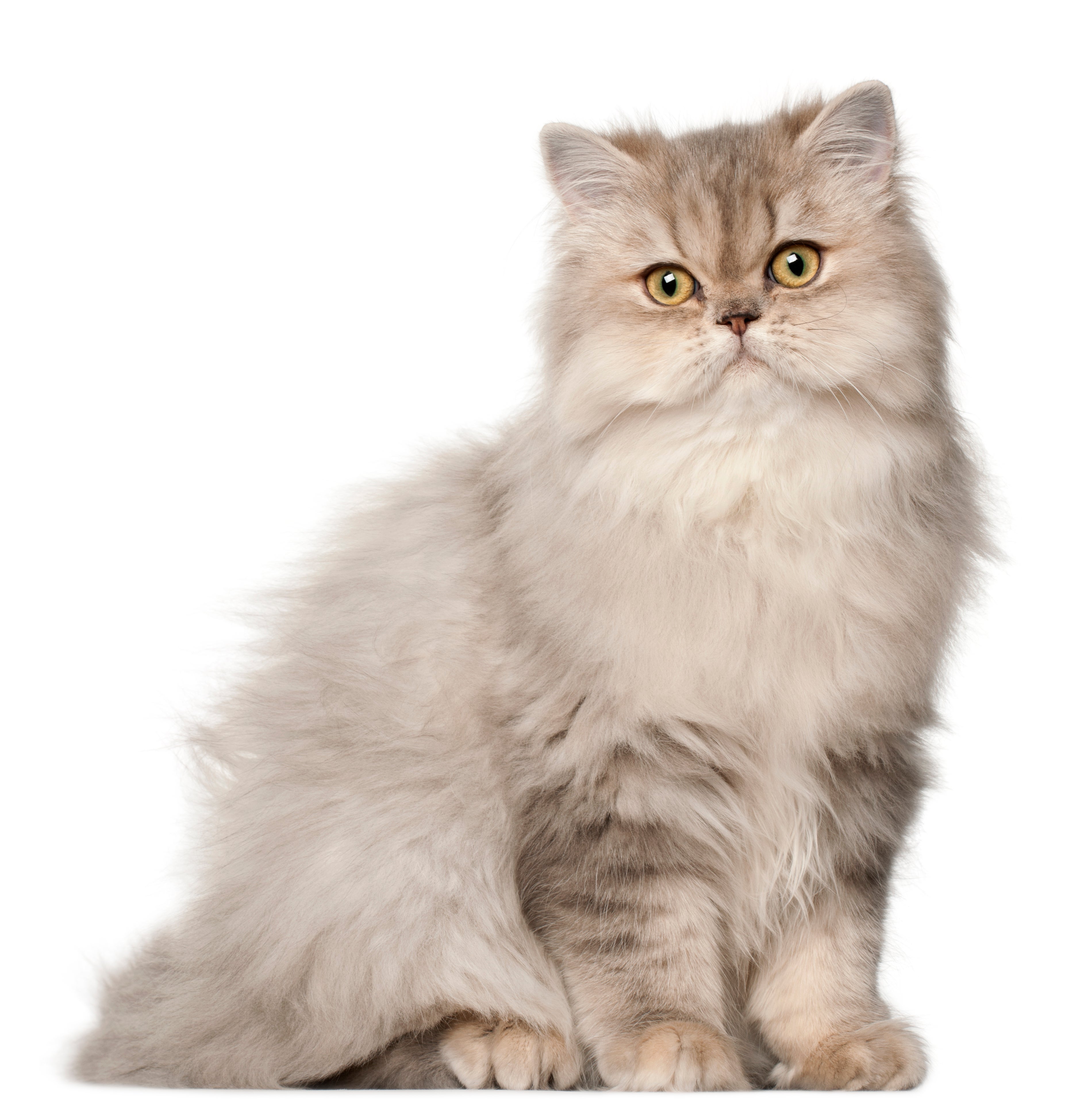
Persian Cat
Silky coats, sweet faces, and friendly attitudes define the Persian Cat, one of the most popular breeds of cat in the United States. They have even tempers, gentle souls, and wide eyes that give them a contemplative expression. Not as curious – read: mischievous – as other cats, they are intelligent nonetheless. You'll have to earn their trust and affection, but once you’re in their inner circle, you become their ride-or-die. They like attention but won’t beg for it. Low-key, delicate, and less demanding than other cat breeds, they make good pets for quiet homes where they can be the center of attention.
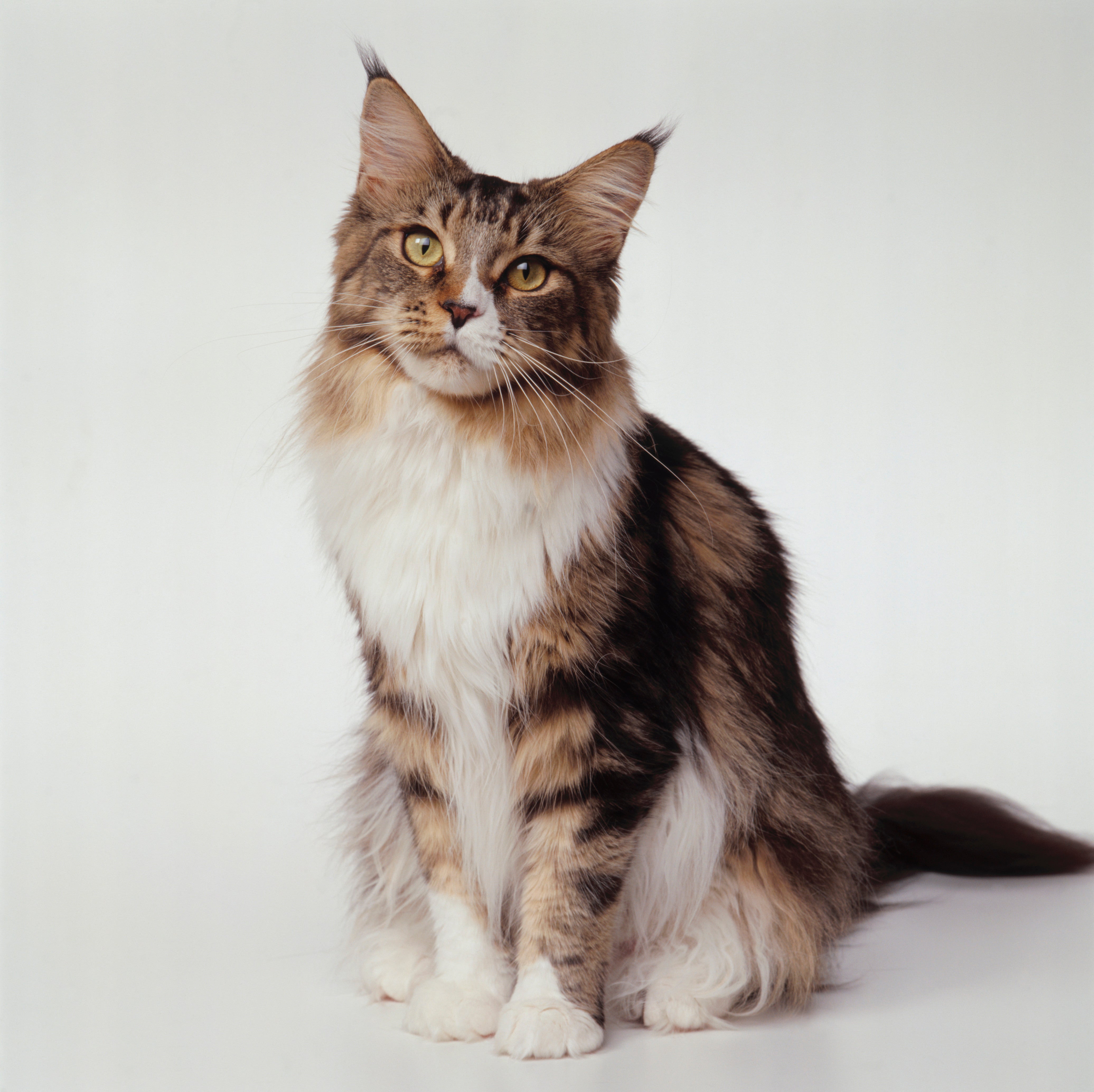
Maine Coon Cat
Large and loving, the Maine Coon Cat has never met a stranger and is one of the most friendly and most affectionate cat breeds. They love being with their families, partaking in any activities, and are often described as “dog-like.” Bubbly and playful like a kitten well into their adulthood, they have big hearts and a patient manner. They generally will get along with children and other pets, although you should always introduce two cats properly to set yourself up for success. Brainiacs with an eagerness to please, they can even be taught how to leash, walk, and perform tricks.
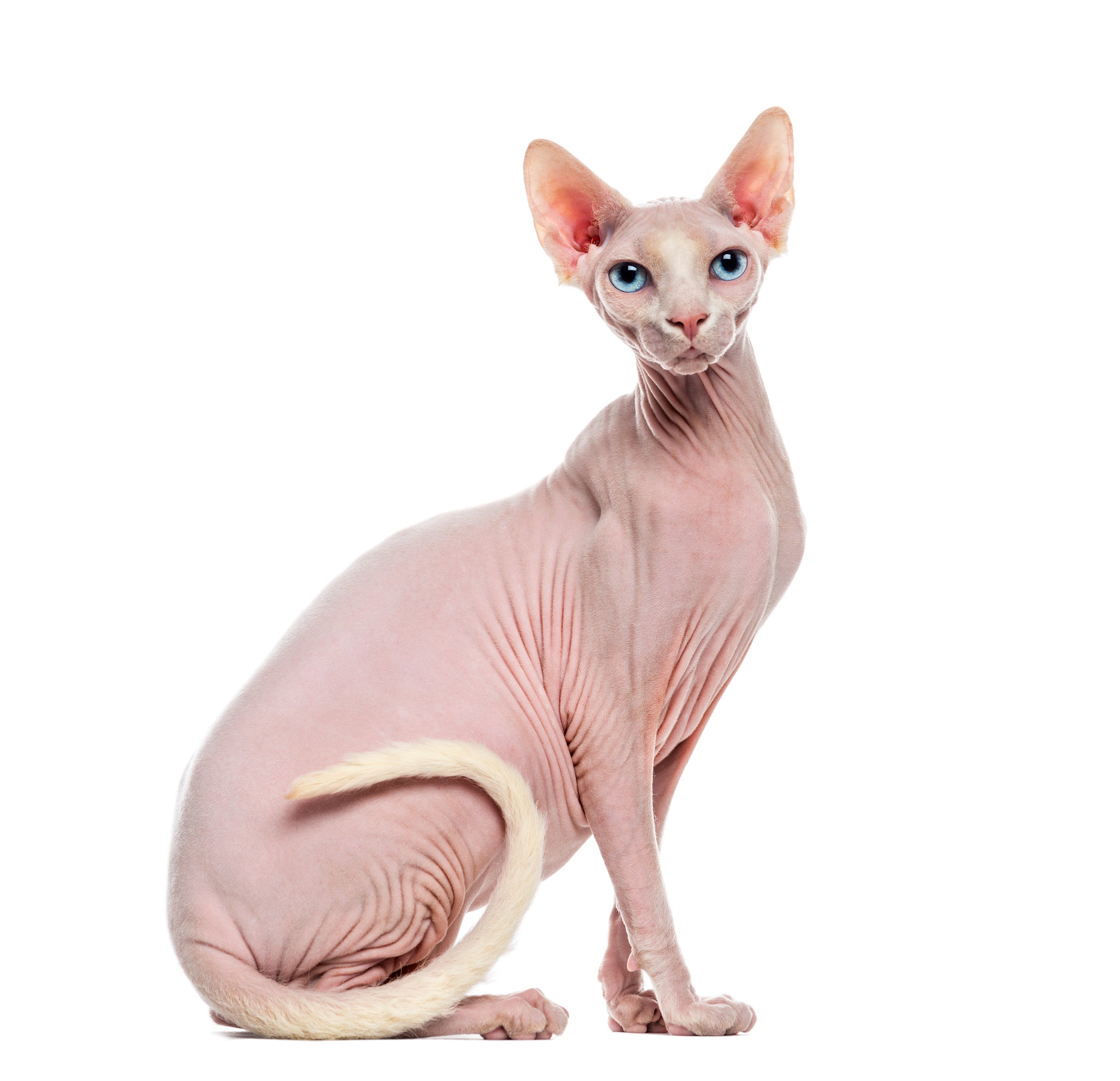
Sphynx Cat
The hairless Sphynx Cat might look intimidating or standoffish, but you’d be hard-pressed to find a cat that loves humans more. They love following their families around the house – and curling up in their laps to keep warm. Energetic and open, they are curious and smart cats that love to engage, sometimes on the wrong side of naughty. Owners should be willing to put in a lot of playtime hours to help tucker out their big brains. You’ll be rewarded with heaps of affection.
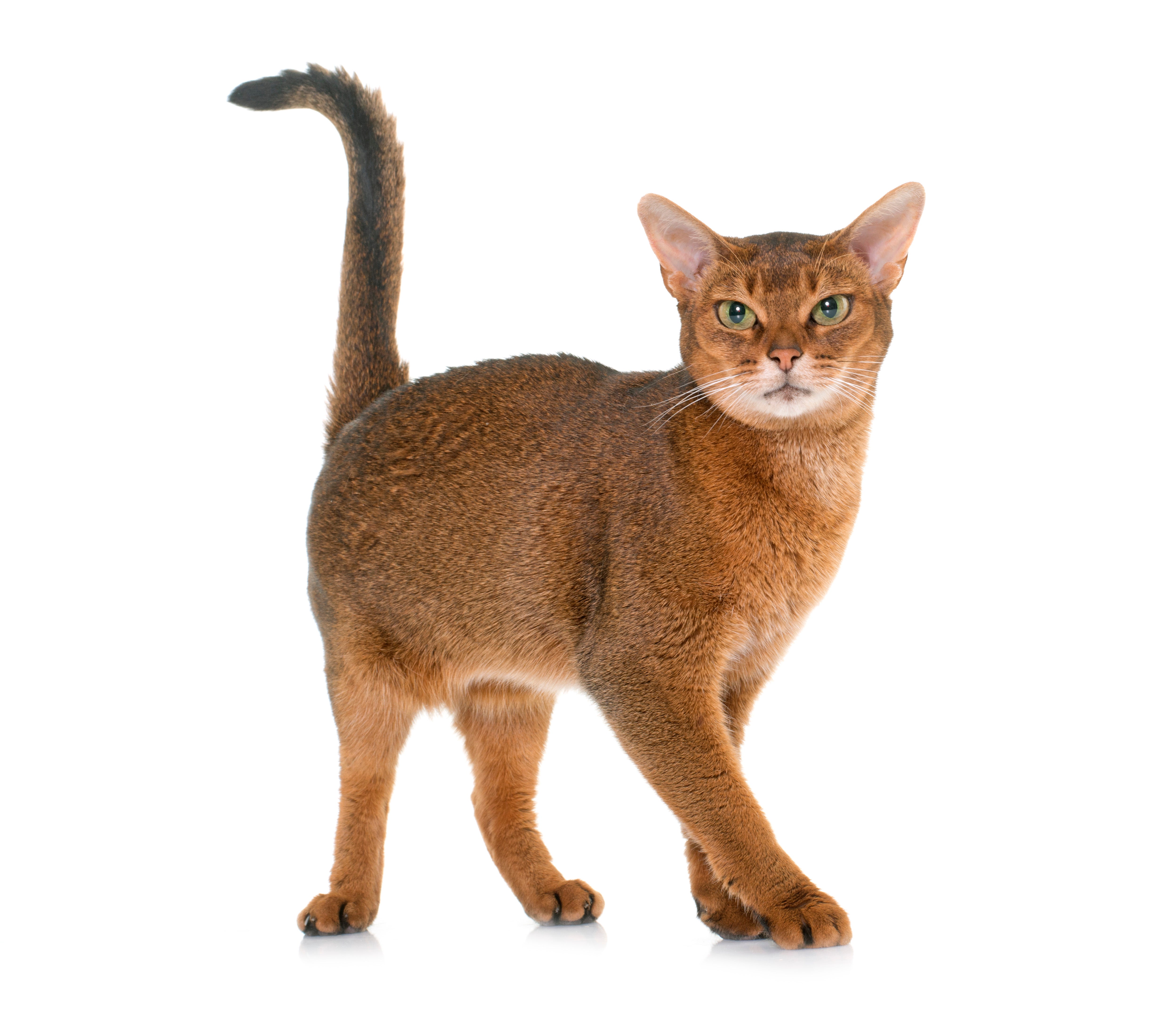
Abyssinian Cat
The poster cat for “cat antics,” the Abyssinian Cat is playful, sometimes to the point of downright annoying. Their charm and curiosity more than make up for their mischievousness, though, and they are friendly cats that enjoy active households and revel in being a part of a family, although they’d prefer to be prowling around the house after you over sitting in your lap. Athletic and lithe, they love to seek out adventure, whether that be a new smell or a previously undiscovered perch. They have energy to burn, so lots of physical and mental stimulation is needed to keep them from becoming too impish.
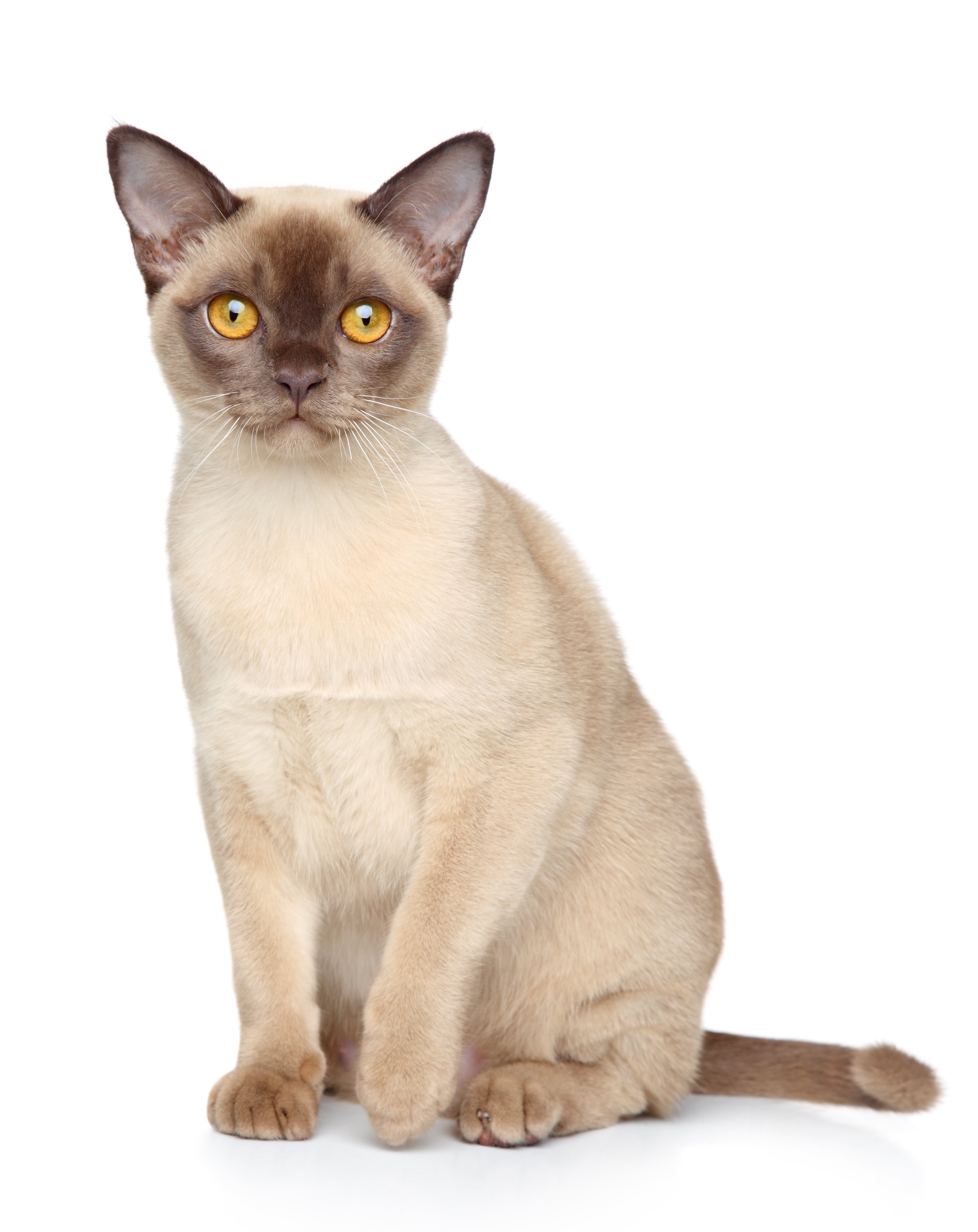
Burmese Cat
Striking Burmese Cats are double-whammies – winning both in the beauty and congeniality categories. Affectionate, intelligent, and deeply curious, they love being with their humans. Females tend to be more high-energy and males more laid-back, with both reveling in being the center of attention. They have a unique vocalization that makes them sound like a crying baby, although they’re not particularly chatty cats. These people-oriented felines love to play, so owners should be able to dedicate a lot of time to mental stimulation including interactive games and fetch.
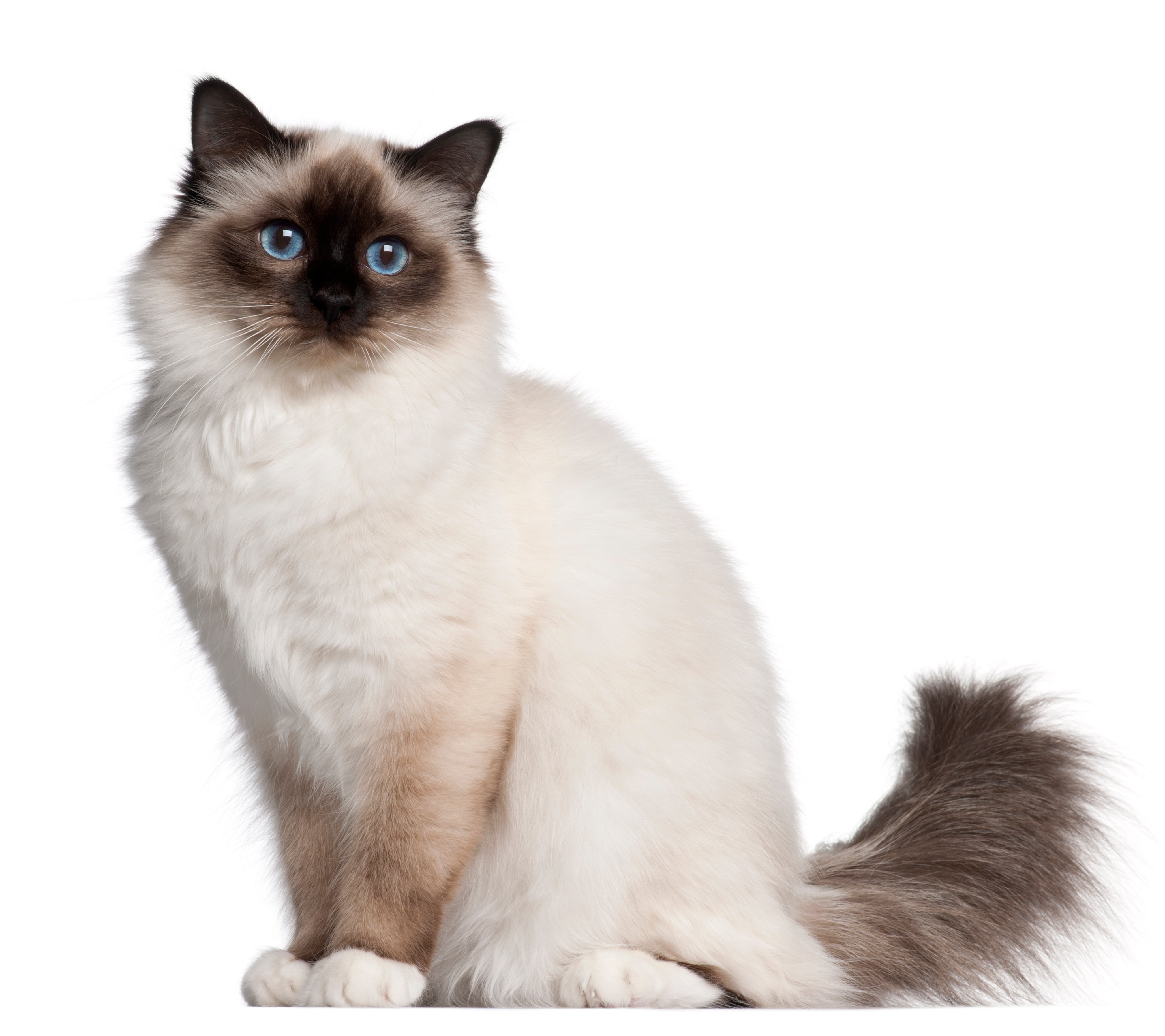
Birman Cat
Blue eyes, color-point coats, and “white-gloved” paws make the Birman Cat look adorable, but it’s their sparkling personalities that really make them shine. “Velcro cats” who love to stick close to their owners, they are loving and gentle with a relatively calm demeanor for such a high-energy cat. You might even be able to teach them some tricks, as they are a highly intelligent breed. Shower these former temple cats with attention and they will be forever yours.

Scottish Fold Cat
The Scottish Fold Cat has become a celebrity favorite in recent years thanks to their unique look of folded ears and expressive eyes. They are gentle, demure, and delicate cats that love affection without being annoying or clingy. They adore their humans and will follow you from room to room. Playful without being hyperactive, they are relatively chill despite holding onto kitten-like qualities well into adulthood. They are adaptable and versatile cats that can integrate well into any living situation.
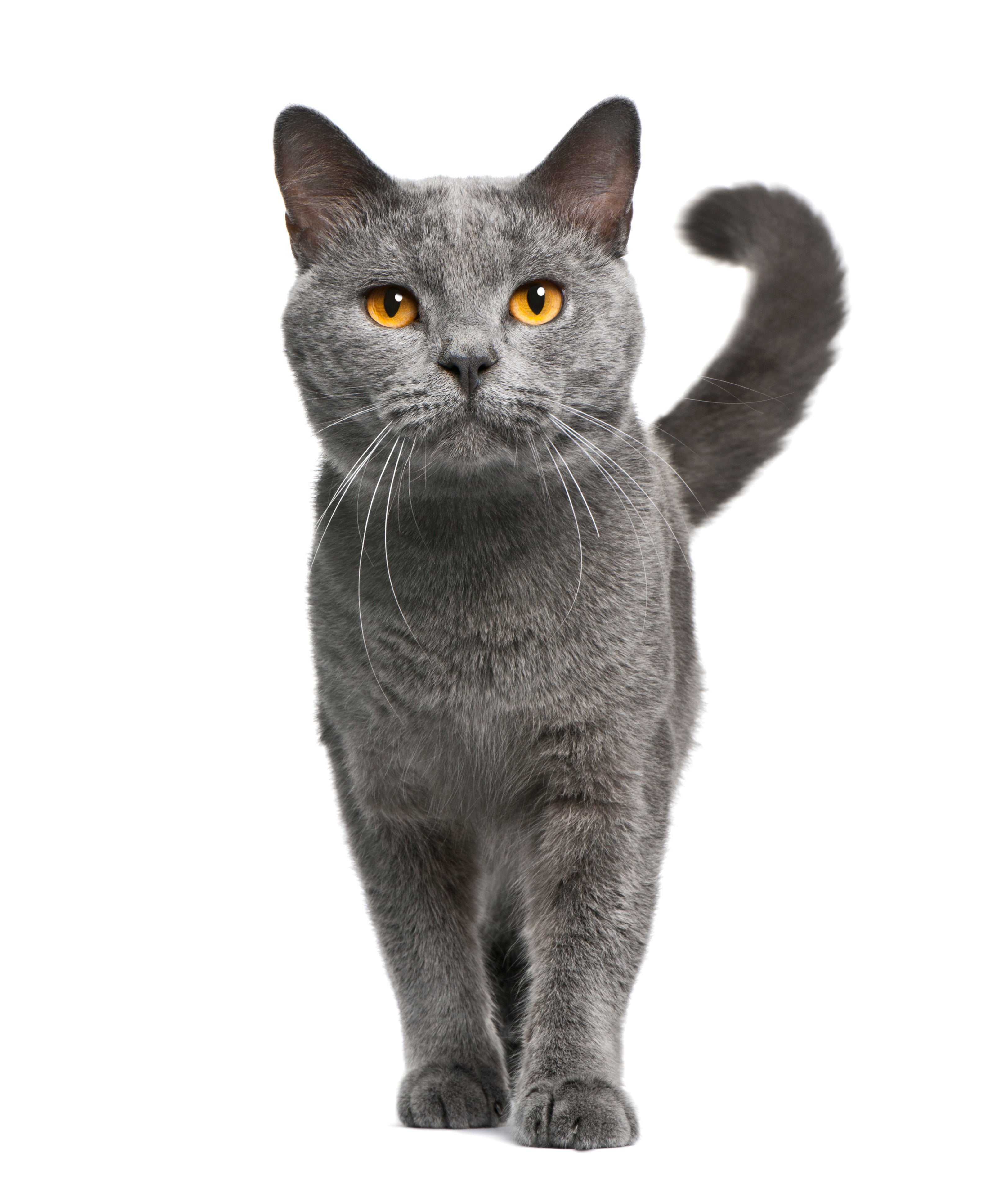
Chartreux Cat
Chartreux Cats hail from France and are a blue-gray color with copper eyes. Quiet and relaxed, they can be affectionate with their chosen humans. They form strong bonds and like to show affection through gentle companionship, not full-on assaults of personal space. Their mouths “smile,” which adds to the overall effect of them being merry, cheerful felines. Patient and kind, they get along well with children and other pets.
Understanding Friendly Cat Behavior
How to know if a cat is friendly can take a little detective work, as they can’t outright tell you that they feel comfortable with you. To better understand a cat and their level of friendliness and comfort with you, here are some signs of a friendly cat to look for:
- Rubbing: Cats love to rub up against people, marking them with their scent. This shows that they consider you to be a part of their family.
- Purring: Some cats are just vocal by nature, but a purr when being petted or anywhere near you is usually a sign that they are happy and relaxed in your presence.
- Exposed belly: Like a dog, an exposed belly means they are fully relaxed enough to show off their most vulnerable part. Not all cats enjoy belly rubs, though.
- Relaxed posture: A friendly cat could have a high, slightly curved tail to show you that they are comfortable.
- Kneading: When cats knead blankets or pillows, which is also adorably called “making biscuits,” it means they are happy and feeling content.
- Gentle head-butting: Also called “bunting,” it’s a way cats mark owners with their scents and show affection.
- Slow blinking: This one might be harder to recognize, but slow blinking, also called a “cat kiss,” can be a sign of trust.
How to Tell if a Cat is Playful or Aggressive
Cats can walk a fine line between friendly play and aggressive behaviors. Cats looking to catch some playtime will pounce or swat with retracted claws and aggressive chattiness. Aggressive cats might have flattened ears, a swishing tail, or dilated pupils, and may even hiss or growl at you.
Debunking the Myth of the Mean Cat
While some breeds might keep to themselves more than others, there is no reason for cats to be stereotyped as unfriendly. This is a cat myth, and one that oversimplifies cat behavior. Often, cats that are categorized as such are scared, anxious, or have had negative interactions with humans in the past. Every cat is different, and you’ll need to spend time with a cat to determine their personality. Patience and positive, consistent interactions are ways to help overcome any fear or anxiety.
To help the process of turning a shy cat into a more outgoing one, there are a few things you can do to set you and the cat up for success, such as:
- Using positive reinforcement. Offer praise and rewards, such as gentle petting, as a way to build up their confidence. Offer plenty of play sessions to build trust.
- Give them a refuge. Provide a safe and quiet space that is just for them, such as an enclosed cat bed or perch.
- Respect their boundaries. Cats should approach you on their own terms, as forced interactions could stress them out. Ease your way into the relationship and read their body language for clues as to how they are feeling.
- Be consistent. No matter what, try to be consistent with routines, playtime, feeding time, and the like to help the cat understand what comes next. Consistency can help them relax.
- Use pheromone products. They could help a cat relax and provide a safe and calming environment.
Are Male or Female Cats More Friendly?
Cat friendliness is less about being male or female and more about the individual cat’s personality. Some generalizations can be made, though, as male cats can be considered more laid-back than female cats, who might take longer to trust you. Female cats have a bad reputation for being unfriendly, but it’s unfounded based on gender alone.
Adopting a Friendly Cat
While certain breeds are known as being friendlier than others, it’s best to spend time with a cat that you are considering adopting. Keep in mind that a cat’s behavior in a shelter or rescue environment might not be the same as it is when they are fully relaxed. You might not get to see their true personality shine in only a few short meet-and-greets. It’s important to ask about the cat’s history and personality, as many shelters will have this information on hand.
Keep in mind that senior or older cats are also in need of adoption, and it might be easier to get to know them as they will be more set in their ways and personalities. They might even be calmer, making them a great fit for lower-energy households or ones with small children.
Nurturing a Friendly Bond with Your Cat
Bonding with cats is essential to building a relationship built on love, trust, and mutual respect. Bonding time should include a few key components, such as:
- A routine: Just like dogs, cats love predictability and a routine. Try to keep feeding and playing, and exercise schedules the same every day, so that they know what to expect.
- Grooming: Many cats love to be brushed, which means grooming time can be not only a time to get their coats in tip-top shape but also a time to bond.
- Positive reinforcement: Even if they’re not being trained as a dog would, cats thrive on positive reinforcement. They like praise and rewards for good behavior, so heap it on them. Some cats can be trained and will enjoy the process, so double down on positive reinforcement there to get the results you want.
- Regular playtime: Cats have a reputation for being lower maintenance than dogs, but some cat breeds do need vigorous exercise or playtime. Regardless of what kind of energy your cat breed has, it’s important to incorporate playtime to stimulate their brains and bodies.
- Respect their boundaries: Cats give plenty of cues to owners about their boundaries, and even the friendliest of cats will have lines they’d prefer not to be crossed. Learning your cat’s body language can be an invaluable tool in communicating with them.
- Create a cat-friendly environment: Cats have special equipment they need to be happy and healthy, such as perches, scratching posts, catios, and cat runs. Consider what each breed’s needs are physically and what that might mean for your decor.
Every cat is unique and has their own way of operating. By learning your cat’s preferences and boundaries and by having patience and flexibility, you and your feline friend can live in harmony.
Conclusion
Cats have a reputation for being independent and unfriendly, but there are plenty of breeds that are considered social butterflies, such as the chatty Siamese and the affectionate Ragdoll. Any owner who takes the time to understand their cat’s behavior could get a rewarding relationship – and plenty of snuggles with the right breed.
If you’re thinking about adopting friendly cat breeds for the first time, it’s important to have this information to make your decision. If you’re ready to adopt, it’s time to start thinking about the fun stuff – cat names!
For more expert tips and information on other cat breeds, explore additional cat and kitten breed types articles.