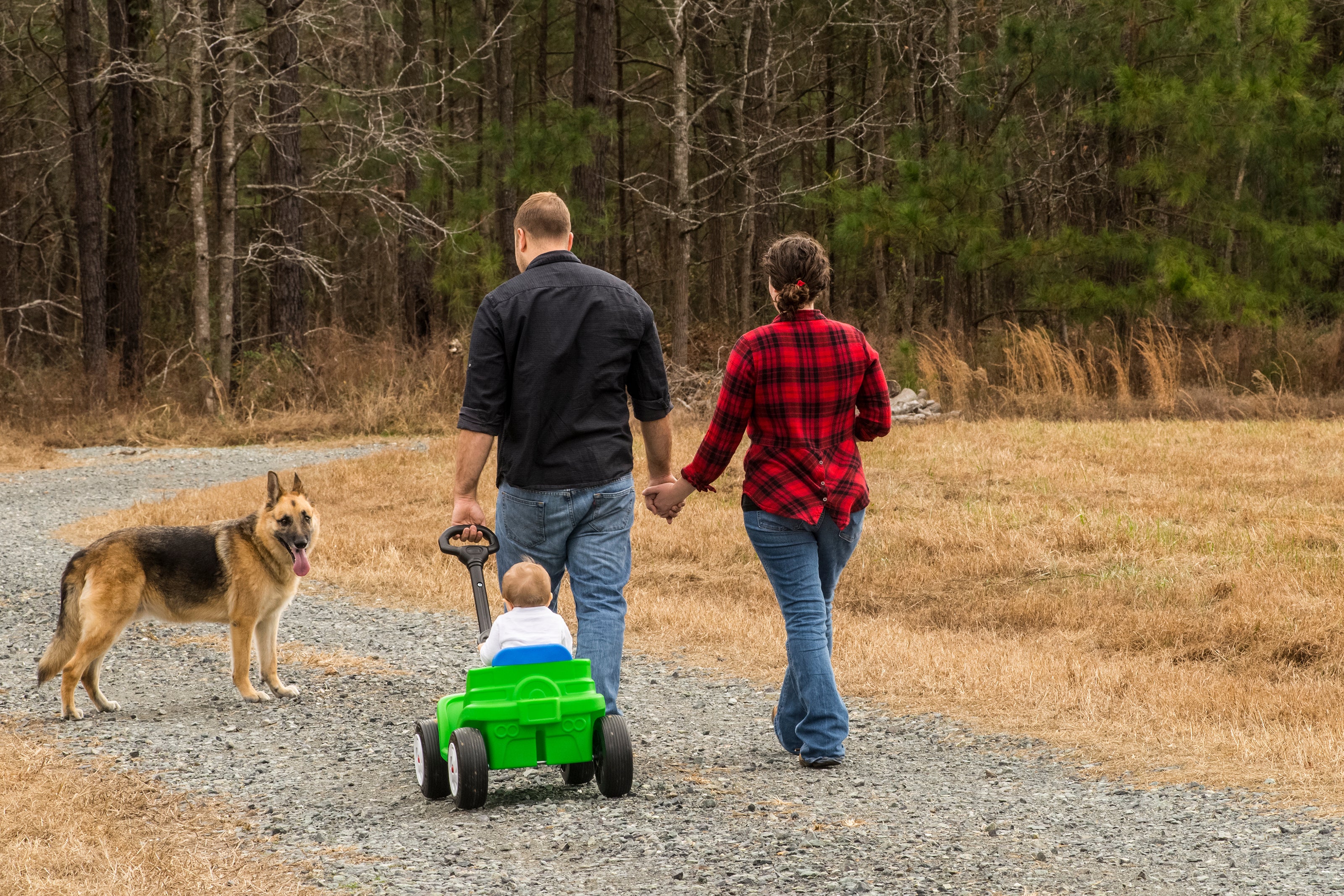
Where would we be without the dogs that work all day and night protecting us so that we can enjoy a safer world? How do dogs protect you? To explore dogs’ protective instincts, let’s look at how dogs protect their owners and differentiate between natural behaviors and trained personal protection dogs. If you’re a new owner with protective dogs or looking to adopt a dog for protection, read on to learn more about how dogs protect their owners and why they do so.
History of Dogs as Protectors
Dogs have acted as family protection dogs since ancient times. In ancient times, though, dogs were not necessarily bred for companionship. Now, many dogs are bred for protection as well as companionship. Perhaps we’ve begun to realize that there really is no substitute for the support of the loyal and talented canine.
How do dogs keep you safe today? There are many ways to count, professionally and personally.
Working Dogs
Working dogs now come in various protection-type roles, such as military dogs, police dogs and guard dogs.
Dogs have served as sentries, scout or patrol dogs, guards and even messengers in wars. In World War II, over 10,000 dogs were trained. Their incredible senses of hearing and smell saved many units from surprise ambushes, as it is difficult to sneak up on duty-bound guard dogs. Messenger dogs carried information in silence, trained to take cover as they traveled from one handler to the next.
Today, dogs are assisting and protecting U.S. soldiers worldwide by inspecting areas for potential threats before soldiers enter a building or area. Our military now makes a more significant effort to protect the dogs that protect our soldiers by outfitting them with bulletproof vests and “doggles” for their eyes.
Like their handlers, military dogs work 13 to 14 hours a day in some climates that are very harsh and taxing on their bodies, sniffing vehicles for explosives, controlling crowds or individuals, guarding the base and patrolling. They are, of course, given plenty of breaks, water, cool-down periods and loads of love and affection from their handlers, who consider their dogs true partners in service.
No matter how amazing and sensitive our technology has become for detecting harmful substances, a specially trained dog, with their incredible sense of smell, may be faster, cheaper and more accurate – and, we might add, more enjoyable to work with than a scanner.
Protection and Companionship
There is a long-standing relationship between humans and dogs and the dogs’ roles in guarding livestock, property and families (even children).
Today, dogs can not only physically protect the average pet owner from intruders and break-ins through their alertness, speed, barking and biting, but they can also provide people joy, protecting them from loneliness through their gregarious licking, bubbly playing and just by sweetly sitting with us.
Maybe your dog’s most likely to lick anyone who comes into the house, working as a guardian of friendliness. And that’s OK! Depending on your needs, you can have a guard dog breed that you can train to be more physically protective or to provide more emotional support. However, it is extremely important to have your dog trained appropriately, especially if your dog will be more of a guard dog.
Best Protective Dog Breeds
Some breeds may be better at being a guard dog, and with proper training, these dogs can be friendly while also appropriately alerting you when a visitor arrives and protecting you from various dangerous situations. There are many different guard dog breeds – you’ll want to pick the right one to fit your needs and preferences. Here are some breeds that are often used as guard dogs: