Note: While the breeds in this collection tend to be large domestic cats, individual pets will vary. Please consult the adoption organization for details on a specific pet.
Large domestic cat breeds include popular cats such as the Maine Coon cat, Bengal cat, and Ragdoll cat. Within the category, there is a lot of variety in personality, stimulation needs, and temperament – some can be sweethearts, while others can be more toddler-like in their stubbornness.
Big cat breeds don’t have a definitive weight that they start at, but large cats usually are somewhere over the 12-pound mark, going up as high as 20 pounds or more. They can measure 18 inches or so in length, not including the tail, and can go up to 40 inches in length. With every breed, there is variety, and each cat will have its own personality and behaviors that make them uniquely them.
Here you’ll learn about the top 10 largest domestic cat breeds, how to feed them, how to introduce them to each other properly, and more.
Top 10 Largest Domestic Cat Breeds
While there are many large domestic cats, these are the top ten largest breeds:
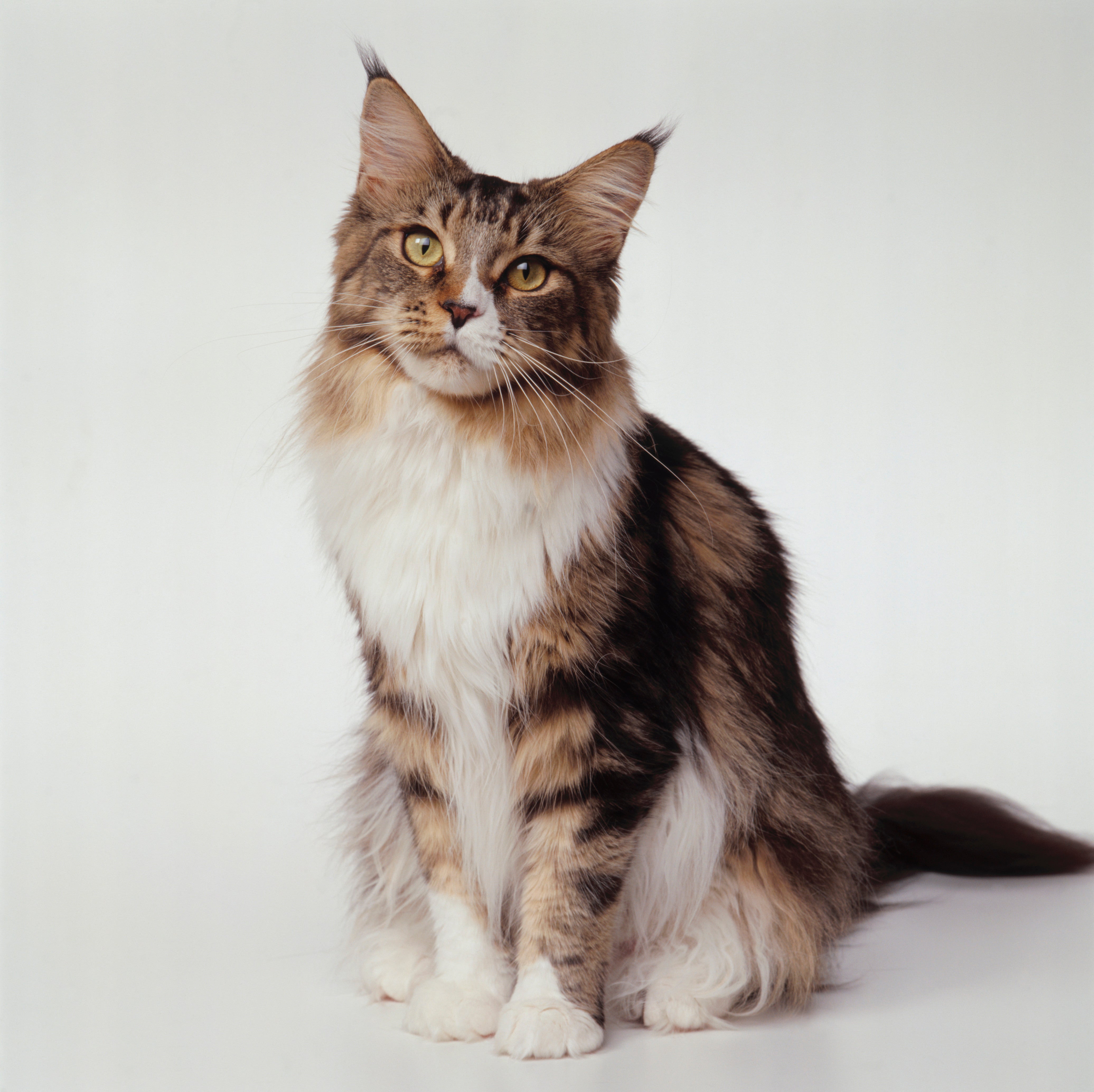
Maine Coon Cat
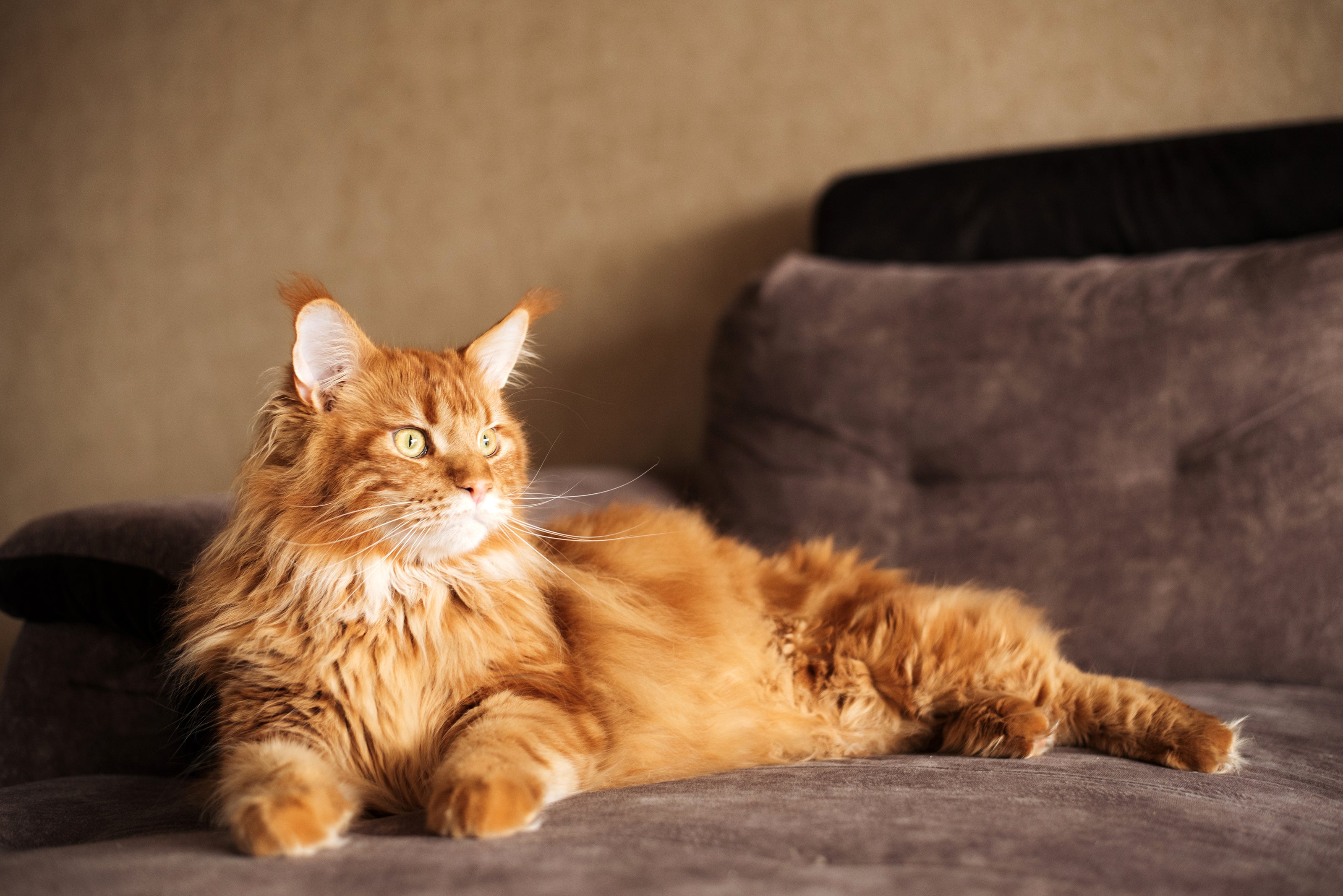
Maine Coon cats are gentle giants and the largest domestic cat breed. They can weigh up to 18 pounds – or more – and can measure a whopping 40 inches in length, which is as long as some televisions. They have tufted ears, large paws, and long, fluffy tails, perfect for petting. They have a wild-looking appearance despite being domesticated cats. They are adorable, huge balls of fluff that have a dog-like loyalty. Thick, water-resistant coats require more grooming than the average cat to prevent matting.
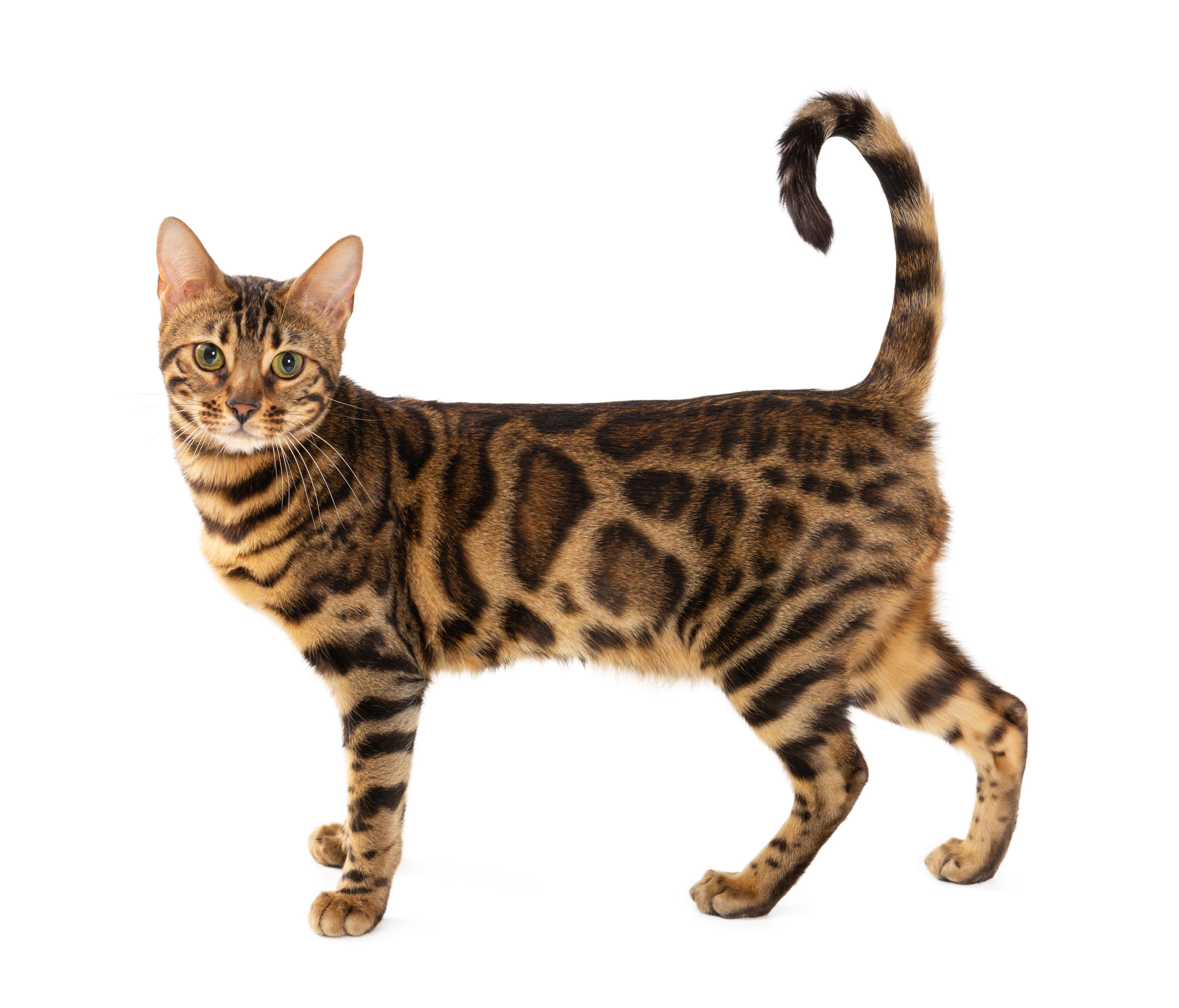
Bengal Cat
Bengal cats are muscular and athletic, with a distinctive spotted or marbled coat that looks like their wild ancestors. Active and smart, they require plenty of mental and physical stimulation. Interestingly, they love water and are up for learning tricks.
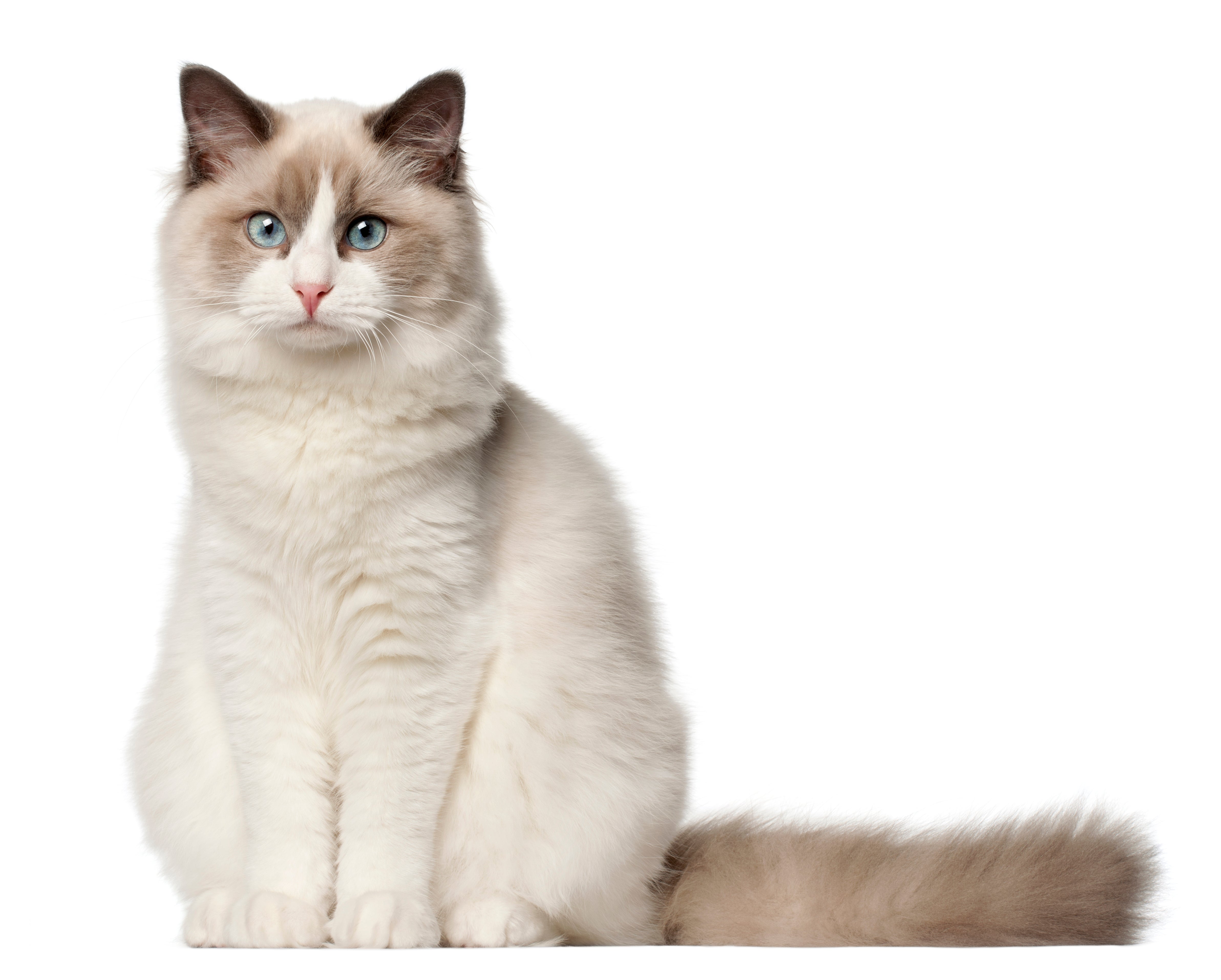
Ragdoll cat
Veritable supermodels in the cat world, Ragdoll cats are large, semi-longhaired cats with striking blue eyes. They come in lots of point colors and patterns and are known for their gracefulness, affection, and silky, low-maintenance coats worthy of a shampoo commercial.
Savannah Cat
Their name hints at their African roots – the Savannah cat is a cross between a domestic cat and an African Serval, a type of wild small cat. They have an exotic coat with spots and can get up to a whopping 25 pounds, standing up to 17 inches tall. Brainiacs with a lot of energy, they need plenty of mental and physical stimulation. They can be stubborn, so they require owners who know how to deal with their bullheadedness.
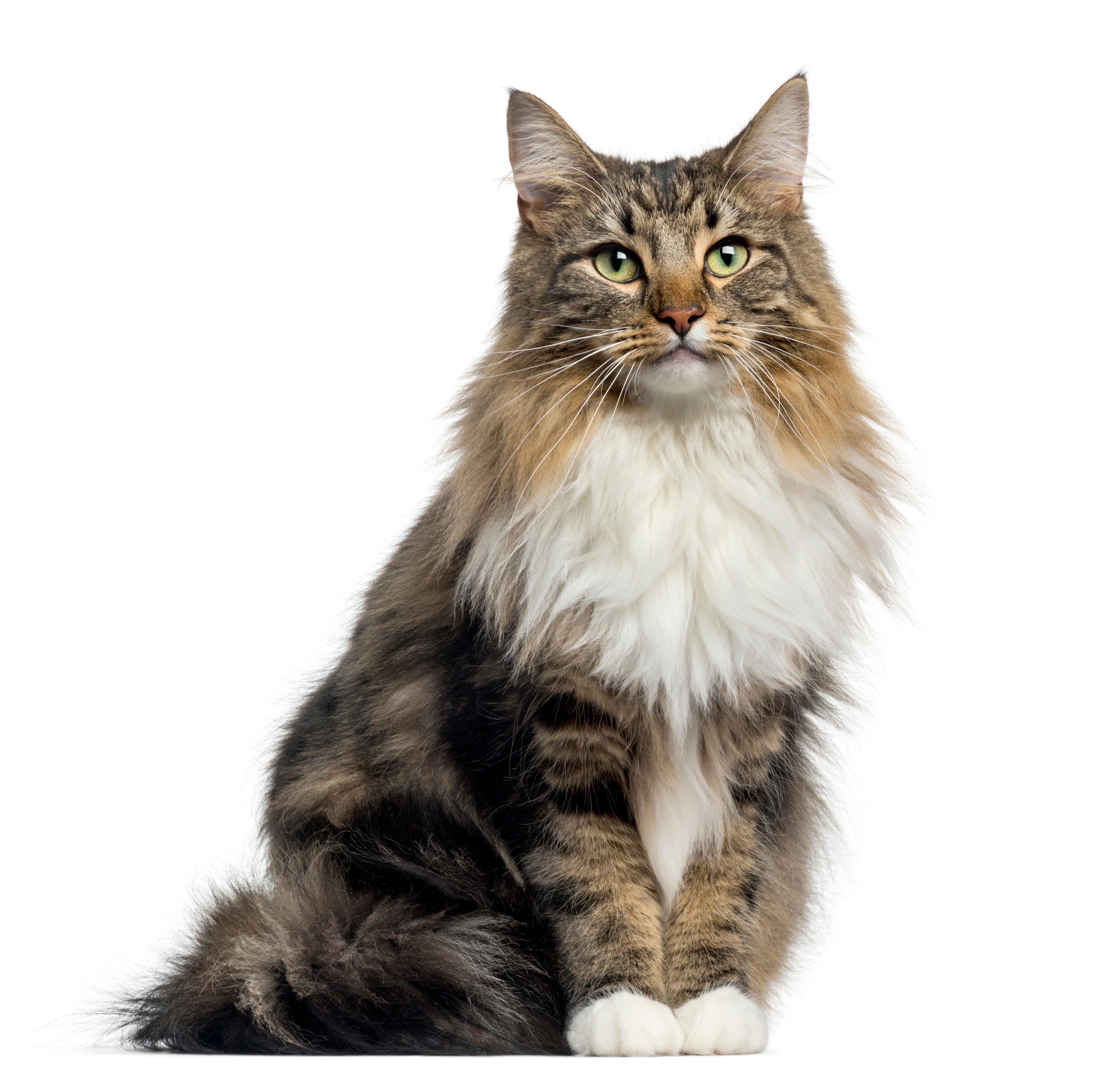
Norwegian Forest Cat
This Scandinavian cat prowled the icy forests before becoming domesticated, and they are used to harsh climates and thrive in them. Norwegian Forest cats have a thick, water-resistant double coat that requires regular grooming to keep them in tip-top shape. A triangular face, beautiful almond-shaped eyes, and tufted ears and paws make them look wild, despite being domesticated since the days of the Vikings when they’d sail alongside them. They are social and love family life.
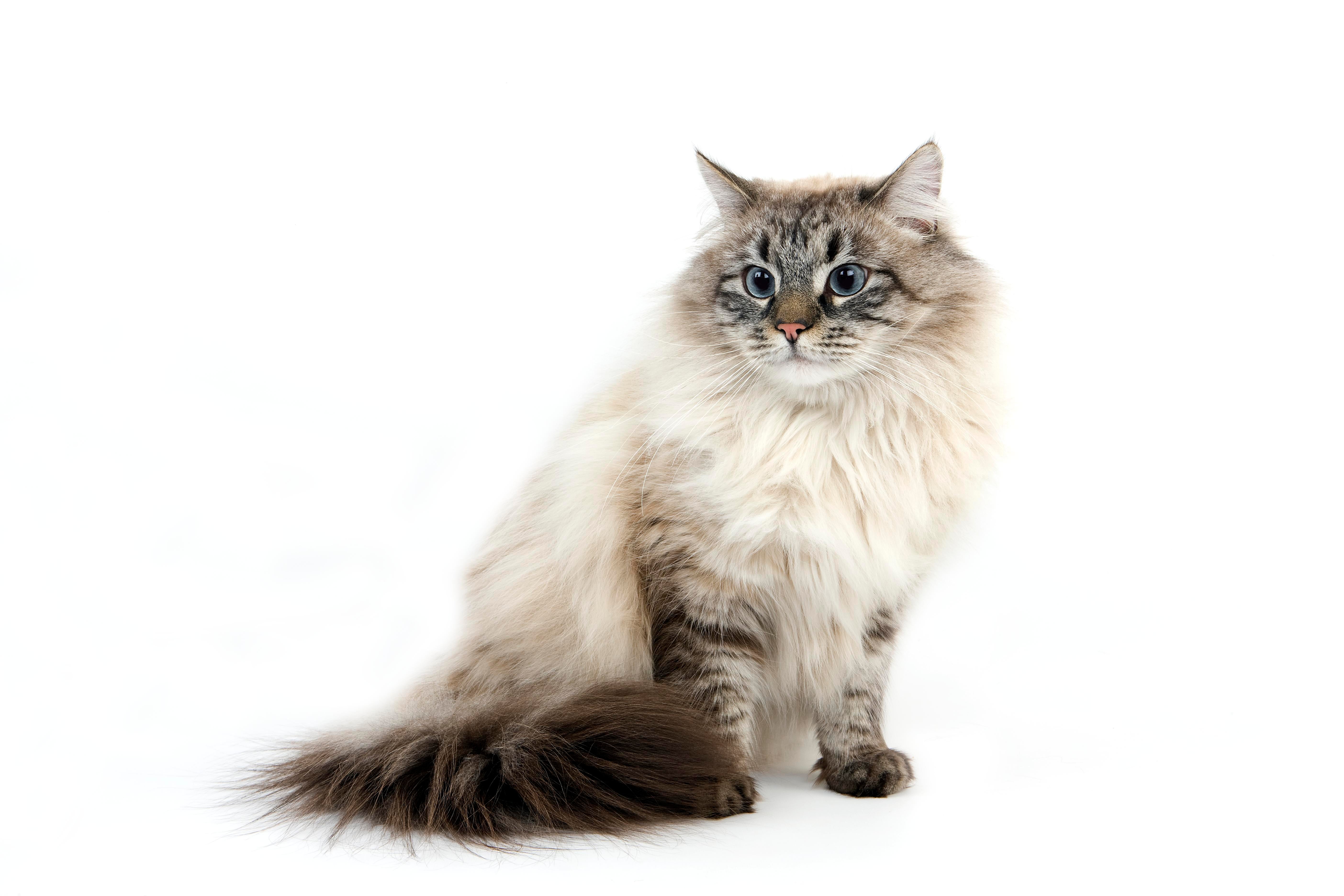
Siberian Cat
The Siberian cat is a powerful Russian longhaired cat that loves to talk. Muscular, smart, and playful, they can be affectionate with their owners. Despite having tons of hair, they are one of the few cat breeds that can be tolerated by people with allergies, although they are not “hypoallergenic.” Watch out around water – they love it, and might drop things you don’t want dropped into full bathtubs, pools, and sinks.
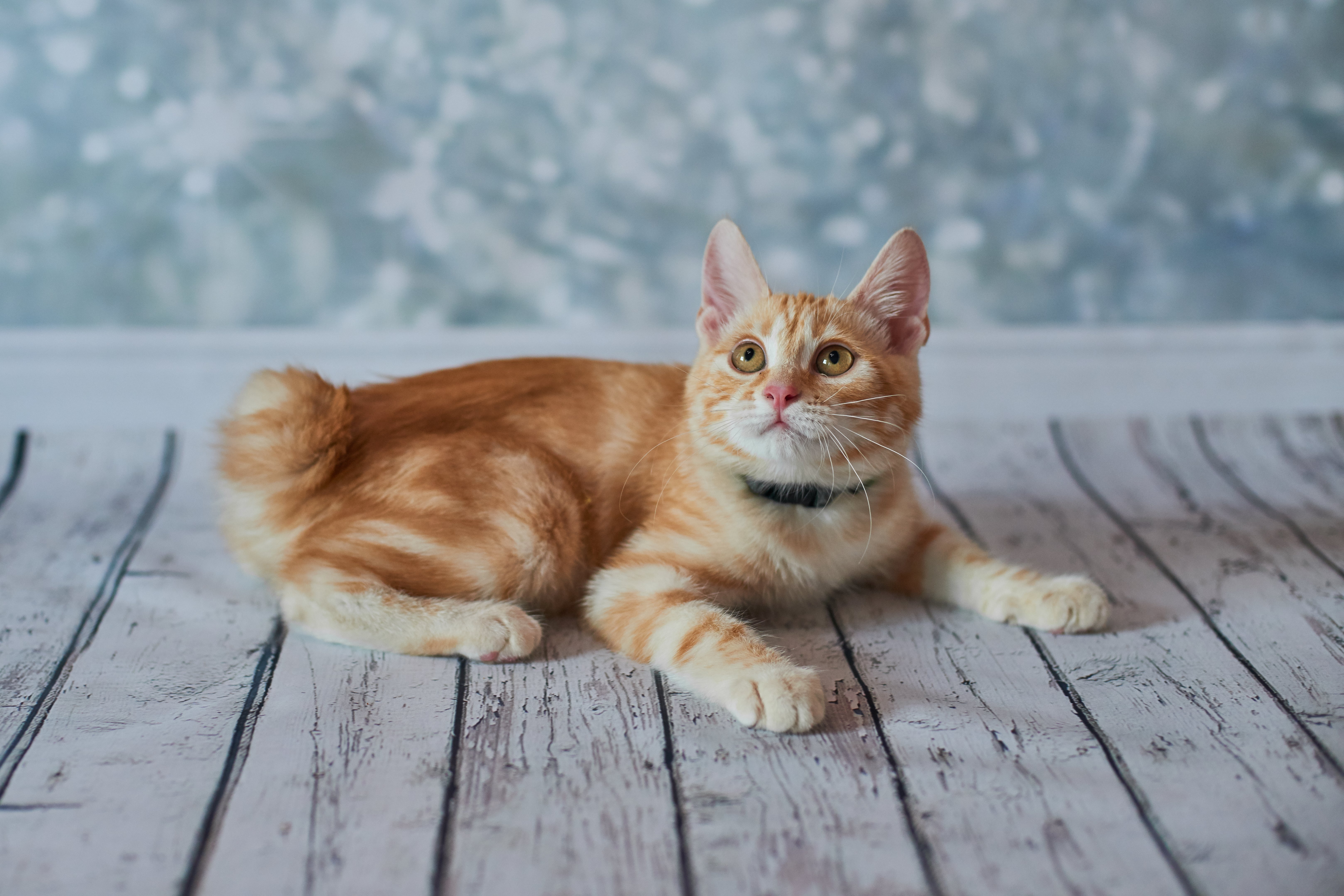
American Bobtail Cat
In the human world, it wouldn’t be a compliment to be known for your short, stubby behind, but in the cat world, it definitely is, such as the adorable one on the American Bobtail cat. Muscular and powerful, they also have broad heads and wide, curious eyes. Their coats can be long and shaggy or short and thick, and they often have tabby patterns on a brown or gray background.
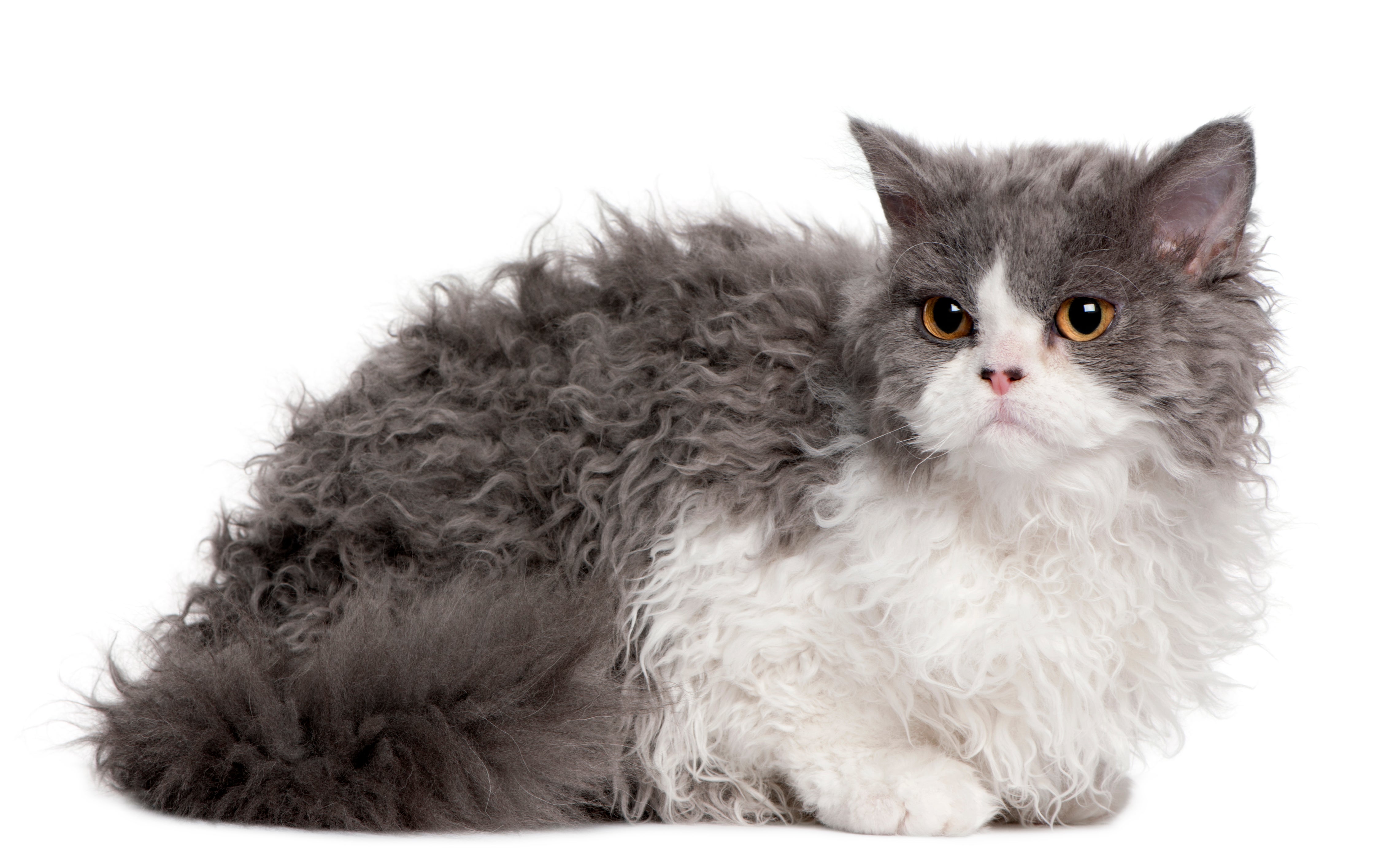
Selkirk Rex Cat
A Selkirk Rex cat looks like a sheep with its curly, lamb-like fur, which can come in a variety of colors. Inside, they are all teddy bears, ready to cuddle at any time. Gentle and patient, they make good family pets for those willing to invest the time to take care of their coats, which mat easily.
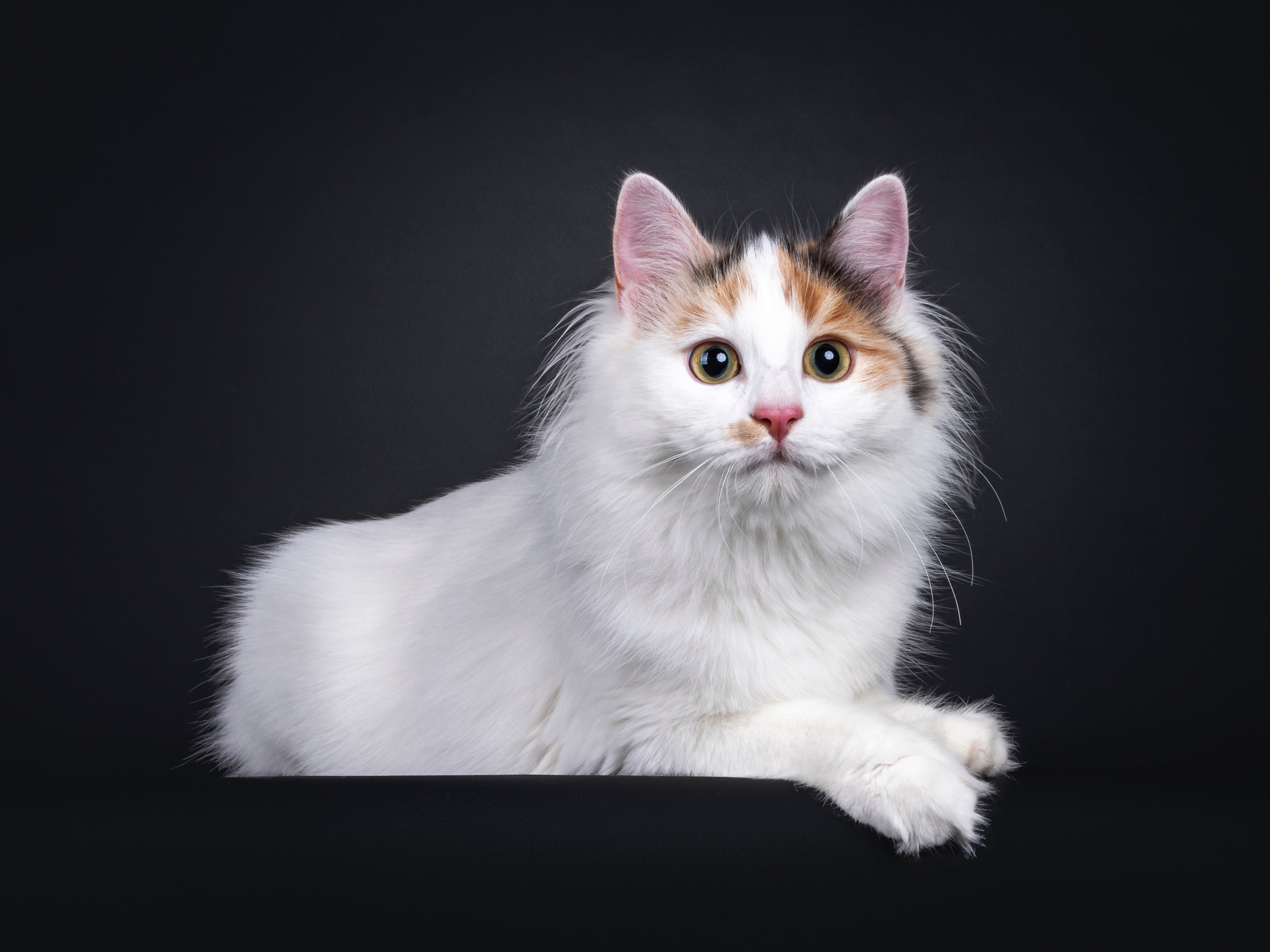
Turkish Van Cat
The Turkish Van cat hails from Lake Van in Turkey, hence their name. They are water cats and have thick, water-resistant coats that have been adapted over time. Clever, energetic, and personable, they take longer to mature than other cats. They have unique eyes that are a mix of amber and blue.
Ocicat Cat
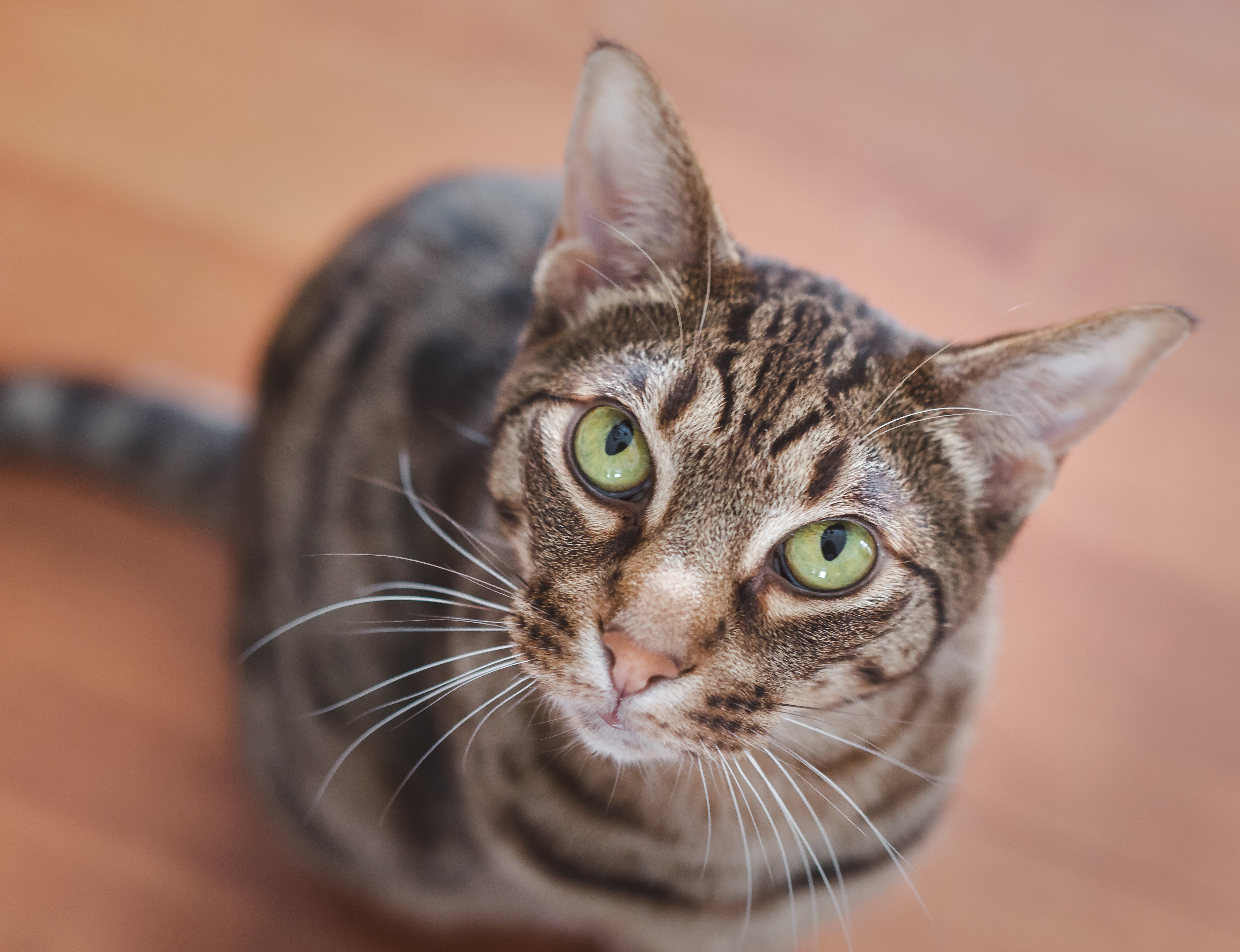
Ocicat cats (say that three times fast) are on the smaller side of the large cat breeds, but they definitely give off “big cat energy” thanks to the fact that they stalk rather than walk. They are social and active cats that can even seem dog-like in their willingness to please. They are high jumpers and can be slightly mischievous.
What is the Largest Domestic Cat Breed?
The largest domestic cat breed is the Maine Coon cat, which can reach up to 20 pounds or more in weight and be as long as 40 inches, although that is rare. They can live to be about 15 years old and can have 64 different markings. White Maine Coon cats might have blue eyes.
Caring for a Large Cat Breed: Health Considerations
Large cats can have potential health issues. Some breeds are prone to hip dysplasia, joint problems, and heart conditions due to their size. Not all wild cats will develop these conditions, but they could. Proper care and regular vet visits can go a long way in preventative feline care.
What Do Large Breed Cats Eat?
Large cat breeds like the Maine Coon and Bengal cat need similar nutrition to their smaller counterparts, but they might need more food per serving. They require high-quality, protein-rich diets to help their coats, muscles, and overall health. Some key things to consider when feeding large breed cats:
Portion Control
Large cats need more food than smaller breeds, but it’s really important not to overfeed them as obesity can lead to health problems. Ask your veterinarian for the recommended portion size for your cat’s breed and weight.
Age-Appropriate Food
All cat food should have a protein source, such as turkey or fish, listed as the main ingredient. However, not all cat food is created equal: There are specific formulas for each stage of your cat’s life. For example, kitten food for cats 12 months and under will have higher fat content than an adult cat’s food. It might also have more calories per serving and be more dense because kittens burn more calories. Senior cat food might have fewer calories per recommended serving because they are moving more slowly, and might have more antioxidants to support them as they age.
Dry Cat Food Versus Wet Cat Food
Whether to give your cat dry cat food versus wet cat food can come down to breed, individual cat preferences, and vet recommendations. Many vets recommend a combination of wet and dry large breed cat food to provide balanced nutrition and help with hydration. Senior cats might need wet food due to their decaying teeth. Feeding schedules will also depend on the cat’s behavior, age, and preferences; some might need smaller meals throughout the day, while others can eat one or two large meals.
Can Different Large Cat Breeds Live Together?
Whether or not different big cat breeds can live together depends on many factors. To be successful, owners must consider a few things, such as:
- Personality compatibility: A high-energy cat might not get along well with a lower-energy cat. Some breeds, like Ragdolls, are super easygoing, while Savannahs might have stronger personalities and be more mischievous or disruptive to a household. Personalities vary inside each breed, too.
- Age compatibility: Senior cats and kittens normally don’t mix well. Cats with similar energy levels are setting themselves up more for success than those that don’t have a similar vibe, but keep in mind that breed temperament is a generalization, and each cat’s personality will vary.
- Space and resources: Some large cat breeds need more space than others. Bengal cats, for example, love to roam and like to have more room to do so than say a Maine Coon Cat, which is happy to laze about for most of the day. Many large cat breeds can benefit from secure outside time in a catio or other similar structure; it’s important to assess if you have enough space to hold more than one cat comfortably in such an area. You’ll also need to consider beds, scratching posts, bowls, and other paraphernalia for multiple cats.
- Neutering and spaying: By neutering or spaying your cat, you can help reduce their territorial instincts and make living together as roommates a more comfortable situation for everyone.
Introducing Large Cats to Each Other
It’s important to properly introduce cats to each other – regardless of breed, age, size, or personality – in a very controlled environment and in a slow way. Start by keeping the new cat in a separate room at first. They will be able to smell each other and can get used to the new scent. You can also bring bedding or toys back and forth between them to get them used to their scents.
If it’s doable, let the cats see each other before interacting, such as through a cracked door or baby gate. Once you feel you have a comfortable assessment of the personality and instincts of the two cats, you can introduce them in a supervised setting. Keep face-to-face meetings short and gradually increase the amount of time they spend together. Remember to be patient and go slow – the process could take a while.
Checklist for Adopting a Large Breed Cat
Potential new large breed cat owners can keep these things in mind when thinking about adoption:
- Large cat breeds can weigh up to 20 pounds or more
- They are often taller and longer than other cat breeds
- They might require more space to roam, play, and exercise, depending on the breed
- They might need more vertical space than other cat breeds
- They will need sturdy furniture such as scratching posts that can hold their weight, especially if you have more than one large cat breed
- Some breeds, like Ragdolls and Maine Coons, are gentle giants, while others, like Bengal cats, are more active
- They can be affectionate or independent, and personality comes down to the individual cat’s behavior and temperament
- They are usually calm, but some might be more mischievous or active, like Savannah cats
- They can be trained and enjoy being with their owners
- Many seek low-stress, typical cat-like environments. Homes with small children or lots or noise might stress them out
- They have higher calorie needs and require a lot of protein to maintain their muscles
- They can get overweight quickly if overfed or if they don’t get enough exercise
- They need regular brushing and grooming to keep mats away, in addition to regular nail, ear, and dental care
Conclusion
Big cats can make great pets in the right situation, which will be dependent on their personalities and individual needs. They often are gentle and laid-back, although some are more active than others. They require more food and more space than smaller cat breeds, and their grooming needs vary. If you’re thinking about adopting big feline breeds for the first time, it’s important to have this information to make your decision. If you’re ready to adopt, it’s time to start thinking about the fun stuff – cat names!
For more expert tips and information on other cat breeds, explore additional cat and kitten breed size articles.