Guide to the Top 12 Bicolor Cat Breeds

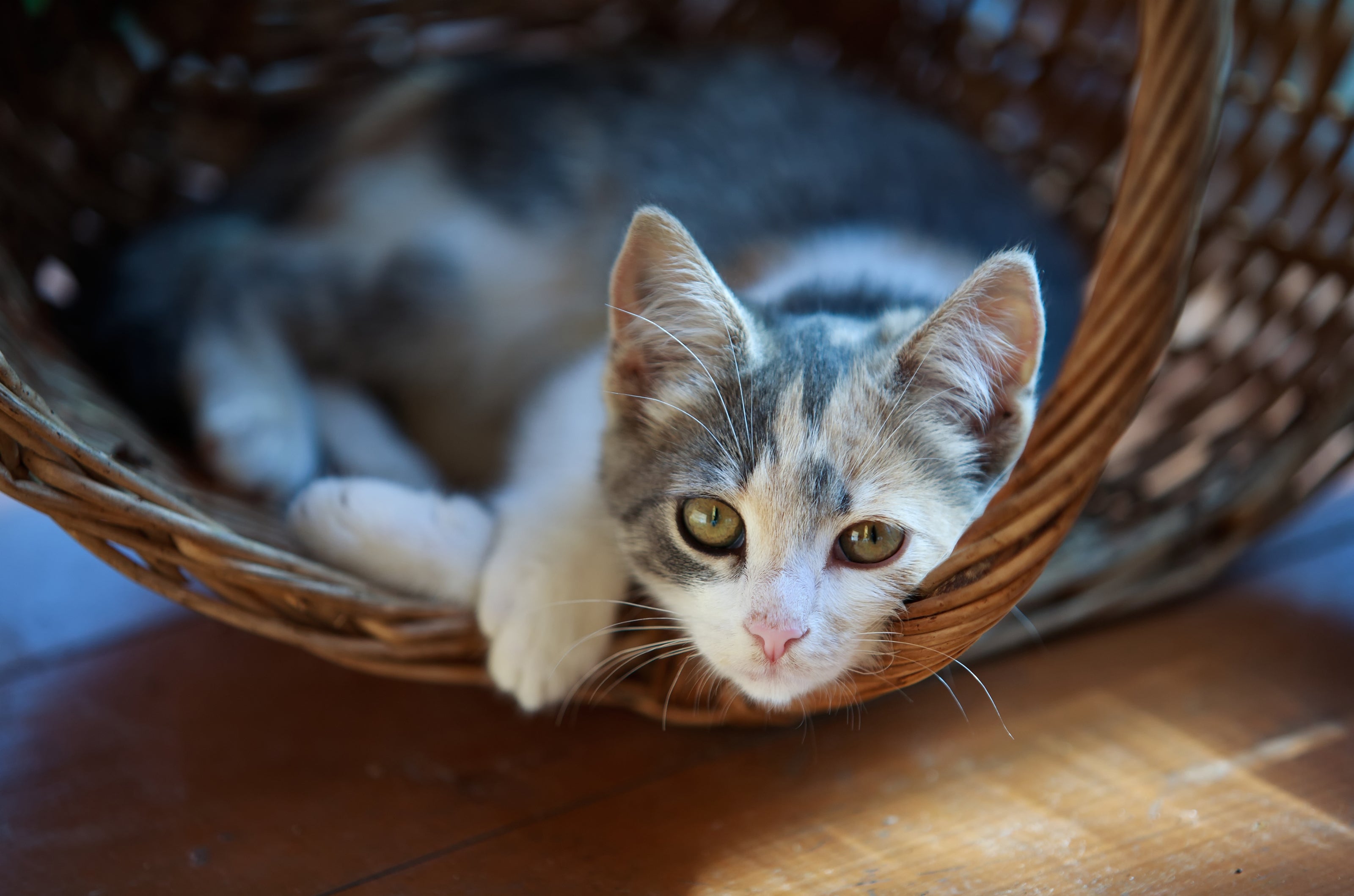
Bi color cat in basket

Note: While the breeds in this collection tend to be bicolor, individual pets will vary. Please consult the adoption organization for details on a specific pet.

Cats come in so many colors and patterns, but one of the most popular is the bicolor cat. These two-color cats have captured the hearts of cat lovers around the world for their unique and interesting look, and have been for hundreds of years. Historically, sailors even thought of bicolor cats, black-and-white cat breeds in particular, to be considered good luck. Here’s what you need to know about having a double-colored cat.

What is a Bicolor Cat? Defining the Two-Tone Look

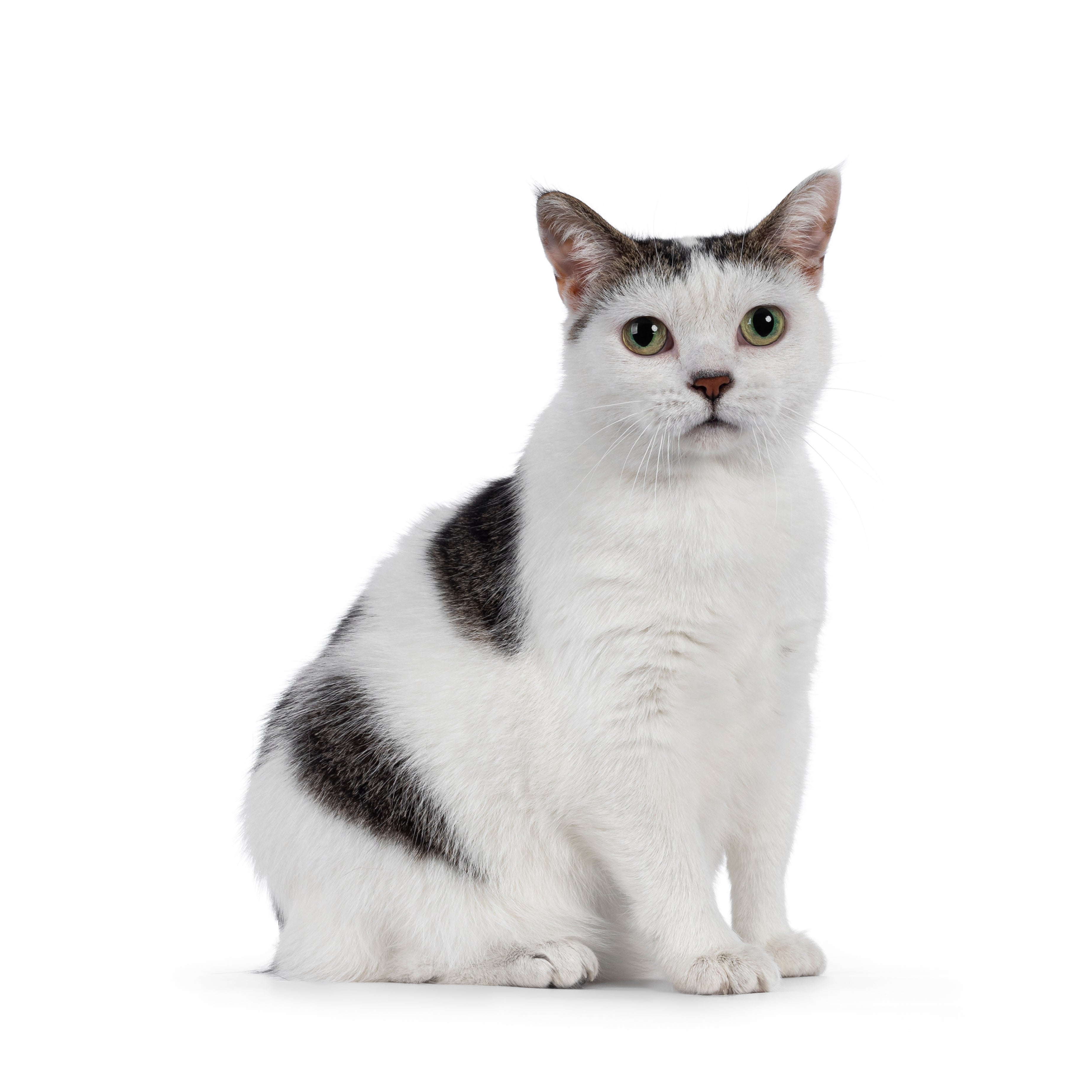
Also known as a piebald cat, a bicolor cat is any cat with a coat that has two colors. Typically, one color is white and the other can be black, orange, brown, or any other cat color. The amount of white on the feline varies.

The piebald spotting gene is responsible for their good looks, hence the name piebald cat. When the cat is an embryo, the gene interrupts the normal color development of a cat’s coat, resulting in a lack of pigment, which appears white. The amount of white varies from cat to cat depending on that cat’s genes. Some might have a small spot, while others might be mostly white with some black or orange. Bicolor refers to the coloring, not a specific breed. It’s very common in domestic mixed-breed cats to have two colors.

Bicolor Cat Common Patterns and Markings

Some bicolor markings are seen time and time again, earning distinctive names. Some of the most popular bicolor coats include:

Tuxedo Cats

One of the most common two-colored cat patterns is the tuxedo. As the name suggests, tuxedo bicolor cats look as if they are in black tie—making them just that much more adorable. They typically are solid black with white paws, chests, and bellies. Their faces might also have symmetrical white patterns. While many are black-and-white, tuxedo cats can be any color mixed with white. Tuxedo cat characteristics, including personality, vary as tuxedo refers to their coat markings, not their breed characteristics.

Harlequin Cats

Harlequin cats are mostly white and have spots of color spread over their coats in random patterns similar to a harlequin diamond pattern in fashion. The colored patches are usually larger and more distinct than in other bicolor patterns.

Van Cats

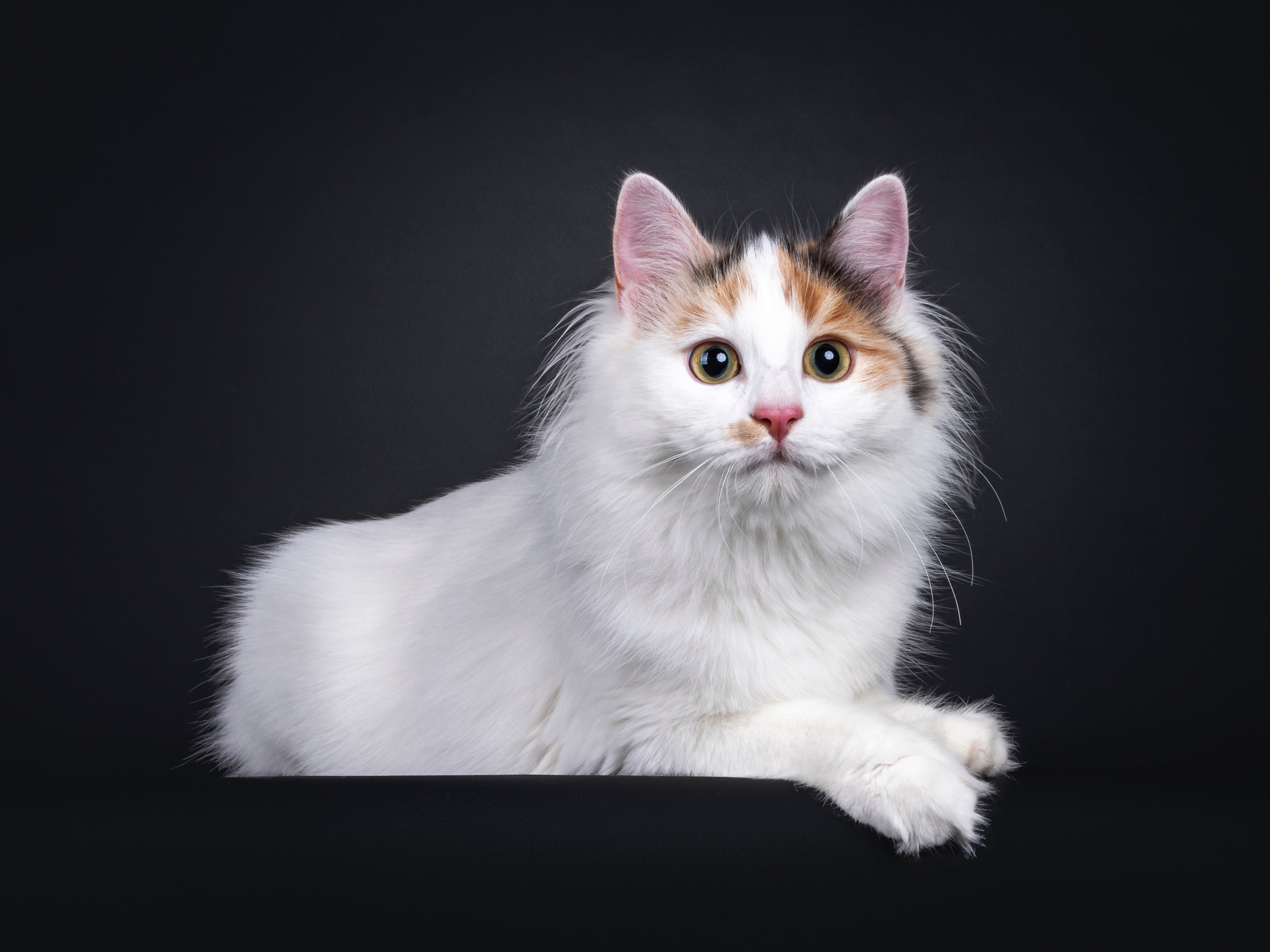
Bicolor van cats are named after the Turkish Van cat breed. They have a white body with colored markings on their head and tail only; sometimes, there might be a few smaller colored spots on their bodies. There is a variation called the “cap and saddle” that includes a colored patch on the cat’s back.

Mitted Cats

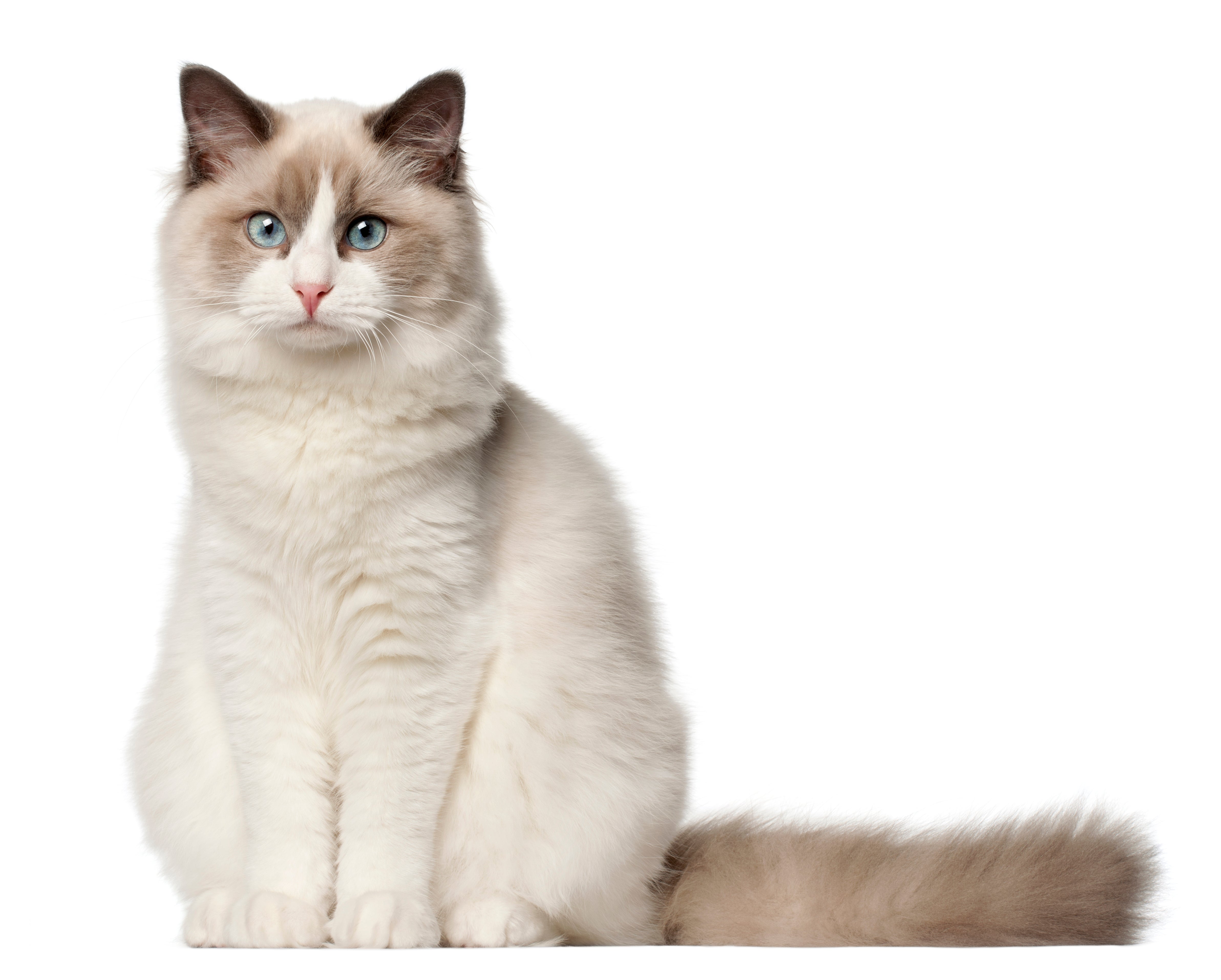
As if the tuxedo variation wasn’t cute enough, there’s also a mitted bicolor cat. They have white paws that look like mittens. They could also have white on their chin or a white stripe on their belly, and the rest of their body is typically one single color. Ragdoll cats are well-known to have mitted coloring, although it can happen in other breeds, too.

Magpie Cats

Magpie cats are also called cow or moo cats. These bicolor cat names refer to cats with large patches of color on a mostly white coat. The patterns can look like a cow’s black-and-white markings, hence the name.  

Popular Bicolor Cat Breeds 

Here are a few popular bicolor cat breeds. Note that while these are specific breeds, there are many mixed breeds that will also display bicolor cat coats. They should be considered as well.  

  1. Maine Coon Cat 

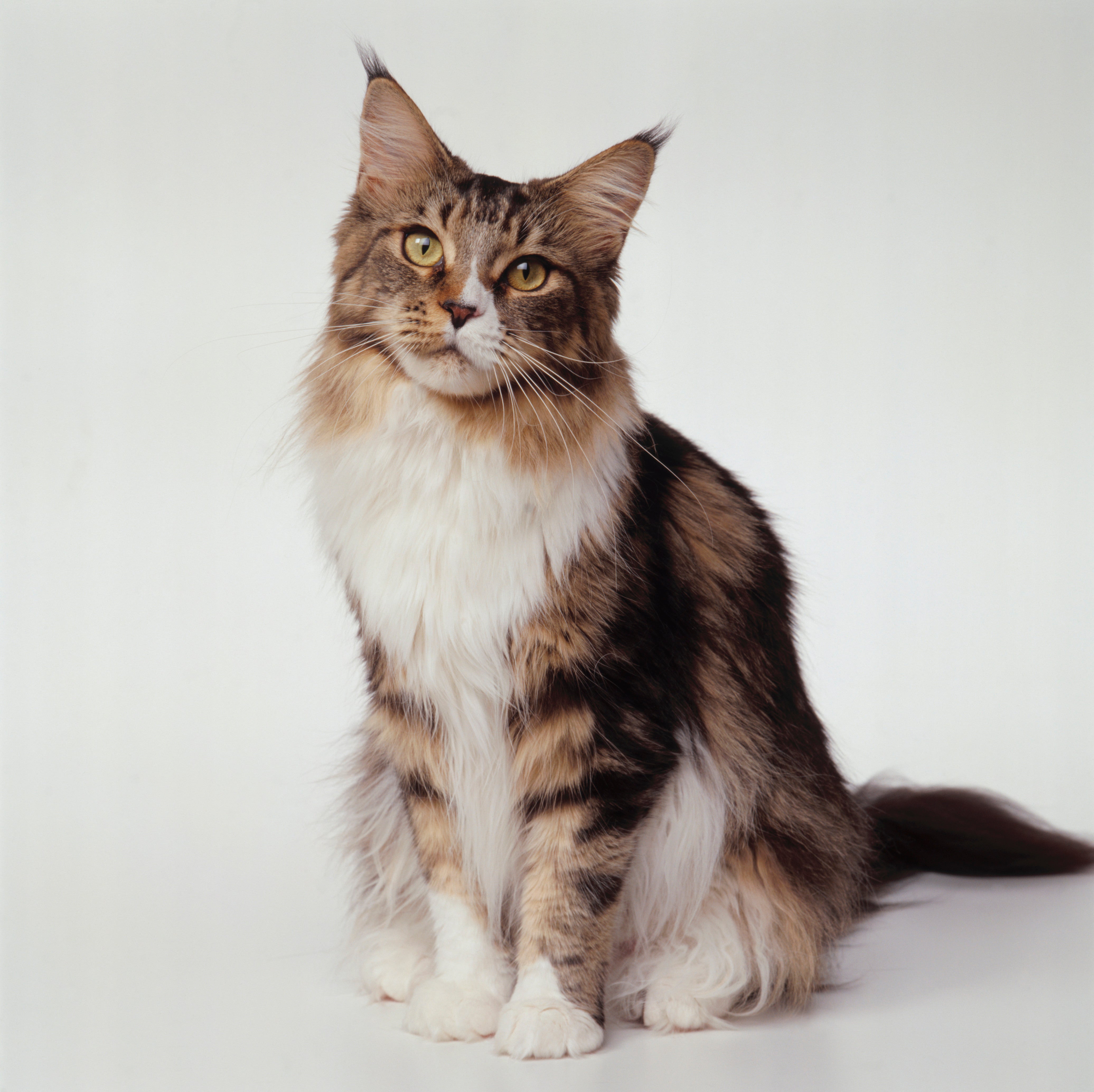
    The Maine Coon Cat is known for being one of the largest cat breeds, being extremely friendly, and coming in bicolor varieties. They have long, shaggy fur and adorable ear tufts, and come in over 60 colors and markings, including bicolor patterns. Bicolor Maine Coon Cats can have blue eyes. Outgoing and smart, they are generally good with family life.

  2. Ragdoll Cat 

    A Ragdoll Cat’s striking blue eyes complement snowy white coats—and their teddy bear attitudes. They often have the mitted bicolor pattern, which makes them extra cuddly. Relaxed and easygoing, they are sometimes compared to dogs when it comes to their undying loyalty to their humans. Ragdoll cats have semi-long coats that need regular grooming.  

  3. Persian Cat 

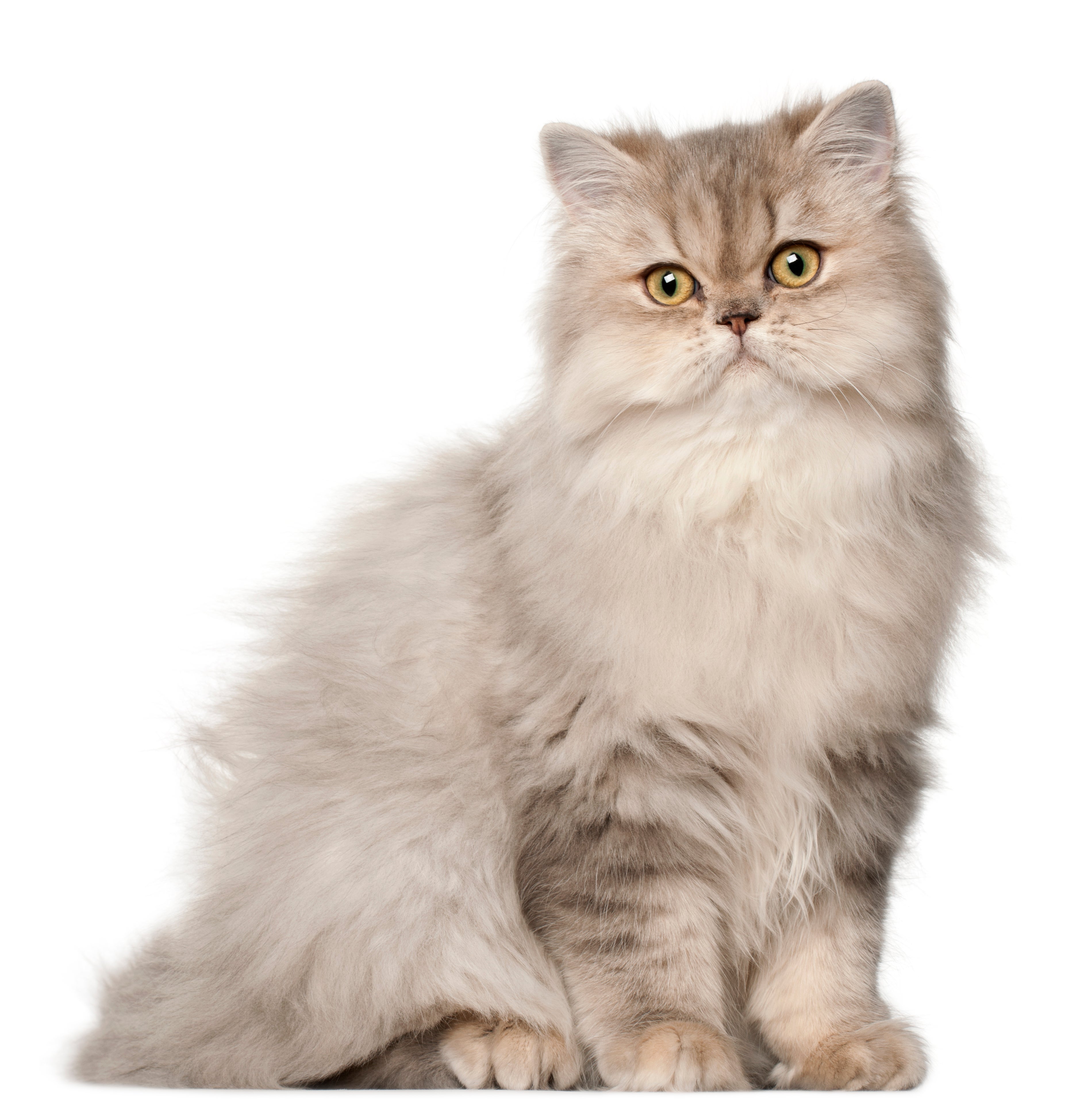
    Persian Cats have squished, flat faces and long, luxurious coats that can be bicolored. Even-tempered and sweet, these cats are the most popular breed in America. They are also the oldest cat breeds in the world, with references to them dating as far back as 1684 B.C. Queen Victoria was a huge fan of Persian cats, and it’s easy to see why: They’re introverted homebodies who love to lounge and observe their owners.  


  4. Munchkin Cat

    The Munchkin Cat has short legs but a large heart. Friendly, confident, and social, they are devoted companion cats and can come in bicolored patterns. Playful, smart, and slightly clumsy, they also enjoy “collecting” items for later review. They can’t jump. Munchkin Cats might have more health problems than the average cat due to their unique bodies, so it's important to get them seen regularly by a vet.

  5. Siberian Cat

    These Russian cats are large and robust, with semi-long fur that comes in bicolor patterns. While there is no such thing as a 100% hypoallergenic cat, Siberian Cats are tolerated by people with allergies. They need lots of grooming and regular mental and physical stimulation. In return, they’ll be smart, playful, and surprisingly agile companions.

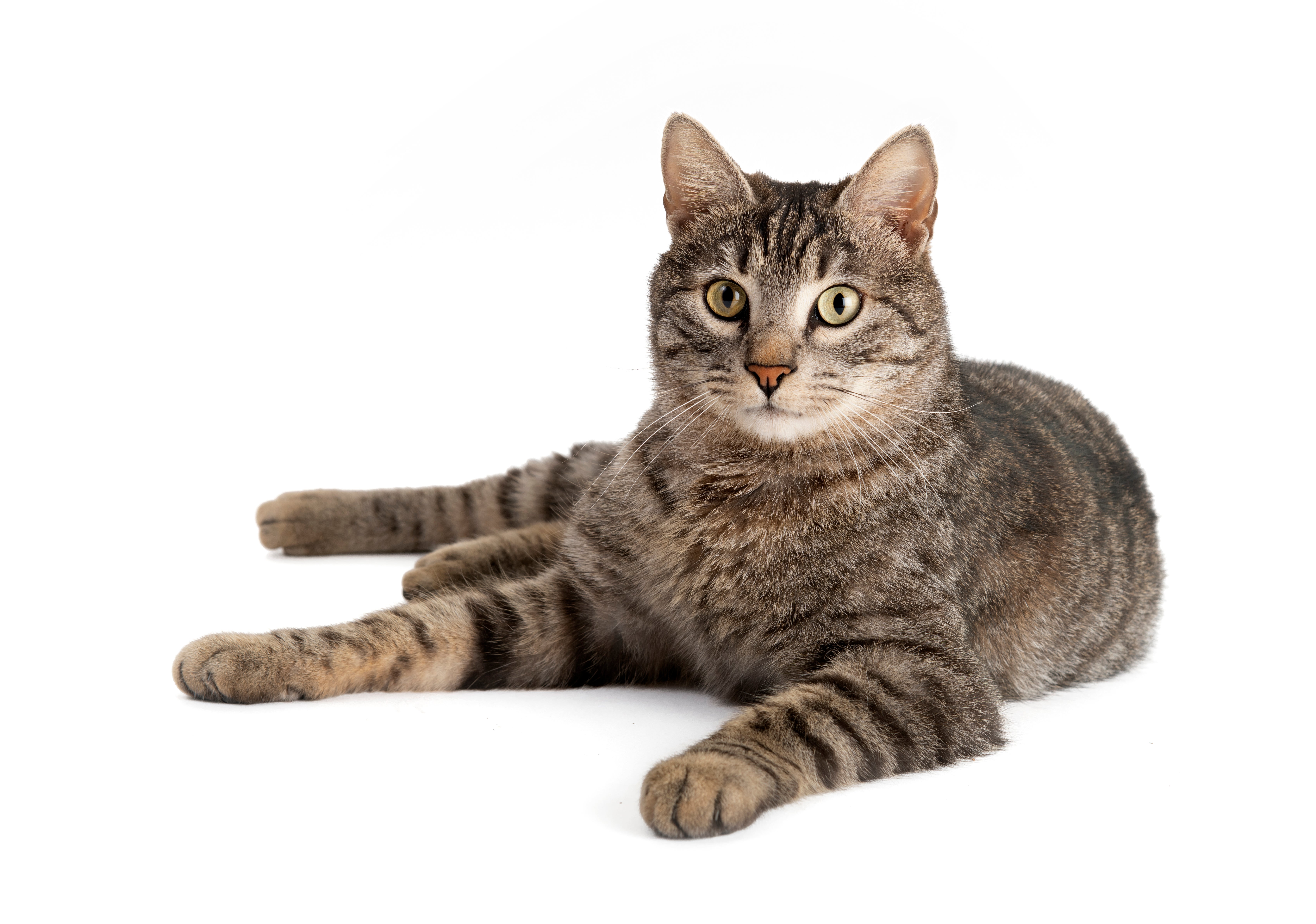
  6. American Shorthair Cat

    Medium in size and low-maintenance overall, American Shorthair Cats are a popular choice for bicolor cats. They are easygoing and adaptable cats who love attention but won’t annoy you to get it. You’ll find them nearby rather than on top of you. Quiet and calm, they thrive in homes where owners can provide the same sort of environment with gentle mental and physical stimulation.

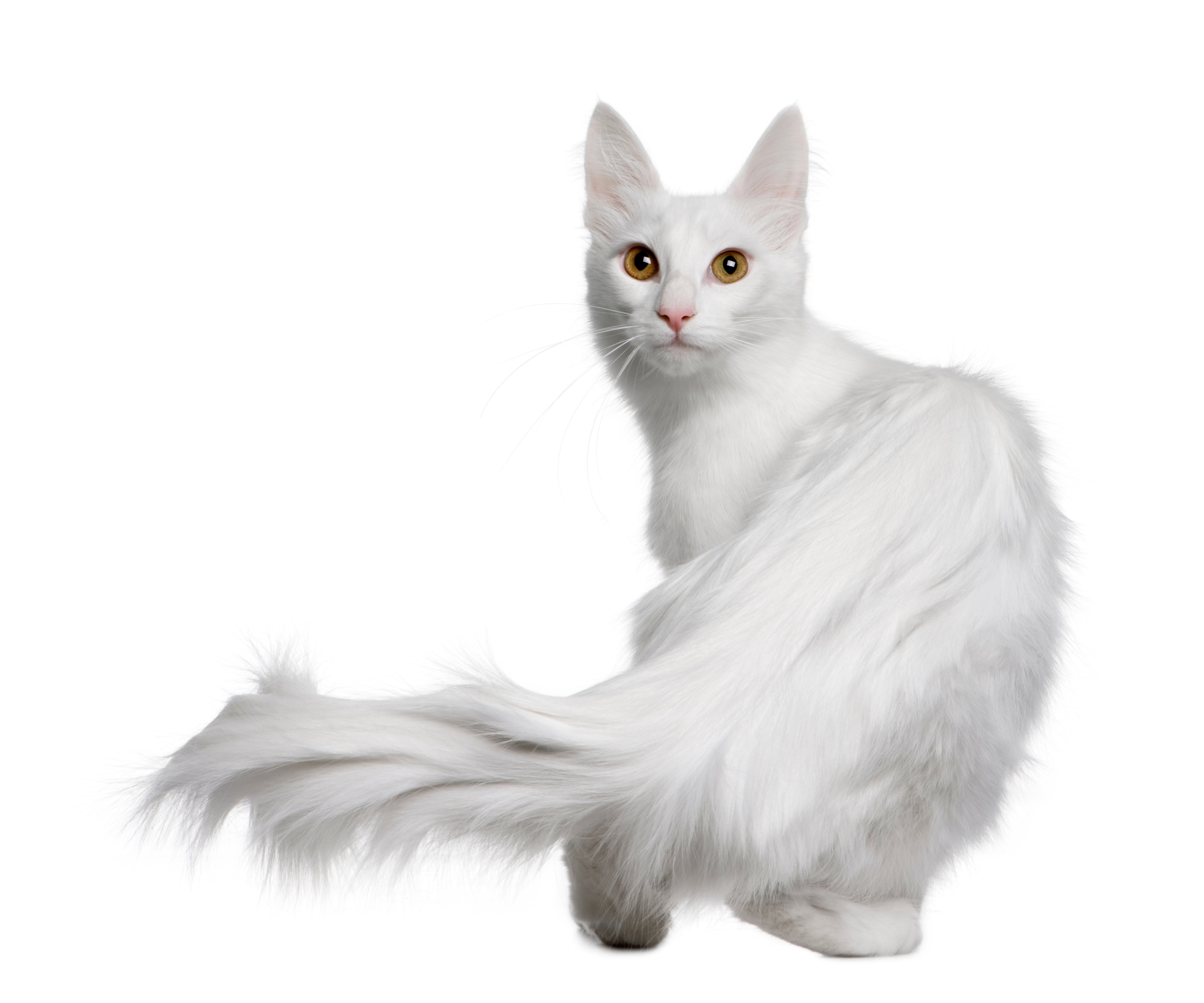
  7. Turkish Angora Cat

    The elegant Turkish Angora Cat comes in bicolor patterns. Their coats are silky and medium in length. Social and attention hogs, they can be clingy. Owners who are home most of the time are best for these cats, as they do not like to be left alone for long periods. They do have quite a bit of energy, and when they are bored, they will find other ways to expend their energy, such as deviant behavior. Overall, they are loving cats that are very chill once their needs are met.

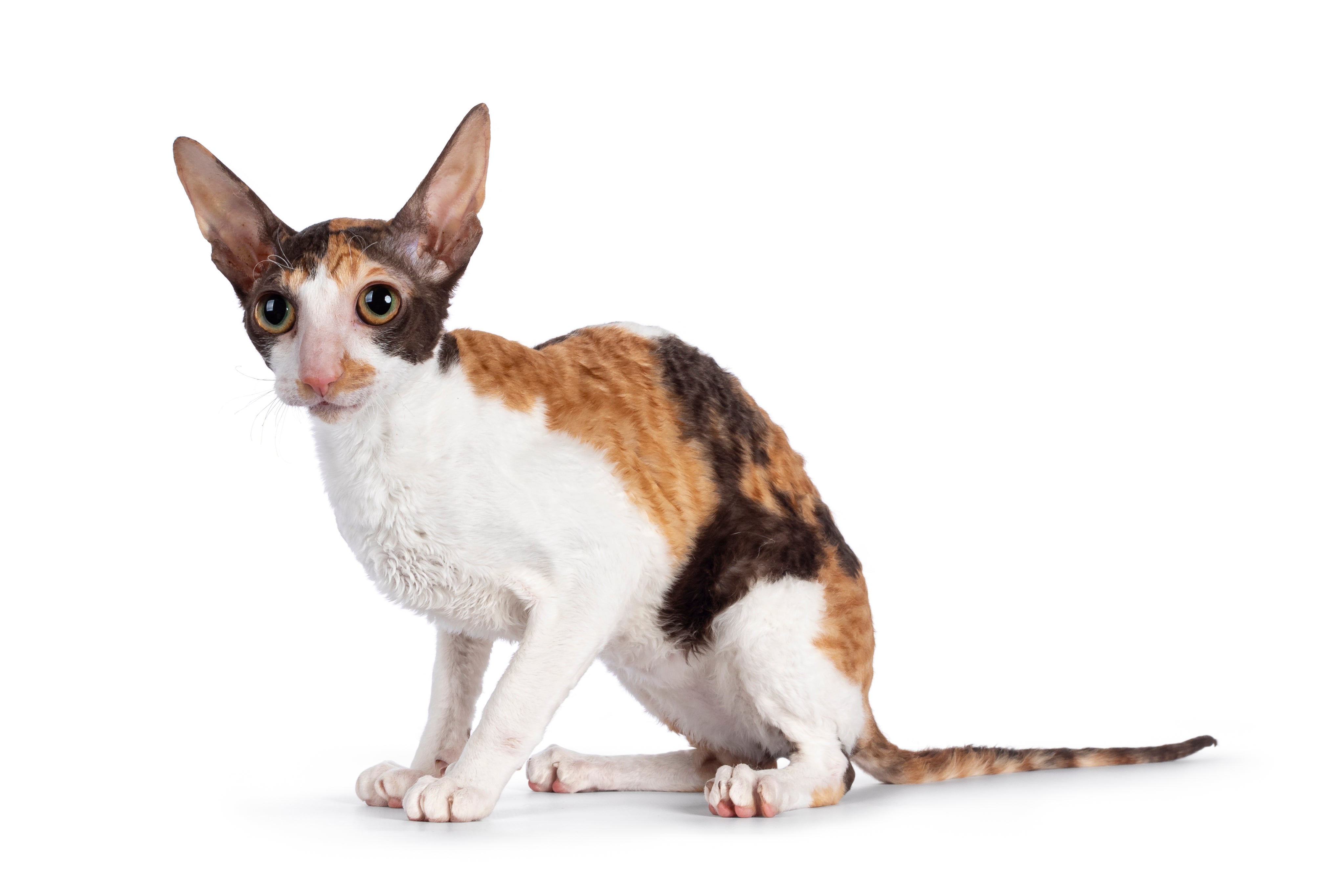
  8. Cornish Rex Cat

    The curly-coated Cornish Rex Cat can be bicolor, adding to their allure. They are energetic and playful cats that love to cuddle, thanks in part to their fine-textured coats. Their stature makes them look like kittens well into adulthood, as does their playful attitude. They love to explore, which can be funny and challenging depending on how much additional mental stimulation they are getting. Watch out—they love to steal food.

  9. Manx Cat

    The Manx Cat is a cat with no tail. They can come in bicolor patterns. Lively and outgoing, they are gentle and affectionate with those they love. They tolerate small children well. Heads up that they love playing with water! You should expect your Manx Cat to want to splash and make a mess, but they won’t want to go for a bath or a swim anytime soon.

  10. British Shorthair Cat

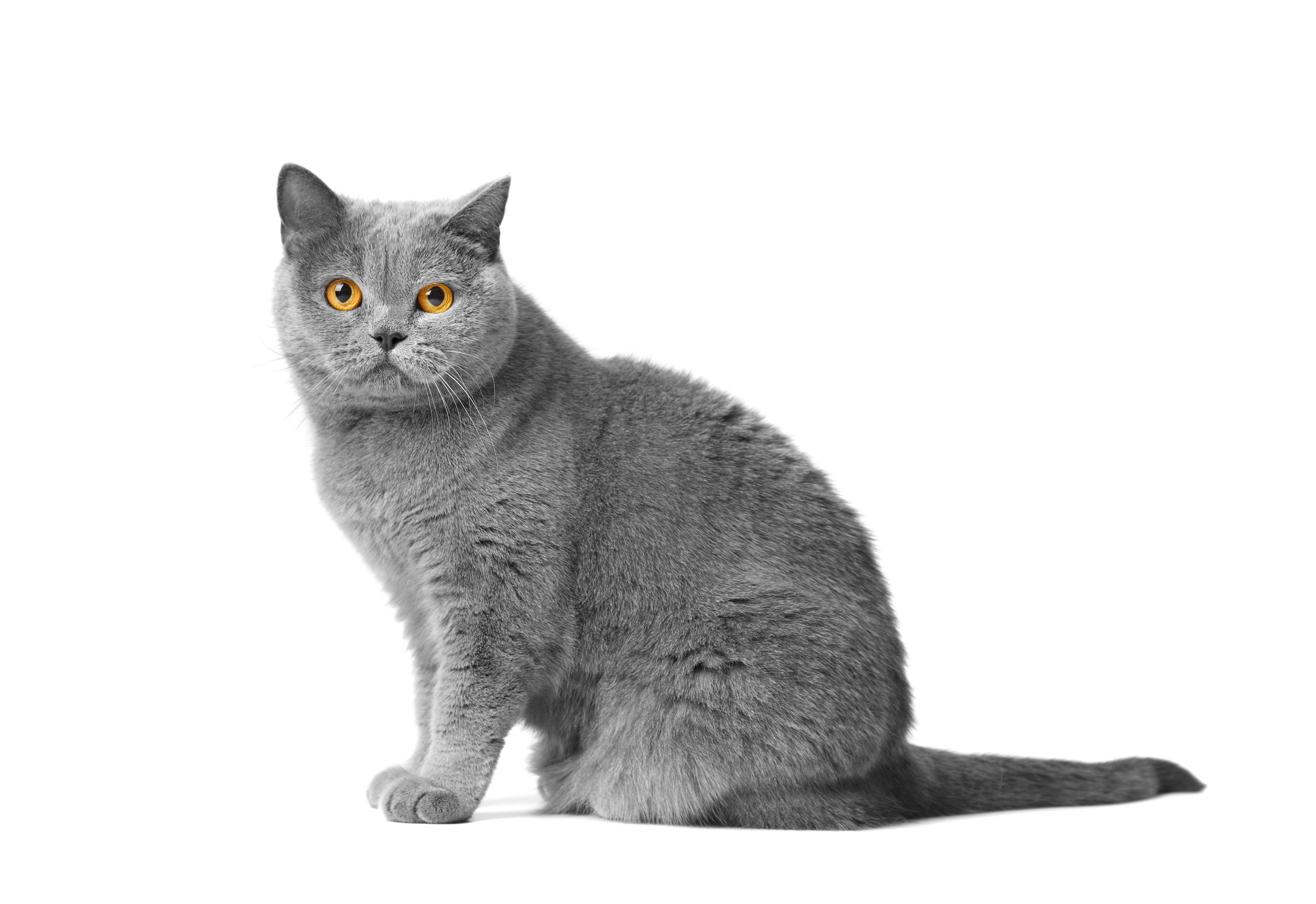
    British Shorthair Cats are full of gusto and are often funny cats. They will fight for their owners' attention, sometimes at any cost. Their coats can be bicolored, although they are famous for their solid blue coloring and are often referred to as British Blue Cats. Despite having a zest for life, they are relatively chill and less active than other cat breeds.

  11. Turkish Van Cat

    The namesake of the Turkish Van pattern, the Turkish Van Cat is a mostly white cat with colored markings on the head and tail. They have luxuriously soft coats and unique eyes that are a mix of blue and amber. Energetic and curious, especially around water, they crave attention. They need quite a bit of stimulation, so owners should be prepared to devote lots of time to them.

  12. Oriental Shorthair Cat


    The Oriental Shorthair Cat has large ears and a lithe body. They can come in any color or pattern variation, including bicolor. Smart, vocal, and ready to play at all times, they can be demanding for attention. They can get up to classic cat antics and be mischievous but in a very endearing way.

What Breed Are Tuxedo Cats?

Tuxedo cats are not a breed. Rather, tuxedo refers to the cat’s black-and-white coat pattern.  

Types of tuxedo cats include Turkish Van Cats, Cornish Rex Cats, Domestic Shorthair Cats, American Shorthair Cats, and a wide variety of other cat breeds.

Bicolor Cat Personalities

A cat’s personality is not based on their coat color. Some people believe that bicolor cats, especially tuxedo cats, have certain personality traits. For example, they are often described as being more vocal, social, or smarter than average cats because they can do tricks and solve problems. There’s no scientific evidence to support this.

People make these assumptions about bicolor cats due to a few factors, such as breed traits and cultural associations. Maine Coons and Ragdolls, both of which are known for having bicolor coats, are also known as being smart and social breeds. Some cultures consider bicolor cats, especially black-and-white cats, to be lucky. However, every cat, regardless of coat color, is individual. Factors like breeding, socialization, and mental and physical stimulation play a much bigger role in a cat’s temperament than coat color does. The only way to get to know a cat is to spend time with it.

Health and Lifespan of Bicolor Cats

The color of a cat’s coat does not significantly indicate a bicolor cat’s lifespan. Most domestic cats can live anywhere from 12 to 18 years, with some living well into their 20s. However, some breeds that are bicolored do have specific health concerns. These health concerns are related to the breed and not the coat color of the cat.

  • Maine Coon Cats might develop hip dysplasia and heart disease. 
  • Persian Cats might be more susceptible to breathing issues and respiratory diseases due to their flat faces. They also might be more prone to kidney disease.  
  • Munchkin Cats have short legs, which can lead to spinal issues and osteoarthritis.  
  • Manx Cats don’t have tails, and the gene responsible for that might cause spine issues in some cats.  

Cats that are bicolored are not purebred cats, so they generally have fewer breed-specific health issues because they have more diverse genes. To keep your cat healthy and happy, be sure to schedule regular vet checkups, feed them a balanced and age-appropriate diet, provide routine dental care, give them plenty of exercise and mental stimulation, groom them regularly, and keep them indoors to prevent diseases.  

Are Bicolor Cats Rare?

Bicolor cats are very common; it’s a cat myth that they are rare. The gene responsible for their coloring is widespread among domestic cats, and you can find piebald cats all over the world, including in shelters. Tuxedo cats are common, as are orange-and-white bicolor cats, especially male cats. Calico cats, or tricolor cats, are less common due to genetics. A male calico is rare due to genetic factors. Additionally, some bicolor patterns might be considered rare if it’s not one that appears regularly in that breed.

What’s rarer than coat color is certain patterns. Things like perfectly symmetrical markings or an unusual color combination might be considered rare.

Bicolor cats are the embodiment of cat diversity, showcasing a range of colors and patterns that make each cat unique. Bicolor does not refer to the breed but rather the coat color, and each cat will be individual in its temperament and needs.

Adopting Your Perfect Bicolor Cat

Bicolor cats are domestic mixed-breed cats and, therefore, common, especially at shelters. Spend time with a tuxedo cat or bicolor cat you are interested in to learn more about the cat’s behavior and preferences. Their beautiful coats might draw you in, but their unique personalities will make you fall in love.  

Conclusion

Bicolor cats are diverse and beautiful. The term bicolor covers a wide range of cat breeds and patterns, from Turkish Van Cats to tuxedo cats, all of which deserve love.  

If you’re thinking about adopting bicolor cat breeds for the first time, it’s important to have this information to make your decision. If you’re ready to adopt, it’s time to start thinking about the fun stuff—cat names!

For more expert tips and information on other cat breeds, explore additional cat and kitten breed group articles. 


11 Cat Breeds