Welcome home! Bringing a newly adopted dog into your life is one of the most rewarding experiences you can have. Amidst the excitement of first walks and new toys, it’s also the start of a journey to ensure your new companion is healthy and happy. One of the first health topics you’ll likely encounter is worms.
While it may sound alarming at first, dealing with worms is a very common and manageable part of dog ownership. This guide is designed specifically for new and prospective adopters. It will help you understand how dogs get worms, what signs to watch for, and how to confidently protect your new companion. With a little awareness and routine care, this is a problem you can easily stay ahead of.
How Do Dogs Get Worms in the First Place?
Dogs are curious creatures who experience the world through their noses and mouths, and sometimes their explorations can expose them to parasites. Even well-cared-for dogs can be exposed, so understanding the common sources of infection is key to prevention.
- From their mother: Puppies can be born with worms, but most acquire them shortly after birth. Roundworms, in particular, can be passed from mother to puppy during pregnancy or through nursing. This is why early and repeated deworming is standard practice for young dogs. It is also why shelters and responsible breeders have strict deworming protocols for puppies.
- From contaminated environments: The eggs of intestinal worms like roundworms and hookworms are passed in the feces of infected animals. They are incredibly resilient as they can live in the soil, grass, and outdoor surfaces for long periods of time. Dogs can become infected simply by sniffing, licking, or walking through contaminated areas and then grooming themselves. Dog parks, sidewalks, and even your backyard can be sources if infected animals have been there. In fact, the CDC actually recommends that all pet owners promptly remove their pet’s feces from the environment. This is to help reduce the spread of things like infections, diseases, and parasites, such as harmful worms.
- From fleas: Fleas aren’t just annoying. They can also carry tapeworm larvae. When a dog bites or swallows a flea during grooming, they can unknowingly ingest these larvae, which then develop into adult tapeworms in the intestines leading to an infection. This is a key reason why year-round flea control is so important for dogs.
- From mosquito bites: Heartworms are transmitted in a completely different way. When an infected mosquito bites your dog, it can transfer microscopic larvae into the bloodstream. Over time, these larvae grow into worms that live in the heart and lungs of your pup. Regular heartworm medicine becomes a critical preventative measure when it comes to protecting your pet from these invaders.
- From hunting: If your dog has a high prey drive and catches small animals like rodents or rabbits, they can ingest worms that these animals were hosting. Even scavenging or eating unknown objects outdoors can pose a risk.
Since exposure can happen in so many everyday ways, completely avoiding worms isn’t always realistic. Instead, the key is staying proactive and understanding these risks so you can take simple, consistent steps to protect your dog through prevention, hygiene, and regular veterinary care.
What Kinds of Worms Should I Know About?
Worms in dogs are generally grouped into two main categories: intestinal worms and heartworms. Intestinal worms are the most commonly seen and are often treatable with medication once diagnosed. Heartworms, on the other hand, are far more serious and can cause long-term damage to the heart, lungs, and blood vessels if not prevented or treated early.
Understanding the difference between these two groups helps you know what to watch for and why routine prevention is so important, even if your dog seems perfectly healthy.
Common Intestinal Worms
- Roundworms: These are among the most frequently diagnosed worms, especially in puppies and newly adopted dogs. They resemble long strands of spaghetti and live in the intestines, where they feed off partially digested food. In young dogs, heavy infections can interfere with nutrient absorption, sometimes leading to a swollen “potbelly” appearance, poor coat quality, and stunted growth.
- Hookworms: Hookworms are extremely small but can cause significant harm. They attach or “hook” directly onto the lining of the intestinal wall and feed on blood, which can quickly lead to weakness or anemia, particularly in puppies or smaller dogs. Because they consume blood, even a relatively mild infection can become serious if left untreated.
- Whipworms: Whipworms reside in the large intestine and can be more difficult to detect than other parasites. They often cause intermittent or chronic diarrhea, weight loss, and general digestive upset. One of the challenges with whipworms is that they do not consistently shed eggs in stool samples, which can make diagnosis more complicated and sometimes require repeat testing.
- Tapeworms: Tapeworms are long, flat, segmented parasites that usually enter a dog’s system when they swallow an infected flea during grooming. Once inside the intestines, they attach to the intestinal wall and grow in segments. These segments can break off and may be visible near the dog’s rear end or in bedding, often resembling small grains of rice or sesame seeds.
The Dangers of Heartworms
Heartworms are transmitted through the bite of an infected mosquito and represent one of the most dangerous parasitic infections in dogs. Once inside the body, the larvae travel through the bloodstream and mature into long worms that live in the heart, lungs, and certain major blood vessels. Over time, they cause inflammation, blockages, and strain on vital organs.
What makes heartworm disease especially concerning is that symptoms often appear slowly and may not be obvious until the disease is advanced. Dogs may eventually develop coughing, fatigue, reduced exercise tolerance, and breathing difficulties. Treatment can be lengthy, expensive, and physically demanding on the dog. Fortunately, heartworm disease is almost entirely preventable with consistent monthly medication, making prevention far easier than treatment.
What Are the Signs of Worms in a Dog?
One of the most important things to understand about worms is that dogs don’t always show obvious symptoms. In fact, many infections, especially in the early stages, can look completely normal from the outside. This is why routine veterinary check-ups and fecal testing are so important, particularly for newly adopted dogs whose medical history may be limited or unknown.
When symptoms do appear, they can vary depending on the type of worm and the severity of the infection. If you’ve just brought a dog home, it’s helpful to watch closely for any changes in their behavior, appearance, or bathroom habits, even subtle ones.
Common signs include:
- Diarrhea or soft stools, sometimes with blood or mucus, especially in more severe infections.
- Vomiting, which may occasionally include visible worms in more advanced cases.
- A swollen or bloated “potbelly” appearance, most often seen in puppies with roundworm infections.
- Weight loss despite a normal or increased appetite, as worms compete for nutrients.
- A dull, dry, or brittle coat that may lose its usual shine.
- Increased scooting or dragging their rear on the floor, often caused by irritation in the intestinal area.
- Persistent coughing that can be a warning sign of advanced heartworm disease or, in some cases, a heavy roundworm burden affecting the lungs.
Even if only one or two of these signs are present, it’s worth having your dog checked by a veterinarian. Early detection makes treatment much easier and helps prevent more serious health complications later down the road.
What Do Worms Look Like in Dog Poop?
Finding worms in your dog’s stool can be unsettling, but it’s also one of the most direct clues that something is wrong and needs medical attention. In some cases, you may actually see adult worms or worm segments without any special equipment.
Roundworms typically appear as long, pale, spaghetti-like strands that may be several inches in length. Tapeworms, on the other hand, are usually not seen as full worms but as small, flat segments that break off and resemble grains of rice or sesame seeds. These segments may be found in fresh stool, around the dog’s anus, or in their bedding.
It’s important to remember that not all worm infections are visible. Many parasites are microscopic and can only be detected through a fecal test performed by your veterinarian, which is why stool appearance alone is never a complete picture of your dog’s health. If you see these signs or suspect your dog might have worms, then it’s best to call your vet for proper assessment.
The Shelter’s Role in Deworming
When you adopt a dog, you’re not starting from zero when it comes to their health care. Most shelters and rescue organizations follow strict medical protocols that include physical exams, fecal checks when possible, and at least one round of deworming medication before adoption. This early intervention significantly reduces parasite loads and helps many dogs recover quickly from common infections.
However, it’s still possible for a newly adopted dog to have worms or develop symptoms shortly after coming home. This can be confusing for new owners, but it does not mean anything was missed or done incorrectly. Instead, it often comes down to how parasites behave in the body and in the environment.
Several factors explain why worms may still appear even after shelter treatment:
- Worm Life Cycles: Deworming medications typically target adult worms living in the intestines, but many parasites go through multiple life stages. Eggs or larvae that were already present in the body may not be affected by the initial treatment. Over time, these immature stages can develop into adult worms, which is why follow-up deworming is often necessary after adoption.
- Different Wormer Types: Not all dewormers are created to treat every parasite. Shelters generally use broad-spectrum medications designed to cover the most common worms, but certain infections may require more targeted or repeated treatments. If a specific parasite is identified later through testing, your veterinarian may prescribe a different or more specialized medication to fully eliminate it.
- Reinfection: Even after successful initial treatment, dogs can easily pick up worms again through everyday exposure. This can happen in shared outdoor spaces, through contact with contaminated soil or feces, or even from fleas. Because there can be a gap between the shelter’s last treatment and your dog settling into their new home, reinfection during this transition period is fairly common.
Think of the shelter’s deworming as the first step in a longer health journey rather than a complete solution. Your role as their new owner is to continue that care by following up with your veterinarian, maintaining preventative medications, and ensuring your dog stays protected going forward.
Your New Dog’s First Vet Visit: Talking About Worms
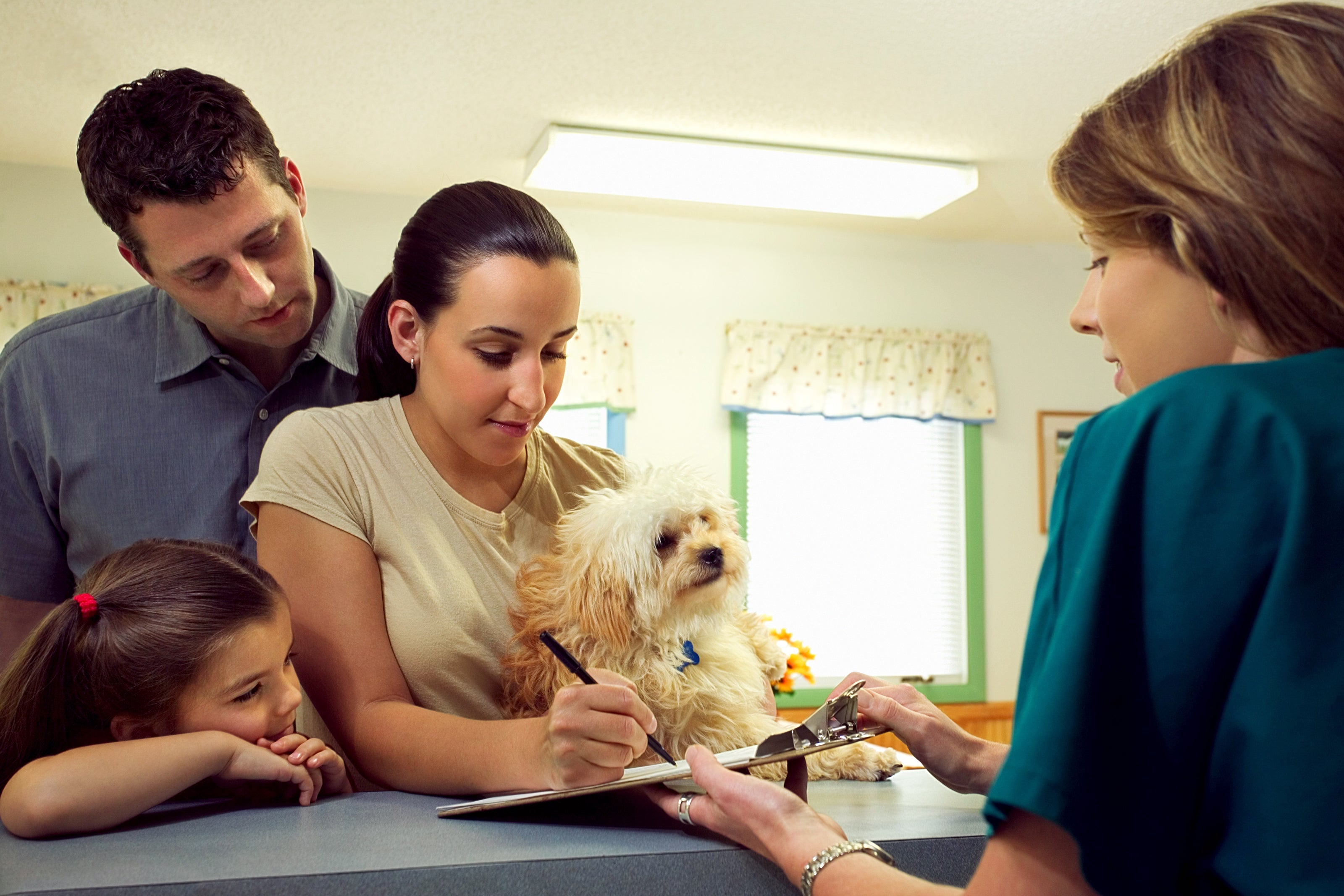
One of the most important early steps after adoption is scheduling a wellness exam with your veterinarian, ideally within the first week of bringing your dog home. Even if your dog seems healthy and energetic, this visit is essential for establishing a baseline of their overall health and catching any issues early, including parasites that may not yet be obvious.
Because worms are so common in newly adopted dogs, your vet will almost always include parasite screening as part of this first check-up. This is also your opportunity to ask questions, clarify what your dog may have already been treated for, and set up a long-term prevention plan that fits your dog’s needs and lifestyle.
To make the most of this visit, it helps to come prepared:
- Bring a Stool Sample: Your veterinarian will typically request a fresh fecal sample to test for parasite eggs under a microscope. Many intestinal worms are not visible to the eye, so this lab test is one of the most reliable ways to detect hidden infections. Ideally, the sample should be collected as close to the appointment as possible and kept clean and sealed.
- Share Adoption Paperwork: Any records provided by the shelter or rescue are extremely valuable. These documents outline what medications your dog has already received, including dewormers, vaccines, and any previous health findings. Having this information allows your veterinarian to avoid unnecessary repeat treatments and build a more accurate care plan moving forward.
- Discuss a Prevention Plan: This is one of the most important parts of the visit. Your veterinarian will recommend a year-round parasite prevention strategy tailored to your dog’s lifestyle, age, size, health status, and environment. Modern preventatives often protect against multiple threats at once, including heartworms, intestinal parasites, fleas, and ticks, making consistent monthly use a key part of long-term health care.
Taking the time to address worms early in your dog’s adoption journey not only helps treat any existing issues but also sets the foundation for preventing future infections before they start.
What to Do if Your Dog Has Worms
If your veterinarian confirms that your dog has worms, it’s completely normal to feel concerned, but there’s no need to panic. Worm infections are very common in dogs, especially newly adopted ones, and in most cases, they are straightforward to treat with the right medication and follow-up care.
Your vet will identify the specific type of parasite involved and prescribe a deworming treatment that targets it effectively. Depending on the infection, this may be a single dose or a series of treatments given over several days or weeks. In some cases, your dog may also need a follow-up fecal test to confirm that the worms have been fully eliminated.
During treatment, it’s especially important to carefully follow your veterinarian’s instructions. Even small changes in timing or dosage can affect how well the medication works. Completing the full course of treatment is essential because many dewormers kill adult worms but may not immediately eliminate eggs or immature stages. Therefore, it’s vital to follow the dosage instructions exactly and complete all follow-up treatments to break the worm life cycle.
To ensure the best outcome and prevent reinfection, keep in mind:
- Administer all medications exactly as prescribed, even if your dog seems better quickly.
- Complete any recommended follow-up doses or repeat treatments.
- Keep your dog’s environment clean by promptly picking up feces.
- Treat other pets in the household if your vet advises it, since parasites can sometimes spread between animals.
- Attend any follow-up appointments or stool tests to confirm the infection is fully resolved.
Most dogs respond very quickly to treatment and begin feeling better within days. With proper care, worms are typically a short-term issue (not a long-term problem) and your dog can return to their normal, healthy routine in no time.
Frequently Asked Questions (FAQs) for New Adopters
Q: How can you tell if a dog has worms?
A: Look for changes in their stool, appetite, or energy levels. A potbelly, vomiting, or scooting are also common signs. But since many dogs show no symptoms, the best way to know for sure is a fecal test at the vet.
Q: Can I get worms from my dog?
A: It’s rare, but some dog worms (like roundworms) can infect people. This is another great reason to practice good hygiene and to always wash your hands after picking up dog waste and before eating.
Q: Are puppies born with worms?
A: If the mother has not been treated, it is possible for puppies to be born with roundworms. This is why a proper deworming schedule starting from a young age is so important.
Conclusion: Confident Care for Your New Companion
Worms are a common and very normal part of welcoming a new dog into your life. They’re definitely not a reflection of anything you’ve done wrong. With a little knowledge and a strong partnership with your veterinarian, you can handle them quickly, effectively, and with confidence.
By staying consistent with preventative care and routine vet visits, you’re giving your dog one of the greatest gifts you can offer: protection and long-term health. Once a simple year-round prevention plan is in place, this worry fades into the background, leaving you free to focus on what truly matters, such as building trust, sharing adventures, and enjoying the deep, loving bond you and your new family member are just beginning to create.
Ready to take the next step? Explore more health and wellness articles to prepare for your new life together or view thousands of adoptable dogs on Petfinder.com.