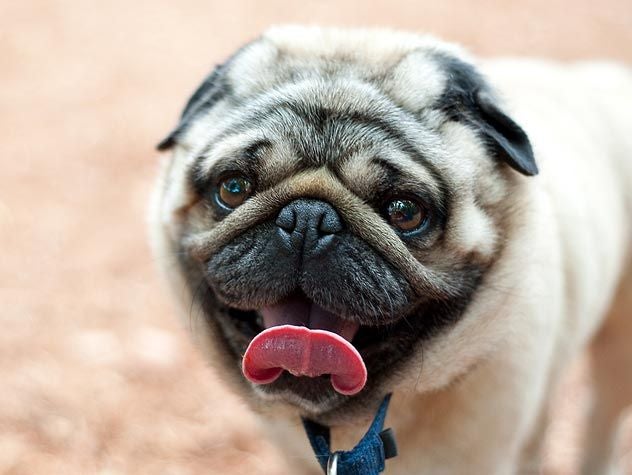
Bringing home a shelter dog that you adopt may be a rescued stray or a dog that someone has voluntarily surrendered for adoption.
Whether he was born in the bushes behind the laundromat or an adolescent abandoned on the streets by his once-upon-a-time owner, the streetwise stray can be a real challenge to incorporate into your life. The famous “he followed me home, can I keep him, Mom?” canine is a special animal that needs time and space, patience, and understanding.
The first few days in your home are special and critical for a pet. Your new dog will be confused about where he is and what to expect from you. Setting up some clear structure with your family for your dog will be paramount in making as smooth a transition as possible.
Bringing a puppy home, they need more than just a bed and a food bowl to thrive. They also need constant care and attention. While a puppy's first night at home may require a lot of work initially, it’s well worth the effort down the road. Establishing good habits in those first weeks will lay the groundwork for a lifetime of happiness for you and your dog. Remember, you have a responsibility to help your puppy grow into a happy and healthy dog. Here are some tips for puppy care to help first-time dog owners get started:
Responsibilities for the Parents of the Newly Adopted Dog:
Courtesy of Rondout Valley Kennels, Inc. (Sue Sternberg suesternberg.com)
- Never, ever leave a child alone with your new dog. Not even for a second to turn your head and answer the phone. The type of relationship we see on TV between children and dogs is a fantasy, and not a reflection of what real dogs can be like with children.
- No one in the family should be encouraging rough play, wrestling, or the dog to play with his mouth on human body parts or clothes. This is especially relevant when an adult member of the household plays with the dog in this manner, because when the child next excites the dog, the dog may be stimulated to play in the same rough manner, thereby putting the child at risk for injury.
- Your dog should be fed his meals in an area completely protected from and away from children, as much for a bit of peace and privacy as it is to prevent guarding behaviors. The dog should also be fed portions that are quickly finished, so there is nothing left in the bowl for the dog to linger over and guard. Empty bowls should be taken up and put away, so the dog won’t consider guarding the feeding area.
- Most children are not bitten by their own dog, but by a friend or neighbor’s dog. This means two things: watch your own dog closely when your child has a friend (or friends) over. Many dogs will tolerate a lot from their own family’s child, but not tolerate a visiting child. Visiting children often do not behave as well as, or may behave differently from your own children, and could bother or provoke your dog. Consequently, if your child’s friends have dogs, you need to, (as a responsible parent) go over and meet the friend’s dog BEFORE you allow your child to visit their house. It is a good idea to see the size and general nature of your child’s friend’s dog, and check to see if the owner of this dog will allow unsupervised interaction between the children and the dog, to ask where and when the dog is fed, and to check if there are any chewable toys or bones lying around, and then to either request that they be picked up and put away while your child visits, or ensure that their dog has no possessiveness problems.
When to Phone the Shelter for Advice:
- Any signs of physical rough play from the dog towards the child
- Any signs of displays of rough, physical strength from the dog towards the child
- Any growling (even during play)
- Any snapping or nipping
- Any humping or mounting of the child OR adults
- Any avoidance or resentment of physical contact (dog backs off or leaves the room when child hugs or pets or gets close to your dog.)
- Any signs the dog is afraid of the child (your dog backs away or tries to escape when the child appears or gets close.)
- Your dog seems “jealous” of intimacy or physical affection between parents or especially between child and parent (the dog barks or cuts in between people during intimacy.)
- Any signs the dog is guarding his food bowl, his bones, his toys, or “stolen” items (the dog may tense up, freeze, stiffen, growl, snap, show his teeth, snarl, or just give a ‘hairy eyeball’ to anyone approaching or coming to near his item.
- Your dog seems out of control or disobedient and “wild” with children who are playing or running around.
Remember that with proper puppy care, your new pet will grow into a happy, healthy dog — and provide you with love and companionship for years to come.