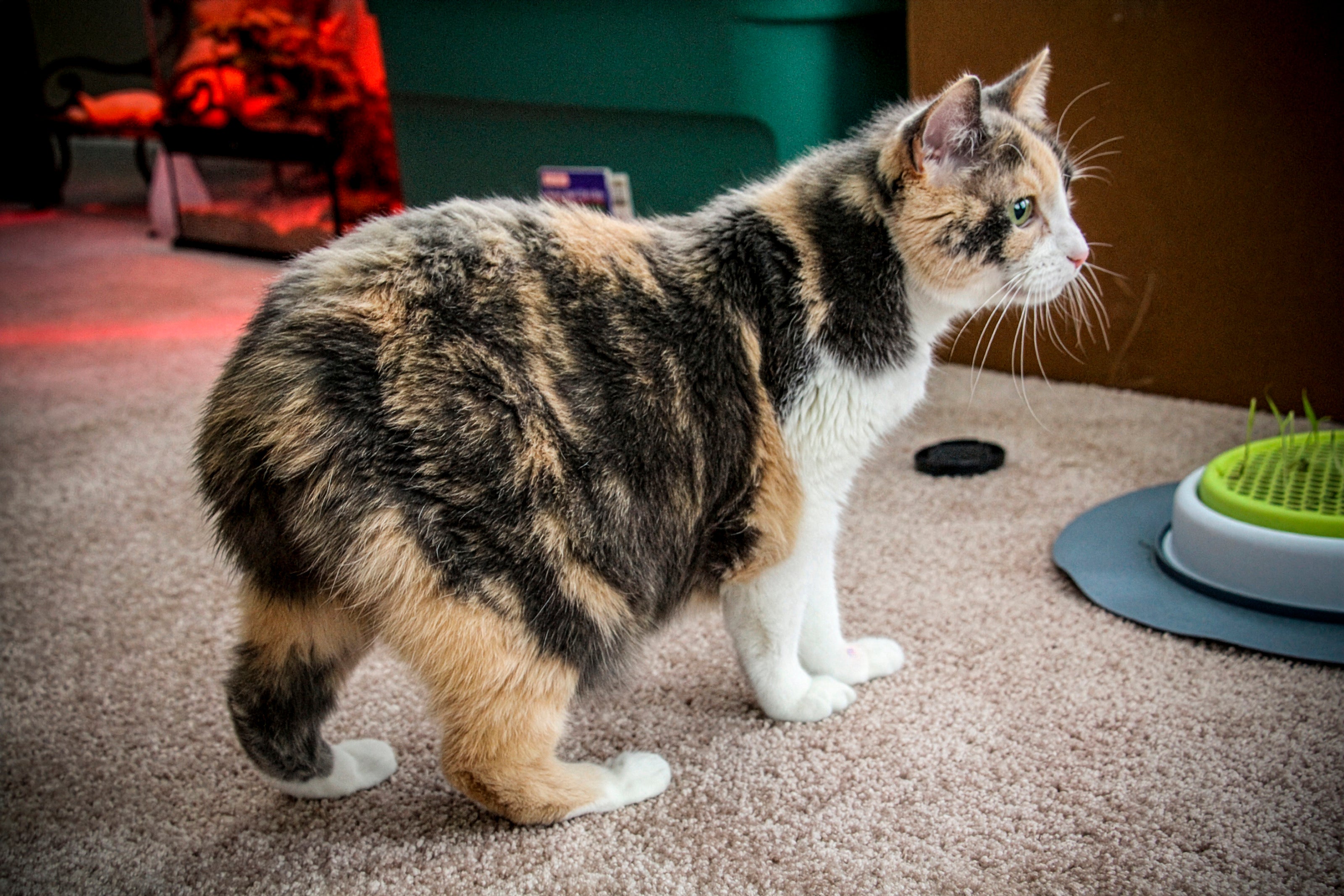
Note: While the breeds in this collection tend to be tailless, individual pets will vary. Please consult the adoption organization for details on a specific pet.
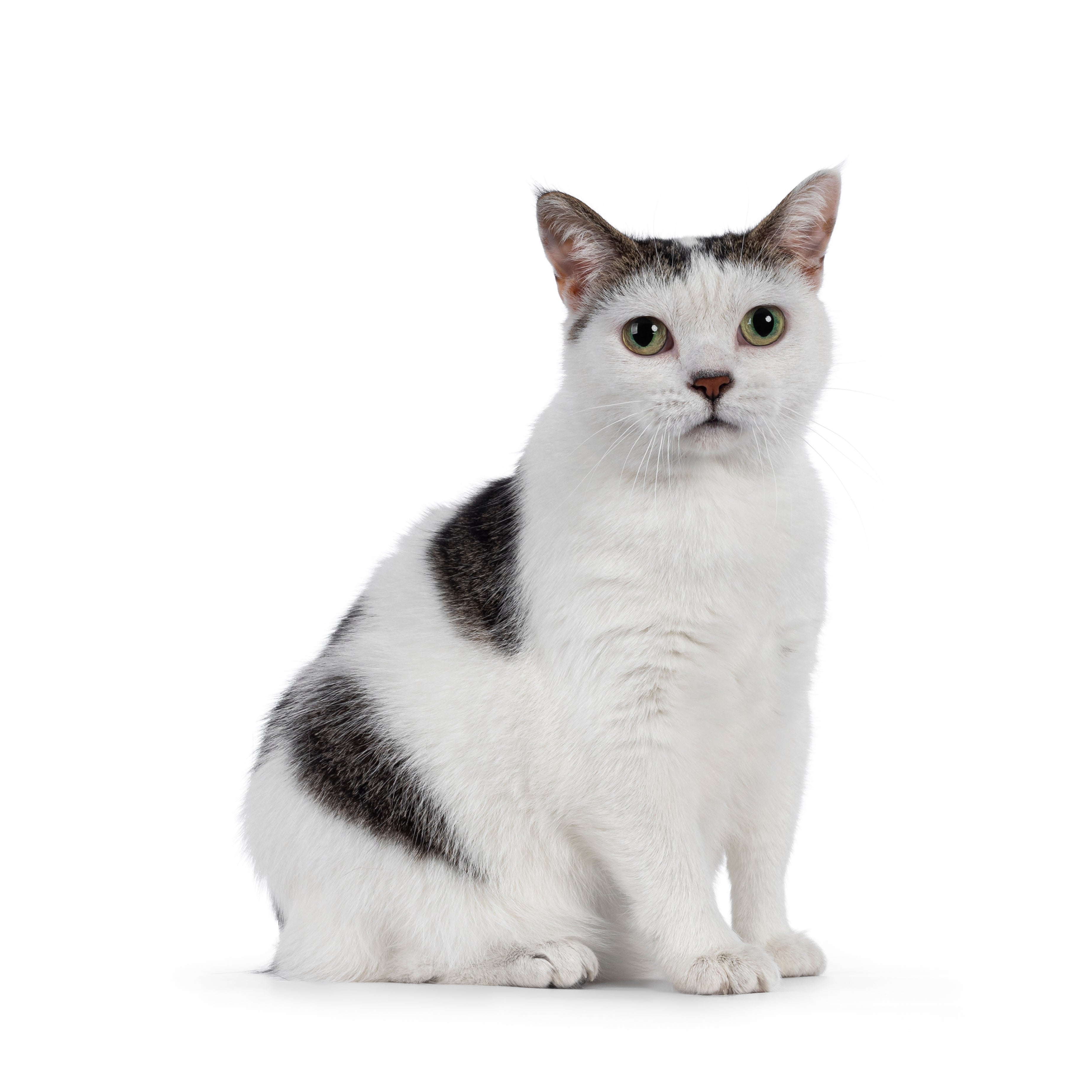
When you imagine a cat, you’re most likely picturing a fluffy feline with a long tail, flicking back and forth. But that’s not the case for all cat breeds, as there are multiple types of cats born without a tail. Although they might look a little different from their tailed sister breeds, don’t skip over these breeds when looking to adopt the perfect kitty companion. Tailless cats and short-tailed cats can be just as loving and affectionate. Here, we’ll uncover the lore behind these cats with no tails, including the genetic reason for their tailless nature and what taking care of these unique felines looks like.
Why Do Some Cats Have Short or No Tails?
While most cats boast of long tails, some are born with short, stubby nubs (called a bobtail), or even no tails at all (tailless), usually due to a genetic mutation affecting how their spine develops. Cat breeds with missing tails are relatively rare in the overall cat population, typically only in specific breeds like the Manx or occurring as a spontaneous mutation. Even tail-challenged kitties make excellent domesticated companions and will keep you company just as much as their tailed counterparts.
What Do You Call a Cat With No Tail?
The only domestic cats with no tail are Manx Cats, and they have a genetic condition to thank for that. However, some cats have super-short tails, so people often consider them tailless. You can call them tailless cats, rumpy cats, stubby tail cats, bobtail cats, no-tail cats, or any cute nickname you like. There is no official name for this type of cat.
2 No-Tail Cat Breeds
- Manx Cat: Hailing from the Isle of Man in Great Britain, Manx Cats get their looks from a genetic spine mutation. They are muscular and often likened to a rabbit thanks to their hind legs that are characteristically longer than their front. (Yes, they kind of hop like bunnies!) Besides being tailless, they are playful and affectionate. These smart and engaging cats love interacting with their humans. Despite not having a tail, a key body part that helps them with balance, they are remarkably agile, like little athletes. They love to jump, so watch out for any high ledges.
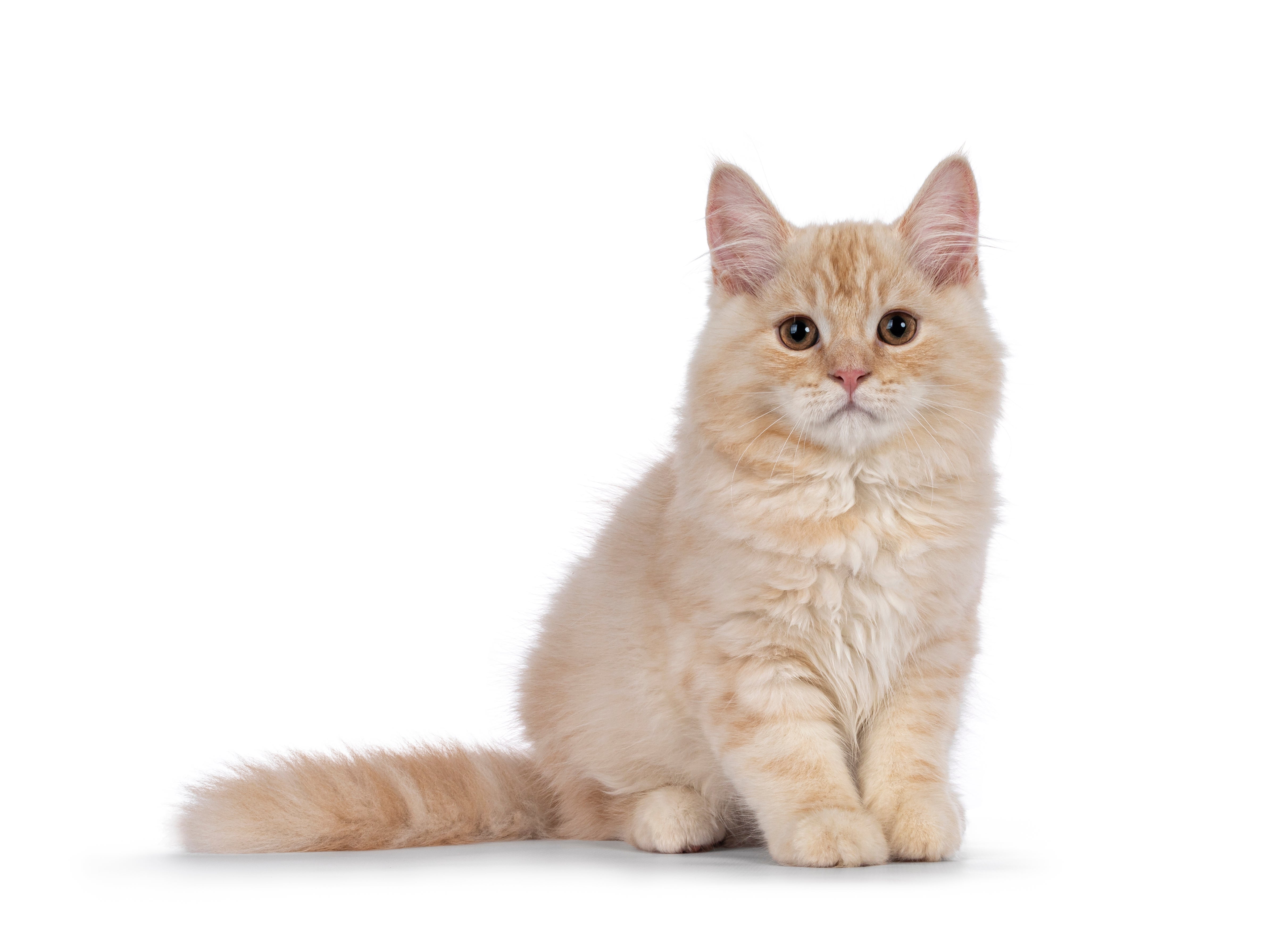
- Cymric Cat: The Cymric Cat is the long-haired, tailless cousin of the Manx Cat. They are robust and come with a thick, plush double coat. Laid-back and sweet, they are very smart and love to play as much as they love to lounge. While they’re mostly quiet and chill cats, they might get vocal or come into your space if they want to have attention showered upon them.
7 Short-Tail Cat Breeds
- American Bobtail Cat: These cats are easily identified by their short, stubby tails, which typically range from 1 to 4 inches in length. They boast a somewhat wild appearance (hence the name), featuring a muscular build and often tufted ears, leading many to draw comparisons to miniature bobcats. These exceptionally friendly felines are known for their intelligent nature and are frequently described as dog-like in their loyalty. These kitties are pretty active and enjoy interactive toys and games. American Bobtails are adaptable under many circumstances and get along well with most others, making them good family cats.
- Highlander Cat: The Highlander cat is a fairly new breed, first identified in the early 2000s as a cross between the Desert Lynx and the Jungle Curl breeds. These cats are recognizable thanks to their unique appearance, which includes a super-short tail and curled ears. Their tail lengths vary but are typically shorter than average and often have interesting kinks or curves throughout them. They are known for being athletic, friendly, and social cats. These beautiful brainiacs can also be trained to perform various tricks. Don’t be surprised if they try to join you in the shower or bathtub – they love water.
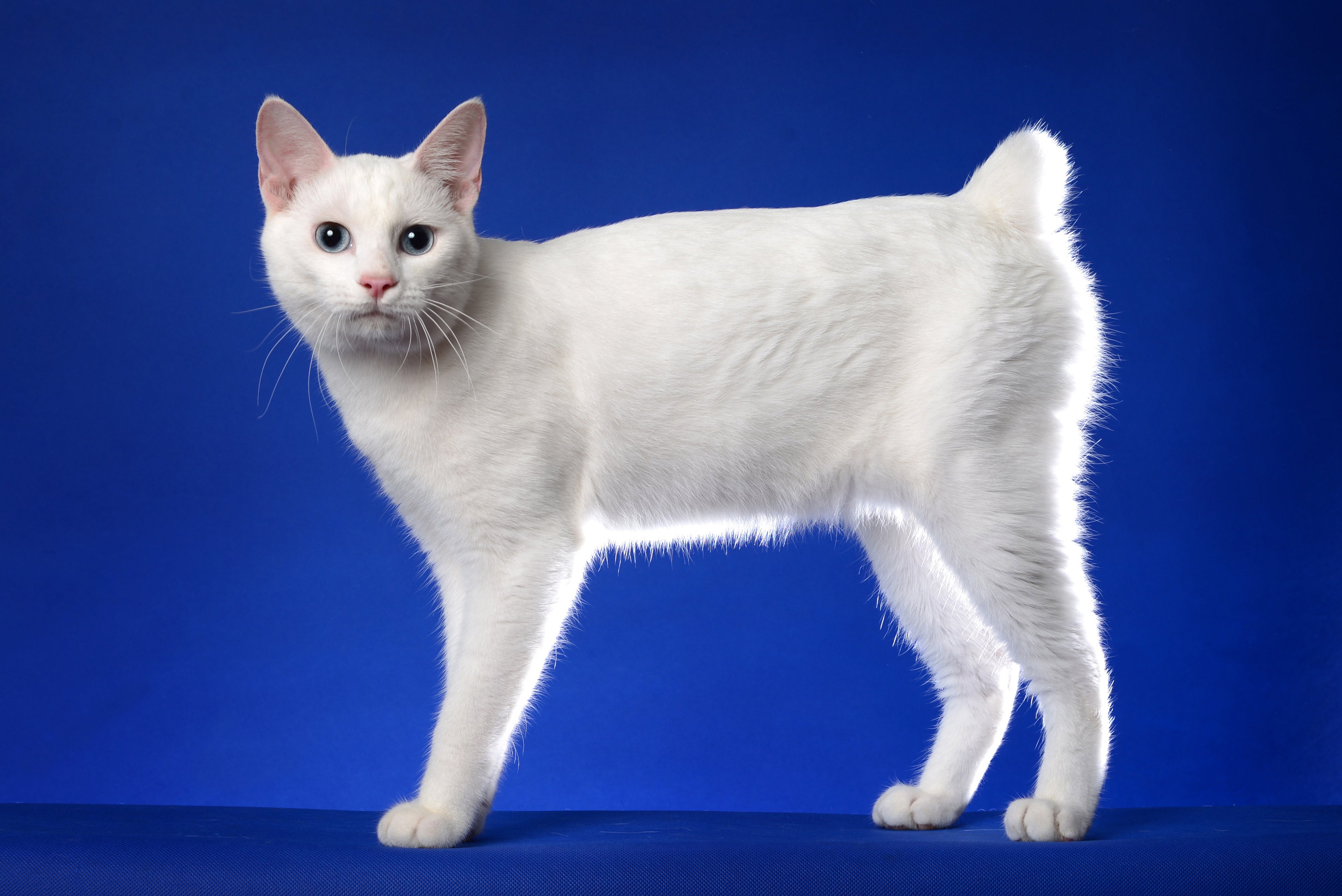
- Japanese Bobtail Cat: These ancient cats date back over a thousand years in Japan. You’ll know them by their pom-pom-like tails, which come from a genetic mutation. Their tails also usually have one or more curves or kinks, adding to their one-of-a-kind appearance. Active and intelligent by nature, Japanese Bobtails are also known to be curious and playful. They're also famous for their expressive vocalizations, using various chirps, trills, and meows to communicate.
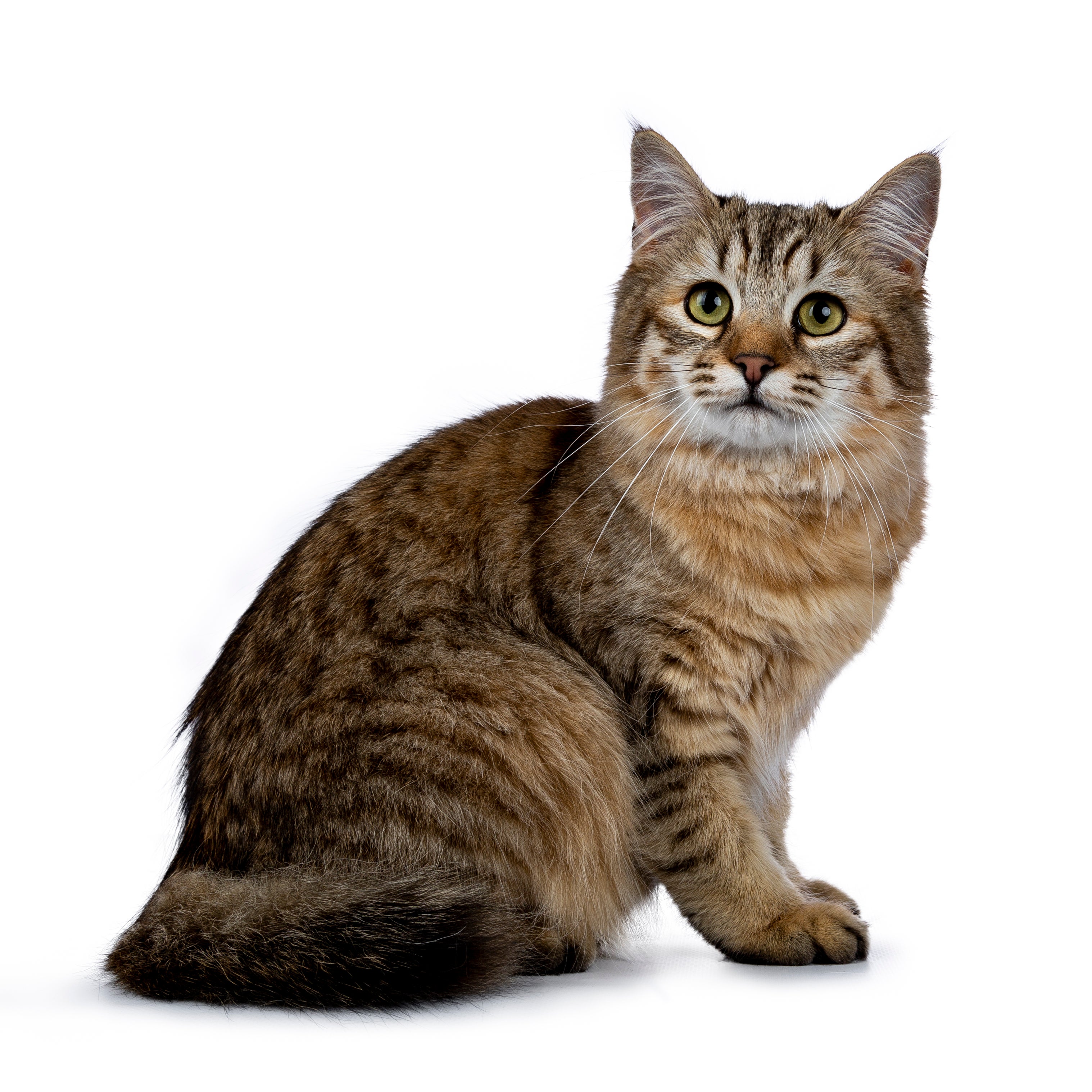
- Pixie-Bob Cat: Similar to a bobcat in looks, hence the name, Pixie-Bob cats have short tails that are 2 to 6 inches long. They can have kinks or curves in the tail and have a spotted coat and athletic build. Loyal and affectionate, they love being with their owners. Bright and trainable, they have a soft chirp they’ll use to get your attention, although they won’t use it very often. They’re fairly quiet cats all around, making them good for quieter, calmer households.
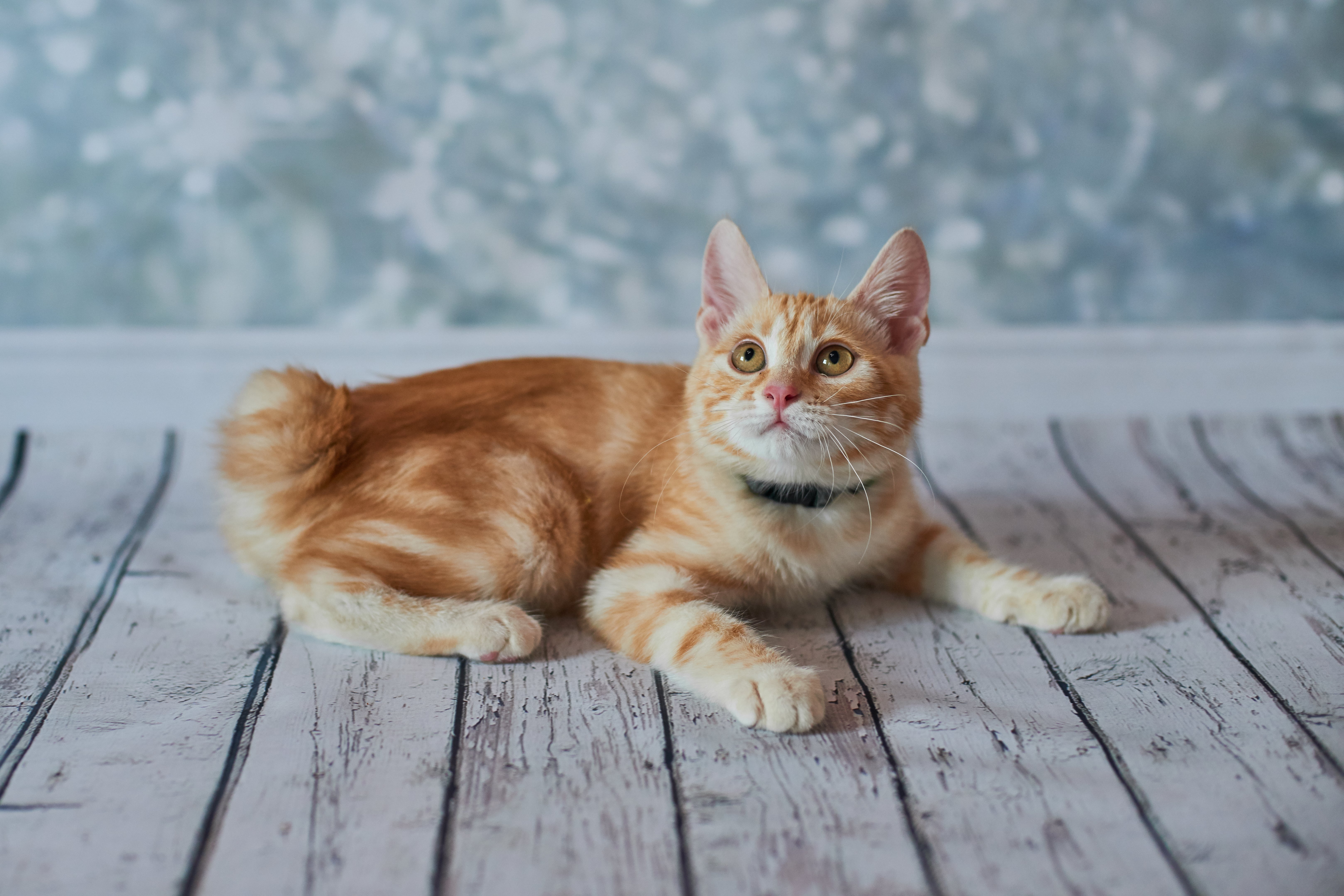
- Kurilian Bobtail Cat: These Russian cats have short, pom-pom-like tails with kinks and curves. They are friendly and energetic cats that are very smart and enjoy having their brains exercised through things like games and puzzles. They might look wild, but they are calm and loving cats that are highly adaptable. They love to jump, so don’t be surprised to see them up high in spots around your house.
- Karelian Bobtail Cat: Another Russian cat with a super-short tail, the Karelian Bobtail can be short- or long-haired. Their tails have kinks or curves in them. They enjoy lounging around just as much as they do figuring out a puzzle. While they look wild, they’re usually calm and easygoing cats.
- Mekong Bobtail Cat: This Asian cat is sometimes called the Thai Bobtail Cat. They have short, kinked tails and blue eyes, making them a unique-looking cat. Intelligent and friendly, they love their families and bond with them, despite being a cat that’s quieter than other similar breeds.
Caring for a “Tailless” Cat Breed
Caring for a cat with a short tail or no tail requires about as much time and attention as any other cat breed to make them feel loved. There are a few things to note, though, such as the fact that they might have health issues linked to the genes that give them their good looks.
Short-tailed or tailless cats, especially Manx Cats, will have Manx Syndrome. This might affect their spine, their digestive system, their bladders, and more. You’ll want to go to regular vet visits with a professional who knows about this condition and who can help you with any potential issues. On the bright side, they can’t knock things over with their tails and they won’t have tail injuries, which some cat owners may see as a bonus! Regular vet checkups, a balanced diet, and plenty of exercise and mental stimulation can help your cat live a long and healthy life.
Personality of Cats That Don’t Have a Tail
There is no overarching personality that all tailless cats share, but rather a diverse set of personality traits that some breeds might have, although every cat is different. Many breeds like Manx Cats and American Bobtail Cats are known for their dog-like loyalty and how affectionate they are with their owners, forming strong bonds. Some people assume that tailless cats are more aggressive, but many of these no-tail cat breeds are gentle and friendly.
Adopting a Cat Without a Tail
If you are considering adopting a tailless cat, know that most breeds with this condition are playful and affectionate, and most love active households where they are part of the family. Some prefer quieter homes, so it’s important to spend time with the cat before you make your decision. No matter what kind of tailless cat you choose, these cats prove that sometimes, less really is more.
Conclusion
Just because they’re missing tails doesn’t mean that tailless cats don’t have plenty of love to give. They have unique appearances and a wide variety of personalities, with something for every cat lover.
If you’re thinking about adopting no-tail or short-tail cat breeds for the first time, it’s important to have this information to make your decision. If you’re ready to adopt, it’s time to start thinking about the fun stuff – cat names!
For more expert tips and information on other cat breeds, explore additional cat and kitten breed group articles.