Sencha
- Baby
- Unknown
- Small
- reptile
- Bearded Dragon
About Sencha
JACKSON, NJ
Species & Breed
Physical Traits
Behavior
Health
Sencha's Compatibility
This pet has good compatibility with kids.
This pet has unknown compatibility with dogs.
This pet has unknown compatibility with cats.
This pet has bad compatibility with other animals.
Adoption Fee
Please contact the shelter about adoption fee
Petfinder recommends that you should always take reasonable security steps before making online payments.
Sencha's Story
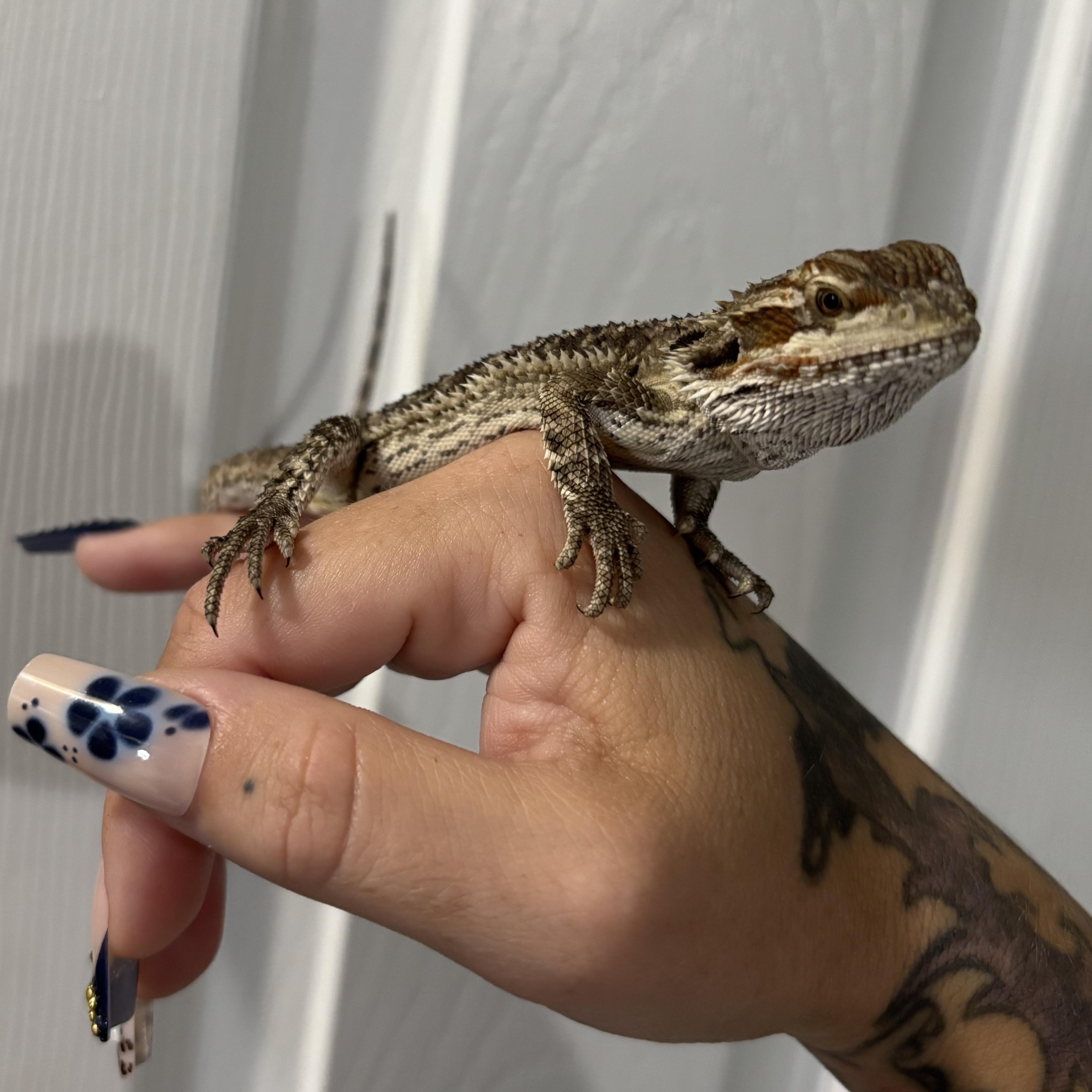
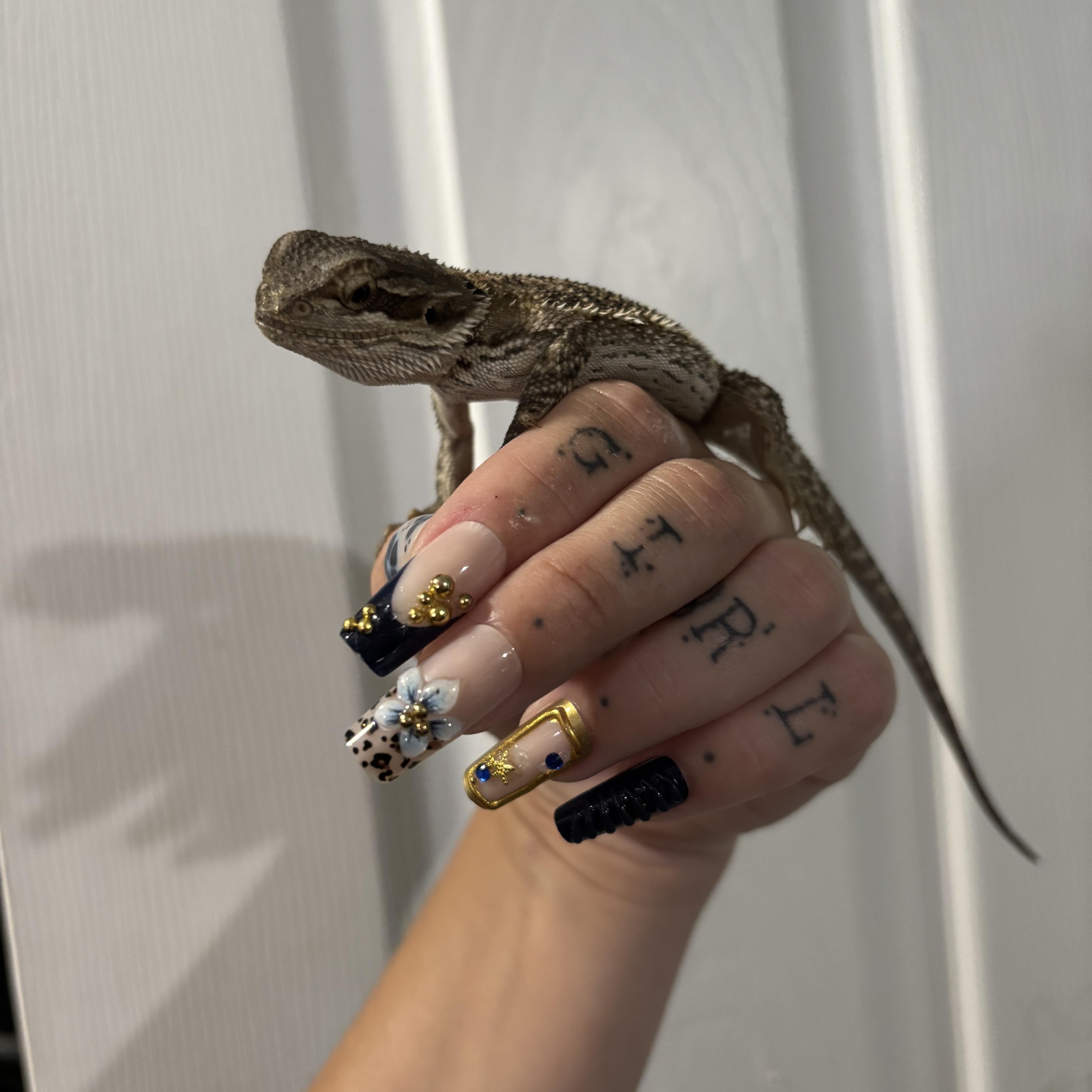
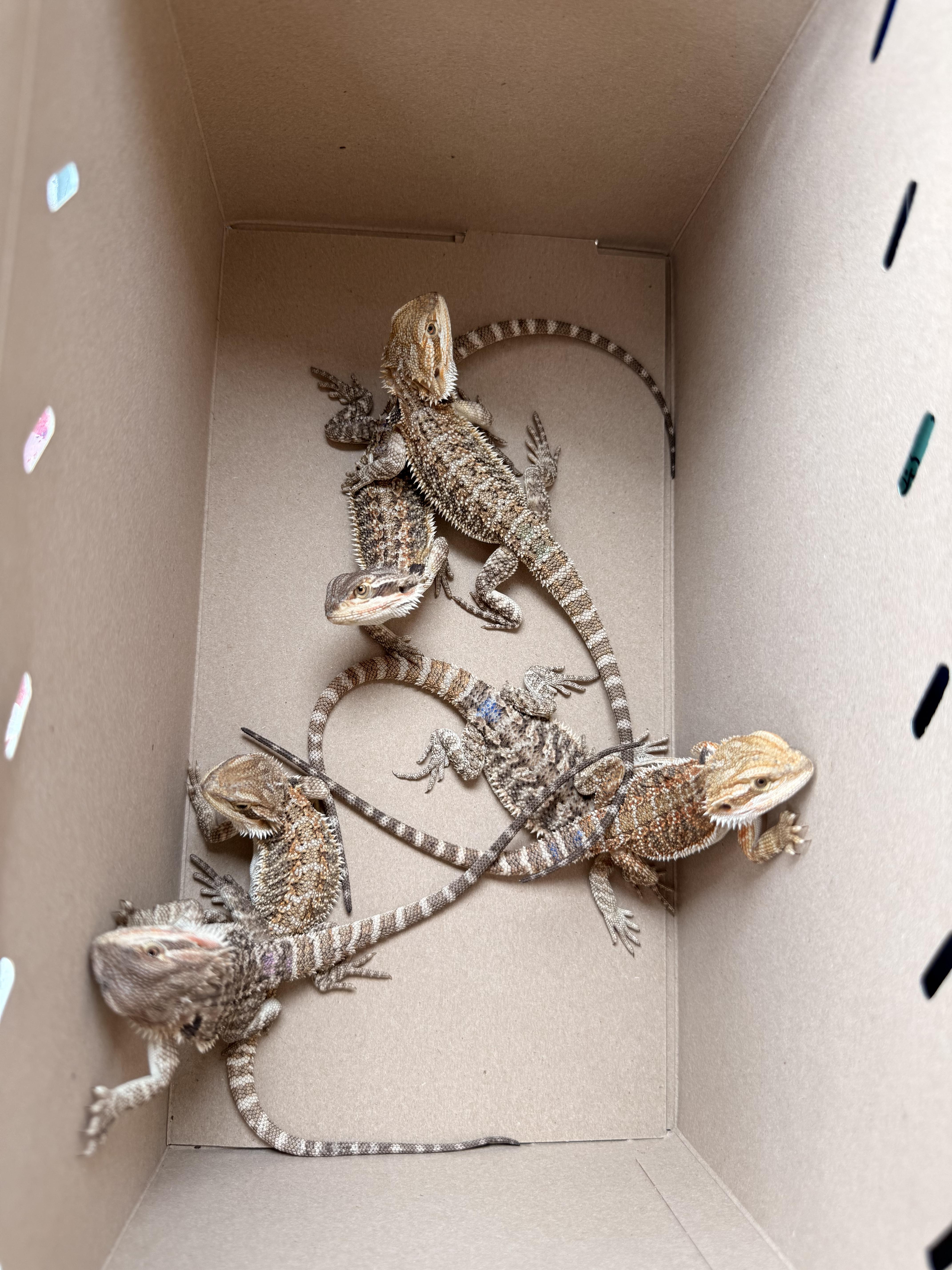
Sencha is approx 2 months old, sex is currently unknown. Sencha came in from a backyard breeding case, with 5 other siblings. Sencha is similar to her other siblings in that shes an eating machine, and cant wait to be loved!<br/><br/>Sencha must be adopted to a home without other bearded dragons / agamid lizards, as Cham was exposed to reptile adenovirus. Because these babies were housed together before coming into our care, we ran stool testing, managing the group based on the results.<br/><br/>We received mixed results, with positive adenovirus. However, since all six were housed together for approximately two months, every baby was exposed to ADV and will need to be managed cautiously.<br/><br/>ADV is most commonly associated with bearded dragons / agamid lizards. These babies should not have contact with other bearded dragons or share enclosures, supplies, feeding tools, or cleaning equipment with them. Good hygiene and separate equipment are necessary in any reptile household.<br/><br/>A home with other reptile species, such as crested geckos, may still be considered, as transmission of bearded dragon ADV to unrelated reptile species is not well established. However, adopters must be comfortable following strict hygiene and biosecurity practices.<br/><br/>These babies may remain completely healthy, but adopters must understand that ADV can sometimes cause illness, particularly during periods of stress or weakened immunity.<br/><br/>Each baby will be adopted with full disclosure and a sponsored adoption fee, covered by our generous supporters. Applicants should have appropriate bearded dragon experience (or a great willingness to learn), a properly sized enclosure, correct UVB lighting, heating, and veterinary care available when needed.<br/><br/>Below is a great reference and educational link:<br/>https://reptilesmagazine.com/atadenovirus-this-disease-can-be-deadly-to-your-bearded-dragon/
Sencha is approx 2 months old, sex is currently unknown. Sencha came in from a backyard breeding case, with 5 other siblings. Sencha is similar to her other siblings in that shes an eating machine, and cant wait to be loved!
Sencha must be adopted to a home without other bearded dragons / agamid lizards, as Cham was exposed to reptile adenovirus. Because these babies were housed together before coming into our care, we ran stool testing, managing the group based on the results.
We received mixed results, with positive adenovirus. However, since all six were housed together for approximately two months, every baby was exposed to ADV and will need to be managed cautiously.
ADV is most commonly associated with bearded dragons / agamid lizards. These babies should not have contact with other bearded dragons or share enclosures, supplies, feeding tools, or cleaning equipment with them. Good hygiene and separate equipment are necessary in any reptile household.
A home with other reptile species,
Sencha is approx 2 months old, sex is currently unknown. Sencha came in from a backyard breeding case, with 5 other siblings. Sencha is similar to her other siblings in that shes an eating machine, and cant wait to be loved!
Sencha must be adopted to a home without other bearded dragons / agamid lizards, as Cham was exposed to reptile adenovirus. Because these babies were housed together before coming into our care, we ran stool testing, managing the group based on the results.
We received mixed results, with positive adenovirus. However, since all six were housed together for approximately two months, every baby was exposed to ADV and will need to be managed cautiously.
ADV is most commonly associated with bearded dragons / agamid lizards. These babies should not have contact with other bearded dragons or share enclosures, supplies, feeding tools, or cleaning equipment with them. Good hygiene and separate equipment are necessary in any reptile household.
A home with other reptile species, such as crested geckos, may still be considered, as transmission of bearded dragon ADV to unrelated reptile species is not well established. However, adopters must be comfortable following strict hygiene and biosecurity practices.
These babies may remain completely healthy, but adopters must understand that ADV can sometimes cause illness, particularly during periods of stress or weakene
Search for a scales, fins & other like Sencha
Help with Sencha's care
Sencha is from Wild Exotics Animal Refuge
[JACKSON, NJ]
Search for a scales, fins & other like Sencha
Help with Sencha's care