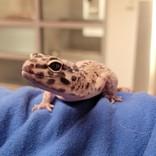
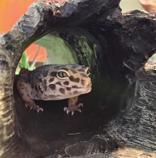
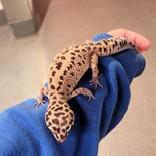
Aztek
- Adult
- Male
- Small
- reptile
- Gecko
About Aztek
Hilliard, OH
Species & Breed
Physical Traits
Behavior
Aztek’s Compatibility
This pet has unknown compatibility with kids.
This pet has unknown compatibility with dogs.
This pet has unknown compatibility with cats.
This pet has unknown compatibility with other animals.
Petfinder recommends that you should always take reasonable security steps before making online payments.
Aztek's Story
Come stop in during open hours to meet Aztek! If you have previous handling experience with leopard geckos, we have no issues if you’d like to attempt to handle ours, just be sure to ask an adoptions associate before doing so. Learn more about the care requirements for these reptiles below!<br/><br/>Habitat: Leopard geckos need a secure tank (20-40 gallons for one adult). Provide a warm hide, a cool hide, and a moist hide to help with shedding. Use reptile-safe flooring like loose substrate (soil and sand mixture).<br/><br/>Temperature: They need a warm side around 88–92°F (31–33°C) and a cool side around 75°F (24°C). The best heat source for a leopard gecko is an overhead halogen basking bulb (50-75W) to simulate the sun, creating a basking spot of 90-95°F. Leopard geckos should also have 2.5 to 7% UVB light- essential for vitamin D3. Use a digital thermometer to monitor that both the hot and cool sides are within normal levels.<br/><br/>Diet: Feed live insects like crickets, dubia roaches or mealworms. Insects should be dusted with calcium powder (and vitamin D3 if no UVB is used). Adults should eat every few days with plenty of fresh water available.<br/><br/>Handling: Leopard geckos are generally gentle but should be handled calmly and gently. Never grab their tail- it can drop if they feel threatened.<br/><br/>Shedding & Health: They shed regularly; stuck shed (especially on toes) needs attention. A healthy gecko is alert, eats well, and has a thick tail.<br/><br/>Enrichment: Provide hiding spots and light climbing decor with varied textures and heights. To help socialize them, you can start by introducing your smell to them by placing your hand in their enclosure 2-5 minutes 3 times a day, allowing the gecko to smell and approach you. Once comfortable, you can try scooping them up and holding them close to you.
Come stop in during open hours to meet Aztek! If you have previous handling experience with leopard geckos, we have no issues if you’d like to attempt to handle ours, just be sure to ask an adoptions associate before doing so. Learn more about the care requirements for these reptiles below!
Habitat: Leopard geckos need a secure tank (20-40 gallons for one adult). Provide a warm hide, a cool hide, and a moist hide to help with shedding. Use reptile-safe flooring like loose substrate (soil and sand mixture).
Temperature: They need a warm side around 88–92°F (31–33°C) and a cool side around 75°F (24°C). The best heat source for a leopard gecko is an overhead halogen basking bulb (50-75W) to simulate the sun, creating a basking spot of 90-95°F. Leopard geckos should also have 2.5 to 7% UVB light- essential for vitamin D3. Use a digital thermometer to monitor that both the hot and cool sides are within normal levels.
Diet: Feed live insects like crickets, dubia roaches or mealworms. Insects should be du
Come stop in during open hours to meet Aztek! If you have previous handling experience with leopard geckos, we have no issues if you’d like to attempt to handle ours, just be sure to ask an adoptions associate before doing so. Learn more about the care requirements for these reptiles below!
Habitat: Leopard geckos need a secure tank (20-40 gallons for one adult). Provide a warm hide, a cool hide, and a moist hide to help with shedding. Use reptile-safe flooring like loose substrate (soil and sand mixture).
Temperature: They need a warm side around 88–92°F (31–33°C) and a cool side around 75°F (24°C). The best heat source for a leopard gecko is an overhead halogen basking bulb (50-75W) to simulate the sun, creating a basking spot of 90-95°F. Leopard geckos should also have 2.5 to 7% UVB light- essential for vitamin D3. Use a digital thermometer to monitor that both the hot and cool sides are within normal levels.
Diet: Feed live insects like crickets, dubia roaches or mealworms. Insects should be dusted with calcium powder (and vitamin D3 if no UVB is used). Adults should eat every few days with plenty of fresh water available.
Handling: Leopard geckos are generally gentle but should be handled calmly and gently. Never grab their tail- it can drop if they feel threatened.
Shedding & Health: They shed regularly; stuck shed (especially on toes) needs attention. A healthy geck
How To Adopt
Aztek is from Columbus Humane
[Hilliard, OH]
Consider Aztek for adoption?
Help with Aztek's care